
Desserts
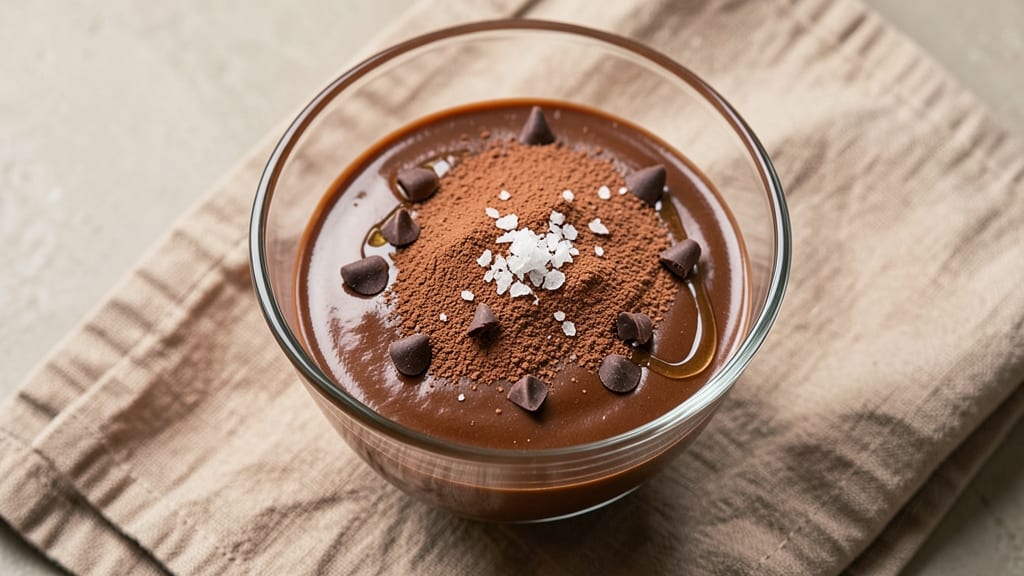
This allulose chocolate recipe delivers the same decadent molten center you crave—without the sugar crash or guilt. The secret lies in allulose, a natural sweetener that mimics sugar’s texture and caramelization while keeping glycemic impact low.
I perfected this recipe after testing dozens of variations to ensure perfect melt-in-your-mouth chocolate with clean energy benefits.
The magic happens with a precise ratio of allulose to cocoa powder, creating a rich, velvety chocolate that sets beautifully yet melts effortlessly. Unlike traditional recipes, this version stays stable at room temperature, making it ideal for keto, low-carb, or sugar-conscious diets.
The result? A dessert that satisfies every craving without the energy rollercoaster.
What you’ll achieve is a luscious chocolate treat with a molten center that resists crystallization, thanks to allulose’s unique properties. This recipe works for bars, truffles, or cookies—each bite offers deep cocoa flavor with none of the after-crash. The texture is smooth, the aroma intoxicating, and the satisfaction complete.
Best of all, these treats keep for weeks in the fridge, making them perfect for meal prep or gifting. Whether you’re baking for a crowd or treating yourself, this allulose chocolate recipe proves indulgence and health can coexist. Let’s get started with the foolproof method below.
Ingredients for allulose chocolate
Twelve ingredients transform into velvety, molten-center chocolate perfection—naturally sweetened and guilt-free.
| Ingredient | Amount | Notes |
|---|---|---|
| Allulose Granules 🍫 | 1 ½ cups | Fine grain for smooth texture |
| Unsweetened Cocoa Powder 🍫 | 1 cup | Dutch-processed for rich flavor |
| Vegan Dark Chocolate Chips 🍫 | 1 ½ cups | 70% cocoa or higher |
| Coconut Oil (Refined) 🥥 | ½ cup | Melted for smooth consistency |
| Vanilla Extract 🌿 | 1 tbsp | Pure Madagascar bourbon |
| Pinch Sea Salt 🧂 | ¼ tsp | Diamond Crystal preferred |
| Xanthan Gum 🧪 | ½ tsp | Prevents crystallization |
| Almond Flour 🌰 | ½ cup | Fine texture for stability |
| Unsweetened Almond Milk 🥛 | ¼ cup | For binding and creaminess |
| Espresso Powder ☕ | 1 tsp | Enhances chocolate depth |
| Vegan Shortening 🧈 | ¼ cup | For firm structure |
| Orange Zest 🍊 | 1 tsp | Brightens flavor profile |
Allulose is the game-changer here—WholesaleSupplement or Amazon carry the finest granules for this recipe. Fine grain is essential; coarse allulose can create graininess. The Dutch-processed cocoa powder from Valrhona or Ghirardelli elevates the flavor profile, but Hershey's Special Dark works in a pinch. For vegan chocolate chips, Enjoy Life brand is my go-to—no weird aftertaste. The coconut oil should be refined to avoid coconut flavor dominance, and Trader Joe's sells it pre-melted for convenience. Xanthan gum might sound intimidating, but it's a must for preventing that dreaded sugar crystallization—Bob's Red Mill sells it in the baking aisle.
No allulose? Monk fruit sweetener at 1:1 ratio works, but texture won't be identical. Swap almond flour for coconut flour at half the amount, but add an extra tablespoon of almond milk to compensate for dryness. Short on dark chocolate chips? Melt extra vegan chocolate bars and let them cool into chunks. The espresso powder can be replaced with instant coffee granules at double the amount—just don't skip it entirely. For a citrus twist, lemon zest works too, though orange adds subtle sweetness. The vanilla extract? Pure bourbon vanilla is worth the splurge, but imitation will still deliver flavor.
This chocolate stays stable at room temperature for 3 days—perfect for gifting. For longer storage, keep it refrigerated in an airtight container for up to 2 weeks. Freeze for 3 months if you're prepping ahead. The molten center magic happens fastest when served at 68-70°F, so let treats sit at room temp for 10 minutes before enjoying. Portion into mini muffin tins for perfect single servings—Silicone molds work best for easy release.
Why You'll Love This Recipe
- No-Fuss Melting: I swear by the microwave method—just 30 seconds with the allulose and coconut oil, stir, then fold in the cocoa and chips. No fancy equipment, no waiting for a double boiler to heat up. Honestly, it’s the kind of recipe that makes me feel like a baking genius, even when I’m just standing there stirring.
- Rich Without Guilt: That deep cocoa and vanilla combo? It’s ridiculously satisfying, but the allulose keeps the sugar crash at bay. The vegan chocolate chips add little bursts of melt-in-your-mouth goodness—like sneaky dessert moments in every bite. (Yes, even on a Tuesday night.)
- Endless Sweet Uses: Turn it into bark by spreading on parchment, or roll it into truffles for a last-minute gift. I’ve even mixed it into oatmeal for a breakfast upgrade—no one ever suspects how easy it was. Between us, this stuff is my secret weapon for when I need something sweet but don’t want to bake.
- Lasts Days, Costs Pennies: A single batch keeps in the fridge for over a week, and the ingredients? A fraction of what store-bought treats run. The allulose and cocoa powder go a long way, so you’re not scrambling for more every time the craving hits. Plus, it’s the kind of treat that makes leftovers disappear faster than I can say “second helping.”
Step-by-step instructions for allulose chocolate recipe
Here's the method that delivers decadent, sugar-free chocolate with a molten center every time.
Melt Chocolate and Coconut Oil Together
In a heatproof bowl set over a saucepan of simmering water (double boiler), combine the 1.5 cups vegan dark chocolate chips and 0.5 cup coconut oil (refined). Stir gently until the chocolate melts completely and the mixture becomes smooth, about 5-7 minutes. The temperature should reach 110-115°F—this ensures the chocolate stays stable without seizing when cooled.
Remove from heat immediately once melted. If you notice any graininess, whisk vigorously for 30 seconds to restore smoothness. This step is critical—the coconut oil helps create that signature velvety texture while keeping the allulose from crystallizing later.
Whisk in Allulose and Dry Ingredients
In a separate bowl, sift together the 1.5 cups allulose granules, 1 cup unsweetened cocoa powder, 0.5 tsp xanthan gum, 1 tsp espresso powder, 0.25 tsp pinch sea salt, and 0.5 cup almond flour. This creates a fine, aerated base that prevents graininess in the final product. Use a whisk to break up any clumps completely—you want a silky, powdery consistency.
With the melted chocolate still warm, gradually pour the dry mixture into it while whisking continuously. The goal is to create a thick, paste-like batter that coats the back of your spoon. If it feels too stiff, add 1 tablespoon of the unsweetened almond milk at a time until it reaches a smooth, spreadable consistency—this ensures proper binding without making the chocolate too wet.
Incorporate Wet Ingredients and Orange Zest
Add the 0.25 cup unsweetened almond milk, 1 tbsp vanilla extract, 1 tsp orange zest, and 0.25 cup vegan shortening to the chocolate mixture. Using a stand mixer on low speed or a hand mixer, blend everything together for 2-3 minutes until fully combined and the batter is completely smooth. The vegan shortening adds structure, while the orange zest brightens the deep chocolate flavor.
Here's the thing—this batter needs to be perfectly smooth. If you see any streaks of cocoa powder or allulose granules, continue mixing for another 30 seconds. The xanthan gum is working its magic now, preventing sugar crystallization that would ruin the molten center effect. Taste a small spoonful—it should be rich, slightly tangy from the espresso, and brightened by the orange.
Pour and Chill for Perfect Texture
Transfer the batter to a piping bag fitted with a medium star tip (or a zip-top bag with a small corner snipped off). Pipe 12 equal mounds (about 2 tablespoons each) onto a parchment-lined baking sheet, spacing them 2 inches apart. For a more professional look, use a spoon to create neat, rounded discs—this ensures even baking and consistent results.
Refrigerate the baking sheet for 30-45 minutes until the chocolate firms up but remains soft to the touch. You're aiming for a firm exterior that will melt beautifully when served. If you press your finger gently and it leaves a slight indentation that fills back in, it's ready. Pro tip: Don't over-chill, or the centers won't melt properly when served.
Melt Centers with Warm Water Bath
Preheat your oven to 325°F. Place the chilled baking sheet in the oven and bake for 12-15 minutes until the outer edges are set but the centers remain soft. The key is to stop baking the moment the edges firm up—the centers should still have a slight give when pressed gently.
Here's where the magic happens: Immediately after removing from the oven, place the baking sheet in a larger pan filled with 1 inch of hot water (about 160°F). The steam from the water bath will create that signature molten center while keeping the exterior firm. Let it sit for 2-3 minutes, then transfer to a wire rack to cool completely. The contrast between the cool exterior and warm center is what makes these irresistible!
Pro Tips For Making Allulose Chocolate
- Melt Coconut Oil Slow: Heat it in 10-second bursts on medium-low—coconut oil burns fast, and scorched oil ruins the whole batch. I learned this the hard way after one batch tasted like a campfire.
- Sift That Cocoa: Unsweetened cocoa powder clumps like a grumpy cat. Sift it into the dry ingredients first, then whisk it into the melted oil—no lumps, no bitter surprises.
- Skip the Chips Early: Add vegan chocolate chips in the last 30 seconds of mixing. They melt faster than the rest, and dumping them in too soon turns your chocolate into a sad, grainy mess.
- Measure Allulose Twice: Allulose is not sugar—it’s finer and packs differently. Use a kitchen scale if you can, or spoon it into your measuring cups and level it off hard. Too much, and your chocolate gets weirdly grainy.
Wine and beer pairings for this dish
Wine Pairings
For this allulose chocolate, I reach for dry sparkling wines like Prosecco or Cava—their effervescence cuts through the richness while highlighting the bright orange zest. The bubbles refresh your palate between bites of velvety chocolate, making each spoonful feel lighter.
A Pinot Noir from Oregon also works beautifully, as its earthy notes complement the espresso powder without overpowering the delicate citrus. 🍷
Beer Pairings
A Belgian witbier with its coriander and citrus notes is my go-to beer pairing—it mirrors the orange zest while adding herbal complexity. Brands like Allagash White or Hoegaarden elevate the chocolate’s depth without competing.
For a darker option, try a roasted barley beer like Schöfferhofer Barley Wine, which enhances the espresso and cocoa flavors. 🍺
Non-Alcoholic Options
For a non-alcoholic twist, sparkling apple cider (like Martinelli’s) adds a crisp, fruity contrast that balances the chocolate’s intensity. Alternatively, a chilled hibiscus tea with a splash of lime creates a refreshing, tangy pairing that enhances the orange zest’s brightness. Both options keep the experience vibrant and satisfying. 🌿
Coffee Pairing
Since this recipe includes espresso powder, pairing it with a light roast coffee—like a Sumatra Mandheling—deepens the chocolate’s flavor profile. The low acidity and earthy notes create harmony, while the allulose’s clean sweetness prevents bitterness.
For a dessert pairing, serve with a cortado (equal parts espresso and steamed milk) to complement the chocolate’s creaminess. ☕
Seasonal Adaptations
In summer, pair with a Sauvignon Blanc from New Zealand—the grape’s zesty acidity matches the orange zest’s brightness. For winter, a Port-style ruby port adds warmth that contrasts the chocolate’s cool exterior. The allulose’s neutral sweetness ensures the wine’s flavors shine without clashing. 🍷✨
Nutrition facts
Frequently asked questions
Why does this recipe use allulose instead of regular sugar?
Allulose provides the same sweetness and caramelization as sugar but with 90% fewer calories and a zero glycemic impact. It also prevents crystallization that ruins molten centers in traditional recipes. The texture mimics sugar perfectly while keeping treats keto-friendly and blood sugar stable.
Can I make this recipe without xanthan gum?
Technically yes, but you risk graininess and poor texture. Xanthan gum acts as a stabilizer, preventing allulose from crystallizing. For a substitute, try 0.25 tsp psyllium husk powder—it mimics xanthan's binding properties. Just know the final texture may be slightly less smooth.
How do I fix if my chocolate turns grainy?
Graininess usually means the chocolate cooled too quickly or was overheated. To fix it, place the bowl over a pot of simmering water (double boiler) and whisk vigorously for 1-2 minutes until smooth. If that fails, melt 1 tsp coconut oil and stir it in to restore creaminess.
What's the best way to store these treats?
Keep them in an airtight container at room temperature for 3 days or refrigerate for 2 weeks. For long-term storage, freeze for up to 3 months. Thaw overnight in the fridge to preserve the molten center effect. The allulose helps maintain freshness longer than sugar-based versions.
Can I use white chocolate instead of dark?
Yes, but expect a sweeter, milder flavor. Use vegan white chocolate chips (like Enjoy Life brand) and reduce the allulose to 1 cup to balance sweetness. The texture will be lighter, but the molten center technique remains the same. Perfect for a dessert with a more delicate profile.