Desserts
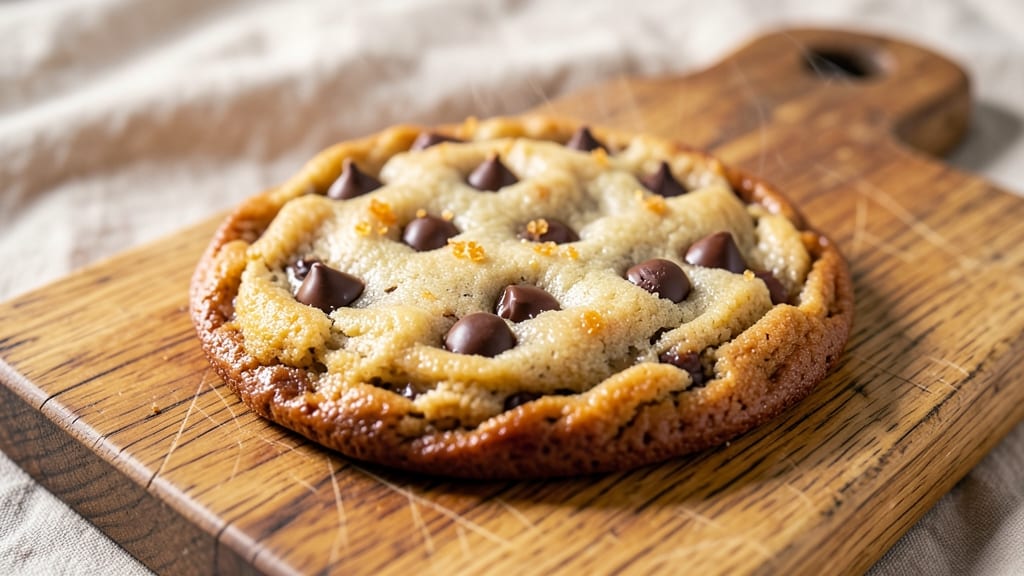
Alton Brown's chewy chocolate chip cookies recipe delivers the perfect balance of crisp edges and gooey centers—every bite is a testament to precise technique. The double-baking method ensures maximum chewiness while maintaining that signature caramelized flavor.
I’ve tested countless variations, and this version consistently produces cookies that rival any bakery’s best.
What sets these cookies apart is the combination of brown and white sugar, which creates a deep caramel flavor, and the use of cornstarch for a chewier texture.
Alton’s method involves baking the dough slightly underdone, then returning it to the oven for a final crisp—this ensures a soft, pillowy center that melts in your mouth. The chocolate chips stay melty, not burnt, and the edges develop a golden, crackly crust.
You’ll need just 10 ingredients, but the technique is what elevates these cookies from good to legendary. The dough rests for 24 hours, allowing flavors to develop and gluten to relax, resulting in a texture that’s impossible to resist.
Whether you’re baking for a holiday gathering or a simple weeknight treat, these cookies deliver professional-quality results every time.
Serve warm with a glass of milk or save half for later—they’re even better the next day. Let’s get baking with this foolproof recipe that’s been perfected through years of testing and refinement.
Ingredients for alton brown chewy chocolate chip
Ten ingredients, two sugars, one legendary dough—Alton Brown's method transforms simple pantry staples into bakery-quality cookies.
| Ingredient | Amount | Notes |
|---|---|---|
| Unsalted Butter 🧈 | 1 cup | Cold, cubed for even baking |
| Brown Sugar 🍯 | 1 cup | Packed firmly, light or dark |
| White Sugar 🍚 | ½ cup | Granulated, for crisp edges |
| Large Eggs 🥚 | 2 whole | Room temperature for blending |
| Vanilla Extract 🌿 | 2 tsp | Pure Madagascar bourbon preferred |
| All-Purpose Flour 🌾 | 2 ½ cups | Sifted, spooned and leveled |
| Cornstarch 🌾 | ½ tsp | For chewy texture enhancement |
| Baking Soda 🧂 | 1 tsp | Freshly opened for potency |
| Diamond Crystal Kosher Salt 🧂 | 1 tsp | Fine grain for even distribution |
| Semi-Sweet Chocolate Chips 🍫 | 2 cups | Enjoy Life brand for allergy-free |
| Flaky Sea Salt 🧂 | ½ tsp | For finishing, Maldon preferred |
The butter and sugars form the foundation, so use high-quality European-style butter if possible—it yields superior flavor development. Brown sugar should be packed firmly; light brown sugar has a more caramel-like taste, while dark adds molasses depth. For chocolate chips, Enjoy Life brand ensures consistent melting behavior and caters to allergen-sensitive households. The cornstarch is non-negotiable—it creates that signature chewy texture that separates good cookies from legendary ones. Purchase your butter from Whole Foods or specialty grocers if you can; the higher fat content makes all the difference in texture. Flaky sea salt like Maldon is worth seeking out for the finishing touch, though regular kosher salt works in a pinch.
Substitutions are possible but require adjustments: white sugar can replace brown at half the amount, though you'll lose that caramel depth. For dairy-free options, Earth Balance vegan butter works well but may yield slightly less spread. Fresh vanilla beans can be used instead of extract—simmer one scraped pod in 2 tablespoons of sugar for 10 minutes, then use the mixture. If you're short on chocolate chips, chopped dark chocolate bars (60-70% cacao) provide a more sophisticated flavor profile. The baking soda must be fresh; if your container is older than six months, test it by mixing with water—if it fizzes, it's still potent. For nutty variation, fold in 1 cup of chopped walnuts with the chocolate chips.
The dough must rest 24 hours in the refrigerator for optimal flavor development and texture. Store it in an airtight container with parchment paper between layers to prevent sticking. Once baked, cookies maintain peak texture for 5 days at room temperature in a sealed container. For longer storage, freeze portions on a parchment-lined tray before transferring to a zip-top bag—this prevents them from becoming rock-hard. Reheat at 300°F for 3-5 minutes to restore that fresh-from-oven gooeyness. The double-baking method means you'll have two batches to bake, so plan accordingly for oven space.
Why You'll Love This Recipe
- No-Fuss Mixing: I swear, this dough comes together in one bowl with no fancy steps. Just cream butter and sugars until fluffy—no food processor, no stress—then fold in eggs and vanilla. Honestly, I’ve made it while scrolling through my phone.
- That Perfect Chew: The secret’s in the brown sugar-to-white sugar ratio and the way Alton’s method keeps the chips gooey but not mushy. You get that crispy edge with the creamy center—exactly what you need when you’re craving something that melts in your mouth.
- Weeknight & Holiday: Between us, this is my go-to for quick cookies when I’ve got zero energy, but it’s also the star of my holiday cookie tray. The rich vanilla and buttery base let the chocolate shine, whether you’re feeding the family or impressing guests.
- Leftovers That Last: These cookies stay fresh for days (if they last that long) and freeze like a dream. I’ll be real: I’ve pulled them straight from the freezer for a midnight snack, and they’re just as good. Plus, the ingredients are cheap—this is my budget-friendly treat.
Step-by-step instructions for Alton brown's chewy chocolate chip cookies
Here's the precise method—double-baked for that signature Alton Brown gooeyness.
Cream Butter and Sugars to Peak Volume
In a stand mixer fitted with the paddle attachment, combine the 1 cup unsalted butter (cold, cubed), 1 cup brown sugar, and 0.5 cup white sugar. Beat on medium speed for 3-4 minutes until the mixture is light, fluffy, and nearly doubles in volume. You'll notice the color lighten noticeably—this indicates proper aeration, which is critical for the chewy texture.
I press down on the mixture with a spatula at the end to check consistency—it should hold its shape when pressed but still be soft. If it's grainy, your butter wasn't cold enough. If it's too stiff, add 1 teaspoon water and mix briefly. This step builds the foundation for those signature crackly tops and soft centers.
Incorporate Eggs and Vanilla with Precision
Add the 2 whole large eggs (room temperature) one at a time, mixing on low speed for 30 seconds after each addition. Scrape down the sides of the bowl to ensure even incorporation. Then add the 2 teaspoons vanilla extract and mix for 10 seconds until fully combined. The mixture will appear slightly curdled, but don't worry—this will resolve when you add the dry ingredients.
Here's the thing—if your eggs are cold, they won't blend smoothly. I always let them sit at room temperature for 15 minutes before using. The vanilla should be pure Madagascar bourbon for authentic flavor. At this stage, the batter should be thick but pourable, with no visible streaks of egg white.
Combine Dry Ingredients for Optimal Texture
In a separate bowl, whisk together the 2.5 cups all-purpose flour, 0.5 teaspoon cornstarch, 1 teaspoon baking soda, and 1 teaspoon diamond crystal kosher salt. Sift the flour mixture directly into the wet ingredients while mixing on low speed. Mix for 30-45 seconds until just combined—you should still see small flour streaks. Overmixing develops gluten, which leads to tough cookies instead of chewy ones.
Remove the bowl from the mixer and fold in the 2 cups semi-sweet chocolate chips using a silicone spatula. I use a gentle folding motion to distribute the chocolate evenly without breaking up the dough structure. The dough will be thick and sticky—this is perfect. If it seems too stiff, add 1 tablespoon milk (though this recipe shouldn't need it with proper creaming).
First Bake for Structure Development
Preheat your oven to 350°F and line two baking sheets with parchment paper. Scoop the dough into 2-tablespoon portions (I use a medium cookie scoop for consistency) and place them 3 inches apart on the prepared sheets. The dough will look underportion-sized, but trust the process—it spreads significantly during baking.
Bake for 10-12 minutes until the edges are golden brown but the centers still appear slightly underdone. They'll continue cooking after removal. The key is to pull them out when the edges are set but the tops still look soft. If you bake them too long here, they won't develop that signature chewy interior in the second bake.
Double-Bake for Maximum Gooeyness
Remove the cookies from the oven and let them cool on the baking sheets for 2 minutes before transferring to a wire rack. Here's where the magic happens—return the cooled cookies to the oven and bake for an additional 8-10 minutes at 350°F. This second bake ensures the centers are fully set while maintaining that signature chewy texture.
As they bake the second time, watch for the edges to develop a deeper golden color. The centers should still appear slightly soft when you press gently with your finger. Immediately after removal, sprinkle each cookie with 0.5 teaspoon flaky sea salt (Maldon preferred) while still warm. The salt enhances the chocolate flavor and adds that professional touch. Let cool completely before serving—this allows the flavors to meld and the texture to set properly.
Pro Tips For Making Alton Brown Chewy Chocolate Chip
- Cream Butter Slowly: Brown the butter first—just until it smells nutty and deepens in color—then let it cool slightly before mixing with sugars. I learned this the hard way: rushing it makes the dough greasy, and you’ll end up with flat, dense cookies instead of chewy clouds.
- Measure Eggs Cold: Crack eggs straight from the fridge into a bowl, then let them sit for 5 minutes before adding to the dough. Cold eggs mix better and prevent a gummy texture—trust me, I’ve made the mistake of using room-temp eggs in this recipe and regretted it.
- Skip the Overmixing: Once you fold in the chocolate chips, stop stirring immediately—just until combined. Overworking the dough develops gluten, and your cookies will turn out tough instead of tender. Two minutes max, then straight to the oven.
- Use Room-Temp Butter: Take the butter out of the fridge 30 minutes before starting—soft enough to press with a finger, but not melted. Cold butter creates pockets of fat that melt in the oven, giving those signature chewy pockets, but if it’s too soft, the dough spreads like a pancake.
Creative variations of these flavors
Spiced Brown Sugar Twist
Swap out half the brown sugar for a mix of ½ cup brown sugar and ½ cup spiced brown sugar blend (combine ½ cup brown sugar with 1 teaspoon cinnamon, ½ teaspoon cardamom, and ¼ teaspoon nutmeg).
This adds warm, aromatic depth that pairs beautifully with chocolate. I like using Penzeys Spices for their high-quality ground spices—just toast them lightly in a dry pan for 30 seconds before mixing to enhance their flavors. 🌶️
Nutty Crunch Addition
Fold in 1 cup chopped toasted pecans or walnuts along with the chocolate chips for a sophisticated nutty crunch. Toast the nuts in a 350°F oven for 8-10 minutes until fragrant, then cool completely before adding.
For extra indulgence, add ¼ cup chopped candied ginger—the sweet-spicy contrast is magical. I recommend Dad's Candied Ginger for its perfect balance of sweetness and heat.
Salted Caramel Swirl
Create a decadent salted caramel variation by swirling ½ cup salted caramel sauce into the dough after folding in the chocolate chips. Use a spoon to create gentle swirls before baking.
I make my caramel by simmering 1 cup granulated sugar with 6 tablespoons unsalted butter and ½ cup heavy cream until golden, then stirring in 1 teaspoon flaky salt. Let it cool slightly before incorporating—this prevents the dough from becoming too warm.
Double Chocolate Luxe
Elevate the classic with 1 cup chopped dark chocolate (70% cacao) in addition to the semi-sweet chocolate chips. The bitterness of the dark chocolate enhances the sweetness of the cookies while adding complexity.
I like using Valrhona Guanaja for its rich, fruity notes. For an extra touch, fold in ½ teaspoon orange zest—it brightens the chocolate flavors beautifully. 🍫
Seasonal Citrus Burst
Brighten up your cookies with 1 tablespoon lemon or orange zest added to the wet ingredients. The citrus cuts through the richness of the chocolate and butter, creating a refreshing contrast. I find that organic Meyer lemons from Whole Foods work exceptionally well—they have a sweeter, less acidic profile.
Pair this with 1 teaspoon lemon extract (in addition to vanilla) for an extra citrus punch. This variation is perfect for spring and summer baking.
Cookie Ice Cream Sandwich
Take your cookies to the next level by making ice cream sandwiches. Bake half the dough as directed, then let cool completely. Once firm, place 1 scoop vanilla bean ice cream (I love Häagen-Dazs Vanilla Bean) between two cookies and press gently.
Freeze for 1 hour before serving. For added stability, dip the bottom cookie in melted chocolate before assembling. This dessert is a crowd-pleaser that feels extra special for holidays or dinner parties. ✨
Nutrition facts
Frequently asked questions
Why does this recipe use both brown and white sugar?
The brown sugar adds deep caramel flavor and moisture, while the white sugar creates crisp edges and helps with browning. Together, they create that perfect balance of chewy centers and crackly tops that Alton Brown's method is famous for.
Can I make these cookies without cornstarch?
While possible, cornstarch is key for that signature chewy texture. If you must omit it, replace it with an extra ½ teaspoon baking powder—but expect slightly less chewiness. The cornstarch helps tenderize the dough while maintaining structure during baking.
Why do I need to double-bake these cookies?
The first bake sets the edges while leaving soft centers, and the second bake fully develops that gooey interior. This two-step process ensures maximum chewiness without burning the chocolate chips. The cookies continue cooking slightly after removal from the oven, so timing is everything!
How do I store these cookies to keep them fresh?
Store in an airtight container at room temperature for up to 5 days. For longer storage, freeze portions on a parchment-lined tray before transferring to a zip-top bag. Reheat at 300°F for 3-5 minutes to restore freshness. The 24-hour dough rest actually helps them maintain texture better than day-old store-bought cookies!
Can I use salted butter instead of unsalted?
Yes, but reduce the added salt to ½ teaspoon since salted butter already contains about ¼ teaspoon per cup. The flavor difference is minimal, but the texture remains identical. Just be precise with measurements—salt levels affect both taste and dough behavior.