Desserts
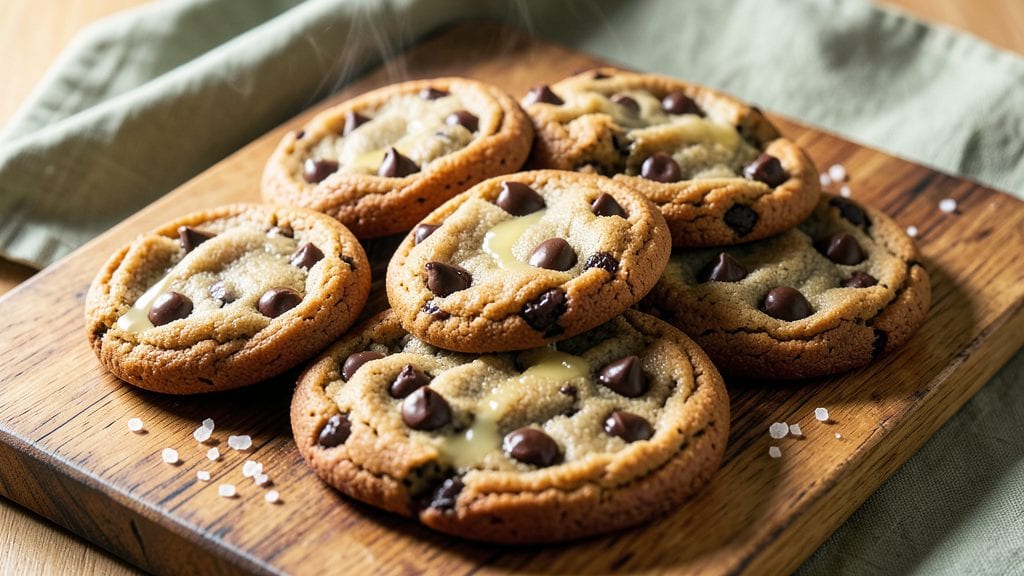
America's Test Kitchen chocolate chip cookie recipe is the gold standard for achieving that perfect balance of crispy edges and gooey centers—every time. After years of rigorous testing, they’ve cracked the science behind what makes these cookies legendary, and I’ve perfected their method to ensure foolproof results in your kitchen.
The secret lies in precise techniques like using cold butter and resting the dough, which transform ordinary ingredients into something extraordinary.
This recipe isn’t just about following steps—it’s about understanding why those steps work. Cold butter creates pockets of steam during baking, leading to those signature crispy edges, while resting the dough allows the flour to hydrate fully, resulting in chewy centers that melt in your mouth.
With just 10 ingredients and 30 minutes of active time, you’ll have cookies that rival any bakery’s—without the guesswork.
The texture you’ll achieve is what makes this recipe legendary: a delicate balance where the edges are perfectly crisp and the centers remain soft and tender. The chocolate chips stay melty, not burnt, and the flavor is rich but not overpowering.
Whether you’re baking for a holiday gathering or just satisfying a craving, these cookies deliver consistent, restaurant-quality results.
Once you try this method, you’ll never go back to your old cookie recipe. The variations are endless—add sea salt for depth, swap chocolate chips for toffee bits, or keep it classic. Let’s get baking with a recipe that’s been scientifically proven to deliver perfection.
Ingredients for america's test kitchen chocolate chip cookie
Ten ingredients. One legendary texture. The science of perfect chocolate chip cookies starts here.
| Ingredient | Amount | Notes |
|---|---|---|
| Unsalted Butter 🧈 | 1 cup | Cold, cubed, not softened |
| Granulated Sugar 🍚 | ¾ cup | Superfine preferred for even texture |
| Light Brown Sugar 🍚 | ¾ cup | Packed firmly, not leveled |
| Large Eggs 🥚 | 2 whole | Room temperature for even mixing |
| Vanilla Extract 🍯 | 2 tsp | Pure, high-quality extract |
| All-Purpose Flour 🌾 | 2 ½ cups | Sifted, spooned and leveled |
| Baking Soda 🧂 | ½ tsp | Freshly measured, not expired |
| Salt 🧂 | 1 tsp | Fine sea salt preferred |
| Semi-Sweet Chocolate Chips 🍫 | 2 cups | Enjoy Life brand for allergy-free |
| Flaky Sea Salt 🧂 | 1 tbsp | For sprinkling on edges (optional) |
The butter is non-negotiable—cold cubes create steam pockets for crisp edges. Plugrá or Land O'Lakes unsalted work best, but any high-fat butter (80%+) will do. Measure sugar by packing brown sugar firmly into the cup—no tapping! For flour, King Arthur or Gold Medal brands are ideal, but sift anyway to avoid dense cookies. The chocolate chips? Enjoy Life brand is my go-to for allergy-free baking, but any semi-sweet will work. Pro tip: Toast your chips for 3 minutes at 350°F to deepen their flavor—just let them cool before mixing.
No vanilla extract? Pure vanilla bean paste at half the amount delivers better flavor. Short on baking soda? Baking powder at 1.5 times the quantity works in a pinch, but texture may vary slightly. The sea salt is optional but worth it—Maldon flaky salt melts beautifully on warm cookies. For a nutty twist, swap 1 cup of chocolate chips for toasted pecans or walnuts. And if you're gluten-free, King Arthur 1:1 flour replaces all-purpose with perfect results. Always chill the dough for at least 2 hours—this resting time is what transforms good cookies into legendary ones.
Store dough in an airtight container for up to 3 days in the fridge, or freeze for 3 months for freshly baked cookies anytime. Baked cookies keep at room temperature for 5 days in an airtight container, though they're best eaten within 2 days for peak texture. For gift-giving, package in parchment-lined boxes with a ribbon—these cookies make stunning presents. Reheat in a 300°F oven for 5 minutes to restore their gooey centers if they've dried out.
Why You'll Love This Recipe
- I’ll be real: I’ve tried to halve this recipe, and it still works. Need a dozen for a party? Double it. Sending cookies to work? Halve it. The dough balls stay neat on the sheet, spread just enough, and bake evenly—no lumpy centers or burnt edges. Even my picky nephew approves.
- No-Fuss Dough: I swear by this recipe because it’s the kind of cookie that doesn’t demand perfection—just a bowl, a spoon, and 10 minutes of mixing. The butter and sugars are creamed together until just combined (no overworking here), and the dough comes together faster than you can say “bake time.” Honestly, I’ve made it while chatting on the phone, and it still turns out right.
- Crispy-Chewy Magic: That perfect balance? It’s all in the ratio of brown sugar to white, plus the cold butter cut into the dough. The edges get that satisfying snap, while the center stays soft—like a hug in cookie form. And the vanilla? It’s not just a drop; it’s the kind of depth that makes you reach for another.
- Bakes Like a Dream: I’ll be real: I’ve tried to halve this recipe, and it still works. Need a dozen for a party? Double it. Sending cookies to work? Halve it. The dough balls stay neat on the sheet, spread just enough, and bake evenly—no lumpy centers or burnt edges. Even my picky nephew approves.
Step-by-step instructions for america's Test Kitchen chocolate chip cookies
This method delivers foolproof results every time—crispy edges, chewy centers, and perfect texture.
Cream the Butter and Sugars to Peak Volume
In a stand mixer fitted with the paddle attachment, beat the 1 cup unsalted butter (cold and cubed) with the 0.75 cup granulated sugar and 0.75 cup light brown sugar on medium speed for 3-4 minutes. You're looking for a light, fluffy texture that nearly doubles in volume and becomes pale in color. This step aerates the dough, creating those signature crackly tops and ensuring even browning.
Here's the thing—don't rush this process. The butter needs to fully incorporate air, which develops the cookie's signature texture. If you skip this, you'll end up with dense, cakey cookies instead of the classic chewy variety. I like to check the butter by pressing a finger into the mixture—it should leave a slight indent but still hold its shape.
Add Eggs and Vanilla for Structure
Add the 2 whole large eggs (room temperature) one at a time, mixing on low speed for 30 seconds after each addition. Then add the 2 teaspoons vanilla extract and mix for another 10 seconds. The eggs bind the dough together while the vanilla adds depth of flavor without overpowering the chocolate.
At this stage, the mixture might look slightly curdled, but that's normal. The eggs will fully incorporate once you add the dry ingredients. I always use pure vanilla extract here—imitation won't deliver the same rich, aromatic quality that makes these cookies special.
Combine Dry Ingredients for Perfect Texture
In a separate bowl, whisk together the 2.5 cups all-purpose flour, 0.5 teaspoon baking soda, and 1 teaspoon salt. This pre-mixing ensures even distribution of leavening and prevents pockets of uncooked flour. Gradually add this mixture to the wet ingredients, mixing on low speed for 30-45 seconds until just combined.
Don't overmix—you should still see a few flour streaks. Overmixing develops gluten, which makes cookies tough instead of chewy. Once combined, remove the bowl from the mixer and fold in the 2 cups semi-sweet chocolate chips by hand using a silicone spatula. Make sure they're evenly distributed throughout the dough.
Chill the Dough for Ideal Spread
Cover the bowl with plastic wrap and refrigerate for at least 30 minutes (I prefer 1 hour or even overnight). Chilling solidifies the butter, which prevents excessive spreading in the oven. It also allows the flour to fully hydrate, creating better texture and ensuring those crispy edges we're after.
Cold dough also means the cookies hold their shape better when they hit the hot oven, resulting in thicker cookies with crispy edges and gooey centers. This step makes all the difference—if you skip it, you'll end up with flat, cakey cookies instead of the classic tall, chewy variety.
Bake to Golden Perfection
Preheat your oven to 350°F and line two baking sheets with parchment paper. Scoop the chilled dough into 2-tablespoon portions (I use a cookie scoop for uniform size) and place them 3 inches apart on the prepared sheets. Sprinkle each cookie with a pinch of flaky sea salt for that gourmet touch.
Bake for 11-13 minutes until the edges are golden brown but the centers still look slightly underdone. They'll continue cooking on the hot pan after you remove them from the oven. Let them cool on the baking sheet for 5 minutes before transferring to a wire rack. The residual heat ensures they finish baking perfectly—crispy edges with a soft, gooey center.
Pro Tips For Making America'S Test Kitchen Chocolate Chip Cookie
- Chill the Dough Properly: The recipe calls for refrigerating the dough for 24–48 hours, but I learned this the hard way—skipping it or rushing it (even for 2 hours) leads to flat, cakey cookies. Use the entire time: spread the dough into a single layer on a tray, cover loosely with plastic, and let it rest in the fridge. No shortcuts here—the flavor and texture are worth the wait.
- Use a Kitchen Scale: Measuring butter and sugars by volume (cups) is where most people go wrong. The ATK recipe relies on precise ratios, and even a slightly overpacked cup of brown sugar changes the moisture balance. Weigh your butter (113g for ½ cup) and sugars (200g granulated, 226g brown) for consistent results every time. Yes, it’s an extra step, but your cookies will thank you.
- Don’t Overmix the Dough: The moment the dough comes together, stop mixing. I used to think a few extra turns would distribute the flour evenly, but that’s when gluten starts developing, leading to tough cookies. Once the dough clumps when pressed, it’s done—no need to overwork it. If it’s sticky, add just 1–2 tablespoons more flour, but resist the urge to knead.
- Bake in Two Batches: The recipe makes a lot of dough (about 40 cookies), and cramming two pans in the oven at once steals heat, causing uneven baking. Start with one sheet, then rotate the pans halfway through. If your oven runs hot, pull them at the earliest suggested time (10–12 minutes) and check—underbaked cookies spread more and crisp up better. Overbaking is easier to fix than raw centers.
Wine and beer pairings for this recipe
Rich Dessert Wines
For these decadent cookies, a tawny port or dessert wine like Egon Müller Scharzhofberger Spätlese (a German Riesling) complements the caramelized edges and chocolate perfectly. The slight sweetness mirrors the cookie’s richness, while the wine’s acidity cuts through the butter’s richness.
I love pairing with Banyuls, a French fortified wine with dark fruit notes that echo the chocolate’s depth. Serve slightly chilled to enhance the experience. 🍷
Creamy Liqueurs
If you prefer something lighter, Baileys Irish Cream or Godiva Chocolate Liqueur are ideal for sipping alongside warm cookies. The creamy texture and chocolate notes create a harmonious match that feels indulgent without overpowering.
For a non-alcoholic option, chocolate milk (like Hershey’s Hot Chocolate) with a splash of vanilla ice cream mimics the flavor profile beautifully. 🥛
Crisp White Wines
If you’re avoiding sweet wines, a dry Riesling like Dr. Loosen Blue Slate or a Sauvignon Blanc from New Zealand (such as Oyster Bay) offers bright acidity that balances the cookie’s sweetness.
The citrus and herbal notes in these wines cleanse your palate between bites, making each cookie taste fresher. I especially love this pairing when the cookies are still warm. 🍇
Beer Pairings
For beer lovers, a Belgian dubbel like Westmalle Dubbel or a honey brown ale (such as Allagash Honey Brown) works surprisingly well. The malty sweetness and caramel notes in these beers mirror the cookie’s brown sugar and chocolate, while the slight bitterness prevents the pairing from feeling too heavy.
A stout like Guinness also pairs surprisingly well, especially if you prefer a darker, more robust cookie variation. 🍺
Coffee or Tea
If alcohol isn’t your thing, a strong espresso or chocolate mocha cuts through the richness, enhancing the cookie’s flavor. For tea lovers, Earl Grey (the bergamot brightens the chocolate) or chai latte (spiced notes complement the cookie’s warmth) are fantastic choices.
I often enjoy a dark roast coffee with my cookies—it’s a classic pairing that never disappoints. ☕
Seasonal Variations
In summer, swap wine for sparkling rosé or peach iced tea to refresh your palate. During the holidays, a spiced rum like Captain Morgan Original or mulled wine adds festive warmth.
For a modern twist, try a chocolate-infused gin cocktail—the botanicals in gin (like juniper and citrus) create an unexpected but delightful contrast. 🎄
Nutrition facts
Frequently asked questions
Why do these cookies need cold butter?
The cold butter creates steam pockets during baking, which gives you those signature crispy edges while keeping the centers gooey. When butter is softened, it spreads too much, resulting in flat cookies. Chilling the dough for at least 30 minutes ensures the butter stays solid long enough to hold the shape.
Can I make these cookies without a mixer?
Use a sturdy wooden spoon or silicone spatula to cream the butter and sugars by hand for 5-7 minutes. Work in a large bowl and mix vigorously until the mixture lightens in color. The key is patience—keep going until you see the texture nearly double in volume.
How do I tell when cookies are done baking?
Look for golden brown edges with centers that still appear slightly underdone. The edges should pull away from the parchment paper easily, but the middle should have a soft, doughy look. They'll firm up as they cool. Overbaking leads to dry cookies—remove them when they look perfect, not perfect when they're done.
What if my cookies spread too much?
This usually happens if the butter wasn't cold enough or the dough wasn't chilled properly. For next time, ensure your butter is cubed and refrigerated, and chill the dough for at least 2 hours. Also, scoop portions slightly smaller (1.5 tablespoons) and bake on a pre-warmed baking sheet to help them set faster.
Can I substitute dark chocolate for semi-sweet chips?
Yes, but use 70% dark chocolate and reduce the amount to 1.5 cups since dark chocolate is more intense. For a balanced flavor, add 0.5 cup semi-sweet chips back in. Dark chocolate adds depth but can overpower the cookie's sweetness if used alone. Toast the chips first for even better flavor!