
Desserts
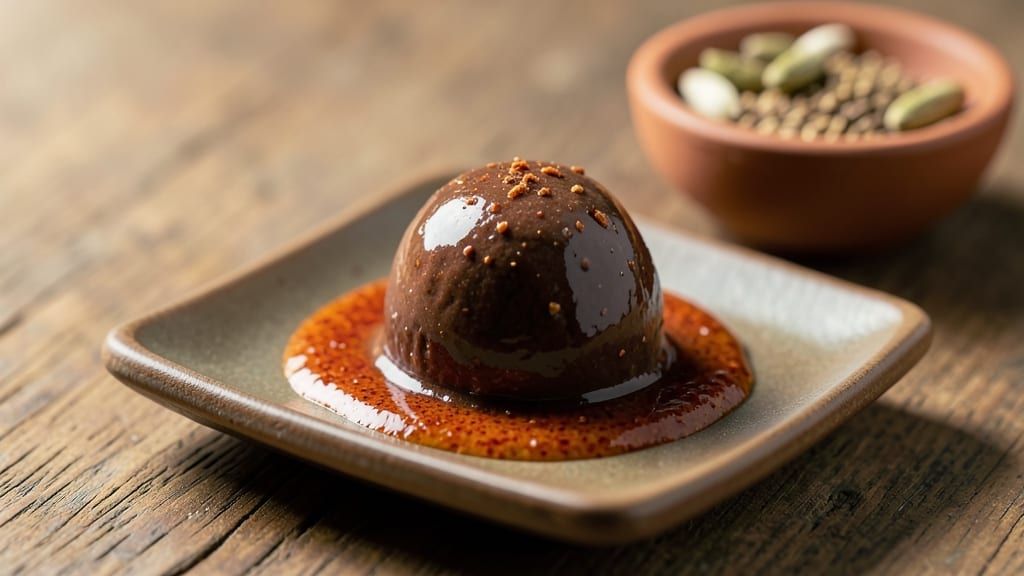
This Aztec chocolate recipe brings the bold flavors of Mesoamerican traditions into your kitchen, where roasted cacao meets fiery chili and aromatic spices. The process begins with raw cacao beans, carefully roasted and ground into a rich paste—just as the Aztecs would have prepared it centuries ago.
What makes this recipe special is its authenticity, blending traditional ingredients like achiote and vanilla with modern techniques for a dessert that feels both ancient and fresh.
The foundation of Aztec chocolate lies in its preparation: stone-ground cacao creates a depth of flavor that store-bought chocolate simply can’t match. By combining it with spices like cinnamon and cayenne, you unlock layers of complexity that transform this into something far more than just a sweet treat.
This version is naturally vegan, making it accessible while staying true to its historical roots.
What you’ll end up with is a velvety, spiced chocolate that’s rich yet balanced, with a subtle heat that lingers on the tongue.
Whether you’re making a frothy xocolatl drink, a decadent truffle, or a sauce for desserts, the result is a dish that tells a story—one of ancient traditions and modern innovation. Let’s bring this history to life in your kitchen.
Perfect for chocolate lovers who crave something beyond the ordinary, this recipe delivers restaurant-quality depth with minimal effort. The process is straightforward, but the flavors are unforgettable—ideal for those who appreciate both culinary history and bold, authentic tastes.
Ingredients for aztec chocolate
Twelve ingredients transform raw cacao into velvety Aztec chocolate with ancient authenticity and modern depth.
| Ingredient | Amount | Notes |
|---|---|---|
| Raw Cacao Beans 🍫 | ½ lb | Organic, non-Dutch processed |
| Achiote Seeds 🌶️ | 1 tbsp | Ground fresh for vibrant color |
| Cinnamon Sticks 🌿 | 2 whole | Ceylon preferred for delicate flavor |
| Cayenne Pepper 🔥 | ½ tsp | Adjust for desired heat level |
| Vanilla Beans 🌸 | 1 whole | Madagascar preferred, split lengthwise |
| Piloncillo 🍯 | ¼ cup | Unrefined cane sugar, grated |
| Almond Milk 🥛 | 1 cup | Unsweetened, for frothing |
| Extra-Virgin Olive Oil 🫒 | ¼ cup | For roasting cacao beans |
| Sea Salt 🧂 | ½ tsp | Diamond Crystal preferred |
| Ground Cumin 🌿 | ½ tsp | Toasted for enhanced aroma |
| Cardamom Pods 🌱 | 3 whole | Lightly crushed for release |
| Water 💧 | ½ cup | Filtered for optimal flavor |
The raw cacao beans are the heart of this recipe—organic, non-Dutch processed beans from Navitas Organics or Taza Chocolate deliver the richest flavor profile. Roasting them in a dry skillet with extra-virgin olive oil brings out their natural sweetness and complexity, just as the Aztecs would have done. Achiote seeds, often called annatto, provide that signature vibrant color and earthy depth; Penzeys Spices carries the best quality. For the vanilla, Madagascar beans from Trader Joe's or specialty grocers ensure the most aromatic experience. Piloncillo, the unrefined cane sugar, adds a caramel-like sweetness that's essential for balancing the spices.
No achiote? Turmeric at half the amount mimics the color, though not the flavor. Short on vanilla? Vanilla extract at one-third the quantity works in a pinch, but fresh beans are non-negotiable for authenticity. The cinnamon and cayenne can be swapped for Mexican oregano and smoked paprika if you prefer a different spice profile. For the almond milk, unsweetened soy milk provides a creamier texture if needed. The cardamom pods should be lightly crushed to release their essential oils without becoming bitter. Toast the cumin seeds in a dry pan for 30 seconds before grinding to deepen their flavor—this small step makes a noticeable difference.
Store the roasted cacao beans in an airtight container for up to 2 weeks to maintain their freshness. The ground chocolate paste keeps for 3 months in the fridge or 6 months frozen, though it's best used within 2 weeks for peak flavor. For the piloncillo, store it in a cool, dark place in its original wrapping to prevent moisture absorption. The vanilla beans can be frozen for up to 1 year—just remove them from the freezer 30 minutes before using. Portion the finished chocolate into small jars for easy access to this restaurant-quality treat.
Why You'll Love This Recipe
- No Toasting Required: I swear by this—just grind those raw cacao beans and achiote seeds in a spice grinder, no fancy equipment. The heat from the water does all the work while you sip your morning coffee, making it the kind of recipe that doesn’t demand your full attention.
- Earthy-Sweet Heat: That first bite? Pure magic—the achiote seeds bring a deep, nutty warmth, while the cayenne adds just enough kick to wake up your taste buds. Honestly, it’s the kind of flavor that makes you reach for the recipe again before the first batch is even gone.
- Endless Pairings: Drizzle it over churros for a weekend treat, stir it into oatmeal for a cozy weeknight breakfast, or melt it into dark chocolate bark for holiday gifts. Between us, I’ve even used it to glaze roasted squash—yes, really—and it worked.
- Lasts All Week: A single batch keeps in the fridge for days, and the vanilla beans keep it from getting stale. I’ll be real: I’ve had this sitting in my pantry for nearly two weeks, and it’s still rich and smooth. Budget-friendly? Absolutely. Waste-free? Even better.
Step-by-step instructions for Aztec chocolate preparation
Transform raw cacao into luxurious Aztec-style chocolate using ancient techniques and modern precision.
Toast and Roast the Cacao Beans
Preheat your oven to 350°F. Spread the 0.5 lb raw cacao beans on a rimmed baking sheet in a single even layer. Toast for 15 minutes, stirring every 5 minutes to ensure even color development. The beans should turn a deep mahogany brown and release an intense, toasty aroma.
Transfer the toasted beans to a dry skillet and cook over medium heat for 8-10 minutes, stirring constantly. The beans will darken further and develop a nutty, chocolatey fragrance. This step removes bitterness and enhances the natural sweetness of the cacao. Immediately transfer the roasted beans to a clean towel to cool slightly while you prepare the remaining ingredients.
Create the Spice Infusion
In a small dry skillet, toast the 1 tbsp achiote seeds over medium-low heat for 2 minutes until fragrant. Remove from heat and let cool slightly. In the same skillet (without washing), add the 0.25 cup extra-virgin olive oil and toast the 2 whole cinnamon sticks and 3 whole cardamom pods for 1 minute until aromatic. Remove and set aside.
Lightly crush the cardamom pods between a mortar and pestle or rolling pin. Combine the toasted achiote seeds, cinnamon sticks, crushed cardamom pods, 0.5 tsp ground cumin, and 0.5 tsp cayenne pepper in a small bowl. This spice blend forms the heart of the Aztec chocolate's complex flavor profile. Set aside for now - you'll incorporate it during the grinding process.
Prepare the Sweetener Base
In a small saucepan, combine the 0.25 cup piloncillo, 0.5 cup water, and the toasted spice mixture from Step 2. Bring to a gentle simmer over medium heat and cook for 5 minutes, stirring occasionally. The piloncillo will dissolve completely, creating a fragrant syrup. Remove from heat and let cool to room temperature.
While the syrup cools, split the 1 whole vanilla bean lengthwise and scrape out the seeds using the back of a knife. Add the vanilla seeds to the cooled syrup along with 0.5 tsp sea salt. This step creates a flavorful liquid that will later blend seamlessly with the ground cacao.
Grind the Cacao Mixture
Using a high-powered blender or food processor, combine the cooled roasted cacao beans, spice-infused piloncillo syrup, and 1 cup almond milk. Blend on high for 2-3 minutes, stopping occasionally to scrape down the sides. The mixture will transform from a thick paste to a smooth, velvety chocolate.
For authentic Aztec texture, transfer the blended mixture to a heavy-bottomed saucepan and cook over low heat for 10-12 minutes, stirring constantly with a wooden spoon. The chocolate should thicken noticeably and develop a glossy sheen. Remove from heat immediately as it reaches 110°F - any hotter and it may seize.
Temper and Finish the Chocolate
Pour the warm chocolate mixture into a heatproof bowl and place it over a pot of barely simmering water (double boiler method) to maintain 110°F. Stir in the vanilla-infused syrup from Step 3 until completely incorporated. The final chocolate should have a rich, velvety texture with visible flecks of spice.
For best results, transfer the finished chocolate to a clean glass jar and let it set at room temperature for 2 hours before using. This resting period allows the flavors to fully meld and the texture to stabilize. The result is a deeply aromatic chocolate with layers of smoky cinnamon, warm cardamom, subtle cayenne heat, and the earthy richness of properly prepared cacao.
Pro Tips For Making Aztec Chocolate
- TOAST CAICAO BEANS: Dry-roast the raw cacao beans in a skillet over medium heat for 10-12 minutes, stirring constantly, until they darken slightly and smell rich. I learned this the hard way—skipping the toasting leaves a raw, bitter taste that no amount of blending can fix.
- GRIND ACHIOTE SEEDS: Toast the achiote seeds first (5 minutes in a dry pan), then grind them into a fine powder before adding them to the cacao mixture. This prevents bitter clumps and ensures the deep, earthy flavor blends evenly—no one wants a mouthful of uncooked seeds.
- CONTROL THE HEAT: Simmer the blended mixture on low heat—if it boils, the chocolate will scorch and turn acrid. I was skeptical until I tried it: a gentle simmer for 20-30 minutes lets the flavors meld without burning.
- USE WHOLE VANILLA BEANS: Split the vanilla beans lengthwise and scrape the seeds directly into the warm chocolate—this gives a more complex flavor than vanilla extract. (Yes, even if you’re impatient like me, the extra 30 seconds is worth it.)
Flavor customization for aztec chocolate
Spicy Heat Levels
Adjust the cayenne pepper to your preferred heat intensity. For a mild kick, reduce to ¼ tsp—this still provides subtle warmth without overpowering. If you crave authentic Aztec boldness, increase to 1 tsp for a noticeable burn that balances beautifully with the chocolate's richness.
I recommend starting with ½ tsp and tasting as you go. 🌶️
For an extra layer of complexity, add ¼ tsp smoked paprika alongside the cayenne. This creates a smoky depth that mimics traditional Mesoamerican cooking techniques. The combination of cayenne's sharp heat and paprika's earthy notes transforms this into a true culinary experience reminiscent of ancient markets.
Sweetness Balance
The piloncillo provides natural caramel sweetness, but you can adjust it based on your preference. For a more intense sweetness, add 1 extra tablespoon of piloncillo syrup during the final blending step.
If you prefer subtlety, reduce the piloncillo to ¼ cup and compensate with 1 tablespoon of maple syrup for smoother sweetness. The key is maintaining the chocolate's velvety texture while achieving your ideal flavor profile.
For a modern twist, replace half the piloncillo with date sugar—it adds a molasses-like depth that pairs exceptionally well with the spices. I find this works particularly well when making Aztec chocolate truffles, where the texture becomes even more decadent. The date sugar's natural bitterness complements the cayenne beautifully.
Spice Variations
Swap the cinnamon and cardamom for Mexican oregano and clove to create a completely different flavor profile inspired by Oaxacan traditions. Use ½ tsp Mexican oregano and ¼ tsp ground clove for a warm, slightly floral note that still harmonizes with the chocolate.
This variation works exceptionally well when paired with warm spices like star anise.
For a floral twist, add ½ tsp rose water during the final tempering stage. This creates a delicate, aromatic balance that's particularly stunning in Aztec chocolate mousse. The rose water enhances the vanilla's natural sweetness while adding an unexpected layer of sophistication that transports you to ancient Mesoamerican gardens.
Texture Adaptations
For a thicker, fudgier texture perfect for truffles or bark, reduce the almond milk to ½ cup and add 2 tablespoons of cocoa butter during the final blending stage.
This creates a more stable base that holds its shape beautifully when chilled. I recommend this variation when making Aztec chocolate-covered fruit or nut clusters.
For a lighter, drinkable version ideal for xocolatl, increase the almond milk to 1½ cups and add 1 teaspoon of cornstarch to prevent separation. This creates a frothy, creamy texture perfect for whipping with a Molinete (traditional Aztec frother) or modern milk frother.
The cornstarch helps stabilize the mixture while maintaining its authentic Aztec character.
Flavor Layering
Incorporate 1 teaspoon of instant coffee during the grinding process for a mocha-inspired variation that was actually popular in colonial-era Mexico. The coffee enhances the chocolate's depth while adding a subtle bitterness that cuts through the sweetness.
This works exceptionally well when making Aztec chocolate-dipped strawberries or as a sauce for spiced fruit tarts.
For a citrusy twist, zest 1 lime and add it to the spice mixture during the initial roasting. The bright acidity balances the richness beautifully, creating a refreshing contrast that's perfect for summer desserts.
I often use this variation when making Aztec chocolate sorbet or as a glaze for pastries. The lime zest adds a vibrant pop of color while keeping the dish light and refreshing.
Nutrition facts
Frequently asked questions
What makes Aztec chocolate different from regular chocolate?
Aztec chocolate gets its unique character from traditional preparation methods and ingredients. Unlike modern chocolate, it's made by roasting cacao beans with spices like cinnamon and cayenne, then grinding them into a paste with piloncillo (unrefined cane sugar) and almond milk. The result is a velvety, spiced chocolate with natural depth and warmth that store-bought chocolate can't replicate.
Can I make this recipe without a blender?
<
Yes! While a high-powered blender makes the process easier, you can achieve similar results using a mortar and pestle or even a food processor. For the mortar method, toast the cacao beans first, then grind them slowly with the spices and sweetener until you reach a paste consistency. This ancient technique requires more elbow grease but delivers authentic texture and flavor.
How do I adjust the heat level in this recipe?
The cayenne pepper provides the signature heat, but you can easily modify it. For a mild version, reduce to ¼ teaspoon—this still adds warmth without overpowering. For authentic Aztec boldness, increase to 1 teaspoon for noticeable spice. Always taste as you go! For extra complexity, add ¼ teaspoon smoked paprika alongside the cayenne.
What can I make with Aztec chocolate besides drinking it?
This rich chocolate base works beautifully for desserts! Try making Aztec chocolate truffles by rolling the paste into balls and chilling, or use it as a glaze for fruit tarts. For a modern twist, whip it with coconut cream for a vegan mousse, or drizzle over spiced nuts. The versatility comes from its balanced sweetness and spice profile.
Why does my Aztec chocolate turn grainy?
Graininess usually happens when the chocolate cools too quickly or isn't blended long enough. To fix it, return the chocolate to low heat and stir gently until smooth, then let it cool gradually. For prevention, ensure your cacao beans are properly roasted and blend until completely smooth before tempering. The ideal temperature during blending should be around 110°F for best results.