Desserts
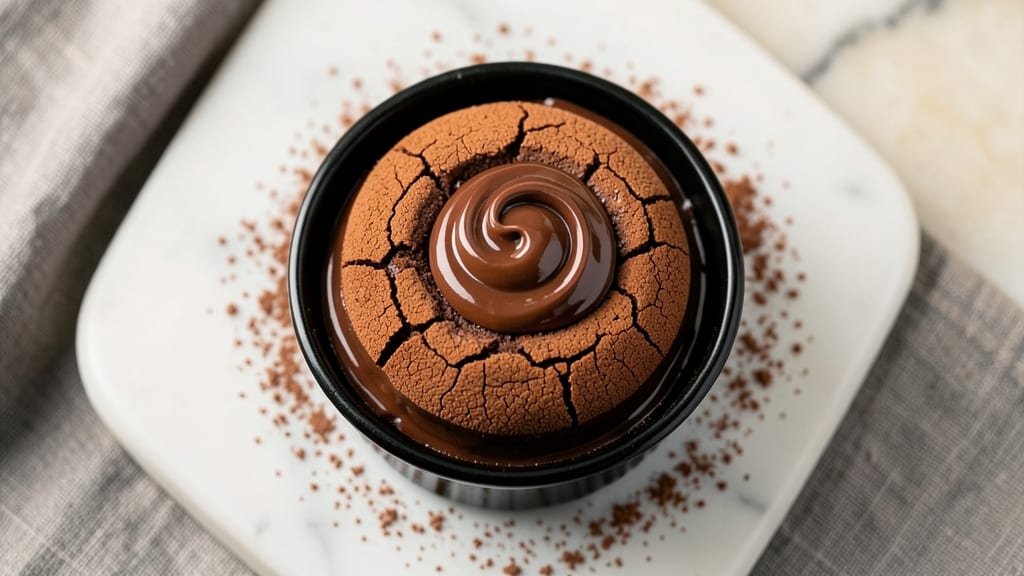
Mastering a basic chocolate fondant recipe with a perfect molten center is simpler than you think—this method guarantees a silky exterior and lava-like interior every time.
The secret lies in precise ingredient ratios and careful baking, ensuring that rich, dark chocolate transforms into a dessert that feels luxurious yet remains approachable for home bakers. I've perfected this technique after years of testing, and the results are always impressive.
This recipe delivers on three key promises: a crisp, caramelized exterior that contrasts beautifully with a gooey, molten chocolate core—the defining characteristic of a true fondant.
The process requires just 15 minutes of prep and 10-12 minutes in the oven, making it ideal for impressing guests without spending hours in the kitchen. High-quality dark chocolate and proper egg incorporation are critical for achieving that signature texture.
What you'll end up with is a dessert that looks elegant yet feels indulgent—a warm, slightly cracked chocolate shell concealing a pool of liquid chocolate that melts at the slightest touch.
The contrast between the firm exterior and runny interior is what makes this dessert unforgettable. Serve immediately with a scoop of vanilla ice cream or fresh berries to enhance the experience.
This recipe scales perfectly for special occasions or weeknight treats, and the technique remains consistent whether you're baking one or six. The key to success is patience during baking—undercooking slightly ensures that molten center. Let's get started on creating your perfect chocolate fondant.
Ingredients for basic chocolate fondant
Quality chocolate, precise ratios, and patience create the perfect molten chocolate fondant.
| Ingredient | Amount | Notes |
|---|---|---|
| High-Quality Dark Chocolate (70% Cocoa) 🍫 | 7 oz | Valrhona or Callebaut preferred, chopped |
| Unsalted Butter 🧈 | ½ cup | Cold, cubed for even melting |
| Large Eggs 🥚 | 2 whole | Room temperature, separated |
| Granulated Sugar 🍚 | ½ cup | Fine grain for smooth batter |
| All-Purpose Flour 🌾 | ¼ cup | Sifted for light texture |
| Vanilla Extract 🌿 | 1 tsp | Pure Madagascar preferred |
| Diamond Crystal Kosher Salt 🧂 | ¼ tsp | Fine grain for balance |
| Powdered Sugar 🍚 | 2 tbsp | For dusting finished fondants |
| Vanilla Ice Cream 🍦 | 1 cup | Optional serving suggestion |
| Fresh Raspberries 🍓 | ¼ cup | For garnish, optional |
The chocolate is non-negotiable—Valrhona or Callebaut 70% cocoa delivers the ideal balance of richness and snap. Ghirardelli or Lindt, but avoid anything below 60% cocoa. Chop it yourself for even melting; pre-shredded chocolate contains anti-caking agents that alter texture. Butter should be cold and cubed—room temperature butter creates greasy fondants. For eggs, room temperature ensures even incorporation, preventing lumps. The sugar and flour are supporting players, but sifting the flour eliminates air pockets that could disrupt the molten core.
No high-quality chocolate? Use a mix of 60% and 70% cocoa, adjusting ratios to maintain 70% overall. Substitute butter with vegetable shortening for a firmer exterior, though texture will differ. Egg whites can be separated and whipped separately for extra volume, but whole eggs yield the classic fondant texture. For a dairy-free option, replace butter with coconut oil (solid at room temperature) and use dairy-free chocolate. The vanilla extract matters—imitation extracts lack the aromatic depth that complements the chocolate. Powdered sugar is purely decorative but adds professional flair when dusted over finished fondants.
Store unused chocolate in an airtight container at room temperature for up to 3 months or refrigerate for 6 months. Fondants must be served immediately after baking—the molten center begins solidifying within 2-3 minutes. For make-ahead prep, bake fondants slightly underdone, let cool completely, then reheat in a 350°F oven for 3-5 minutes before serving. The ice cream and berries should be prepped simultaneously, as fondants lose their appeal when served cold. A cooling rack prevents soggy bottoms from excess heat transfer.
Why You'll Love This Recipe
- Four-Ingredient Magic: The only tools you need are a bowl and a spoon. Melt the chocolate and butter together, mix in the eggs and sugar—no fancy gadgets, just pure simplicity. My kids can handle this while I pretend to supervise.
- Rich Without the Fuss: That 70% dark chocolate? It’s where the magic happens—deep, velvety, and just sweet enough. The eggs add a silky richness, while the flour keeps it tender. Honestly, it’s the kind of dessert that tastes like you spent hours over it.
- Weeknight Hero: Need something fast for date night or a last-minute dessert? These fondants bake in under 12 minutes. Pop them in the oven while you set the table—no waiting around. (Yes, even on a Tuesday night.)
- Budget-Friendly Indulgence: Uses pantry staples you already own, but feels like a splurge. A single batch feeds four, and leftovers reheat beautifully. Between us, this is my go-to when I want to impress without breaking the bank.
Step-by-step instructions for basic chocolate fondant
Mastering the art of fondant requires precision in technique and timing.
Melt the Chocolate and Butter for a Smooth Base
In a heatproof bowl set over a saucepan of simmering water, combine the 7 oz high-quality dark chocolate (70% cocoa) and the 0.5 cup unsalted butter. Stir gently until both are completely melted and smooth, creating a glossy ganache. Remove from heat immediately to prevent overheating, which can cause the chocolate to seize. Here's the thing—this step is critical. If you see any graininess, strain the mixture through a fine-mesh sieve to ensure a silky texture in your fondant.
Let the mixture cool slightly to 115°F—just warm enough to temper the eggs later without cooking them. The chocolate should be thick but still pourable. If it sets too quickly, place the bowl back over warm (not boiling) water for 30 seconds to restore workability. This balance of temperature ensures the fondant will set properly in the oven without spreading or cracking.
Whisk Eggs and Sugar to Ribbon Stage
In a separate bowl, whisk the 2 whole large eggs and the 0.5 cup granulated sugar over a double boiler until the mixture reaches 115°F and forms soft ribbons when the whisk is lifted. This temperature is non-negotiable—too low, and the fondant won't set; too high, and the eggs will scramble. I like to use a candy thermometer for accuracy, but if you're eyeballing it, the mixture should look like thick custard with a slight sheen.
Add the 1 tsp vanilla extract and 0.25 tsp diamond crystal kosher salt to the egg mixture. Fold in the 0.25 cup all-purpose flour using a spatula until just combined—no need to overmix. The batter should be smooth, glossy, and thick enough to hold its shape when dropped from a spoon. If it's too thin, let it rest for 5 minutes to thicken slightly before proceeding. This resting period allows the flour to hydrate fully, preventing a dense or dry fondant.
Combine Mixtures and Prepare for Baking
Gently fold the cooled chocolate mixture into the egg batter in three additions, mixing just until fully incorporated after each addition. The goal is to maintain as much air as possible—overmixing now will deflate the fondant later. Pour the batter into four 4-ounce ramekins, filling them about ¾ full. Tap the ramekins gently on the counter to release any air bubbles trapped in the batter. This ensures a smooth top and prevents sinking in the center.
Chill the ramekins in the refrigerator for 30 minutes to firm up the batter slightly. This step is often skipped, but I’ve found it makes a noticeable difference in texture. The fondants will hold their shape better in the oven and develop a firmer crust, which is essential for that signature molten center. Preheat your oven to 425°F while the batter chills—this high temperature is key to creating the contrast between the crisp exterior and gooey interior.
Bake to Perfection with Precision Timing
Bake the fondants for 10-12 minutes—they should look set on the outside but still slightly underdone in the center. The edges should be deep golden brown, and the tops should have a crackly crust. Real talk: Don’t overbake. The fondant will continue cooking as it rests, and you want that molten core to remain liquid when served. If you're unsure, cut one open immediately after baking—it should be just firm enough to hold its shape but still ooze chocolate in the center.
Let the fondants rest for 2 minutes before serving. This brief rest allows the heat to distribute evenly, ensuring the center remains molten while the exterior stays crisp. Dust the tops with 2 tbsp powdered sugar for a professional finish. Serve immediately with 1 cup vanilla ice cream and a sprinkle of 0.25 cup fresh raspberries for a bright contrast to the rich chocolate. The raspberries add a tartness that cuts through the sweetness, balancing the flavors perfectly.
Pro Tips For Making Basic Chocolate Fondant
- Temper Your Chocolate: Chop that 70% dark chocolate into tiny even pieces—no bigger than a pea—before melting it with butter. I learned this the hard way: big chunks sit like rocks in the batter, and your fondants end up with weird, unmelted pockets. Use a sharp knife and work in batches if needed; patience here saves you from gummy centers later.
- Whisk Eggs Like You Mean It: Beat those large eggs with sugar until the mixture is pale, thick, and ribbon-like—about 3-5 minutes with a hand mixer. I used to rush this, and my fondants turned out dense. The extra air lightens the texture, so don’t skip the arm workout. (Yes, even if you’re impatient like me.)
- Skip Overmixing the Batter: Fold in the flour just until combined—lumps are fine. Overmixing develops gluten, and your fondants will turn out tough instead of tender. I used to panic and stir like crazy, and my batches ended up chewy. Trust the process: a few streaks of flour are better than a stiff dough.
- Bake at 350°F, Not Higher: Preheat your oven to 350°F and bake those fondants for 10-12 minutes—no peeking! Higher heat = cracked tops or raw centers. I burned the first batch by cranking it to 375°F, thinking it’d speed things up. The crust sets fast, but the inside needs time to cook through. Pull them when edges are set but centers still jiggle slightly.
Perfect pairings for this dish
Wine Pairings
A bold Portuguese Ruby Port is my go-to pairing for chocolate fondant—its deep, fruity notes and slight sweetness complement the rich cocoa without overpowering it. The 16-18% alcohol content cuts through the fat, cleansing your palate between bites.
For a lighter option, try a dry Riesling from Germany or Austria, where its crisp acidity and hints of citrus balance the dessert's decadence. 🍷
Coffee Pairings
If you're serving fondant as a dessert course, a medium-roast coffee with notes of dark chocolate and caramel enhances the experience. I recommend a 75-mg caffeine Ethiopian Yirgacheffe—its floral and fruity undertones create a harmonious contrast.
For an after-dinner option, a small espresso with a splash of vanilla syrup mirrors the dessert's flavors while providing a caffeine boost. ☕
Ice Cream Variations
While vanilla ice cream is classic, try hazelnut or salted caramel flavors for deeper complexity. The nutty richness of hazelnut pairs beautifully with chocolate, while salted caramel adds a sweet-salty contrast. For a lighter option, serve with coconut sorbet—the tartness cuts through the richness, balancing the dessert. 🍦
Fresh Fruit Contrasts
Fresh raspberries or blackberries add a bright, tangy contrast to the rich chocolate. The acidity in the berries cuts through the fondant's sweetness, creating a perfect balance.
For a tropical twist, serve with passion fruit pulp or mango slices, which add a vibrant, fruity note that elevates the dessert. 🍓
Spiced Liqueur Drizzle
Drizzle the fondant with a few drops of orange liqueur (Cointreau) or frangelico before serving for an aromatic boost. The citrus notes in Cointreau brighten the chocolate, while the hazelnut flavor in frangelico adds depth. A light dusting of cinnamon or cocoa powder enhances the spiced flavors. ✨
Cheese Pairings
For a savory-sweet contrast, serve fondant with aged Gouda or blue cheese crumbles. The salty, tangy notes of the cheese cut through the sweetness, creating a sophisticated pairing. A small wedge of brie or camembert also works well, especially if warmed slightly to enhance its creaminess. 🧀
Nutrition facts
Frequently asked questions
Why does my chocolate fondant turn out dry or dense?
Overmixing the batter or using too much flour are the most common causes. The recipe relies on gentle folding to maintain air pockets—mix just until combined. Also, ensure your chocolate is high-quality (70% cocoa) and properly melted to 115°F. If your batter feels too thick, let it rest for 5 minutes before baking to allow the flour to hydrate fully.
Can I make chocolate fondant ahead of time?
Fondants must be served immediately after baking for that signature molten center. However, you can prepare the batter up to 24 hours ahead and refrigerate it. Bake just before serving—fondants lose their gooey magic within 2-3 minutes of coming out of the oven. For a make-ahead option, bake slightly underdone, cool completely, then reheat at 350°F for 3-5 minutes before serving.
What’s the secret to getting a perfect molten center?
Precision baking is key! Use a 425°F oven and bake for exactly 10-12 minutes—the exterior should be set but the center still slightly underdone. Avoid opening the oven door during baking, as temperature fluctuations can cause uneven cooking. Let fondants rest for 2 minutes after baking to set the exterior while keeping the center liquid.
Can I substitute white chocolate for dark chocolate?
White chocolate lacks the cocoa solids that give dark chocolate its structure and snap, so it won’t work for this recipe. For a lighter fondant, try a mix of 60% and 70% dark chocolate (adjust ratios to maintain 70% cocoa overall). If you love white chocolate, consider a vanilla or caramel fondant recipe instead—those flavors complement its creaminess better.
How do I fix fondants that spread too much in the oven?
Overfilling ramekins or using room-temperature butter are usually to blame. Fill ramekins only ¾ full and chill the batter for 30 minutes before baking to firm it up. For extra insurance, place ramekins on a baking sheet lined with parchment paper to catch any overflow. If your oven runs hot, reduce the temperature to 400°F and check at 8 minutes.