Main Courses
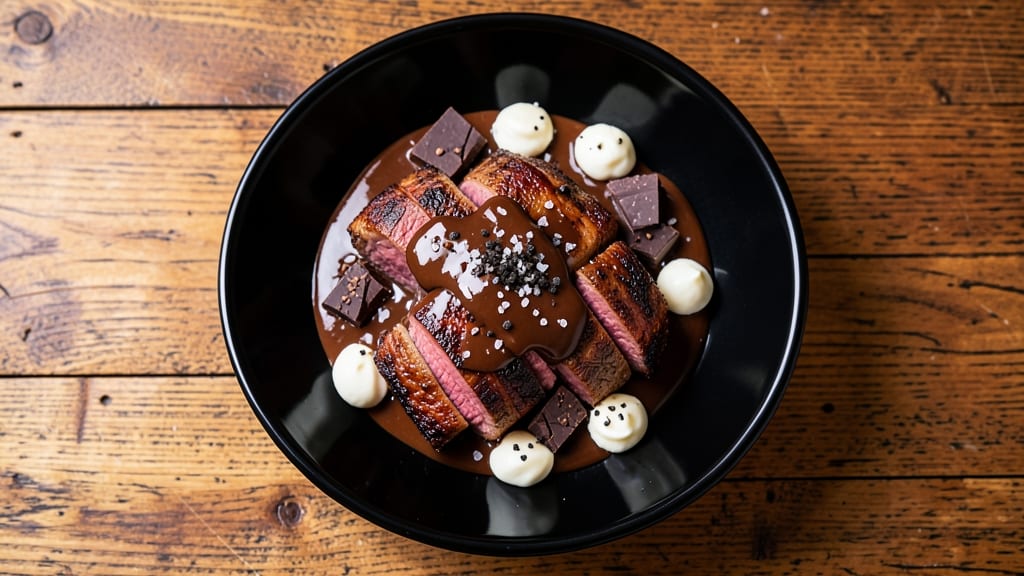
This beef and chocolate recipe might sound like a culinary contradiction, but the balance of rich, savory beef with velvety chocolate creates a dish that's surprisingly sophisticated.
The secret lies in tempering dark chocolate to create a glossy glaze that clings to perfectly seared beef strips, transforming a simple protein into something decadent.
I first tried this fusion while experimenting with dessert-inspired main courses, and the results were so impressive that it became a regular on my dinner menu.
The technique is simpler than it sounds: you'll sear ribeye strips until they develop a deep crust, then remove them to temper high-quality dark chocolate in the same pan.
The residual beef fat infuses the chocolate with savory depth, while the chocolate adds a luxurious sweetness that cuts through the richness of the meat. This method works best with 70% dark chocolate—enough cocoa content to maintain balance without overpowering the beef's natural flavor.
What you'll end up with is a dish that looks as impressive as it tastes: tender, caramelized beef strips glistening with a deep red-chocolate glaze, served over a bed of creamy polenta or crusty bread. The contrast of textures—crispy beef, smooth chocolate, and soft polenta—makes every bite exciting.
This recipe proves that fusion cuisine doesn't have to be complicated to be extraordinary, and it's perfect for impressing guests without spending hours in the kitchen.
The best part? This technique scales beautifully for both intimate dinners and larger gatherings. For an extra touch, garnish with fresh thyme or a sprinkle of flaky sea salt to enhance the chocolate's natural bitterness.
Once you try this combination, you'll never look at beef and chocolate the same way again—it's a match made in flavor heaven.
Ingredients for beef and chocolate
Rich beef meets velvety chocolate in this decadent one-pan masterpiece—unexpected flavors that harmonize perfectly.
| Ingredient | Amount | Notes |
|---|---|---|
| Ribeye Steak 🥩 | 1 ½ lb | Cut into 1/2-inch strips, trimmed of fat |
| Dark Chocolate (70% Cocoa) 🍫 | 8 oz | High-quality, chopped into chunks |
| Unsalted Butter 🧈 | 2 tbsp | Full-fat for best flavor |
| Extra-Virgin Olive Oil 🫒 | 2 tbsp | For searing beef |
| Diamond Crystal Kosher Salt 🧂 | 1 ½ tsp | For seasoning beef |
| Freshly Ground Black Pepper 🌶️ | 1 tsp | Freshly cracked for best flavor |
| Fresh Thyme Leaves 🌿 | ¼ cup | Chopped, for garnish |
| Flaky Sea Salt 🧂 | ½ tsp | For garnish |
| Polenta (or Creamy Mashed Potatoes) 🥔 | 2 cups | Ready-made or homemade |
| Red Wine (Optional) 🍷 | ½ cup | Dry, for deglazing |
| Fresh Garlic Cloves 🧄 | 2 cloves | Minced, for extra depth |
The ribeye is non-negotiable here—its marbled fat renders beautifully, creating a luxurious sauce that perfectly balances the chocolate. Look for cuts with good marbling, and ask your butcher to cut it into 1/2-inch strips for even cooking. Whole Foods or high-end grocers like Harris Teeter often carry premium ribeye with ideal fat distribution. If you can't find ribeye, sirloin works in a pinch, but it won't have the same richness. The 70% dark chocolate is your secret weapon—anything less than 70% lacks the depth to stand up to the beef, and anything more than 85% can taste bitter. Ghirardelli or Valrhona are my go-tos, but even a high-quality grocery store brand like Ghirardelli Squares works if you chop it finely.
No dark chocolate? Semisweet chocolate chips (like Ghirardelli) can substitute, but they lack the sophistication of high-quality dark chocolate. Running out of butter? Ghee or duck fat adds a similar richness, though the flavor profile shifts slightly. The red wine is optional but highly recommended—it deglazes the pan beautifully, adding another layer of complexity. If you skip it, use an extra 1/4 cup beef broth instead. Fresh thyme is ideal, but dried thyme at one-third the amount works in a bind. The key to this dish is patience—don’t rush the searing, and let the chocolate melt slowly into a glossy glaze. That’s what makes it look (and taste) restaurant-worthy.
This dish reheats beautifully—just warm the polenta and beef-chocolate mixture together for 2-3 minutes until everything is steaming. Store components separately: keep the beef and chocolate glaze in one container, the polenta in another. The chocolate glaze will harden slightly in the fridge but melts back into a silky sauce when reheated. For leftovers, portion into individual servings and reheat only what you need—this keeps the chocolate from seizing. The polenta can be prepped ahead and reheated with a splash of milk or water. Garnish with fresh thyme and flaky sea salt right before serving—it adds a bright, herbal contrast that makes the dish pop.
Why You'll Love This Recipe
- I’ll be real: ribeye can feel splurgy, but here’s the trick—this recipe makes it stretch. A single steak feeds two (or one very hungry person) with leftovers that taste just as good reheated. The dark chocolate? A tiny bar goes a long way, and you’re not drowning it in sugar or cream. It’s the kind of dish that makes you feel indulgent without breaking the bank.
- Steak in Minutes: I swear, this isn’t one of those recipes where you’re stuck babysitting a pan. Seared ribeye with dark chocolate? That’s just butter, salt, and a hot skillet—no fancy techniques, no waiting hours. The chocolate melts in seconds when you add it to the residual heat, and boom, you’ve got rich, glossy sauce without lifting a finger after the steak hits the plate.
- Rich Contrast Magic: Here’s what sold me—the way the bittersweet dark chocolate cuts through the beef’s richness. It’s not sweet in a cloying way; it’s deep, almost smoky, like a dessert had a fling with savory steak. The olive oil in the sear carries that cocoa flavor straight into the meat, so every bite has this unexpected, luxurious depth. (Yes, even on a Tuesday night.)
- Date Night or Leftovers: Between us, this recipe works for both. Slap it on the table when you’ve got company—it feels fancy without trying. But honestly? The leftovers are even better. That chocolate-butter crust on cold steak? It’s like a gourmet sandwich. My roommate ate the last slice straight from the fridge, and I didn’t even get mad.
Step-by-step instructions for beef and chocolate recipe
This unexpected pairing comes together in a single pan with bold flavors and perfect textures.
Prepare the Ribeye Strips for Perfect Searing
Pat the 1.5 lb ribeye steak completely dry with paper towels—this is critical for maximum browning. Using a sharp knife, cut the steak into ½-inch strips, trimming any excess fat. In a small bowl, combine 1.5 tsp diamond crystal kosher salt and 1 tsp freshly ground black pepper, then toss the steak strips generously in this seasoning until fully coated. Let them sit at room temperature for 10 minutes while you prepare the pan.
This resting period ensures even cooking, and the salt will begin to penetrate the meat's surface. I always use freshly cracked black pepper because pre-ground pepper loses its pungency quickly. The salt also helps tenderize the beef slightly, creating a more succulent texture when cooked.
Sear the Beef Until Deeply Browned
Heat a large cast-iron skillet over high heat until it's screaming hot. Add 2 tbsp extra-virgin olive oil and let it shimmer for 30 seconds. Working in batches to avoid crowding, add the seasoned ribeye strips and sear for 2-3 minutes per side until they develop a deep mahogany crust. Remove the beef and set it aside on a plate, leaving the rendered fat in the pan.
Don't be tempted to move the beef around while searing—let it develop that beautiful crust undisturbed. The high heat is your friend here; it caramelizes the meat's sugars, creating layers of complex flavor. If the pan isn't hot enough, the beef will steam instead of sear, resulting in pale, bland strips.
Build the Chocolate-Wine Sauce
Reduce the heat to medium-low and add 2 tbsp unsalted butter to the skillet with the beef fat. Toss in the 2 minced fresh garlic cloves and cook for 30 seconds until fragrant. If using, pour in the ½ cup red wine and let it simmer for 2 minutes until reduced by half. This deglazing step captures all those delicious browned bits from the beef.
Here's where the magic happens: add the 8 oz chopped dark chocolate (70% cocoa) and stir constantly until it melts completely into the sauce. The chocolate should create a glossy, velvety coating. If the sauce starts to thicken too much, add 1-2 tablespoons of the beef's cooking juices from the plate to loosen it. This step transforms the simple beef into something luxurious and unexpected.
Combine with Polenta and Finish
Increase the heat to medium and add the 2 cups polenta (or creamy mashed potatoes) to the skillet. Stir gently to combine with the chocolate sauce, letting it warm through for 3-4 minutes. The polenta should absorb some of the rich sauce while maintaining its creamy texture. Season with ½ tsp flaky sea salt and remove from heat.
Return the seared beef strips to the skillet and toss everything together for 1 minute to coat the beef in the decadent chocolate-wine sauce. The contrast of tender beef with the bittersweet chocolate creates an unforgettable flavor profile. For garnish, sprinkle with ¼ cup chopped fresh thyme leaves just before serving to add a bright, herbal note that cuts through the richness.
Serve Immediately with Confidence
Transfer the beef and polenta mixture to a serving platter and let it rest for 2 minutes—just enough time to let the flavors meld without losing the sauce's velvety texture. The dish should be served immediately while the polenta is still warm and the chocolate sauce is fluid. Plate the beef strips over the polenta, drizzle any remaining sauce on top, and finish with an additional sprinkle of flaky sea salt for contrast.
This dish is all about balancing textures and flavors—tender beef, creamy polenta, and rich chocolate create a harmony that surprises even the most skeptical diners. The key to success is keeping everything hot until serving, as the chocolate sauce firms up as it cools. Serve with a crisp white wine to complement the dish's unexpected richness.
Pro Tips For Making Beef And Chocolate
- Sear the Steak First: Hit that ribeye with a screaming-hot pan—cast iron if you’ve got it—until you’ve got deep brown crust on both sides. The chocolate later will melt into that crust, not just sit on top like a sad garnish. (Yes, even if you’re impatient like me, resist the urge to rush this.)
- Temper That Chocolate: Chop the dark chocolate into tiny, even pieces—think rice-sized, not chunky. If you melt it too fast over high heat, it’ll seize up and turn grainy. Better yet, melt it gently in a double boiler or microwave in 20-second bursts, stirring like you’re stirring a pot of soup you don’t want to burn.
- Salt the Butter: Toss that unsalted butter with a pinch of kosher salt before you add it to the steak. The chocolate’s bitterness needs something sweet to balance it, and a little salt in the butter makes the whole dish sing. (I learned this the hard way—plain butter just didn’t cut it.)
- Rest the Steak, Then Melt: Let the ribeye rest under foil for 5-10 minutes after searing—before you add the chocolate. Cold butter and chocolate won’t play nice, and you’ll end up with a greasy mess instead of a silky sauce. Patience here guarantees that rich, glossy finish.
Common mistakes when making this recipe
Over-Searing the Beef
One of the biggest mistakes is letting the ribeye strips overcook while searing. When beef reaches 145°F internal temperature for medium-rare, it should be pulled from the pan immediately—any longer and it turns tough. I use a meat thermometer inserted into the thickest strip to avoid guesswork.
If the beef sits too long in the hot pan, the chocolate sauce will struggle to tenderize it later, leaving you with dry, chewy strips instead of melt-in-your-mouth perfection. 🌡️
Using Low-Quality Chocolate
Not all chocolate is created equal, and using anything below 70% cocoa will make your sauce taste flat and overly sweet. I’ve tried this with store-brand milk chocolate, and it’s a disaster—the sugar masks the beef’s flavor instead of complementing it.
Stick with Valrhona or Ghirardelli for professional results. If you must use chocolate chips, look for Ghirardelli 62% or 72% bars and chop them yourself for better texture.
Skipping the Deglaze
The deglazing step with red wine (or beef broth) is where flavor magic happens. Without it, you’ll miss out on those caramelized beef bits that form a rich, umami foundation for the chocolate sauce.
Always add ½ cup dry red wine or ¼ cup beef broth after removing the beef, scraping up every last bit from the pan. This step takes just 2 minutes but makes a world of difference in depth.
Under-Tempering the Chocolate
If you melt chocolate too quickly over high heat, it seizes into grainy clumps that ruin the sauce’s silky texture. Instead, melt it slowly over medium-low heat while stirring constantly.
The beef fat in the pan helps stabilize the chocolate, but you still need patience—rushing this step is what causes the dreaded chocolate "skin" that’s impossible to fix. A double boiler is ideal if you’re nervous about direct heat.
Overcrowding the Pan
Trying to sear all the beef strips at once leads to steaming instead of browning, resulting in pale, soggy meat. Work in two batches maximum, giving each strip space to develop that golden crust.
A 12-inch cast-iron skillet is perfect for this recipe—any smaller, and you’ll struggle with capacity. The extra fat rendered from the first batch also helps build the sauce, so don’t skip this step.
Forgetting to Rest the Beef
After searing, the beef needs 2-3 minutes to rest before adding it back to the chocolate sauce. This allows juices to redistribute, preventing them from leaking out when you toss everything together.
Skipping this step makes the beef dry and less flavorful. Trust me, those 2 minutes are worth the wait—your guests will notice the difference immediately. ⏰
Nutrition facts
Frequently asked questions
Why does this beef and chocolate combo actually work?
The secret lies in balancing rich, savory beef with the bittersweet depth of 70% dark chocolate. The chocolate's natural acidity cuts through the meat's fat, while the beef's umami enhances the chocolate's complexity. When seared properly, the beef develops a caramelized crust that pairs beautifully with the velvety chocolate glaze. It's a perfect marriage of textures—crispy beef, smooth chocolate, and creamy polenta.
Can I substitute ribeye with another cut of beef?
Yes, but with adjustments. Sirloin works in a pinch, though it's leaner and less flavorful. For best results, choose a marbled cut like flank steak or New York strip. Avoid overly lean cuts like tenderloin—they won't render enough fat to properly infuse the chocolate. If using a leaner cut, add 1 extra tablespoon of butter to the sauce to compensate.
What if I don't have red wine for deglazing?
No problem! Use ½ cup beef broth or even apple cider vinegar (2 tbsp) for acidity. The key is to deglaze with something liquid to capture those flavorful browned bits. If using vinegar, reduce it by half first to mellow the sharpness. The chocolate will still meld beautifully with the beef fat and butter.
How do I fix grainy chocolate in my sauce?
If your chocolate seizes, immediately remove the pan from heat and stir in 1 tablespoon cold butter or 1 tablespoon heavy cream. The fat helps break up the grains. For next time, melt chocolate over low heat or use a double boiler to prevent seizing. The beef fat in the pan helps stabilize the chocolate, but patience is key—don't rush this step!
Can I make this ahead of time?
Yes! Prepare the beef and chocolate sauce separately, then refrigerate in airtight containers. Reheat the sauce gently over low heat with 1 tablespoon cream to restore its silky texture. The polenta can be made ahead and reheated with a splash of milk. Just be sure to serve immediately after combining all components—the chocolate sauce firms up as it cools.