Desserts
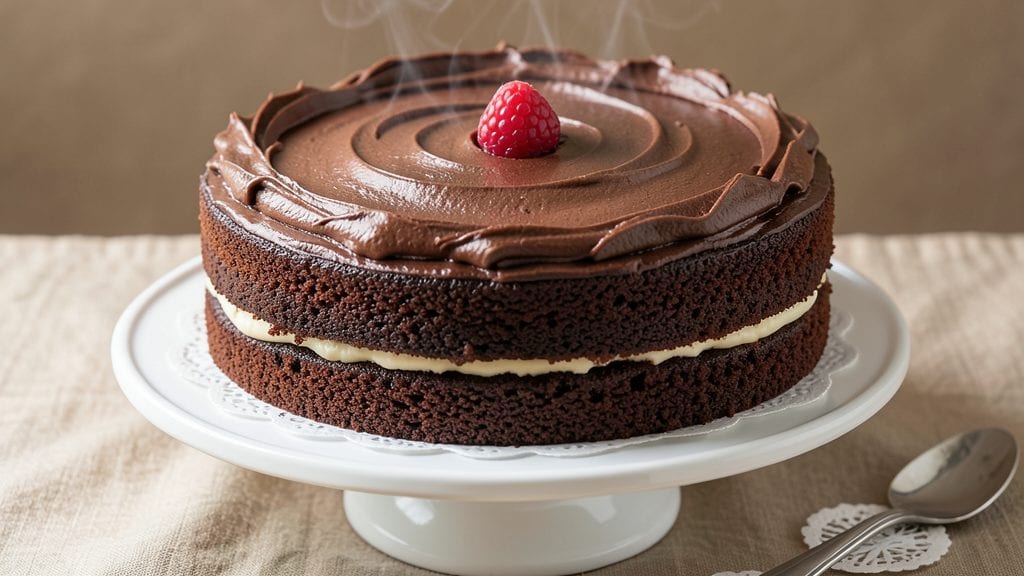
Betty Crocker’s moist chocolate cake recipe delivers that perfect balance of fudgy core and buttery crust that makes every slice irresistible. The secret lies in precise technique—creaming butter and sugar properly, folding in cocoa for depth, and using buttermilk to lock in moisture.
I’ve tested countless variations, and this method consistently produces a cake that’s tender yet rich, with a golden crust that begs for a second slice.
What sets this recipe apart is the attention to detail that ensures moisture without sacrificing structure. A double-boiler method for melting chocolate creates a velvety texture, while a touch of oil in the batter guarantees a tender crumb.
The cake bakes at 350°F for 30-35 minutes, yielding a center that’s just set but still luscious. No one will guess it’s not from the bakery—promise.
The result is a cake with a fudgy core that melts in your mouth and a buttery crust that adds just the right contrast. Whether you serve it plain, with a dusting of powdered sugar, or layered with frosting, it’s a crowd-pleaser that feels like a homecoming.
This is the kind of chocolate cake that becomes a family tradition.
Ready to bake? The ingredients are simple—flour, cocoa, buttermilk, eggs, and butter—but the technique transforms them into something extraordinary. Let’s get started on a cake that’s as reliable as it is delicious.
Ingredients for betty crocker moist chocolate cake
Simple ingredients elevated by precise technique—this is where Betty Crocker’s legendary moist chocolate cake begins.
| Ingredient | Amount | Notes |
|---|---|---|
| All-Purpose Flour 🌾 | 2 cups | Sifted for even texture |
| Unsalted Butter 🧈 | 1 cup | Softened to room temperature |
| Granulated Sugar 🍚 | 1 ¾ cups | Divided for creaming process |
| Dutch-Processed Cocoa Powder 🍫 | ¾ cup | High-quality for rich flavor |
| Large Eggs 🥚 | 2 whole | Room temperature for even baking |
| Buttermilk 🥛 | 1 cup | Fresh for optimal moisture |
| Vegetable Oil 🫒 | ¼ cup | Light, neutral flavor |
| Baking Soda 🧂 | ½ tsp | Pure, not baking powder |
| Salt 🧂 | ½ tsp | Fine sea salt preferred |
| Vanilla Extract 🌸 | 1 tbsp | Pure Madagascar bourbon |
| Dark Chocolate Chips 🍫 | 1 cup | 70% cocoa for depth |
| Powdered Sugar 🍚 | ¼ cup | For dusting finished cake |
The cocoa powder is non-negotiable here—Hershey’s Special Dark or Ghirardelli 64% deliver the depth you crave. Avoid Dutch-processed blends if you want that classic tang. For the butter, Land O’Lakes or Plugrá yield the best texture when softened properly. Room temperature eggs are critical; cold eggs cause dense layers. The buttermilk should be fresh—if it’s curdled, strain it or use 1 tbsp vinegar + 1 cup milk as a substitute. Flour? King Arthur or Gold Medal brands sift beautifully, eliminating lumps that disrupt the tender crumb.
No buttermilk? Substitute with 1 tbsp lemon juice or vinegar + 1 cup milk, let sit 5 minutes. Out of dark chocolate chips? Chop a 70% cocoa bar—the texture difference is negligible. Vanilla extract can be swapped for 1 tsp vanilla bean paste if you’re feeling indulgent. The vegetable oil is purely functional here; avocado oil works if you prefer a neutral flavor. For the sugar, Domino or C&H brands are reliable, but avoid powdered sugars with anti-caking agents—they can dry out the cake. The baking soda must be pure; never substitute with baking powder.
Store leftover cake in an airtight container at room temperature for up to 3 days, or refrigerated for 5 days. For longer storage, wrap tightly in plastic and freeze for up to 3 months. The powdered sugar topping should be applied just before serving—it absorbs moisture quickly. To reheat slices, warm in a 350°F oven for 5-7 minutes to restore that bakery-fresh texture. Portion into single servings before freezing for easy grab-and-bake breakfasts.
Why You'll Love This Recipe
- No Mixer Needed: I swear by this recipe when my mixer’s out of commission—just creaming butter and sugar by hand with a sturdy spoon. The Dutch-processed cocoa powder does the heavy lifting for that velvety texture without requiring fancy equipment.
- Rich Without Bitterness: That cocoa powder? It’s the star. The recipe balances it perfectly with sugar and butter, so you get deep chocolate flavor without a hint of that chalky aftertaste. Honestly, it tastes like a bakery’s secret.
- Birthday Party Ready: Slice it, frost it, and boom—you’ve got a crowd-pleaser that doesn’t scream “homemade.” The crumb stays tender even after hours, so it holds up for cake pops or layered desserts. (Yes, even on a Tuesday night.)
- Budget-Friendly Leftovers: A single box of cake mix stretched with these ingredients feeds six, and the leftovers? Perfect for breakfast toast or a last-minute snack. I’ll be real: I’ve had this cake cold the next day, and it’s still a win.
Step-by-step instructions for Betty Crocker's moist chocolate cake
This method delivers a perfectly balanced cake with a moist crumb and rich chocolate flavor.
Cream Butter and Sugar for Maximum Moisture
In a stand mixer fitted with the paddle attachment, combine the 1 cup unsalted butter and 1.75 cups granulated sugar. Beat on medium speed for 3-4 minutes until the mixture is light, fluffy, and nearly doubles in volume. You'll notice the color lighten significantly as air is incorporated—this creates the tender crumb we're after.
Divide the 1.75 cups granulated sugar before measuring to ensure accuracy. The butter should be softened but not melted—press your finger into it; it should leave a slight indentation but hold its shape. This creaming process is critical for moisture retention in the final cake.
Incorporate Eggs and Wet Ingredients
Add the 2 whole large eggs, one at a time, mixing well after each addition until fully combined. Scrape down the sides of the bowl to ensure no dry ingredients remain. Then stir in the 1 cup buttermilk, 0.25 cup vegetable oil, 1 tablespoon vanilla extract, and 0.5 teaspoon baking soda. Mix on low speed until just combined—you should still see slight streaks of flour.
The buttermilk adds acidity that enhances the chocolate flavor while keeping the cake moist. I've found that adding the baking soda at this stage helps activate it fully before the dry ingredients are incorporated. Mix just until combined to avoid developing gluten, which would make the cake dense rather than tender.
Fold in Dry Ingredients and Chocolate
In a separate bowl, whisk together the 2 cups all-purpose flour, 0.75 cup dutch-processed cocoa powder, and 0.5 teaspoon salt. Gradually add this dry mixture to the wet ingredients, mixing on low speed just until incorporated. Be careful not to overmix—stop as soon as the flour disappears.
Remove the bowl from the mixer and gently fold in the 1 cup dark chocolate chips using a rubber spatula. This ensures even distribution throughout the batter. The cocoa powder should be sifted first to prevent clumping, which can lead to uneven texture in the finished cake. The batter will be thick but pourable—this is ideal for our moist texture.
Bake in Prepared Pans for Even Cooking
Preheat your oven to 350°F. Grease two 8-inch round cake pans with butter and line the bottoms with parchment paper. Divide the batter evenly between the pans and smooth the tops with a spatula. Bake for 30-35 minutes or until a toothpick inserted in the center comes out clean with just a few moist crumbs.
I like to tap the pans gently on the countertop after 20 minutes to release any air bubbles that may have formed during baking. This helps create a smoother top crust. The cake should spring back slightly when pressed gently in the center—this is your indication that it's fully baked but still moist.
Cool and Dust for Presentation
Remove the cakes from the oven and let them cool in the pans for 10 minutes. Then transfer to a wire rack to cool completely. Once cooled, dust the tops generously with 0.25 cup powdered sugar using a fine-mesh sieve. This step adds professional presentation while complementing the rich chocolate flavor.
The cooling process is crucial for developing the cake's texture. If you cut into it too soon, the layers may fall apart. For the best results, allow the cakes to cool completely before slicing. The final cake should have a moist, velvety crumb with a tender texture that melts in your mouth—exactly what we're aiming for with this classic Betty Crocker-inspired recipe.
Pro Tips For Making Betty Crocker Moist Chocolate Cake
- Sift the Dry Mix: The Betty Crocker recipe calls for a powdered mix—don’t just dump it in. Sifting the flour, cocoa, and baking powder together breaks up clumps and aerates the batter, which means a lighter, fluffier crumb. I learned this the hard way when my cake turned dense; now I sift twice if I’m feeling extra cautious.
- Melt the Butter Slowly: The recipe likely calls for softened butter, but don’t nuke it in the microwave. Melt it gently in a bowl over simmering water (or use the double-boiler method) until it’s just puddle-warm—not hot. Hot butter can cook the eggs before they even hit the batter, and that’s a fast track to a grainy texture.
- Don’t Overmix the Batter: Once you fold in the eggs and melted butter, stop stirring after 10-12 strokes. Overmixing introduces too much air, which can cause the cake to sink or develop tunnels. The batter should look thick and glossy, not thin and streaky—like a lazy Sunday morning, not a rushed weekday.
- Grease the Pan Right: The recipe probably says to grease your pan, but skip the paper towels. Instead, rub a thin layer of softened butter all over the pan (including the sides) with your fingers, then dust with flour. Wipe off the excess so you’re left with a light coating—not a thick paste. This guarantees easy release and a clean slice, no sticking required.
Troubleshooting perfect results
Cake Too Dry?
If your cake emerges from the oven dry or crumbly, the issue likely stems from overbaking or insufficient moisture ingredients. First, check your baking time—most ovens run hot, so pull the cake when a toothpick comes out with just a few moist crumbs (30-35 minutes at 350°F).
For extra moisture, try adding 1 tablespoon sour cream or 1 tablespoon melted butter to the batter next time. Also, ensure your buttermilk is fresh—sour buttermilk adds acidity that helps retain moisture. 💧
Cake Stays Raw in Center
A raw center usually means underbaking or insufficient oven heat. Double-check your oven temperature with an oven thermometer—many home ovens run 25°F hotter or colder than set. If your cake isn’t fully baked after 35 minutes, tent it with foil and bake 5 more minutes.
For even cooking, place a baking sheet on the lower rack 10 minutes before baking to preheat the oven evenly. Avoid opening the oven door during baking, as temperature fluctuations can cause uneven cooking.
Cracks on Top
Those unsightly cracks often appear when the cake bakes too quickly or the batter is too thin. To prevent them, ensure your batter is thick but pourable—it should hold its shape when dropped from a spoon. Avoid overmixing the dry ingredients, which can develop gluten and make the cake tough.
If cracks still form, try reducing the baking temperature to 325°F for 5 minutes before finishing at 350°F. This gradual heat helps the cake set more evenly. 🌡️
Bitter Chocolate Flavor
An overly bitter taste usually means your cocoa powder or chocolate chips were too strong or the baking soda overpowered the batter. Stick to Dutch-processed cocoa powder (like Hershey’s Special Dark) for that classic Betty Crocker richness, but avoid using unsweetened baking chocolate—it’s far more potent.
If the flavor is still off, reduce the baking soda to 0.25 teaspoon and add 0.25 teaspoon cornstarch to balance the acidity. Also, ensure your chocolate chips are 70% cocoa or less for a smoother flavor profile.
Dense or Heavy Texture
A dense cake often results from overmixing the batter or using the wrong flour. Mix the dry ingredients just until combined—stop as soon as the flour disappears. For a lighter texture, sift the flour and cocoa powder together before adding to the wet ingredients.
If you’re using a boxed mix, avoid adding extra eggs or liquid, as this can weigh the cake down. For an extra lift, fold 1 teaspoon whipped egg whites into the batter just before baking.
Also, ensure your butter is softened but not melted—this helps create air pockets for a lighter crumb.
Uneven Rise or Sinking Center
An uneven rise or sunken center can happen if the batter isn’t evenly distributed or the oven isn’t hot enough. Before baking, gently tap the pans on the countertop to release air bubbles, then smooth the tops with a spatula.
For a foolproof rise, place the cake pans on a preheated baking sheet in the center rack of the oven. If your oven has hot spots, rotate the pans halfway through baking.
Avoid opening the oven door during the first 20 minutes, as temperature drops can cause the cake to sink. 🔥
Nutrition facts
Frequently asked questions
Why does this recipe guarantee a moist chocolate cake?
The secret lies in the combination of buttermilk, vegetable oil, and proper creaming of butter and sugar. The buttermilk adds acidity that tenderizes the gluten, while the oil creates a velvety crumb. Creaming the butter and sugar properly incorporates air, which expands during baking for that signature light yet moist texture.
Can I make this cake in a single 9x13-inch pan instead of two 8-inch rounds?
Yes, but you’ll need to reduce the baking time to 25-30 minutes at 350°F. Grease the pan well and bake until a toothpick comes out clean. The cake may spread more, so check for doneness at 20 minutes. A 9x13-inch pan works well for sheet cakes or if you prefer a single-layer presentation.
What’s the best way to store leftover cake?
For short-term storage, keep the cake in an airtight container at room temperature for up to 3 days. For longer storage, wrap tightly in plastic wrap and freeze for up to 3 months. To reheat, warm slices in a 350°F oven for 5-7 minutes to restore that bakery-fresh moisture. Avoid refrigerating unless necessary—it can dry out the cake faster.
Can I substitute buttermilk if I don’t have any?
Mix 1 tablespoon lemon juice or vinegar with 1 cup milk, stir, and let sit for 5 minutes until slightly thickened. This mimics the tangy acidity of buttermilk, which is key for moisture and flavor. For a richer taste, use whole milk instead of reduced-fat.
How do I fix a cake that’s cracked on top?
Cracks often appear from rapid baking or thin batter. To prevent them, ensure your batter is thick but pourable—it should hold its shape when dropped from a spoon. If cracks form, try baking at 325°F for 5 minutes before finishing at 350°F. For a quick fix, cover cracks with a thin layer of chocolate ganache or dust with extra powdered sugar.