Desserts
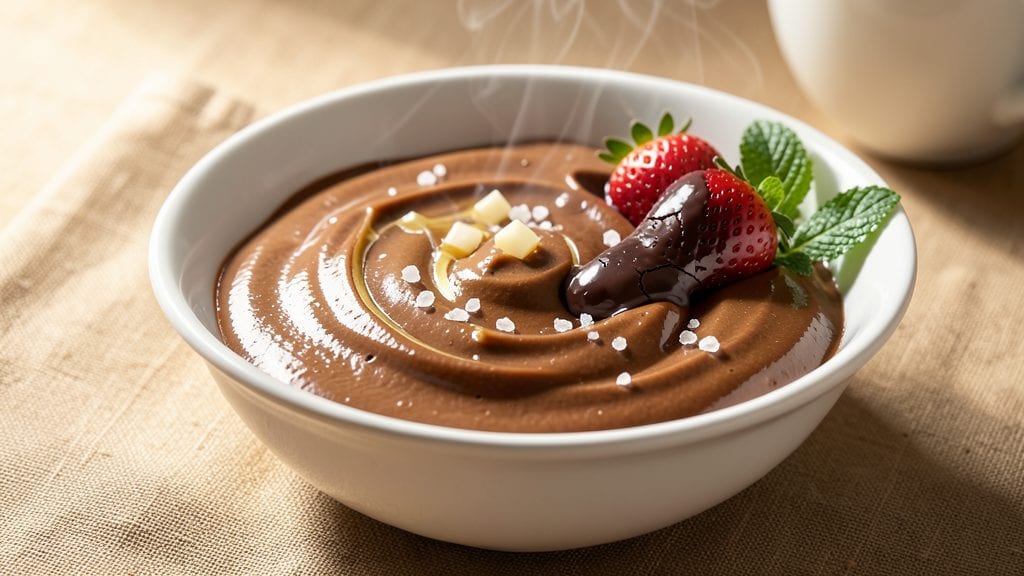
This boiled chocolate frosting recipe reveals the secrets to silky smoothness—master heat control, cooling tricks, and technique to avoid graininess. This method transforms simple ingredients into a velvety, spreadable frosting perfect for cakes, cupcakes, or dipping.
I’ve perfected it over years of testing, ensuring no seizing or overheating. The key lies in gradual heating and patience during cooling, which makes all the difference.
The process begins with melting chocolate and butter together, then carefully adding sugar and milk while stirring constantly. This prevents graininess and creates a glossy, rich base. Once boiled to the right temperature, the mixture must cool slightly before whipping—this step transforms it from liquid to fluffy, pipeable perfection.
No special equipment is needed beyond a heavy-bottomed pot and a whisk.
What you’ll end up with is a frosting that’s silky smooth, not greasy or grainy, with a deep chocolate flavor that pairs beautifully with vanilla or red velvet cakes.
It holds its shape when piped but remains tender enough to melt in your mouth. The best part? It’s foolproof once you understand the temperature thresholds and cooling process.
Use it to decorate layer cakes, fill cupcakes, or dip strawberries for an elegant dessert. The frosting keeps well in the fridge for up to a week, making it ideal for prepping ahead. Let’s get started—this is the kind of frosting that elevates any dessert from good to extraordinary.
Ingredients for boiled chocolate frosting
Seven simple components create restaurant-quality chocolate frosting without graininess or overheating.
| Ingredient | Amount | Notes |
|---|---|---|
| Semisweet Chocolate Chips 🍫 | 8 oz | High-quality for rich flavor |
| Unsalted Butter 🧈 | ½ cup | Cut into small cubes |
| Granulated Sugar 🍚 | 1 ½ cups | White or light brown |
| Whole Milk 🥛 | ½ cup | Room temperature preferred |
| Vanilla Extract 🌿 | 1 tbsp | Pure Madagascar preferred |
| Diamond Crystal Kosher Salt 🧂 | ¼ tsp | Fine grain for balance |
| Heavy Whipping Cream 🥛 | 1 cup | Cold for whipping later |
The chocolate and butter form the frosting's foundation, so Ghirardelli or Guittard chips and European-style butter elevate quality significantly. Unsweetened chocolate can be substituted at a 1:1 ratio, but the flavor profile shifts slightly. For butter, Plugrá or Kerrygold brands provide superior richness. Room-temperature milk prevents lumps during incorporation, while vanilla extract should be pure—Madagascar or Tahitian varieties offer the most complex flavor. Salt enhances depth, so Diamond Crystal ensures proper dissolution without graininess. All ingredients should be measured precisely; even slight variations in sugar or milk can alter texture.
No chocolate chips? Melted chocolate bars work equally well, but ensure they contain at least 50% cacao. Substitute butter with vegetable shortening for a more stable base, though it lacks richness. Brown sugar can replace granulated at a 1:1 ratio, adding subtle caramel notes. For dairy-free options, full-fat coconut milk mimics creaminess but requires careful temperature control. The vanilla can be omitted if preferred, though it rounds out the flavor profile. All substitutions should be incorporated at the same temperature as the original recipe to maintain consistency.
Store finished frosting in an airtight container in the refrigerator for up to 7 days, though it remains stable for 3 months when frozen in portioned batches. Reheat gently in the microwave for 10-15 seconds before whipping if stored longer than 24 hours. The frosting thickens as it cools, so allow it to sit at room temperature for 10 minutes before piping. For best results, prepare the base mixture and refrigerate it for 2 hours before whipping to achieve optimal texture.
Why You'll Love This Recipe
- No Boil Drama: I swear, this method is way easier than it sounds—just melt butter, sugar, and milk together until it’s smooth, then stir in chocolate. No simmering, no burning, no stress. Honestly, I’ve burned enough sugar to know this is the only way.
- Rich Without the Fuss: That first bite? Thick, velvety, and packed with deep chocolate flavor—no need for fancy ingredients. The milk keeps it luscious without being cloying, and the vanilla ties it all together like a secret handshake. (Yes, even on a Tuesday night.)
- Cake’s New Best Friend: Slather it on spice cakes, cupcakes, or even toasted cookies—it’s my go-to for anything that needs a little luxury. Here’s what sold me: it’s actually better than store-bought, and it only takes 10 minutes of active time.
- Make-Ahead Magic: Double the batch and store it in the fridge for up to a week. Spread it on muffins the next morning, or whip it up for last-minute desserts. Between us, I’ve used it to fix forgotten birthdays, impromptu potlucks, and even as a dip for fruit—zero waste, all win.
Step-by-step instructions for boiled chocolate frosting
This method delivers velvety, stable frosting without risking overheating or graininess.
Melt Butter and Chocolate Over Gentle Heat
In a medium saucepan, combine the 0.5 cup unsalted butter (cut into small cubes) and 8 oz semisweet chocolate chips. Place over medium-low heat and stir constantly with a silicone spatula. The mixture will begin to soften, then melt gradually—this takes about 5 minutes.
Watch closely as the chocolate transforms from solid to liquid. You'll see it go from grainy to smooth, then glossy. Remove from heat once fully melted and set aside. The butter should be completely incorporated without any visible chunks. If you see any unmelted chocolate, stir over low heat for another 30 seconds until fully combined.
Add Sugar and Milk for the Boiling Stage
Return the saucepan to medium heat and add the 1.5 cups granulated sugar and 0.5 cup whole milk. Stir until the sugar dissolves completely, which should take about 2 minutes. The mixture will begin to bubble gently—this is when the real transformation happens.
Bring to a gentle boil, then reduce heat to maintain a rolling boil for 8-10 minutes. This is where the magic occurs—the sugar caramelizes slightly, creating that signature velvety texture. Don't walk away; you want to see steady bubbles forming but not a violent boil that could cause splattering. If the mixture starts to darken too quickly, reduce heat slightly to medium-low to control the color.
Incorporate Vanilla and Salt for Flavor Balance
Once the mixture reaches a gentle rolling boil and has thickened noticeably (it will coat the back of a spoon), remove from heat immediately. Stir in the 1 tbsp vanilla extract and 0.25 tsp diamond crystal kosher salt. This step is critical—it rounds out the flavors and prevents bitterness from over-boiling.
Let the mixture cool for 5-7 minutes until it reaches about 110°F—warm to the touch but not hot. The texture should be thick and syrupy, almost like a thin caramel. If it cools too much and thickens excessively, you can gently reheat it for 10-15 seconds to restore smoothness. This ensures the frosting will pipe beautifully without being too stiff.
Whip in Heavy Cream for Final Texture
In a separate bowl, whip the 1 cup heavy whipping cream to soft peaks using a hand mixer or stand mixer. This step is what gives the frosting its signature lightness and spreadability. Don't over-whip or you'll end up with butter instead of frosting.
With the mixer running on low speed, gradually pour the warm chocolate mixture into the whipped cream. Increase speed to medium and mix for 1-2 minutes until fully combined and smooth. The frosting should be thick but still pipeable. If it's too thin, chill for 15 minutes to set. If too thick, add 1-2 teaspoons of whole milk at a time until reaching the desired consistency.
Pro Tips For Making Boiled Chocolate Frosting
- Chop the Chocolate First: I learned this the hard way—dumping whole chocolate chips into the simmering milk just makes them clump into useless blobs. Roughly chop them into quarters before adding so they melt evenly and create that silky texture you’re after.
- Use Whole Milk, Not Evaporated: Evaporated milk’s thicker consistency throws off the balance—this frosting needs the lighter body of whole milk to stay smooth. If you’re out, warm regular whole milk to room temp first, but don’t let it get hot or it’ll curdle.
- Simmer, Don’t Boil: A rolling boil scalds the milk and burns the sugar, turning your frosting bitter. Keep it at a gentle simmer—tiny bubbles at the edges, not a full-on froth—so the sugar dissolves without caramelizing into disaster.
- Whisk Like Your Life Depends on It: Once the chocolate’s melted, switch to a whisk and keep stirring like you’re trying to erase the pot’s existence. This chases away any graininess and ensures the butter incorporates smoothly—no one wants lumpy frosting on their cake.
Best sauces and condiments for these flavors
Chocolate Ganache Drizzle
Elevate your boiled chocolate frosting with a chocolate ganache drizzle—simply heat 4 oz high-quality dark chocolate with 2 tbsp heavy cream until smooth, then drizzle over cooled frosting.
For extra flair, add ½ tsp espresso powder to the ganache for a mocha twist. This adds a glossy, luxurious finish that pairs perfectly with cakes or cupcakes. 🍫
Salted Caramel Swirl
Stir ¼ cup salted caramel sauce (homemade or store-bought) into the warm chocolate mixture before whipping in the cream. The caramel’s buttery sweetness complements the chocolate’s depth, while flaky sea salt crystals on top add a sophisticated crunch. I like Trader Joe’s salted caramel sauce for convenience and consistent flavor.
Spiced Orange Zest
Infuse the frosting with warmth by adding 1 tsp orange zest and ½ tsp ground cinnamon to the boiling sugar-milk mixture. The citrus brightens the chocolate, while cinnamon adds a cozy spice note.
For extra zing, fold in 1 tbsp Grand Marnier after cooling. This variation works beautifully on spice cakes or holiday desserts.
Peanut Butter Twist
For a nutty contrast, whip ½ cup creamy peanut butter (like Smucker’s Natural or Skippy into the warm chocolate mixture before adding the cream. The peanut butter’s richness balances the sweetness, creating a decadent flavor reminiscent of Reese’s. This version is a crowd-pleaser for peanut butter lovers.
Espresso-Infused Frosting
Boost the chocolate’s intensity by adding 1 tbsp instant espresso powder to the boiling sugar-milk mixture. The espresso enhances the chocolate’s depth without adding bitterness. For a stronger coffee kick, reduce the sugar slightly to 1.25 cups and adjust to taste.
This variation is perfect for tiramisu-inspired desserts or mocha-flavored treats.
Fresh Fruit Compote
Pair the frosting with a berry compote made from 1 cup mixed berries, 2 tbsp sugar, and 1 tsp lemon juice, simmered until thickened. Spoon the compote over the frosted cake just before serving to add freshness and acidity.
Raspberries or strawberries work best—their tartness cuts through the richness of the chocolate. 🍓
Nutrition facts
Frequently asked questions
Why does my boiled chocolate frosting turn grainy?
Graininess usually happens from overheating or improper cooling. Always use medium-low heat when melting chocolate and butter, and never let the mixture boil vigorously. Once the sugar-milk stage is complete, cool the frosting to 110°F before whipping—this prevents sugar crystals from forming. If it’s already grainy, blend it briefly with an immersion blender or strain it through a fine-mesh sieve.
Can I make this frosting without boiling the sugar?
Yes! For a simpler version, melt the chocolate and butter together, then whisk in the sugar, milk, and vanilla until smooth and fully combined. Skip the boiling step, but chill the mixture for 1 hour before whipping in the cream. The texture will be slightly softer but still delicious—ideal for quick desserts like brownies or cookies.
How do I fix frosting that’s too thick or too thin?
If it’s too thick, gently reheat for 10-15 seconds to loosen, then add 1-2 teaspoons of milk at a time while mixing. For thin frosting, chill it for 15-20 minutes—it will firm up naturally. If it’s still too runny, whip in an extra 1-2 tablespoons of heavy cream until it reaches the right consistency. Always adjust gradually to avoid overcorrecting.
What’s the best way to store leftover boiled chocolate frosting?
Store it in an airtight container in the fridge for up to 7 days. For longer storage, freeze it in portioned batches for 3 months. To use, thaw overnight in the fridge, then gently reheat for 10 seconds before whipping to restore smoothness. Avoid reheating directly in the microwave—it can cause separation or graininess.
Can I substitute white chocolate for semisweet?
Not recommended for this recipe. White chocolate lacks the depth of flavor and cocoa solids needed for the proper texture and richness. If you must use it, replace half the semisweet chocolate with white chocolate and reduce the sugar slightly to 1.25 cups—but expect a sweeter, less intense result. For best flavor, stick with semisweet or dark chocolate (minimum 50% cacao).