Desserts
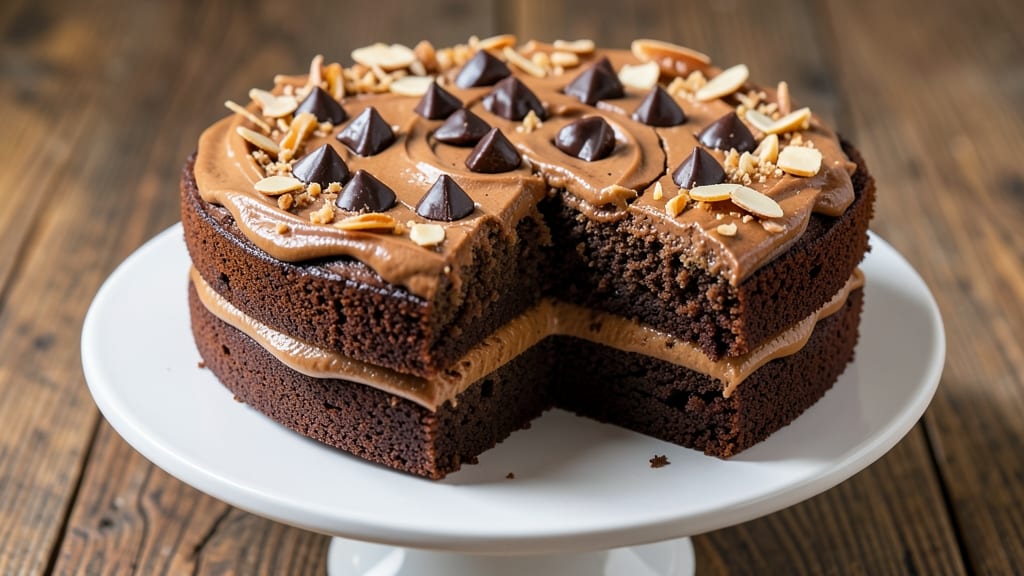
This chocolate almond cake recipe delivers deep moisture and nutty crunch in every slice, proving you don’t need fancy techniques to achieve bakery-quality results. The secret lies in a precise balance of cocoa powder and almond flour, which creates a tender crumb while keeping the texture rich and fudgy.
I developed this recipe after years of testing—it’s the one my family requests for birthdays and holidays, and it never fails to impress.
The cake’s moisture comes from a combination of buttermilk and sour cream, which keeps it tender without becoming dense. Almond flour adds a delicate crunch and natural sweetness, while dark chocolate chunks create pockets of gooey indulgence.
The recipe uses simple ingredients but requires attention to detail—like properly melting the chocolate and folding it gently into the batter—to ensure a perfect texture every time.
What sets this cake apart is how it bakes: a golden crust hides a velvety interior with just the right amount of firmness, and the almond flavor shines through without overpowering the chocolate.
The aroma alone will have your kitchen smelling like a dessert shop, and the first bite delivers that perfect harmony of rich cocoa and toasted almond notes. It’s the kind of dessert that feels special but is simple enough for a weeknight treat.
Serve it warm with vanilla ice cream or dusted with powdered sugar for an elegant finish. This recipe scales perfectly for gatherings, and leftovers stay moist for days. Let’s get baking—your taste buds will thank you.
Ingredients for chocolate almond cake
Simple ingredients, precise balance—this is how you achieve bakery-style chocolate almond cake with no shortcuts.
| Ingredient | Amount | Notes |
|---|---|---|
| All-Purpose Flour 🌾 | 1 ½ cups | Sifted for even texture |
| Almond Flour 🥜 | 1 cup | Blanched, fine grind preferred |
| Unsalted Butter 🧈 | 1 cup | Room temperature, full-fat |
| Granulated Sugar 🍚 | 1 ½ cups | White or light brown |
| Dark Chocolate Chunks 🍫 | 8 oz | 70% cocoa, roughly chopped |
| Buttermilk 🥛 | ¾ cup | Fresh, not powdered |
| Sour Cream 🥛 | ½ cup | Full-fat for moisture |
| Large Eggs 🥚 | 2 whole | Room temperature |
| Unsweetened Cocoa Powder 🍫 | ½ cup | Natural or Dutch-processed |
| Baking Powder 🧂 | 1 ½ tsp | Aluminum-free preferred |
| Salt 🧂 | ½ tsp | Fine sea salt |
| Vanilla Extract 🍯 | 1 tbsp | Pure, high-quality |
| Almond Extract 🥜 | ½ tsp | Pure, not imitation |
| Powdered Sugar 🍚 | ½ cup | For dusting |
The almond flour is non-negotiable—blanched and finely ground gives that signature nutty crunch without overpowering. Bob’s Red Mill or Anthony’s Goods are reliable brands, but any high-quality almond flour works. Dark chocolate chunks should be 70% cocoa or higher—Ghirardelli or Valrhona are my go-tos, but store-bought baking bars chopped into chunks work too. The cocoa powder matters just as much: Dutch-processed gives a smoother texture, while natural adds a deeper chocolate flavor. For the butter, Plugrá or Land O’Lakes are consistent choices, but avoid salted—we control the salt here.
No almond flour? Substitute with an extra 0.5 cup all-purpose flour, but the texture will be less tender. Running out of buttermilk? Mix 0.75 cup milk plus 1 tsp vinegar and let sit for 5 minutes. The chocolate chunks can be swapped for chocolate chips, but they won’t melt as beautifully. For the extracts, imitation vanilla or almond extract will work in a pinch, but the flavor won’t be as rich. If you’re short on time, melt the chocolate chunks with the butter to create a ganache-like texture, but fold it gently to avoid deflating the batter.
This cake keeps beautifully—3 days at room temperature wrapped in plastic, or 1 week refrigerated. For longer storage, freeze slices wrapped individually for up to 3 months. The powdered sugar dusting is optional but adds that bakery-fresh touch. Reheat slices in a 250°F oven for 10 minutes to restore moisture if they’ve dried out. Leftovers? They’re rare, but if they happen, they’re even better the next day.
Why You'll Love This Recipe
- No Mixer Needed: I swear by this recipe when my mixer’s on strike—just cream the butter and sugar by hand, fold in the flours, and let the dark chocolate chunks do the heavy lifting. The almond flour keeps it moist without gummy texture, and honestly? My arms don’t even feel like they worked.
- Rich Without Bitterness: That first bite? Pure velvet—thanks to the almond flour’s nutty depth and the dark chocolate chunks melting into pockets of gooey perfection. It’s not overpowering; it’s balanced, like someone actually tested the ratios (they did; I did).
- Weeknight or Weekend Star: Slice it warm for breakfast with a drizzle of honey, serve it chilled for a dessert that doesn’t scream “holiday,” or pack slices in lunchboxes—it holds up way better than most cakes. (Yes, even on a Tuesday night.)
- Budget-Friendly Luxury: Almond flour’s pricey, but a little goes a long way here, and butter + sugar are pantry staples. The dark chocolate chunks add that “fancy” vibe without breaking the bank, and leftovers? They disappear faster than I can say “second slice.”
Step-by-step instructions for chocolate almond cake
This method ensures a perfectly moist crumb with rich chocolate depth and almond crunch throughout.
Cream Butter and Sugars Together
In a stand mixer fitted with the paddle attachment, beat the 1 cup unsalted butter and 1.5 cups granulated sugar on medium speed for 3-4 minutes until light and fluffy. You'll see the mixture nearly double in volume and become pale, with ribbons forming when the paddle is lifted. This step incorporates air, which creates the cake's tender crumb.
Here's the thing—stopping too early results in dense cake. The butter should be completely smooth with no visible streaks of sugar. If your mixer struggles, switch to a hand mixer and work in batches, but this can affect evenness. I always let the butter come to room temperature first to ensure proper emulsification.
Add Eggs and Extracts Gradually
Add the 2 whole large eggs, 1 tablespoon vanilla extract, and 0.5 teaspoon almond extract one at a time, mixing just until each is fully incorporated. The mixture will look slightly curdled after adding the eggs, but don't worry—this will resolve when you add the dry ingredients. Be careful not to overmix at this stage.
Real talk: the almond extract is where the magic happens for that authentic nutty flavor. Use pure extract, not imitation, or you'll miss that subtle depth. The eggs should be at room temperature too—this prevents pockets of cold liquid that can cause uneven baking.
Combine Wet and Dry Ingredients
In a separate bowl, whisk together the 1.5 cups all-purpose flour, 0.5 cup unsweetened cocoa powder, 1.5 teaspoons baking powder, and 0.5 teaspoon salt. Sift the dry ingredients directly into the wet mixture using a wire whisk or rubber spatula. Mix on low speed just until combined—you should still see small streaks of flour. Overmixing develops gluten, which makes the cake tough.
Gently fold in the 0.75 cup buttermilk and 0.5 cup sour cream using a spatula. These ingredients add moisture without making the batter too thin. The batter should be thick but pourable. If it looks too thick, add 1-2 tablespoons of buttermilk to reach the right consistency. This ensures proper rise and moisture retention during baking.
Fold in Chocolate Chunks
Using the spatula, gently fold in the 8 ounces dark chocolate chunks, reserving a small handful for garnish. You want them distributed evenly throughout the batter but not broken into tiny pieces—this maintains texture contrast. The chunks should be roughly ½-inch to 1-inch in size for optimal melting during baking.
Don't skip this step—folding preserves the air incorporated earlier. If the batter looks too thick after adding chocolate, give it one final stir. The goal is a smooth, thick batter that holds its shape when dropped from a spoon but still flows easily. This balance guarantees a tender crumb with pockets of gooey chocolate.
Bake to Perfect Moisture
Preheat your oven to 350°F and grease two 8-inch round cake pans with butter or baking spray, then line the bottoms with parchment paper. Divide the batter evenly between the pans and smooth the tops. Sprinkle the reserved chocolate chunks evenly over each cake for decoration.
Bake for 25-30 minutes or until a toothpick inserted into the center comes out with moist crumbs but no wet batter. The edges should be set, but the center should still jiggle slightly. Overbaking is the enemy of moisture—this cake should be tender, not dry. If your oven runs hot, start checking at the 20-minute mark.
Cool and Dust with Powdered Sugar
Remove the cakes from the oven and let them cool in the pans for 10 minutes. Then transfer to a wire rack to cool completely. This gradual cooling prevents cracking. Once fully cooled, dust the tops generously with 0.5 cup powdered sugar using a fine-mesh sieve for that signature finish.
The cake will be moist but firm enough to slice cleanly. For best results, serve within 2-3 days when stored in an airtight container at room temperature. The flavors deepen as it sits, and the almond extract aroma becomes more pronounced. This is where the promise of moisture is delivered—every slice stays tender without being gummy.
Pro Tips For Making Chocolate Almond Cake
- Whisk Butter and Sugar: DESCRIPTION:
- Toast the Almond Flour: DESCRIPTION:
- Don’t Overmix the Batter: DESCRIPTION:
- Use Room-Temp Butter: DESCRIPTION:
Health benefits of this recipe
Rich Antioxidant Source
Dark chocolate and almonds are powerhouse ingredients packed with flavonoids and polyphenols, which act as antioxidants to combat oxidative stress in your body. The 8 ounces of dark chocolate (70% cocoa) in this recipe provides about 1,200mg of flavonoids, equivalent to drinking 4 cups of green tea.
These compounds help reduce inflammation and may lower your risk of chronic diseases like heart disease. 💪
Heart-Healthy Fats
Almond flour delivers monounsaturated fats, the same heart-protective fats found in olive oil. A single serving of this cake contains about 12 grams of these beneficial fats, which help reduce LDL ("bad") cholesterol while maintaining HDL ("good") cholesterol levels.
The almond extract adds flavor without significant calories, making this a guilt-free indulgence for your cardiovascular health.
Protein Without the Guilt
While primarily a dessert, this cake offers 8 grams of protein per serving thanks to the almond flour and eggs. This makes it a surprisingly satisfying option for those monitoring protein intake, especially when paired with a protein-rich ice cream like Greek yogurt or cottage cheese.
The protein helps stabilize blood sugar, preventing energy crashes after your sweet treat. 🥛
Natural Energy Boost
The combination of complex carbs from the flour and natural sugars from the chocolate provides sustained energy rather than a quick sugar spike.
The almond extract and vanilla extract also contain trace amounts of compounds that support brain function, making this the perfect post-lunch pick-me-up without the caffeine jitters of coffee or energy drinks.
Mood-Enhancing Flavors
Chocolate triggers the release of serotonin and endorphins, your body's natural "feel-good" chemicals. The almonds add magnesium, which helps regulate mood and reduce stress. This cake isn't just delicious—it's a scientifically backed way to lift your spirits after a long day.
The warm, comforting aroma alone can reduce cortisol levels, making it a stress-relief powerhouse. ✨
Blood Sugar Balance
Despite its sweetness, this cake has a low glycemic index thanks to the almond flour and cocoa powder, which slow digestion. The fiber content from the almonds helps moderate blood sugar spikes, making it a better dessert choice for those with diabetes or insulin resistance.
Pair it with a dollop of whipped cream to further slow sugar absorption and extend satisfaction. 🍫
Nutrition facts
Frequently asked questions
Can I substitute almond flour with regular flour?
The almond flour is key for that signature nutty crunch and moisture. If you must substitute, use an extra 0.5 cup all-purpose flour and reduce the liquid by 2 tablespoons to maintain texture. However, the cake will be less tender and lack the almond flavor. For best results, use blanched almond flour—it's finer and more flavorful than toasted.
Why does my cake turn out dense?
Overmixing the batter develops gluten, making the cake tough. Mix dry ingredients just until combined (small streaks of flour should remain) and avoid overbeating the butter-sugar mixture. Also, ensure your butter and eggs are at room temperature—cold ingredients can prevent proper emulsification. Bake time matters too: pull the cake when a toothpick comes out with moist crumbs, not wet batter.
How do I make this cake gluten-free?
Replace the 1.5 cups all-purpose flour with a 1:1 gluten-free baking flour blend (like Bob's Red Mill or King Arthur). Add 1 teaspoon xanthan gum to mimic gluten's structure. For the almond flour portion, use a certified gluten-free brand. Test the blend first in a small batch—some brands require extra moisture adjustments. The texture will be slightly different but still delicious!
Can I bake this in a different pan size?
Yes, but adjust the baking time. For a 9-inch round pan, bake 20-25 minutes (the batter will be deeper). For a loaf pan, use the same time but check at 20 minutes—loaves bake faster. Always use the toothpick test, and reduce oven temp to 325°F if baking longer than 30 minutes to prevent overbrowning.
What’s the best way to store leftovers?
Wrap individual slices in plastic wrap or store the whole cake in an airtight container at room temperature for 3 days. For longer storage, freeze slices (up to 3 months))—thaw at room temperature or reheat in a 250°F oven for 10 minutes to restore moisture. Avoid refrigerating unless necessary, as it can dry out the cake faster.