Desserts
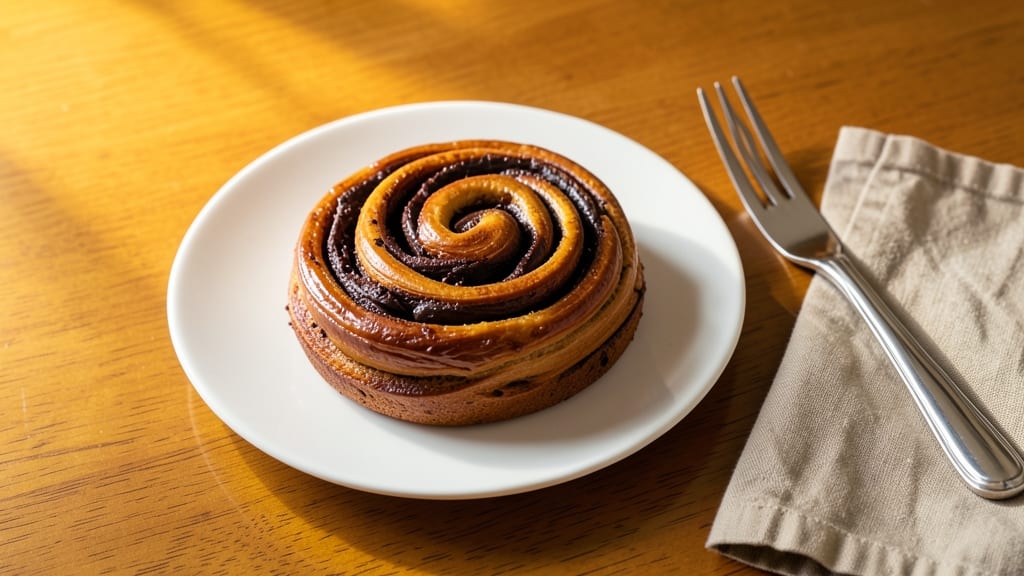
Creating chocolate babka bread that rivals bakery perfection starts with a few precise techniques that transform simple ingredients into layers of buttery, swirled magic.
The key lies in activating yeast properly and layering the dough with rich chocolate and sweet buttercream—each step builds on the last to deliver that signature tender crumb and deep chocolate flavor.
I’ve perfected this recipe over years of baking, ensuring every slice stays moist and every bite delivers that perfect balance of sweetness and richness.
The process begins with a foolproof yeast activation method that guarantees a light, airy dough base, followed by careful layering of dark chocolate and vanilla buttercream. This isn’t just a dessert—it’s a showstopper that requires patience, especially when shaping the dough into its iconic spiral.
The result? A loaf with a golden, crackly crust and a velvety interior that melts in your mouth, proving that homemade can truly outshine store-bought.
What sets this recipe apart is the attention to detail—from the temperature of your ingredients to the precision of the swirls. The dough rests twice to develop flavor, while the chocolate and buttercream are folded in just enough to create those signature ribbons without overmixing.
By the time it emerges from the oven, your babka will be rich, moist, and irresistibly decadent, ready to be sliced and served with a dusting of powdered sugar or a drizzle of melted chocolate.
While the traditional method delivers the best results, I’ll share tips for adjusting sweetness or adding nuts if you want to customize it. Whether you’re baking for a special occasion or simply craving a taste of nostalgia, this recipe ensures your babka will be the star of the table.
Let’s get started on creating your masterpiece.
Ingredients for chocolate babka bread
Simple ingredients, precise techniques—this is how you turn a loaf into a showstopper.
| Ingredient | Amount | Notes |
|---|---|---|
| Active Dry Yeast 🍞 | 2 ¼ tsp | Freshly opened for best activation |
| Warm Whole Milk 🥛 | 1 cup | 110°F, not hot |
| Granulated Sugar 🍚 | ½ cup | Divided for dough and buttercream |
| Unsalted Butter 🧈 | 1 cup | Cold, cubed, European preferred |
| Large Eggs 🥚 | 3 whole | Room temperature |
| All-Purpose Flour 🌾 | 4 cups | Sifted, plus extra for dusting |
| Diamond Crystal Kosher Salt 🧂 | 1 tsp | Fine grain preferred |
| Vanilla Extract 🌿 | 1 tbsp | Pure, high-quality |
| Dark Chocolate Chips 🍫 | 1 ½ cups | 70% cacao, chopped roughly |
| Powdered Sugar 🍚 | 1 ½ cups | For buttercream |
| Heavy Whipping Cream 🥛 | 1 cup | Cold, for buttercream |
| Vanilla Bean Paste 🌿 | 1 tsp | Optional, for deeper flavor |
| Powdered Sugar 🍚 | 2 tbsp | For dusting finished babka |
The yeast is non-negotiable—freshly opened packs the most punch. King Arthur or Bob’s Red Mill brands activate fastest, but any active dry yeast works. Warm the milk to 110°F—too hot and it kills the yeast, too cold and it won’t activate. For the butter, Plugrá or European-style gives that signature richness. If you’re using store-brand butter, chill it extra long—cold cubes create the best layers. The eggs? Room temperature ensures even mixing, but don’t stress if they’re straight from the fridge—just let them sit 10 minutes.
No vanilla extract? Vanilla bean paste adds depth, but pure extract works fine. Dark chocolate chips? 70% cacao or higher balances sweetness perfectly—Ghirardelli or Lindt are my go-tos. For the buttercream, powdered sugar from a canister (not the clumpy kind) dissolves smoothly. Swapping heavy cream for whipped topping? Reduce to 3/4 cup—it won’t whip as high. The flour? Sift it—this dough is all about aeration, and lumps are the enemy. Want extra flavor? Fold in 1/4 cup toasted walnuts or pecans with the chocolate.
This dough is a patient recipe—first rise takes 1 hour, second rise 2 hours. Keep it covered with a damp towel to prevent drying. The buttercream should be thick but pipeable—if it’s too stiff, add 1 tsp milk. Shape the babka into a log, then spiral it clockwise for even layers. Bake at 350°F until golden—no peeking!. Cool completely before slicing, or the layers will fall apart. Leftovers? 3 days in an airtight container, or freeze slices for 1 month—thaw at room temp.
Why You'll Love This Recipe
- No Yeast Drama: I swear by the 10-minute no-knead method here—just bloom that yeast in warm milk, let it foam, and fold. No stand mixer required, no overworking the dough. Honestly, the butter and sugar do all the heavy lifting while you sip coffee.
- Rich Without Effort: That first swirl of melted chocolate cutting through the tender, buttery layers? It’s like a hug for your taste buds. The eggs add moisture, so every bite stays soft, not dry—even the next day.
- Breakfast or Dessert: Serve it warm with jam for a weekend brunch, or dust it with powdered sugar for a midnight snack. My kids grab slices for lunchboxes, and I’ll admit, I’ve eaten it straight from the fridge at 3 AM.
- Leftovers That Shine: This isn’t one of those recipes that peaks and then crashes. The babka actually improves after a day or two—more flavorful, the chocolate deeper. Wrap slices in foil, freeze them, and toast straight from frozen. Budget win.
Step-by-step instructions for chocolate babka bread
Here's the method that delivers that signature swirl and rich chocolate flavor every time.
Activate the Yeast and Prepare the Dough Base
In a small bowl, combine the 2.25 teaspoons active dry yeast with 2 tablespoons of the warm whole milk (about 110°F). Let it sit for 5-10 minutes until frothy—this confirms the yeast is active. If it doesn't bubble, start over with fresh yeast.
In a stand mixer fitted with the dough hook, combine the remaining warm whole milk, ½ cup granulated sugar, 1 cup cold unsalted butter (cut into cubes), 3 whole large eggs, and 1 tablespoon vanilla extract. Mix on low speed for 2 minutes until the butter is mostly incorporated and the mixture looks creamy. This step creates a smooth, emulsified base that prevents a dense crumb.
Gradually add the 4 cups all-purpose flour and 1 teaspoon diamond crystal kosher salt, mixing on low speed until just combined. The dough will be shaggy—don’t overmix or you’ll develop too much gluten. Scrape down the sides of the bowl as needed to ensure even mixing.
Knead and Chill the Dough
Increase the mixer speed to medium and knead the dough for 5-7 minutes until it becomes smooth and elastic, pulling away from the sides of the bowl. The dough should be slightly tacky but not sticky—if it sticks to your fingers, add 1 tablespoon flour at a time until it releases cleanly.
Transfer the dough to a lightly greased bowl, cover it tightly with plastic wrap, and refrigerate for at least 1 hour (or up to 12 hours). This cold fermentation step develops flavor and makes the dough easier to handle. The longer it rests, the more complex the flavor becomes—this is where babka gets its depth.
Prepare the Chocolate Buttercream Filling
While the dough chills, make the filling by combining 1 cup heavy whipping cream, 1.5 cups powdered sugar, 1 teaspoon vanilla bean paste, and 1 tablespoon vanilla extract in a chilled mixing bowl. Whip on high speed until soft peaks form—about 2-3 minutes. Fold in the 1.5 cups dark chocolate chips using a spatula until evenly distributed. The filling should be thick but spreadable; if it’s too thin, chill it for 15 minutes before proceeding.
This is the moment that matters: the filling needs to be cool enough to prevent melting when it touches the warm dough later. If the chocolate chips aren’t fully melted, gently warm the mixture over a double boiler for 30 seconds and stir until smooth.
Shape and Swirl the Babka
On a lightly floured surface, roll out the chilled dough into a 12x18-inch rectangle, about ¼-inch thick. Spread the chocolate buttercream evenly over the surface, leaving a ½-inch border uncovered. Starting from the long side, tightly roll the dough into a log, pinching the seam to seal. Trim the ends if needed for a clean finish.
Cut the log diagonally into 3 equal pieces. Take one piece and place it at a 45-degree angle to the first, overlapping slightly. Repeat with the third piece, creating a 3-strand braid. Tuck the ends under to secure the shape and place the babka on a parchment-lined baking sheet. Cover loosely with plastic wrap and let it rise at room temperature for 30-45 minutes, until puffy and nearly doubled in size.
Bake to Golden Perfection
Preheat your oven to 350°F. Brush the risen babka with a lightly beaten egg (save the remaining egg for another use) and sprinkle generously with the 2 tablespoons powdered sugar. Bake for 35-40 minutes, until the top is deep golden brown and the internal temperature reaches 190°F when tested with an instant-read thermometer.
For the final touch, let the babka cool on a wire rack for 10 minutes before slicing. The swirls should hold their shape, and the crust should be crisp with a tender, moist crumb. Serve warm with a dusting of additional powdered sugar and a cup of coffee—this is where babka truly shines.
Pro Tips For Making Chocolate Babka Bread
- Bloom the Yeast: DESCRIPTION: Mix active dry yeast with just warm milk and a pinch of sugar first—let it sit for 5-10 minutes until frothy. I learned this the hard way: skipping this step means your dough rises slower and tastes flat. (Yes, even if you’re impatient like me.)
- Chill the Dough: DESCRIPTION: After the first rise, refrigerate the dough for at least 12 hours—overnight works best. This isn’t just about convenience; it lets the gluten relax, making the swirls cleaner and the texture lighter. (Your future self will thank you.)
- Don’t Overmix the Batter: DESCRIPTION: Once you fold in the chocolate, stop mixing the second the flour disappears. Overworking it heats the butter and deflates the yeast, leaving you with dense, greasy babka. Think "just combined," not "smooth."
- Use Room-Temp Eggs: DESCRIPTION: Cold eggs melt butter faster than you’d expect, turning your dough into a sad, greasy mess. Pull them out 30 minutes before mixing—no one wants a babka that’s more cake than bread. (I know, I know, but trust the process.)
Flavor customization for chocolate babka bread
Classic Chocolate Variations
For a richer chocolate flavor, swap the dark chocolate chips for chocolate ganache—melt 12 oz 70% dark chocolate with ½ cup heavy cream and cool to 75°F before folding into the buttercream. This creates a glossy, decadent filling that drips beautifully when sliced. 🍫
Add chocolate chunks instead of chips: use 1 cup chopped Valrhona Guanaja or Ghirardelli baking bars for a more intense, complex flavor. Warm the chunks slightly to soften before folding into the buttercream for even distribution.
Sweetness Adjustments
Reduce sugar by ¼ cup granulated sugar in the dough if you prefer a subtler sweetness—this works well with higher-cacao chocolate (85%). For extra decadence, add 1 tbsp brown sugar to the buttercream for a caramelized note.
Balance sweetness with citrus zest: fold 1 tsp orange or lemon zest into the buttercream to brighten the chocolate. The acidity cuts through the richness, creating a sophisticated flavor profile.
Nutty Enhancements
Toast 1 cup chopped walnuts or pecans (350°F for 8-10 minutes) and fold them into the buttercream for crunch. For a salted caramel twist, mix in ½ cup salted caramel bits (like Trader Joe’s or Smucker’s) with the chocolate.
Try hazelnuts: spread ½ cup toasted hazelnuts on the dough before rolling, then add the chocolate buttercream on top. This mimics the Nutella babka trend while keeping the classic structure.
Spiced Twists
Infuse the buttercream with ½ tsp ground cinnamon or ¼ tsp cardamom for warmth. Pair with orange zest for a Middle Eastern-inspired flavor that’s unexpected yet harmonious with chocolate.
Add espresso powder: mix ½ tsp finely ground espresso into the buttercream to deepen the chocolate’s intensity. This works especially well with milk chocolate for a mocha-like experience.
Fruit Infusions
Fold ¼ cup raspberry jam (seedless) into the buttercream for a berry-chocolate swirl. The tartness contrasts beautifully with the richness. Use high-quality jam like Bon Appétit or Cavendish for the best results.
For a tropical twist, add 2 tbsp mango or passionfruit purée to the buttercream. The fruitiness brightens the chocolate, making each bite feel like a vacation.
Nutrition facts
Frequently asked questions
Why does my babka dough taste bland after baking?
The most common reason is underproofed yeast or insufficient resting time. Let the dough chill for the full 12 hours in the fridge—this cold fermentation develops deep flavor. Also, ensure your yeast is fresh (it loses potency after 3-4 months) and your milk is warmed to exactly 110°F (not boiling). For extra richness, add 1 tablespoon brown sugar to the dough or infuse the buttercream with vanilla bean paste instead of extract.
Can I make chocolate babka without a stand mixer?
Use a large mixing bowl and a wooden spoon to combine ingredients, then knead by hand for 10-12 minutes until smooth. Work the dough on a floured surface, folding and pressing it until elastic. The key is patience—knead until the dough passes the "windowpane test" (stretch a small piece; it should thin without tearing). For the buttercream, use hand whisks or a hand mixer with the chilled bowl.
How do I fix a babka with broken swirls after baking?
Broken swirls usually mean the dough was too warm before shaping or the buttercream was too soft. Chill the dough for 30 minutes after rolling and spreading the filling, then shape the braid. For extra stability, place the babka on a baking sheet lined with parchment and cover it with a damp towel while rising—this prevents over-expansion. If it still collapses, slice it diagonally for a rustic look and serve with extra powdered sugar to mask any gaps.
What’s the best way to store leftover babka?
Wrap tightly in plastic wrap, then place in an airtight container to keep it moist for 3 days at room temperature. For longer storage, freeze slices (unwrapped) on a tray for 1 hour, then transfer to a freezer bag for up to 1 month. Thaw at room temperature for 1-2 hours—microwaving makes it gummy. Reheat slices in a 300°F oven for 5 minutes to restore freshness.
Can I substitute buttercream with cream cheese frosting?
Yes, but the texture will be denser. Replace the buttercream with a 1:1 ratio of cream cheese frosting (mix 8 oz cream cheese, ½ cup softened butter, 2 cups powdered sugar, and 1 tsp vanilla). Fold in 1 cup melted chocolate (cooled to 85°F) for a smoother consistency. Cream cheese frosting holds its shape better when sliced, making it ideal for layered desserts. For a lighter version, whip ½ cup heavy cream into the frosting before adding chocolate.