Desserts
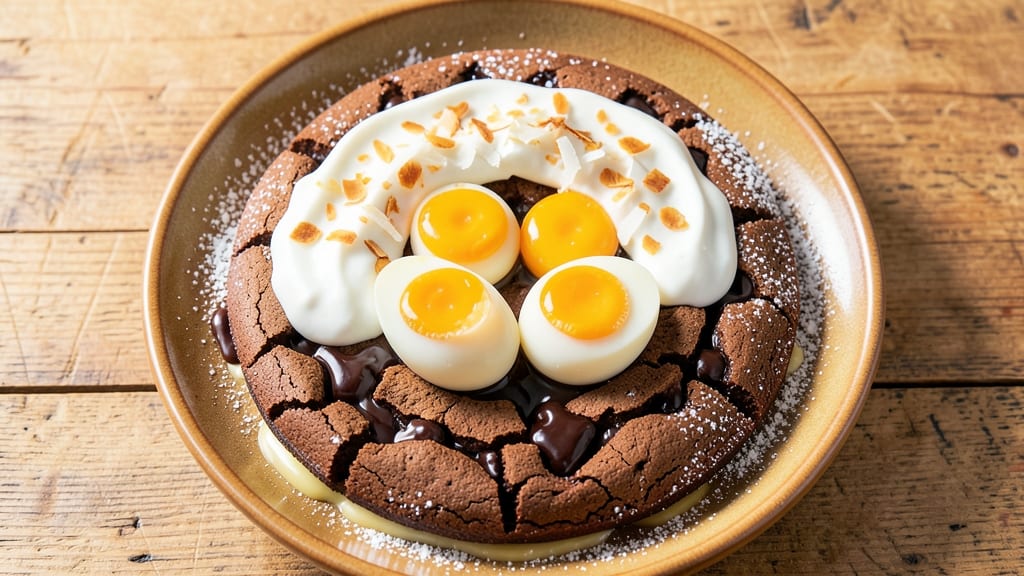
This chocolate bibingka recipe transforms the beloved Filipino rice cake into a decadent dessert that blends traditional techniques with rich cocoa indulgence.
The secret lies in perfectly steamed glutinous rice flour batter infused with coconut cream and melted chocolate, creating a tender yet slightly chewy texture with a molten chocolate center. I first discovered this version during a holiday baking experiment when my family craved something familiar yet unexpected.
The magic happens in the steaming process, where the batter develops its signature golden crust while maintaining a soft, custard-like interior.
Unlike traditional bibingka, this chocolate adaptation uses a combination of rice flour and coconut milk for that signature Filipino texture, elevated by dark chocolate chunks that melt into gooey pockets. The recipe maintains authentic methods while adding modern dessert appeal that satisfies both tradition and cravings.
What you’ll achieve is a warm, fragrant cake with a crispy top layer and a rich, fudgy chocolate core that pairs beautifully with a dusting of powdered sugar or toasted coconut. The aroma alone—warm coconut, caramelized sugar, and deep chocolate notes—will fill your kitchen and draw everyone to the table.
This dessert is perfect for special occasions or when you want to impress with a dessert that’s both nostalgic and indulgent.
Once mastered, you can customize it with toppings like grated coconut, shredded cheese, or even a sprinkle of sea salt to enhance the chocolate flavor. The recipe scales easily for gatherings, and leftovers reheat beautifully in the oven.
Let’s create this Filipino-inspired chocolate masterpiece that blends tradition with modern dessert cravings.
Ingredients for chocolate bibingka
Six servings of rich chocolate-coconut magic using Filipino traditions and modern twists.
| Ingredient | Amount | Notes |
|---|---|---|
| Glutinous Rice Flour 🍚 | 2 cups | Also called sweet rice flour |
| Coconut Cream 🥥 | 1 ½ cups | Thick, full-fat canned version |
| Dark Chocolate Chunks 🍫 | 1 cup | 70% cocoa, roughly chopped |
| Granulated Sugar 🍬 | 1 cup | Light brown sugar for caramel notes |
| Unsalted Butter 🧈 | ½ cup | Room temperature, full-fat |
| Large Eggs 🥚 | 4 whole | Room temperature, beaten |
| Coconut Milk 🥥 | ½ cup | Full-fat canned, shaken well |
| Vanilla Extract 🌿 | 1 tbsp | Pure Madagascar preferred |
| Baking Powder 🍞 | 1 tsp | Aluminum-free preferred |
| Salt 🧂 | ½ tsp | Fine sea salt preferred |
| Toasted Coconut Flakes 🥥 | ¼ cup | For topping, lightly toasted |
| Powdered Sugar 🍬 | ¼ cup | For dusting, sifted |
| Water 💧 | ½ cup | Room temperature |
The glutinous rice flour is your secret weapon—Filipino markets or Asian grocery stores like H Mart carry the best quality. If you can't find it, Bob's Red Mill sweet rice flour works in a pinch, but the texture won't be quite as authentic. The dark chocolate chunks should be 70% cocoa or higher—Ghirardelli or Valrhona brands melt beautifully. For the coconut cream, full-fat canned versions (like Thai Kitchen) give the richest texture, but don't use the light coconut milk from the same can—it won't be thick enough. The butter needs to be room temperature; if it's cold, microwave it for 20 seconds to soften.
No dark chocolate? Semisweet chocolate chips work, but they'll be slightly sweeter overall. Running short on coconut cream? Substitute with heavy cream plus 1 tbsp coconut milk powder, but the flavor won't be identical. The vanilla extract matters—imitation vanillaaluminum-free is crucial; it prevents any metallic aftertaste. The toasted coconut flakes should be lightly browned—watch them like a hawk so they don't burn. If you're feeling fancy, add a pinch of flaky sea salt to the batter before baking for a sophisticated contrast.
This batter needs to be made fresh—it doesn't reheat well. Once mixed, it keeps in the fridge for 24 hours before steaming, but I recommend using it immediately for the best texture. The steamed bibingka reheats beautifully in the oven at 350°F for 10-15 minutes, wrapped in foil. For make-ahead prep, assemble the batter in ramekins, cover tightly, and refrigerate for up to 1 day. The chocolate chunks will stay gooey if you reheat gently—just a few minutes in the microwave with a damp paper towel over them.
Why You'll Love This Recipe
- Here’s what sold me: the way the rich, toasty coconut cream melts into the dark chocolate chunks as it bakes. It’s like a warm hug for your taste buds—creamy, slightly caramelized edges, and that deep cocoa punch. Honestly, I’ve made it for breakfast, dessert, and even snack time. It works every time.
- I’ll be real: dark chocolate and coconut cream aren’t cheap, but this recipe stretches them just right. A single batch feeds 6-8, and leftovers reheat beautifully—either in the oven or microwave. It’s the kind of treat that feels luxurious without breaking the bank. (Yes, even on a Tuesday night.)
Step-by-step instructions for chocolate bibingka
Here's how to craft this decadent coconut-chocolate rice cake with perfect texture every time.
Prepare the Batter for Silky Texture
In a large mixing bowl, combine the 2 cups glutinous rice flour, 1 cup granulated sugar, 1 tsp baking powder, and 0.5 tsp salt. Whisk until evenly distributed—this ensures no pockets of dry flour remain. In a separate bowl, beat the 4 whole large eggs until frothy, then gradually whisk in the 0.5 cup unsalted butter and 1 tbsp vanilla extract until fully emulsified.
With the mixer on low speed, slowly pour the wet ingredients into the dry ingredients while mixing continuously. This gradual incorporation prevents lumps and creates a smooth, pourable batter. The mixture should be thick but still flow easily when poured—like heavy pancake batter. If it looks too thick, add 0.25 cup water to reach the ideal consistency.
Fold in Chocolate and Coconut for Rich Depth
Gently fold in the 1 cup dark chocolate chunks and 1.5 cups coconut cream using a silicone spatula. Work quickly but carefully—you want to maintain air pockets while evenly distributing the chocolate. The batter should have visible chocolate flecks throughout but remain smooth. Here's the thing—don't overmix after adding the coconut cream, or you'll deflate the batter's structure.
In a separate small bowl, whisk together the 0.5 cup coconut milk and remaining 0.25 cup water. This liquid mixture helps balance the richness of the coconut cream and chocolate. Slowly drizzle this into the batter while folding gently—this prevents the batter from becoming too dense. The final batter should be thick, glossy, and hold its shape when spooned.
Assemble and Steam for Perfect Rise
Preheat your steamer or bamboo basket with about 1 inch of water in the bottom of a pot. Bring the water to a gentle simmer—you'll know it's ready when steady steam rises. Lightly grease a round 8-inch cake pan or individual ramekins with a bit of butter to prevent sticking. Pour the batter evenly into the prepared pan, spreading it into an even layer.
Place the pan in the steamer and cover tightly with aluminum foil or a lid. Steam over medium-high heat for 40 minutes. The key here is patience—the bibingka needs time to develop its signature soft, custard-like center while forming a slightly crisp exterior. You'll know it's ready when the top springs back when gently pressed and the edges pull away cleanly from the pan.
Finish with Toppings and Dusting
Remove the bibingka from the steamer and let it cool slightly for 5 minutes before carefully inverting it onto a serving plate. While still warm, sprinkle the top evenly with 0.25 cup toasted coconut flakes and dust generously with 0.25 cup powdered sugar using a fine-mesh sieve. The powdered sugar should melt slightly into the warm surface, creating a delicate, snowy finish.
For the ultimate presentation, serve immediately while still warm. The contrast between the soft, slightly chewy interior and the crispy, caramelized edges—enhanced by the rich chocolate and coconut cream—is what makes this dessert truly special. Each bite should deliver a perfect balance of sweetness, coconut richness, and chocolate intensity.
Pro Tips For Making Chocolate Bibingka
- Whisk the Flour First: DESCRIPTION: Mix the glutinous rice flour with coconut cream before adding sugar—this prevents clumps that turn into dry pockets in your bibingka. I learned this the hard way when my first batch had weird texture spots no amount of stirring could fix.
- Melt Butter Slowly: DESCRIPTION: Warm the unsalted butter just until liquid (not bubbling) before mixing—overheating turns it nutty and overpowers the chocolate. Use a double boiler if your stovetop runs hot, or you’ll regret the bitter aftertaste later.
- Chill the Batter: DESCRIPTION: Let the batter sit covered in the fridge for 15–20 minutes before baking—this helps the chocolate chunks distribute evenly and prevents sinking. (Yes, even if you’re eager to pop it in the oven.)
- Check Doneness Early: DESCRIPTION: Start testing for doneness 10 minutes before the recipe’s suggested time—bibingka’s edges set faster than the center, and overbaking turns it gummy. A toothpick should come out clean but slightly sticky.
Troubleshooting this dish
Batter Too Thick?
If your batter looks like glue, don’t panic—just add 1 tablespoon water at a time while folding gently with a spatula. The ideal consistency should resemble thick pancake batter, allowing it to flow smoothly when poured.
Overmixing after adding water can deflate the batter, so mix just until combined. I’ve found that glutinous rice flour absorbs liquid differently than regular flour, so start with small additions and adjust gradually. 💧
Steam Not Rising Properly
If your steamer isn’t producing enough steam, check that your pot has at least 1 inch of water and is brought to a gentle simmer before placing the bibingka inside. For even steaming, use a bamboo steamer basket or a heatproof plate with sides.
If your stove struggles with consistent heat, try placing a damp towel over the pot to trap steam—this mimics traditional clay pot methods. The bibingka should steam for 40 minutes without interruption, so avoid opening the lid too soon. 🌱
Chocolate Not Melting Evenly
For perfectly melted chocolate pockets, ensure your dark chocolate chunks are 70% cocoa or higher and roughly chopped into ½-inch pieces. If they remain hard after steaming, your bibingka likely didn’t reach the right internal temperature.
To fix this, steam for an additional 5-10 minutes or reheat the baked bibingka in the oven at 350°F for 5 minutes until the chocolate softens. For next time, fold in the chocolate just before steaming to keep it gooey. 🍫
Top Crust Too Soft
A soft top usually means the bibingka didn’t steam long enough or the heat wasn’t consistent. To achieve that signature crispy crust, ensure your steamer is at a gentle simmer (not boiling) and cover tightly with foil.
For extra crispiness, broil the bibingka for 1-2 minutes at the end of steaming—watch closely to avoid burning. If the top still feels underdone, steam for an additional 5 minutes covered. 🔥
Bibingka Sticking to Pan
Grease your pan or ramekins thoroughly with butter or coconut oil before pouring the batter, and ensure they’re completely dry. For extra insurance, dust the bottom with glutinous rice flour or a light layer of powdered sugar.
If it still sticks, run a thin knife around the edges before inverting onto the plate. I’ve also had success using silicone molds, which release effortlessly. Never force it—patience prevents breakage! 🧈
Uneven Texture or Soggy Center
An uneven texture often stems from inconsistent steaming or opening the lid too early. Maintain a steady medium-high heat and avoid peeking during the 40-minute steam. If the center feels undercooked, steam for another 5-10 minutes covered.
For a firmer texture, reduce the coconut cream by ¼ cup next time—this balances moisture without sacrificing richness. Let it rest for 5 minutes after steaming before serving to redistribute juices. 💡
Nutrition facts
Frequently asked questions
Can I make this without a traditional steamer?
Use a bamboo steamer basket over a pot of simmering water, or adapt by placing your greased ramekins on a heatproof plate with sides in a large pot. For modern kitchens, a steam oven function works perfectly—just arrange the bibingka on a rack with water in the bottom pan. The key is maintaining gentle steam for 40 minutes without boiling.
What's the best chocolate to use for maximum richness?
For authentic depth, use 70% dark chocolate chunks like Ghirardelli or Valrhona—these melt beautifully while maintaining rich cocoa flavor. Avoid milk chocolate as it can make the bibingka too sweet. For an extra luxurious touch, fold in ½ cup white chocolate chunks alongside the dark for a marbled effect.
How do I make individual servings instead of one large cake?
Divide the batter evenly among 6-8 greased ramekins (4-6 oz capacity each). Steam them together in your steamer basket for the same 40 minutes. For presentation, dust each with powdered sugar and a sprinkle of toasted coconut. Individual portions reheat beautifully in the microwave for 20-30 seconds with a damp paper towel.
Can I prepare this ahead of time?
Yes! Assemble the batter in ramekins and refrigerate covered for up to 24 hours before steaming. For make-ahead serving, steam the batter 1 day ahead, then reheat individual portions in the oven at 350°F for 10 minutes wrapped in foil. The texture remains tender when reheated gently. Store leftovers in an airtight container for up to 3 days.
Why does my bibingka taste more like cake than traditional rice cake?
The rich coconut cream and chocolate create a dessert-like profile, but the glutinous rice flour maintains authentic texture. For a more traditional taste, reduce the chocolate to ½ cup and add ½ cup grated coconut to the batter. The key difference is that this version uses coconut cream instead of just coconut milk, adding natural sweetness and richness.