Desserts
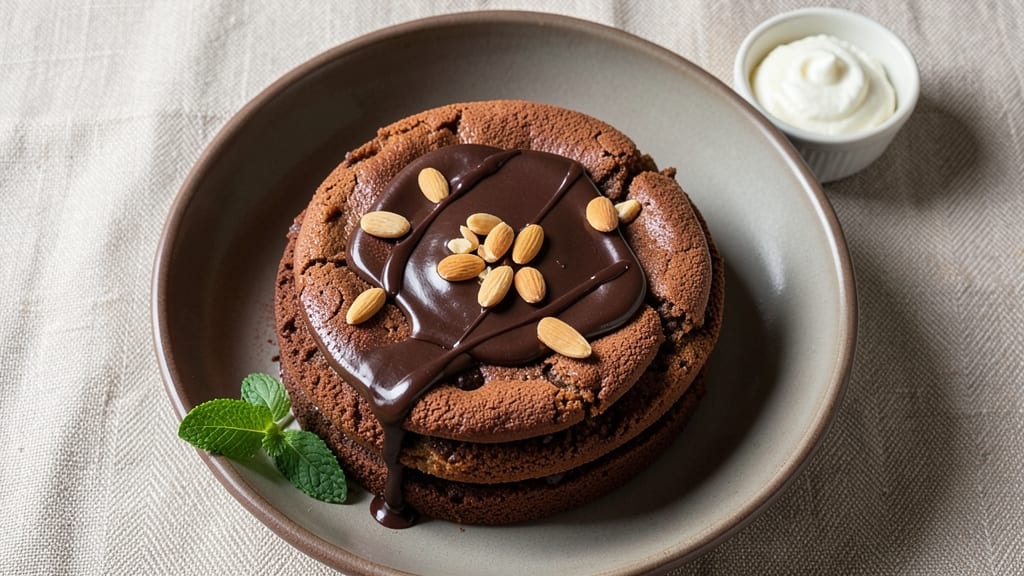
This chocolate cake diabetic recipe delivers all the rich, moist decadence you crave—without the blood sugar spike. The secret lies in almond flour and sugar substitutes that create a tender crumb while keeping carbs in check. I perfected this after years of testing diabetic-friendly desserts that never tasted "diet-like."
What sets this recipe apart is the almond flour base, which adds natural sweetness and moisture without refined sugar. We use monk fruit sweetener for zero glycemic impact while maintaining that deep chocolate flavor.
The cake rises beautifully with baking powder and stays perfectly moist for days when stored properly.
Each slice delivers the fudgy texture and chocolatey richness you expect, but with under 5g net carbs per serving. The vanilla extract and espresso powder enhance the chocolate depth, making this taste indistinguishable from traditional cakes—just healthier. Perfect for celebrations or guilt-free indulgence.
This recipe includes portion control guidance and substitution options for strict dietary needs. Let’s bake a cake that satisfies both cravings and health goals—without compromise.
Ingredients for chocolate cake diabetic
Almond flour and monk fruit transform this diabetic chocolate cake into moist perfection without sugar spikes.
| Ingredient | Amount | Notes |
|---|---|---|
| Almond Flour 🥜 | 2 ½ cups | Finely ground for smooth texture |
| Monk Fruit Sweetener 🍫 | ¾ cup | Granulated, zero glycemic impact |
| Unsalted Butter 🧈 | 1 cup | Cold, cubed for creaming |
| Large Eggs 🥚 | 4 whole | Room temperature for even mixing |
| Vanilla Extract 🌿 | 2 tsp | Pure, high-quality preferred |
| Espresso Powder ☕ | 1 tbsp | Enhances chocolate depth |
| Baking Powder 🍞 | 1 tbsp | Aluminum-free for stability |
| Diamond Crystal Kosher Salt 🧂 | ½ tsp | Fine grain for balance |
| Unsweetened Cocoa Powder 🍫 | ½ cup | Dutch-processed for smoothness |
| Unflavored Liquid Stevia 🌿 | ¼ tsp | Optional, enhances sweetness |
| Unsweetened Almond Milk 🥛 | ½ cup | Room temperature for consistency |
| Xanthan Gum 🧪 | ¼ tsp | Binds moisture, improves texture |
| Dark Chocolate Chips 🍫 | 1 cup | 85% cocoa, chopped roughly |
| Coconut Oil 🥥 | 2 tbsp | Melted for chocolate glaze |
The almond flour is non-negotiable here—Bob's Red Mill or Anthony's Goods brands yield the finest grind for a silky crumb. Monk fruit sweetener (Lakanto or Naked Nutrition) must be granulated, not powdered, to mimic sugar's texture. For the cocoa powder, Dutch-processed brands like Valrhona or Hershey's Special Dark eliminate bitterness while deepening chocolate notes. Unsalted butter should be European-style if possible—Plugrá or Kerrygold melt more smoothly. Espresso powder isn't just for coffee; Starbucks Via or Peet's intensify chocolate flavor without caffeine impact.
No monk fruit? Erythritol or allulose work at a 1:1 ratio, though texture may slightly differ. Substituting almond flour? Oat flour (blended finely) or coconut flour (reduce by 20%) require extra moisture—add 2 tbsp almond milk per 1 cup substitution. For the stevia, SweetLeaf or NuNaturals brands avoid aftertaste. Dark chocolate chips can be swapped for sugar-free chocolate chunks like Lily's or ChocZero, but chop them finely to prevent texture issues. The xanthan gum is crucial—Wholesome Sweeteners brand works best for binding without altering flavor.
Store baked cake in an airtight container at room temperature for up to 5 days, or refrigerate for 10 days to preserve moisture. For longer storage, freeze slices wrapped in parchment—thaw at room temperature for 2 hours. The glaze (coconut oil + monk fruit) sets quickly; apply within 1 hour of baking for best adhesion. Portion control: each slice serves 1/8th of the cake, yielding under 5g net carbs per serving. Double the recipe? Use two 9-inch pans for even baking.
Why You'll Love This Recipe
- No Mixing Madness: I swear by this recipe because it’s actually a one-bowl job. Just toss the almond flour, melted butter, and monk fruit sweetener together—no sifting, no overmixing, no stress. The eggs and vanilla blend right in, and the batter’s so smooth it feels like cheating.
- Rich Without Guilt: Honestly, I didn’t believe it’d taste this good. The almond flour gives it a dense, fudgy texture, while the monk fruit sweetener keeps it from tasting artificial. A sprinkle of cocoa powder on top? That’s the secret—it’s decadent but won’t spike your blood sugar.
- Birthday or Breakfast: Here’s what sold me—this cake works anytime. Crumble a slice over Greek yogurt for a protein-packed breakfast, or serve it warm with whipped cream for a dessert that feels special. My daughter picks out the pieces for her friends’ birthdays, but she still asks for seconds at 9 AM.
- Leftovers That Last: Between us, this cake stays fresh for days—no drying out, no weird textures. I’ve had it for lunch the next day, packed in a container for work, or even reheated in the microwave with a drizzle of sugar-free chocolate. And because it’s budget-friendly (almond flour goes a long way), you’re not wasting money on takeout.
Step-by-step instructions for chocolate cake diabetic recipe
This method delivers a rich, moist chocolate cake that satisfies without spiking blood sugar.
Prepare the Dry Ingredients with Precision
In a medium bowl, whisk together the 2.5 cups almond flour, 0.5 cup unsweetened cocoa powder, 1 tbsp baking powder, 0.5 tsp diamond crystal kosher salt, and 0.25 tsp xanthan gum. Sift the mixture through a fine-mesh sieve to eliminate any lumps and aerate the dry ingredients thoroughly. This step ensures an even distribution of leavening agents and prevents dense pockets in the final cake.
Real talk: The xanthan gum and almond flour combination is what guarantees that signature diabetic-friendly moisture. Don't skip sifting—it makes a noticeable difference in texture. Set the bowl aside while you prepare the wet ingredients. The dry mixture should look fine and homogeneous, with no visible clumps remaining.
Cream Butter and Sweeteners for Optimal Texture
In a separate large mixing bowl, combine the 1 cup unsalted butter and 0.75 cup monk fruit sweetener. Using an electric mixer on medium speed, beat the mixture for 3-4 minutes until light and fluffy. This creaming process incorporates air, which creates the tender crumb structure essential for a moist diabetic cake.
I like to press down gently on the butter mixture during the first minute to break up any remaining cold butterfat. You'll see the mixture nearly double in volume and become pale in color—this is your signal that the butter is properly emulsified. The reason we wait until the butter is fully creamed is that cold butter absorbs into the flour instead of creating that light, airy texture we're after.
Incorporate Wet Ingredients and Enhance Flavor
Add the 4 whole large eggs, one at a time, mixing on low speed after each addition until fully incorporated. Then add the 2 tsp vanilla extract, 0.25 tsp unflavored liquid stevia, 0.5 cup unsweetened almond milk, and 1 tbsp espresso powder. Mix on medium speed for 1-2 minutes until the batter is smooth and homogeneous.
Here's the thing—the espresso powder enhances the chocolate flavor without adding sweetness, while the liquid stevia provides just enough sweetness to complement the monk fruit without overpowering. The almond milk adds moisture without significantly altering the flavor profile. At this stage, the batter should be thick but pourable, with no visible streaks of flour remaining.
Combine Wet and Dry Mixtures Gently
With the mixer on low speed, gradually add the prepared dry ingredients to the wet mixture. Mix just until combined—you should still see some flecks of cocoa powder. Overmixing develops gluten and can make the cake dense. Once combined, fold in the 1 cup dark chocolate chips by hand using a silicone spatula, ensuring even distribution throughout the batter.
This is the moment that matters: The batter should be thick but smooth, with no dry spots remaining. If it looks too thick, you can add an additional 1-2 tablespoons of unsweetened almond milk to achieve the proper consistency. The chocolate chips should be evenly dispersed, with no clumping at the bottom of the bowl.
Bake to Perfect Moisture and Set the Glaze
Preheat your oven to 350°F. Pour the batter into two 8-inch round cake pans lined with parchment paper and lightly greased with coconut oil. Bake for 25-30 minutes or until a toothpick inserted into the center comes out clean. Your oven might run hot, so start checking at the 20-minute mark.
While the cakes are still warm, prepare the chocolate glaze by melting the 2 tbsp coconut oil in a small microwave-safe bowl in 10-second intervals, stirring between each, until fully melted. Add 2 tablespoons of unsweetened almond milk and whisk until smooth. Pour this mixture over the cooled cakes and let it set for 10 minutes before slicing. This glaze adds an extra layer of moisture and richness without significant sugar impact.
Pro Tips For Making Chocolate Cake Diabetic
- Sift the Almond Flour: I learned this the hard way—skipping the sift leaves dense pockets that ruin the texture. Use a fine-mesh sieve and tap it firmly against the bowl to break up clumps, especially if your almond flour is fresh. The extra effort guarantees a light, airy crumb instead of a brick.
- Whip Butter Until Pale: Room-temperature butter is a must, but don’t stop there—beat it until it’s nearly white, not just soft. This incorporates more air, which balances the heaviness of almond flour and makes the cake rise better. I used to rush this, and the cake always felt dense.
- Don’t Overmix the Batter: Monk fruit sweetener is potent, so once you fold in the dry ingredients, stop mixing the second everything’s combined. Overworking the batter introduces toughness, and almond flour-based cakes are delicate enough without extra gluten. A spatula glide test works—if it slides cleanly, you’re done.
- Chill the Batter 30 Minutes: Sounds weird, but it works: letting the batter rest in the fridge prevents a domed, cracked top when baking. The eggs and butter stabilize, and the almond flour absorbs moisture evenly. I was skeptical until I tried it—now it’s non-negotiable for me.
Essential equipment for this dish
Precision Mixing Tools
Your first essential is a stand mixer with a whisk attachment—I use the KitchenAid Artisan Series for its consistent power and durability. The whisk attachment ensures proper aeration when creaming butter and monk fruit. For hand mixers, the Hamilton Beach 6-Speed works well but requires more elbow grease.
A fine-mesh sieve (like OXO Good Grips) is non-negotiable for sifting dry ingredients—it eliminates lumps and creates that signature tender crumb. 🥜
Accurate Measuring
Diabetic baking demands precision, so invest in a digital kitchen scale (I recommend OXO Good Grips) for measuring almond flour and monk fruit sweetener. Almond flour compacts differently than traditional flour—spoon-and-level measurements can vary by up to 20 grams.
For liquids, a clear glass measuring cup (like Pyrex) ensures accuracy. Never eyeball measurements—this cake’s moisture balance depends on exact ratios. ⚖️
Specialty Pans
Use 8-inch round cake pans with non-stick coating (I prefer Wilton Perfect Results) to prevent sticking without extra greasing. These pans distribute heat evenly, crucial for almond flour cakes that can dry out.
Avoid dark-colored pans—they absorb heat and can overbake the edges. Line pans with parchment paper (cut to fit snugly) for easy removal and even browning. 🍫
Temperature Control
A digital oven thermometer (like Thermoworks Oven Thermometer) is a game-changer—home ovens can vary by 25°F or more. Preheat your oven to 350°F and verify with the thermometer before baking.
For even baking, place pans on the middle rack and rotate them halfway through if your oven has hot spots. The almond flour base requires consistent heat to avoid dryness. 🌡️
Glaze Application
For the chocolate glaze, a small microwave-safe bowl (like Pyrex) and a silicone spatula (I use OXO Good Grips) help achieve a smooth finish. Melt the coconut oil in 10-second intervals to avoid overheating—burnt oil ruins the glaze’s silky texture.
A pastry brush (for brushing glaze edges) ensures even coverage and prevents drips. 🎨
Storage Essentials
Store baked cake in an airtight container (I recommend Rubbermaid Food Storage) to preserve moisture. For freezing, wrap slices individually in parchment paper and store in a freezer bag (like Ziploc Gallon) to prevent freezer burn.
Label portions with dates—this cake stays fresh for up to 10 days refrigerated or 3 months frozen. 🧊
Nutrition facts
Frequently asked questions
Can I substitute almond flour with regular flour in this diabetic recipe?
Not recommended—almond flour's fat content and low carb ratio are key to this cake's moisture and texture. If you must substitute, use oat flour (blend finely) or coconut flour (reduce by 20% and add 2 tbsp extra almond milk). Regular flour will spike carbs and create a dense, dry cake. The almond flour's natural oils keep this diabetic-friendly version rich and tender.
How do I adjust the sweetness if I don't have monk fruit sweetener?
Use erythritol or allulose at a 1:1 ratio, but expect slightly different textures. For stevia, SweetLeaf or NuNaturals brands avoid aftertaste—use 0.25 tsp liquid stevia as written. Avoid honey/maple syrup (high glycemic impact). The espresso powder enhances chocolate flavor without sweetness, so don't skip it. Taste as you go and adjust in 0.1 tsp increments.
Why does my diabetic chocolate cake turn out dry or crumbly?
Overbaking or insufficient moisture are the usual culprits. Check oven temp with a thermometer (350°F is critical). For extra moisture, add 1 tbsp almond milk to the batter if it looks too thick. The xanthan gum binds moisture—ensure you're using 0.25 tsp (too much can dry it out). Store properly in an airtight container to prevent drying. If using coconut oil for greasing, don't overdo it—just a light coating.
Is this diabetic-friendly cake safe for those with nut allergies?
No—this recipe contains almond flour and almond milk, which are tree nuts. For nut-free versions, substitute with oat flour (ensure certified gluten-free if needed) and coconut milk. Always check labels for cross-contamination warnings. The cake's structure relies on almond flour's fat content, so texture may differ slightly with substitutes.
Can I make this cake in a bundt pan for a special occasion?
Yes! Use the same batter but reduce baking time to 20-25 minutes (check at 18 minutes). A 10-12 cup bundt pan works best. Brush with almond milk before baking for even browning. The glaze will cling beautifully to the intricate design. For presentation, dust with unsweetened cocoa powder or powdered erythritol after cooling.