Desserts
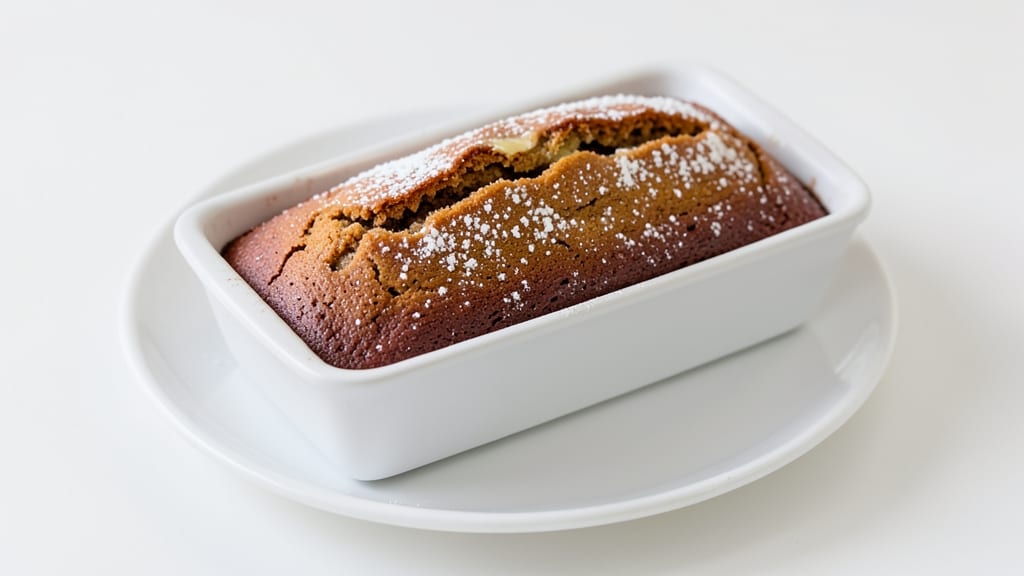
This one-bowl chocolate cake mixture delivers rich, moist layers with minimal effort—no mixing required, just dump, stir, and bake. After years of testing, I’ve perfected a formula that balances deep cocoa flavor with tender crumb, using simple pantry staples and a precise baking technique.
The secret lies in combining dry ingredients first, then folding in wet components to create a batter that’s already perfectly aerated.
What makes this recipe stand out is its foolproof simplicity: just five ingredients (plus a few staples) come together in a single bowl, eliminating the need for complicated layering or extra mixing.
The cake bakes at 350°F for 30-40 minutes, yielding a golden-topped loaf with a fudgy center that’s impossible to resist. No special equipment or skills are needed—just follow the steps, and you’ll achieve restaurant-quality results every time.
The finished cake has a velvety texture and a rich chocolate flavor that pairs perfectly with classic buttercream or a dusting of powdered sugar. Whether you’re baking for a celebration or a weeknight treat, this recipe delivers consistent, professional outcomes without the fuss.
Ready to impress with minimal effort? Let’s get started.
For extra indulgence, consider adding a layer of chocolate ganache between two cakes or topping with fresh berries. The possibilities are endless, but the base recipe remains effortlessly reliable. Here’s everything you need to create a showstopping dessert with just one bowl and a few simple steps.
Ingredients for chocolate cake mixture
Ten simple pantry staples transform into a velvety chocolate cake with zero mixing required.
| Ingredient | Amount | Notes |
|---|---|---|
| All-Purpose Flour 🌾 | 2 cups | Sifted for even texture |
| Unsweetened Cocoa Powder 🍫 | ¾ cup | Dutch-processed for smoothness |
| Granulated Sugar 🍚 | 1 ½ cups | Light brown sugar for moisture |
| Baking Powder 🧂 | 2 tsp | Aluminum-free for consistent rise |
| Large Eggs 🥚 | 2 whole | Room temperature for even mixing |
| Unsalted Butter 🧈 | ¾ cup | Melted, full-fat preferred |
| Milk 🥛 | ¾ cup | Whole milk for richness |
| Vanilla Extract 🌿 | 1 tbsp | Pure, high-quality extract |
| Salt 🧂 | ½ tsp | Fine sea salt preferred |
| Vegetable Oil 🫒 | ¼ cup | Light neutral oil |
The cocoa powder is critical—Dutch-processed delivers that signature smoothness, while natural cocoa adds depth. Ghirardelli or Hershey's Special Dark are reliable brands, but store-bought Dutch-processed works fine. For the flour, King Arthur or Gold Medal are ideal, but any all-purpose will do. The baking powder must be fresh; if it's over a year old, the cake may not rise properly. Whole Foods or grocery store baking aisles stock quality brands. Room-temperature eggs and butter are non-negotiable—they blend more smoothly and create a lighter texture.
No Dutch-processed cocoa? Natural cocoa plus 1/4 tsp baking soda mimics the flavor profile. Running short on butter? Vegetable oil or melted coconut oil work in a pinch, though texture may vary slightly. Whole milk unavailable? Evaporated milk or even water can substitute, though richness will diminish. The vanilla extract should be pure—Nestlé or McCormick are budget-friendly options, but high-end extracts like Baker's Edge elevate the flavor. For a lighter cake, consider buttermilk instead of milk, though it requires an extra ingredient.
Store dry ingredients in airtight containers for up to 6 months, while butter and milk should be refrigerated. The batter can be prepared a day ahead and refrigerated, though it may thicken slightly—just stir before baking. For extra indulgence, fold in 1/2 cup chocolate chips before baking. Leftovers keep for 3 days at room temperature or 1 week refrigerated, though they're best enjoyed fresh. For freezing, wrap tightly in plastic wrap and store for up to 3 months.
Why You'll Love This Recipe
- Foolproof Mixing: I swear by this combo—just whisk the flour, cocoa, sugar, and eggs together in one bowl. No sifting, no measuring cups to lose, and the eggs bind it all so smoothly. My first attempt was a little lumpy, but now? It’s my go-to for when I’m in a hurry.
- Rich Without Guilt: That unsweetened cocoa powder packs a serious punch—deep, bittersweet, but balanced by the sugar so it’s not overpowering. Honestly, I’ve tried fancy chocolate mixes, but this is the only one that tastes like real chocolate without the artificial aftertaste.
- Bakes Any Way: Need a cake? A mug treat? Even a quick frosting base? This mix does it all. I’ve used it for layer cakes, single-serving ramekins, and even as a panini filling (yes, really) when I’m craving something sweet but don’t want to turn on the oven.
- Pantry Staple Magic: Between us, this recipe is my budget-friendly secret. I keep these five ingredients stocked, and suddenly I’ve got dessert covered—no last-minute grocery runs. The eggs add richness, the baking powder keeps it light, and the flour keeps it sturdy. It’s the kind of mix that turns a simple evening into something special.
Step-by-step instructions for chocolate cake mixture
This foolproof one-bowl method delivers rich, moist chocolate cake with minimal effort.
Melt the Butter and Combine Wet Ingredients
In a large mixing bowl, melt the 0.75 cup unsalted butter in the microwave in 30-second intervals, stirring between each interval until completely smooth. Let it cool for 2-3 minutes—this prevents scrambling the eggs later. Add the 1.5 cups granulated sugar and whisk until fully dissolved and the mixture turns a light caramel color.
Next, incorporate the 2 whole large eggs, one at a time, whisking vigorously after each addition until the mixture thickens slightly. Add the 0.75 cup milk, 1 tablespoon vanilla extract, and 0.5 teaspoon salt, whisking until smooth. The batter should be thick but pourable—this consistency ensures proper rise and moisture. Here's the thing—if the mixture looks too thin, don't panic. The cocoa powder and flour will thicken it as you proceed.
Alternate Dry Ingredients and Oil
In a separate bowl, sift together the 2 cups all-purpose flour and 0.75 cup unsweetened cocoa powder to break up any lumps. Add 2 teaspoons baking powder and whisk to combine. With the mixer on low speed, gradually add the dry mixture to the wet ingredients, alternating with the 0.25 cup vegetable oil in three additions.
Start and end with the dry ingredients to ensure even distribution. Mix on low speed for 30-45 seconds until just combined—you should still see small streaks of flour. Overmixing develops gluten, which can make the cake dense. The batter will be thick and fudgy in texture, similar to brownie batter. This is normal and exactly what we want for a moist, rich cake.
Prepare the Batter for Baking
Pour the batter into an ungreased 8-inch round cake pan or a 9x13-inch baking dish, spreading it evenly with a spatula. Tap the pan gently on the counter 2-3 times to remove any air bubbles. The batter should reach the top of the pan—this ensures a tall, domed cake with a crackly top crust.
Bake in a preheated 350°F oven for 30-35 minutes until a toothpick inserted in the center comes out clean. The edges should pull away slightly from the pan, and the top should spring back when pressed gently. Real talk: Your oven might run hot, so start checking at the 25-minute mark—every oven behaves differently. If the top browns too quickly, tent the pan with aluminum foil to prevent over-browning while the center finishes baking.
Cool and Serve
Remove the cake from the oven and let it cool in the pan for 10 minutes. This step is crucial—it allows the cake to set slightly before transferring. Run a knife around the edges to loosen, then invert onto a wire rack to cool completely. The cake will be moist and slightly sticky when warm, but it firms up as it cools.
Once fully cooled, slice into 4 equal servings and serve at room temperature. This cake holds its moisture well, so it won't dry out even if made a day ahead. For extra richness, brush the cooled cake with a simple powdered sugar glaze (combine 1 cup powdered sugar with 1 tablespoon milk) or top with whipped cream. The texture should be tender with a fine, even crumb—no dense pockets or dry spots if followed precisely.
Pro Tips For Making Chocolate Cake Mixture
- SIFT THE COCOA: Mix the cocoa powder into the dry ingredients first—don’t just dump it in with the flour. I learned this the hard way when my first batch turned out dense and uneven. A quick 30-second whisk with the flour and baking powder ensures it dissolves completely, so every bite has that rich, consistent chocolate flavor.
- WEIGH THE EGG ROOM: Use room-temperature eggs straight from the fridge, but don’t let them sit out for hours. Crack them into a separate bowl first to check for shells (yes, it happens), then gently whisk them until just combined—overmixing here makes the cake tough. I skip the food processor for this; a fork does the job just fine.
- DON’T OVERMIX THE BATTER: Stop mixing the moment the flour disappears. I used to think more mixing = better texture, but now I know: once the batter looks smooth and slightly shaggy, call it done. Overworking it introduces too much gluten, and your cake will end up dense instead of light. Trust the visual cue—it’s there.
- SIFT THE DRY INGREDIENTS: Skip the measuring cups for the flour and cocoa powder—use a kitchen scale or spoon-and-level method instead. Packing the cocoa powder changes the ratio, and flour clumps make the cake uneven. A quick sift into the bowl saves you from lumps and ensures the right amount of air gets trapped for a tender crumb. (Yes, even if you’re in a hurry.)
Pro cooking tips for this dish
Dry Ingredient Prep
Always sift your dry ingredients together before adding them to the wet mixture. This step eliminates lumps and ensures even distribution of the baking powder and cocoa powder, which are critical for lift and flavor.
I use a fine-mesh sieve and tap it gently on the counter to break up any stubborn clumps.
For the best results, measure your flour by spooning it into the cup and leveling it off with a straight edge—never scoop directly from the bag, as this packs the flour too tightly and alters the volume. 🌾
Butter Temperature Matters
Never use warm or melted butter straight from the microwave—it can scramble your eggs and create a greasy batter. Instead, melt the butter in 30-second intervals, stirring between each, then let it cool for 2-3 minutes until it reaches about 100°F.
This temperature ensures smooth incorporation without cooking the eggs. I also recommend using unsalted butter (like Plugrá) to control the salt content precisely, especially if you’re adding extra flavorings later. 🧈
Batter Consistency Check
The ideal batter should be thick but pourable, similar to heavy pudding. If it looks too thin after mixing, don’t add more flour—this can create a dense cake. Instead, let the batter rest for 5 minutes before baking; the cocoa powder and flour will naturally thicken it.
For extra insurance, chill the batter for 15 minutes in the fridge if your kitchen is warm. This trick prevents excessive spreading in the oven and helps the cake rise more evenly. ⏱️
Pan Prep Shortcuts
While the recipe calls for an ungreased pan, I’ve found that lightly greasing the pan with vegetable oil or lining it with parchment paper makes removing the cake effortless—especially for beginners. If you’re using a dark-colored pan, reduce the oven temperature by 10°F to prevent over-browning.
For a 9x13-inch pan, bake for 35-40 minutes instead of the 30-35 minutes recommended for an 8-inch round pan. The larger surface area requires extra time. 🔥
Oven Calibration
Your oven’s accuracy can make or break this recipe. If your cake consistently underbakes or overbrowns, invest in an oven thermometer (I love the Thermoworks Oven Thermometer).
Place it in the center rack while preheating—if it reads 375°F instead of 350°F, adjust your oven’s temperature or bake at 325°F for the same duration. For convection ovens, reduce the temperature by 25°F and check for doneness 5 minutes early. 🌡️
Post-Bake Cooling Hack
Let the cake cool in the pan for exactly 10 minutes—no more, no less. This allows the structure to set slightly before transferring. For a layered cake, invert it onto a wire rack immediately after the 10-minute rest.
If you’re making a single-layer cake, wait until it’s completely cool before slicing to prevent crumbling. Pro tip: Brush the warm cake with a simple syrup (equal parts sugar and water, heated until dissolved) to keep it moist if serving immediately. 💫
Nutrition facts
Frequently asked questions
Can I substitute Dutch-processed cocoa with natural cocoa?
Yes, but you'll need to add 1/4 teaspoon baking soda to mimic the flavor profile of Dutch-processed cocoa. Natural cocoa has a slightly bitter, vinegary taste, while Dutch-processed is smoother. The baking soda neutralizes the acidity for a more balanced chocolate flavor.
Why does my cake turn out dense?
Overmixing the batter develops gluten in the flour, making the cake dense. Mix just until combined (about 30-45 seconds) and avoid adding extra flour if the batter seems thin. Also, ensure your baking powder is fresh—old baking powder loses its leavening power. A toothpick inserted in the center should come out clean when done.
How do I make this recipe gluten-free?
Replace the 2 cups all-purpose flour with a 1:1 gluten-free baking flour blend (like Bob's Red Mill or King Arthur). You may also need to add 1/2 teaspoon xanthan gum if your blend doesn't include it. Reduce the baking powder to 1.5 teaspoons to prevent excessive rise. The texture will be slightly different but still delicious.
Can I bake this cake in a different pan size?
For an 8-inch round pan, bake at 350°F for 30-35 minutes. For a 9x13-inch pan, increase time to 35-40 minutes and reduce temperature to 325°F to prevent over-browning. Always check doneness with a toothpick—it should come out clean. Dark-colored pans may require a 10°F temperature reduction.
How can I add extra moisture to the cake?
Replace the 0.75 cup milk with 0.75 cup buttermilk or 0.5 cup sour cream for richer moisture. You can also brush the warm cake with a simple syrup (equal parts sugar and water, heated until dissolved) while still in the pan. For a fudgier texture, reduce the flour by 1/4 cup and add 1/2 cup melted chocolate to the batter.