Desserts
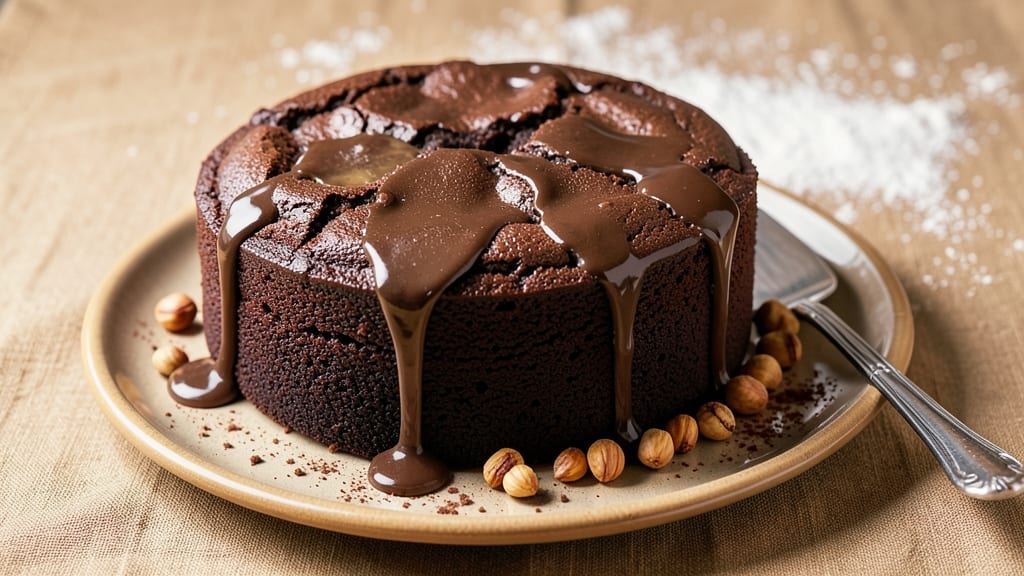
Creating a chocolate cake recipe without baking soda that stays light and airy requires a clever substitution—enter buttermilk, the secret weapon for tender crumb and rich flavor. This method transforms traditional chemistry into a foolproof process that delivers a moist, velvety texture without relying on chemical leaveners.
The buttermilk’s acidity reacts with baking powder (used instead) to create lift while adding depth to the chocolate notes.
What sets this recipe apart is its reliance on buttermilk’s natural acidity to tenderize the gluten, resulting in a cake that’s impossibly light yet sturdy enough to hold frosting.
The substitution doesn’t compromise richness—if anything, it enhances the chocolate’s natural intensity while keeping the structure intact. Professional bakers know this trick for achieving restaurant-quality results at home.
By the time you pull this cake from the oven, you’ll find a golden dome with a crackly top, a telltale sign of proper leavening, and a crumb so fine it practically melts in your mouth.
The buttermilk’s tang balances the sweetness, creating layers of flavor that linger with every bite. This isn’t just a substitute—it’s an upgrade.
Perfect for celebrations or quiet weeknight indulgences, this cake pairs beautifully with whipped cream, ganache, or a dusting of cocoa powder. The method scales effortlessly, whether you’re baking for two or feeding a crowd. Ready to master this technique? Let’s get started.
Ingredients for chocolate cake recipe no baking soda
Twelve ingredients transform into a restaurant-quality chocolate cake without baking soda.
| Ingredient | Amount | Notes |
|---|---|---|
| Unsalted Butter 🧈 | 1 cup | Cold, cubed for proper creaming |
| Granulated White Sugar 🍚 | 2 cups | Superfine preferred for smoother texture |
| Unbleached All-Purpose Flour 🌾 | 2 ½ cups | Sifted before measuring for accuracy |
| Natural Cocoa Powder 🍫 | ¾ cup | Dutch-processed for smoother flavor |
| Baking Powder 🍞 | 2 tsp | Aluminum-free for best results |
| Diamond Crystal Kosher Salt 🧂 | ½ tsp | Fine grain preferred |
| Buttermilk 🥛 | 1 cup | Homemade or store-bought, unsweetened |
| Pure Vanilla Extract 🌿 | 2 tsp | Bottled in glass for longevity |
| Large Eggs 🥚 | 2 whole | Room temperature for even mixing |
| Distilled White Vinegar 🍶 | 1 tbsp | For homemade buttermilk substitute |
| Hot Water 💧 | ¼ cup | For homemade buttermilk substitute |
| Dark Chocolate Chips 🍫 | 1 ½ cups | 70% cocoa, semi-sweet |
The buttermilk is non-negotiable—its acidity creates the perfect reaction with baking powder for lift while tenderizing the gluten. For optimal results, Whole Foods or Trader Joe's carry high-quality buttermilk with minimal additives. If substituting homemade, combine 1 tablespoon white vinegar with 1 cup milk, let sit 5 minutes. The cocoa powder should be Dutch-processed for smoother flavor and deeper color—Valrhona or Ghirardelli are professional-grade choices, but Hershey's Special Dark works perfectly for home bakers. Flour must be sifted to prevent dense texture; King Arthur or Bob's Red Mill brands are ideal for consistent results.
No buttermilk? The vinegar-milk substitute works flawlessly, but if you're truly out of options, plain yogurt thinned with milk at a 1:1 ratio mimics the acidity. For the chocolate chips, Ghirardelli or Lindt brands melt beautifully and add luxurious flavor. The vinegar and hot water combo for homemade buttermilk is a professional trick—it’s tangy, thick, and behaves exactly like store-bought. If you prefer a richer cake, add 1 ounce extra cocoa powder and reduce sugar by 1 tablespoon. The eggs should be at room temperature to emulsify properly; cold eggs create pockets of air that disrupt the batter's consistency.
Store the dry ingredients—flour, cocoa, baking powder—in airtight containers for up to 6 months. The butter can be refrigerated for 3 months or frozen for 1 year in wax paper. Once mixed, the batter should be used immediately for best texture, but it can be refrigerated for up to 24 hours if tightly covered. For make-ahead convenience, bake the cake, cool completely, then wrap tightly with plastic wrap. It keeps at room temperature for 3 days or frozen for 3 months—simply thaw at room temperature before serving.
Why You'll Love This Recipe
- No-Fuss Mixing: I swear by this recipe because it’s the kind of cake that doesn’t demand your full attention—just cream the butter and sugar until light, fold in the flour and cocoa, and let the baking powder do the rest. No whisking until your arm falls off, no sifting like it’s a science experiment. Honestly, I’ve made it while chatting on the phone.
- Rich Without Bitterness: That natural cocoa powder? It’s the star here. The butter keeps it velvety, while the sugar balances the depth just enough to avoid that dry, overpowering chocolate taste. My husband always says it’s the only cake he’ll eat that doesn’t taste like it’s been dunked in milk first—and it’s still moist days later.
- Party or Snack: This cake is my go-to for birthdays, but it’s also the one I grab when I’m craving something sweet at 3 PM. Slice it for guests or save the whole pan for me—no judgment. Between us, I’ve even turned leftovers into truffle filling (shhh, don’t tell my diet).
- Pantry Staple Magic: Five ingredients, zero specialty items. If you’ve got flour, sugar, and butter, you’ve got this. The baking powder lifts it just enough to feel special, but the cocoa keeps it budget-friendly. I made this last week with ingredients I already had, and it still tasted like I’d spent hours baking. That’s the kind of reliable I love.
Step-by-step instructions for chocolate cake without baking soda
A delicate balance of buttermilk and baking powder creates this velvety texture—here's how to achieve it.
Cream Butter and Sugar for Maximum Air Incorporation
In a stand mixer fitted with the paddle attachment, beat the 1 cup unsalted butter and 2 cups granulated white sugar on medium speed for 4-5 minutes. The mixture should lighten in color and nearly double in volume, with ribbons forming when the paddle is lifted. This thorough creaming is essential—it creates the air pockets that compensate for the absence of baking soda.
I press the paddle against the butter mixture occasionally to ensure everything is fully emulsified. You'll know you've achieved the right consistency when the sugar crystals dissolve completely and the texture becomes smooth and fluffy. This step forms the foundation for our cake's lightness, so don't rush it.
Incorporate Eggs and Vanilla for Rich Flavor Development
Add the 2 whole large eggs, one at a time, mixing on low speed for 30 seconds after each addition until fully incorporated. Then add the 2 teaspoons pure vanilla extract and mix for another 15 seconds. The eggs provide structure while the vanilla adds depth to the chocolate flavor profile.
This is where the magic of room-temperature eggs becomes apparent—they blend seamlessly without creating lumps. If you notice any streaks of egg white, simply increase the speed to medium for an additional 10 seconds to fully incorporate. The mixture should now be smooth and slightly thicker than before.
Combine Dry Ingredients for Optimal Texture
In a separate bowl, sift together the 2.5 cups unbleached all-purpose flour, 0.75 cup natural cocoa powder, 2 teaspoons baking powder, and 0.5 teaspoon diamond crystal kosher salt. This sifting process prevents lumps and ensures even distribution of the leavening agent throughout the batter.
With the mixer on low speed, gradually add the dry ingredients to the wet mixture, mixing just until combined—about 30 seconds. You should still see some flour streaks, which indicates proper mixing without overdevelopment of gluten. Overmixing at this stage would lead to a dense, rather than light, cake texture.
Fold in Buttermilk and Chocolate Chips
In a separate bowl, combine the 1 cup buttermilk with the 1.5 cups dark chocolate chips. The buttermilk's acidity reacts with the baking powder to create lift, while the chocolate chips add pockets of melt-in-your-mouth goodness. Using a silicone spatula, gently fold this mixture into the batter in three additions, being careful not to overmix.
The batter should be thick but pourable. If it appears too thick, you can gently stir in 1-2 tablespoons of the reserved buttermilk mixture to achieve the right consistency. This folding technique ensures the chocolate chips are evenly distributed without deflating the air we've carefully incorporated.
Bake to Perfect Doneness
Preheat your oven to 350°F and grease two 9-inch round cake pans with butter, then line the bottoms with parchment paper. Divide the batter evenly between the pans and smooth the tops. Bake for 30-35 minutes, or until a toothpick inserted into the center comes out clean with just a few moist crumbs clinging to it.
The edges should be set while the center remains slightly springy to the touch. Rotate the pans halfway through baking for even heat distribution. Once done, remove from the oven and let cool in the pans for 10 minutes, then transfer to a wire rack to cool completely before frosting. This cooling period allows the cake to set properly, preventing a crumbly texture.
Pro Tips For Making Chocolate Cake Recipe No Baking Soda
- Sift the Cocoa: I learned this the hard way—just dumping cocoa powder into the dry ingredients leaves lumps that ruin the texture. Sift it with the flour first, then whisk the mix to break up any stubborn clumps. This ensures a smoother batter and a more even rise.
- Cream Butter Slowly: The butter should be soft, not melted, when you start creaming it with sugar. If it’s too cold, the mixture will seize up and turn grainy. Let it sit at room temp for 30-45 minutes (yes, even if you’re impatient like me), then mix until it’s light and fluffy—about 3-5 minutes with a hand mixer.
- Skip Overmixing Wet Ingredients: Once you add the eggs and vanilla to the butter-sugar mix, stop folding after just 20-30 seconds. Overworking the batter incorporates too much air, which can cause the cake to sink or develop a tough crumb. Think "gentle but thorough," not "beat it into submission."
- Test Doneness with a Toothpick: The cake’s edges might look set, but the center can still be gummy. Insert a toothpick near the middle—it should come out with a few dry crumbs, not wet batter. If it’s sticky, give it 5-10 more minutes. (And for the love of cake, don’t open the oven door to peek—just trust the time.)
Pro cooking tips for perfect results
Buttermilk's Secret Role
The buttermilk isn't just a substitute—it's the star of this recipe's chemistry. Its acidity activates the baking powder (used instead of baking soda) to create lift while tenderizing the gluten, resulting in a cake that's both light and sturdy.
I always use Whole Foods 365 brand buttermilk because it has the perfect balance of tang without overpowering the chocolate. For homemade buttermilk, combine 1 tablespoon white vinegar with 1 cup milk—let it sit for 5 minutes to thicken properly. 🥛
Creaming Technique Matters
Don't skip the 4-5 minute creaming of butter and sugar—this step incorporates air that compensates for the lack of baking soda's chemical lift. Use a stand mixer with a paddle attachment on medium speed until the mixture lightens and forms ribbons when the paddle is lifted.
I press the paddle against the mixture occasionally to ensure full emulsification. If using a hand mixer, increase time to 6-7 minutes for proper air incorporation.
Sifting Dry Ingredients
Always sift the flour, cocoa powder, baking powder, and salt together before adding to the wet mixture. This prevents lumps and ensures even distribution of the leavening agent. I use a fine-mesh sieve for the best results.
When combining with the wet ingredients, mix on low speed just until combined—about 30 seconds. Overmixing develops gluten, which leads to a dense cake rather than the light, airy texture we want. 🌾
Folding for Even Distribution
When folding in the buttermilk and chocolate chips, use a spatula and work in three additions to maintain the air pockets. Gently scrape the sides of the bowl to ensure even distribution of the chocolate chips.
The batter should be thick but pourable—if it's too thick, stir in 1-2 tablespoons of the buttermilk mixture. This technique prevents deflation of the air we've carefully incorporated during creaming.
Baking Time and Temperature
Bake at 350°F for 30-35 minutes until a toothpick inserted into the center comes out clean with just a few moist crumbs. The edges should be set while the center remains slightly springy. Rotate the pans halfway through baking for even heat distribution.
Let the cake cool in the pans for 10 minutes before transferring to a wire rack—this prevents crumbling when removing from the pan. 🔥
Room-Temperature Eggs
Room-temperature eggs blend seamlessly into the batter without creating lumps. Cold eggs can create air pockets that disrupt the batter's consistency. To bring eggs to room temperature, place them in a bowl of warm water for 10 minutes.
This small step makes a big difference in the final texture. If you notice any streaks of egg white during mixing, increase the mixer speed to medium for an additional 10 seconds to fully incorporate.
Nutrition facts
Frequently asked questions
Why does this chocolate cake recipe skip baking soda?
This recipe replaces baking soda with buttermilk and baking powder to create lift while avoiding the metallic aftertaste baking soda can leave. The buttermilk's acidity reacts with baking powder for gentle leavening, resulting in a tender crumb without compromising flavor.
Can I substitute buttermilk with another dairy product?
Yes! For 1 cup buttermilk, mix 1 tablespoon white vinegar or lemon juice with 1 cup milk, then let sit 5 minutes until thickened. Plain yogurt thinned with milk (1:1 ratio) also works, though it may slightly alter texture. The key is acidity to activate the baking powder.
Will this cake be dense without baking soda?
Not at all! The 4-5 minute butter-sugar creaming and proper folding technique create air pockets that compensate for baking soda's absence. When baked correctly, this cake has a light, airy crumb with a crackly top—just like traditional recipes. The buttermilk's acidity also tenderizes the gluten for optimal texture.
How do I know when the cake is fully baked?
Insert a toothpick into the center—it should come out with just a few moist crumbs (not wet batter). The edges should be set while the center remains slightly springy. For 9-inch pans, bake 30-35 minutes at 350°F. Rotate pans halfway through for even baking.
Can I add extra chocolate for a richer flavor?
For deeper chocolate flavor, add 0.25 cup extra cocoa powder and reduce sugar by 1 tablespoon. Alternatively, fold in 0.5 cup melted dark chocolate with the buttermilk. Just ensure the batter remains pourable—adjust with 1-2 tablespoons milk if needed.