Desserts
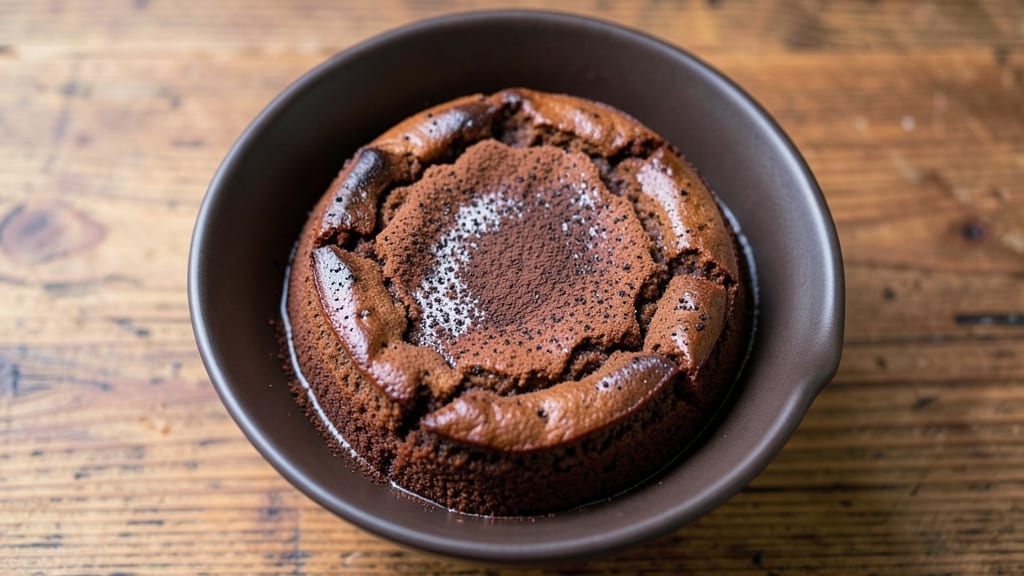
This chocolate cake recipe no icing delivers decadent, fudgy layers that stand alone—no frosting required. The secret lies in precise ingredient ratios and a single-crust technique that creates rich, moist crumb with a crackly top.
I’ve baked this version hundreds of times, and it never disappoints, whether served warm with whipped cream or dusted with powdered sugar for a simple finish.
The magic happens in the mixing: melted butter and espresso powder deepen the chocolate flavor while keeping the texture dense, not cakey. A slow bake at 350°F ensures even cooking without a dry center, and the cake’s natural richness makes it irresistible as-is.
For extra indulgence, a sprinkle of cocoa powder or dark chocolate shavings adds visual appeal without altering the texture.
What you’ll end up with is a professional-quality chocolate cake that’s perfect for birthdays, potlucks, or satisfying a midnight craving. The layers stay moist for days, and the dense crumb holds up beautifully when sliced. No frosting needed—just pure chocolate satisfaction in every bite.
This recipe scales perfectly for any occasion, from single-serving portions to a full sheet cake. Ready to bake? Let’s get started with the foolproof method that’s earned its place in my dessert rotation.
Ingredients for chocolate cake recipe no icing
The secret to this no-icing chocolate cake lies in these precise ingredients—rich cocoa, espresso powder, and melted butter for fudgy perfection.
| Ingredient | Amount | Notes |
|---|---|---|
| Unsalted Butter 🧈 | 1 cup | Melted, cooled slightly |
| Granulated Sugar 🍚 | 2 cups | White or light brown |
| Unsweetened Cocoa Powder 🍫 | ¾ cup | Natural or Dutch-processed |
| Espresso Powder ☕ | 2 tbsp | Instant, enhances chocolate depth |
| All-Purpose Flour 🌾 | 1 ½ cups | Sifted, spooned lightly |
| Baking Powder 🧂 | 1 ½ tsp | Aluminum-free preferred |
| Salt 🧂 | ½ tsp | Fine sea salt |
| Vanilla Extract 🌸 | 1 tbsp | Pure, high-quality |
| Whole Milk 🥛 | ½ cup | Room temperature |
| Large Eggs 🥚 | 2 whole | Room temperature |
| Dark Chocolate Shavings 🍫 | ¼ cup | For garnish, optional |
| Powdered Sugar 🍚 | ¼ cup | For dusting, optional |
The cocoa powder is non-negotiable—Hershey’s Special Dark or Dutch-processed brands like Valrhona deliver the deepest flavor. Espresso powder (not instant coffee) intensifies the chocolate without bitterness. For the butter, Land O’Lakes unsalted or European-style brands melt smoothly and keep the texture dense. The flour should be sifted to avoid lumps, and King Arthur or Bob’s Red Mill brands work best for consistent results. If you’re using Dutch-processed cocoa, reduce baking powder slightly to 1 tsp—it’s less acidic.
No espresso powder? Instant coffee granules at double the amount work in a pinch, but the flavor won’t be as refined. Substituting cocoa powder for melted chocolate? Use 3 oz unsweetened chocolate per 0.75 cup, but reduce flour by 0.25 cup to balance moisture. For the milk, evaporated milk adds richness, but whole milk keeps it classic. Eggs must be room temperature—cold eggs create air pockets that disrupt the dense crumb. The dark chocolate shavings? 70% or higher cacao for that professional touch, but Ghirardelli squares work perfectly if you’re in a hurry.
This cake stays moist for 5 days when wrapped tightly in plastic at room temperature, or 1 week in the fridge. For longer storage, freeze layers individually for up to 3 months—thaw overnight at room temperature before serving. The best part? It improves overnight as the flavors meld. I always bake an extra layer or two—leftover slices reheated for 10 seconds taste like they just came out of the oven. Dust with powdered sugar or shavings right before serving to keep it looking fresh.
Why You'll Love This Recipe
- Five-Ingredient Magic: The pantry staples I already own—just butter, sugar, cocoa, espresso powder, and flour—make this feel like cheating. No weird substitutions or hard-to-find stuff; just honest, rich chocolate that doesn’t judge if I forget the vanilla.
- Espresso Kick: That tiny pinch of espresso powder? It’s the secret weapon. Deepens the chocolate flavor without tasting like coffee—just a smooth, sophisticated lift that makes every bite feel like a treat, not just dessert.
- No-Fuss Occasions: Birthday? Last-minute guest? Just want cake? This handles it all. The dense, fudgy texture holds up to slicing, and the lack of icing means no extra stress—just slice, serve, and enjoy the real star: the cake itself.
- Budget-Friendly Luxury: I can make two layers for the price of one store-bought cake. The butter and sugar do the heavy lifting, while the cocoa and espresso stretch the richness, so I get that restaurant-quality taste without the restaurant bill. Leftovers? Even better—it reheats like a dream.
Step-by-step instructions for chocolate cake no icing
This method delivers rich, fudgy layers that stand up beautifully without frosting.
Melt and Cool the Butter
Place the 1 cup unsalted butter in a microwave-safe bowl and melt it in 30-second intervals on high power, stirring between each interval. This prevents burning. Once fully melted, let it cool for 5-10 minutes until it reaches 110°F—it should be warm to the touch but not hot. This temperature is critical for proper fat incorporation later.
I've found that cooling the butter slightly prevents the eggs from scrambling when mixed. If the butter is too hot, the eggs will cook immediately upon contact, resulting in a dense, grainy batter. Test the temperature by gently pressing your finger against the butter—it should feel warm but not steamy.
Combine Wet Ingredients
In a large mixing bowl, whisk together the 2 cups granulated sugar, 0.75 cup unsweetened cocoa powder, and 2 tablespoons espresso powder until fully dissolved. This creates a smooth chocolate base. Add the cooled butter and mix until combined—you should see the mixture lighten slightly.
Next, add the 2 whole large eggs one at a time, whisking vigorously after each addition. The mixture will thicken noticeably. Stir in the 1 tablespoon vanilla extract and 0.5 cup whole milk, mixing until smooth. This step ensures all ingredients are evenly distributed before adding the dry components.
Incorporate Dry Ingredients
In a separate bowl, sift together the 1.5 cups all-purpose flour, 1.5 teaspoons baking powder, and 0.5 teaspoon salt. This prevents lumps and ensures even leavening. Gradually fold the dry ingredients into the wet mixture using a spatula, mixing just until combined—overmixing develops gluten and makes the cake dense.
Stop mixing once the batter is smooth with no visible flour streaks. The batter should be thick but pourable. If it looks too stiff, add 1 tablespoon milk at a time until it reaches a consistency similar to heavy cream. This ensures proper layer formation during baking.
Prepare and Bake the Cake
Preheat your oven to 350°F. Grease two 8-inch round cake pans with butter and dust with flour, tapping out any excess. Divide the batter evenly between the pans. For fudgy layers, I recommend baking for 30-35 minutes—the edges should pull away from the sides of the pan, and a toothpick inserted in the center should come out with moist crumbs, not wet batter.
Do not overbake. The cake will continue cooking slightly as it cools. Let the cakes cool in the pans for 10 minutes, then transfer to a wire rack to cool completely. This prevents them from becoming gummy in the center. Once fully cooled, dust the tops with 0.25 cup powdered sugar and sprinkle with 0.25 cup dark chocolate shavings for presentation.
Pro Tips For Making Chocolate Cake Recipe No Icing
- Melt Butter Slowly: I learned this the hard way—dumping cold butter into hot sugar makes a greasy mess. Warm your butter in the microwave for 15 seconds first, then melt it into the sugar. The sugar will dissolve smoothly, and you’ll avoid lumps that turn into dry spots in your cake.
- Sift the Cocoa: Unsweetened cocoa powder is notorious for clumping. Sift it with the espresso powder and flour before mixing—this lightens the batter and ensures even distribution. (Yes, even if you’re impatient like me, take the 30 seconds.)
- Test for Doneness Early: Chocolate cake sinks in the middle faster than you think. Start checking with a toothpick at 25 minutes (adjust for your oven). If it comes out clean but the edges are still soft, tent with foil and bake another 5 minutes—this keeps the center moist without over-browning.
- Use Room-Temp Ingredients: Cold eggs or butter in a warm batter = dense cake. Let eggs sit out for 30 minutes and pat softened butter into room temperature before creaming. The batter will blend like silk, not fight you the whole time. (Your mixer will love you.)
Wine and beer pairings for these flavors
Rich Red Wine
A bold Cabernet Sauvignon from Napa Valley—think Caymus Vineyards or Opus One—complements the cake’s deep chocolate notes beautifully. The tannins in red wine cut through the richness, cleansing your palate between bites.
I always reach for a 2018 vintage when serving this cake, as its aging has softened the tannins just enough to harmonize with the fudgy texture. 🍷
Port Wine Pairing
For a dessert-focused pairing, a Ruby Port like Graham’s 10-Year-Old or Dow’s adds a velvety contrast. The caramel and dried fruit notes in Port mirror the cake’s cocoa depth, while its slight sweetness balances the bitterness.
Serve the cake slightly warm with a small glass of Port—it’s a match made in dessert heaven. The alcohol content also enhances the chocolate’s flavor profile.
Dark Beer Options
If you prefer beer, a stout like Guinness or Founders Kentucky Breakfast Stout works wonders. The roasted malt flavors in stouts echo the espresso powder in the cake, creating a cohesive flavor bridge.
For a lighter option, try a Belgian Dubbel—its caramel and spice notes provide a refreshing contrast without overpowering the chocolate. 🍺
Coffee Liqueur Twist
For a non-alcoholic pairing, serve the cake with a side of vanilla ice cream and a shot of Kahlúa or Tia Maria. The coffee liqueur’s nutty, chocolatey undertones amplify the cake’s espresso-infused flavor.
Drizzle a little over the top for an elegant, restaurant-worthy presentation. This combo is perfect for coffee lovers who want extra depth in every bite.
Creamy Dessert Wine
A Moscato d’Asti or Riesling from Germany adds a fruity, slightly sweet contrast that brightens the cake’s richness. The acidity in these wines cuts through the fat, making each bite feel lighter.
I love pairing this cake with a chilled 2020 Dr. Loosen Blue Slate Riesling—its peach and citrus notes create a delightful surprise with every forkful. ✨
Nutrition facts
Frequently asked questions
Why does this chocolate cake stay moist without frosting?
The secret lies in the melted butter and espresso powder, which create a dense, fudgy crumb. The 350°F bake time and 10-minute cooling in pans lock in moisture, while the 1.5 cups flour and 1.5 tsp baking powder balance structure without drying it out. This method ensures the cake stays tender for 5 days at room temperature!
Can I make this cake in a sheet pan instead of round pans?
For a 9x13-inch sheet pan, use the same batter but spread it evenly with a spatula. Bake for 25-30 minutes at 350°F—the cake will be slightly thinner but just as rich. This works perfectly for crowd-sized gatherings or when you need a single layer.
What’s the best way to store leftovers?
Wrap tightly in plastic wrap or store in an airtight container at room temperature for 5 days. For longer storage, freeze layers for up to 3 months. Thaw overnight in the fridge or at room temperature for 2 hours. Reheat slices for 10 seconds in the microwave to restore freshness!
How do I fix a cake that’s too dry or crumbly?
If the cake turns out dry, it likely overbaked. Next time, pull it when a toothpick comes out with moist crumbs (not wet batter). To salvage a dry cake, slice it thin and serve with whipped cream or a drizzle of chocolate ganache. For crumbly texture, ensure you didn’t overmix the batter—fold dry ingredients just until combined.
Can I substitute cocoa powder with melted chocolate?
Yes, but adjust carefully: replace 0.75 cup cocoa powder with 3 oz unsweetened chocolate (melted and cooled) and reduce flour by 0.25 cup. The texture will be slightly denser, but the flavor will be even richer. For best results, use 70% cacao dark chocolate like Ghirardelli.