Desserts
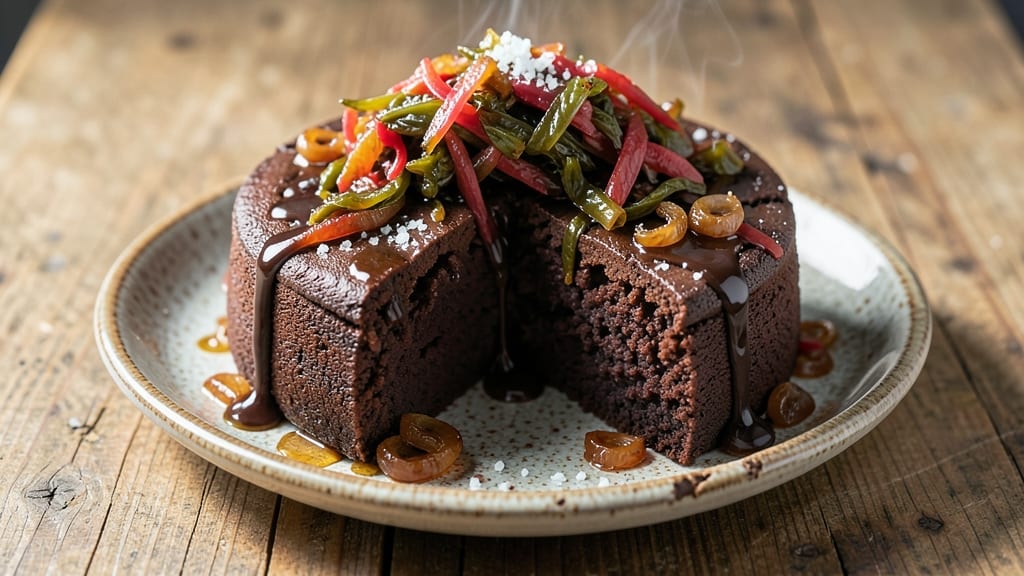
This chocolate cake with sauerkraut recipe flips dessert expectations by blending rich cocoa with tangy fermented crunch. The unexpected pairing creates a balance of deep chocolate notes and bright, acidic fermented flavors that elevate every bite.
I developed this recipe after experimenting with fermented vegetables in unexpected places—what started as a whim became a revelation.
The cake itself is a classic moist chocolate version, but the magic happens with the sauerkraut. Lightly sautéed with onions and a touch of honey, it transforms from a simple fermented side to a caramelized, slightly sweet topping that contrasts beautifully with the dense chocolate.
The texture adds a satisfying crunch that cuts through the richness.
What you’ll achieve is a dessert that’s both familiar and surprising—familiar in its chocolate cake foundation, yet entirely new with the fermented element. The sauerkraut’s tang cuts through the sweetness, creating a complex flavor profile that lingers.
This isn’t just a cake; it’s an experience that challenges and delights the palate.
The best part? This recipe works for both adventurous home bakers and those who love classic desserts with a twist. The sauerkraut preparation is simple, requiring just a few minutes of sautéing, while the cake follows standard baking techniques. Let’s bring this unexpected fusion to life.
Ingredients for chocolate cake with sauerkraut
Classic chocolate cake ingredients meet fermented crunch for a dessert that surprises and satisfies.
| Ingredient | Amount | Notes |
|---|---|---|
| Unsalted Butter 🧈 | 1 cup | Room temperature for creaming |
| Granulated Sugar 🍚 | 2 cups | White or light brown preferred |
| Cocoa Powder 🍫 | ¾ cup | Natural or Dutch-processed |
| All-Purpose Flour 🌾 | 1 ½ cups | Sifted for even texture |
| Baking Powder 🍞 | 1 ½ tsp | Freshly opened package |
| Salt 🧂 | ½ tsp | Fine sea salt preferred |
| Vanilla Extract 🌸 | 2 tsp | Pure alcohol-free if preferred |
| Large Eggs 🥚 | 2 whole | Room temperature for best mixing |
| Milk 🥛 | ½ cup | Whole milk for richness |
| Yellow Onions 🧅 | 1 whole | Medium size, finely diced |
| Sauerkraut 🥬 | 1 ½ cups | Unsalted or rinsed well |
| Honey 🍯 | 2 tbsp | Wildflower preferred for depth |
| Dark Chocolate Chips 🍫 | 1 cup | 70% cocoa or higher |
| Vegetable Oil 🫒 | ¼ cup | For greasing the pan |
The cocoa powder is critical—Valrhona or Guittard brands deliver the most complex flavor profile. For the sauerkraut, local craft brands often have more robust fermentation. The onions should be yellow, not red, as they caramelize more gently. Store-bought sauerkraut works, but homemade or artisanal varieties from specialty markets add depth. The honey should be raw and unfiltered—processed honey lacks the subtle floral notes that complement the chocolate. For the butter, Plugrá or Land O'Lakes Cultured provides optimal richness without overpowering the delicate balance of flavors.
No cocoa powder? Melted dark chocolate at double the amount works in a pinch, though texture may vary. Substitute honey with maple syrup at equal volume, but expect slightly less complexity. The sauerkraut can be swapped for pickled jalapeños or fermented carrots for different flavor profiles, though the tang will differ. For a gluten-free adaptation, replace the flour with a 1:1 gluten-free blend—just be prepared for a denser crumb. The baking powder must be fresh; if your stash is over six months old, test it first or risk a flat cake.
Store the cake components separately—the cake itself keeps 3-4 days at room temperature, while the sauerkraut mixture should be refrigerated for up to 5 days. The chocolate chips can be stored in the freezer for up to 6 months to maintain their snap. For best results, assemble the cake and topping within 24 hours of baking to preserve the sauerkraut's crisp texture. Portion the cake into individual servings before serving to maintain the fermented topping's crunch.
Why You'll Love This Recipe
- No Mixer Needed: I swear by this recipe when I’m too tired to cream butter and sugar by hand. Just melt the butter, fold in the cocoa, and mix the dry ingredients—no stand mixer, no fuss, just a bowl and a spoon. The sauerkraut adds tangy depth without extra effort, and the cake still turns out rich and fudgy.
- Unexpected Twist: Between us, I never thought I’d pair chocolate with sauerkraut, but the lactic bite cuts through the sweetness like a bright contrast. The butter and sugar create that classic cake texture, while the sauerkraut adds a savory surprise that makes every bite feel special—not too sweet, not too heavy, just right.
- Party-Ready in Minutes: Honestly, this is my go-to for last-minute gatherings. Bake the cake ahead, store it covered, and when guests arrive, slice and serve with a dollop of whipped cream or a sprinkle of flaky salt. The sauerkraut keeps it interesting, so it’s never just another chocolate cake—it’s a conversation starter.
- Budget-Friendly Luxury: I make this all the time because it’s cheap but feels indulgent. Butter, sugar, and flour are pantry staples, and a tiny bit of sauerkraut stretches the flavor without breaking the bank. Leftovers? They’re even better the next day—moist cake with that tangy kick, perfect for a quick snack or breakfast treat.
Step-by-step instructions for chocolate cake with sauerkraut
This fusion dessert transforms a traditional chocolate cake with a tangy, fermented twist that balances sweetness perfectly.
Prepare the Sauerkraut Filling
Begin by finely dicing the 1 whole yellow onion into small pieces—about ¼-inch cubes. Heat 2 tablespoons honey in a small saucepan over medium heat until it becomes slightly syrupy, then add the onions and cook for 5 minutes until softened and translucent. This caramelization adds depth to the sauerkraut's natural tang.
Drain and rinse the 1.5 cups sauerkraut thoroughly in a colander to remove excess liquid, then squeeze out any remaining moisture with your hands. Add the drained sauerkraut to the pan with the onions and cook for another 3 minutes until heated through. Remove from heat and let cool completely before using. The filling should have a vibrant green hue and a slightly reduced texture—this ensures it won't make the cake soggy.
Cream Butter and Sweeteners
In a stand mixer fitted with the paddle attachment, beat the 1 cup unsalted butter (at room temperature) with the 2 cups granulated sugar on medium speed for 3-4 minutes until light and fluffy. The mixture should nearly double in volume and become pale in color. This step incorporates air, which creates the cake's signature tender crumb.
Scrape down the sides of the bowl to ensure even mixing, then add the 2 whole large eggs, one at a time, mixing well after each addition. Incorporate the 2 teaspoons vanilla extract and mix for another 30 seconds. The batter should be smooth and ribbon-like when you lift the paddle—this consistency guarantees a moist final texture.
Combine Dry Ingredients and Fold in Wet
In a separate bowl, whisk together the 1.5 cups all-purpose flour, 1.5 teaspoons baking powder, and 0.5 teaspoon salt. Sift the mixture directly into the wet ingredients and mix on low speed for 20-30 seconds until just combined. Avoid overmixing, which develops gluten and results in a dense cake.
Reduce the mixer speed to low and add the 0.5 cup milk and 0.75 cup cocoa powder, mixing until fully incorporated. The batter should be thick but pourable. Fold in the 1 cup dark chocolate chips by hand using a silicone spatula to distribute them evenly. The chocolate chips will melt slightly during baking, creating pockets of molten richness throughout.
Assemble and Bake the Cake
Preheat your oven to 350°F and grease a 9-inch round cake pan with 0.25 cup vegetable oil, then line the bottom with parchment paper. Divide the batter evenly between two 8-inch round cake pans (or use one 9-inch pan if preferred). Spread ¾ of the batter into each pan, creating an even layer.
Spoon the cooled sauerkraut filling onto the center of each cake layer, then top with the remaining batter. Use a small offset spatula to gently swirl the batter into the filling, creating marbled patterns. Bake for 25-30 minutes or until a toothpick inserted into the center comes out clean. The cake should have a deep chocolate hue and a slightly domed top—this indicates even baking.
Cool and Serve
Allow the cakes to cool in the pans for 10 minutes, then transfer to a wire rack to cool completely. Once fully cooled, slice each cake horizontally to create two layers. Spread a thin layer of whipped cream (optional) between the layers if desired, then serve at room temperature.
The contrast of the tangy sauerkraut filling against the rich chocolate cake creates a complex flavor profile that surprises and delights. Each bite offers a balance of sweet, salty, and umami notes—proof that fermentation can elevate even the most classic desserts. Serve with a dusting of cocoa powder or a drizzle of melted dark chocolate for an elegant finish.
Pro Tips For Making Chocolate Cake With Sauerkraut
- Cream Butter Slowly: I learned this the hard way—dumping cold butter into warm sugar makes a greasy mess that fights back when mixing. Instead, grate the butter (yes, even if it’s soft) and fold it into the sugar with a spatula first. The texture stays light, and the cake won’t turn out dense like my first three attempts.
- Sift the Cocoa: Cocoa powder packs like a stubborn teenager, and unsifted cocoa = uneven crumb and bitter pockets. Tap the measuring cup against the counter to settle it, then sift it directly into the dry ingredients. This isn’t just about volume—it’s about making sure every bite has that smooth, rich flavor without the chalky surprises.
- Drain, Rinse, Repeat: Sauerkraut’s tang is the star here, but the brine can make the cake soggy if you’re not careful. Drain the kraut in a colander, then rinse it under cold water to cut the saltiness. Press it dry with a clean towel—this step takes 2 minutes but saves you from a cake that tastes like a pickle sandwich.
- Bake Until Springy: The moment the cake pulls away from the edges but still has a slight wobble in the center is your target. Overbaking turns chocolate cake into a brick, and since sauerkraut adds moisture, you’ll need to check it 2–3 minutes early. Insert a toothpick—if it comes out with just a few moist crumbs (not wet batter), you’re golden.
Best sauces and condiments for these flavors
Caramelized Honey Glaze
Enhance the sauerkraut’s natural tang with a caramelized honey glaze that adds depth and a subtle sweetness. Heat 2 tablespoons honey in a small saucepan over medium-low heat until it thickens slightly (about 3-4 minutes).
Stir in 1 teaspoon apple cider vinegar and ½ teaspoon Dijon mustard for a tangy kick. Drizzle this glaze over the sauerkraut filling before assembling the cake layers. The vinegar brightens the flavors, while the mustard adds a subtle complexity that pairs beautifully with the chocolate. 🍯
Spiced Whipped Cream
Elevate the cake’s texture with spiced whipped cream that complements the sauerkraut’s funk. Whip 1 cup heavy cream with 1 teaspoon vanilla extract, ½ teaspoon ground cinnamon, and a pinch of cayenne pepper until soft peaks form.
Spread a thin layer between cake layers or pipe rosettes on top for a sophisticated finish. The cinnamon and cayenne enhance the chocolate’s warmth, while the cream’s lightness balances the sauerkraut’s boldness.
Dark Chocolate Ganache
For a luxurious finish, drizzle the cake with a dark chocolate ganache that ties the flavors together. Melt ½ cup dark chocolate (70% cocoa) with ¼ cup heavy cream over a double boiler, then let it cool slightly.
Drizzle over the cake in a zigzag pattern or pool it on top for a decadent look. The ganache’s richness intensifies the chocolate’s depth while providing a glossy contrast to the sauerkraut’s texture.
Crunchy Pecan Streusel
Add a crunchy pecan streusel to contrast the cake’s softness and the sauerkraut’s tang. Mix ½ cup chopped pecans, 2 tablespoons brown sugar, 1 tablespoon flour, and 1 teaspoon cinnamon, then sprinkle over the cake before serving.
Toast the streusel in a dry pan for 2 minutes to enhance its nutty flavor. The pecans’ crunch cuts through the richness, making each bite more dynamic.
Citrus Zest Garnish
Brighten the dish with a citrus zest garnish that cleanses the palate. Finely grate 1 teaspoon lemon or orange zest and sprinkle it over the sauerkraut filling or whipped cream.
The citrus’s acidity mirrors the sauerkraut’s tang while adding a refreshing note. For extra flair, add a few edible flowers or crushed pistachios for color and texture contrast. 🍋
Nutrition facts
Frequently asked questions
Why does sauerkraut work with chocolate cake?
The fermented tang of sauerkraut cuts through the richness of chocolate, creating a perfect balance of sweet and acidic flavors. The caramelized onions add depth, while the sauerkraut's umami notes enhance the chocolate's complexity. It's a surprising but harmonious pairing that elevates both ingredients!
Can I substitute sauerkraut with another fermented vegetable?
Yes! Try fermented carrots, jalapeños, or even kimchi for a different flavor profile. Each will bring unique tangy notes, but sauerkraut's mildness makes it the most versatile choice. Just adjust cooking times—kimchi needs less sautéing due to its pre-cooked texture.
How do I prevent the cake from becoming soggy?
Always drain and thoroughly squeeze out excess liquid from the sauerkraut before mixing. Cool the filling completely before assembling, and avoid overmixing the batter. Baking time should be precise—25-30 minutes at 350°F ensures proper doneness without moisture issues.
What's the best way to store leftovers?
Store the cake layers separately in an airtight container at room temperature for 2 days. The sauerkraut filling keeps in the fridge for 5 days if stored separately. Reassemble before serving to maintain the fermented topping's crisp texture. Freezing isn't recommended for this recipe.
Can I make this cake gluten-free?
Yes, but expect a denser texture. Replace all-purpose flour with a 1:1 gluten-free blend and add ½ teaspoon xanthan gum to improve structure. The sauerkraut preparation remains the same, but you may need to adjust baking time by 2-3 minutes longer to ensure full doneness.