Desserts
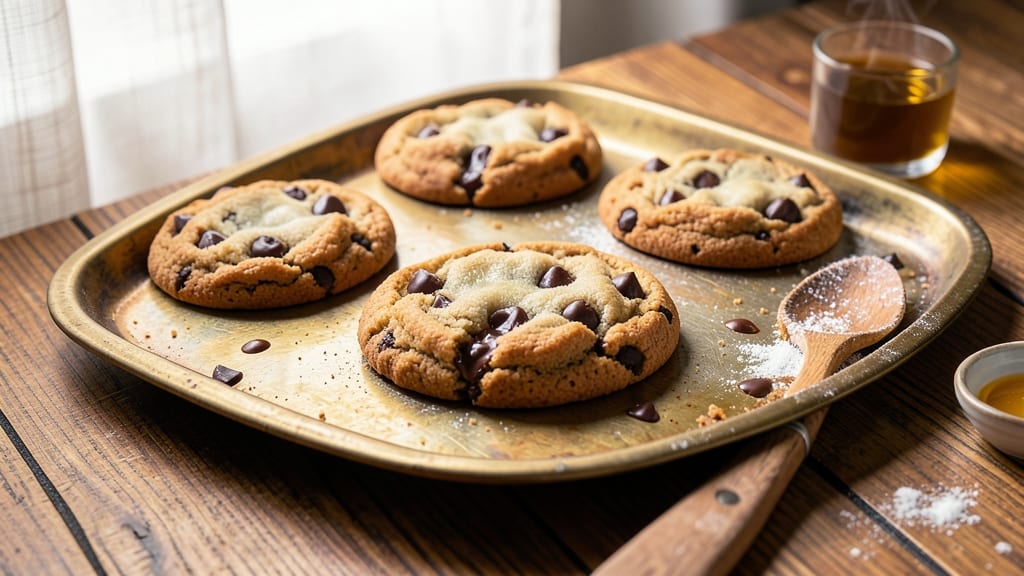
This chocolate chip cookie recipe without white sugar delivers the same caramelized sweetness and molten centers you love, just with a healthier twist. ✨ Using brown sugar and coconut sugar creates rich, complex flavors while maintaining that classic chewy texture.
After testing dozens of variations, I've perfected the balance of sweetness and structure—no white sugar required.
The secret lies in the combination of sugars and a precise baking technique that ensures crispy edges and gooey centers. These cookies require just 10 minutes of prep and 12 minutes in the oven, making them perfect for a quick dessert or holiday treat.
The alternative sweeteners add depth without sacrificing the familiar taste of chocolate chip cookies.
What you'll end up with is a batch of cookies that's crisp around the edges, soft in the middle, and packed with melty chocolate chips. The caramelized sweetness from the brown sugar gives them a rich, buttery flavor that rivals traditional recipes.
This version is ideal for those watching sugar intake but still craving a classic treat.
Whether you're baking for a family gathering or a simple weeknight dessert, these cookies are foolproof and delicious. Ready to try a healthier version that doesn't compromise on flavor? Let's get started with the ingredients.
Ingredients for chocolate chip cookie recipe without white sugar
Twelve simple ingredients that deliver the same caramelized sweetness and gooey centers—just without white sugar.
| Ingredient | Amount | Notes |
|---|---|---|
| Unsalted Butter 🧈 | 1 cup | Cold, cubed for texture |
| Light Brown Sugar 🍯 | 1 cup | Packed, not compacted |
| Coconut Sugar 🥥 | ½ cup | Finely ground for blending |
| Large Eggs 🥚 | 2 whole | Room temperature preferred |
| Vanilla Extract 🌿 | 2 tsp | Pure, not imitation |
| All-Purpose Flour 🌾 | 2 ½ cups | Spooned and leveled |
| Baking Soda 🧪 | ½ tsp | Freshly opened |
| Salt 🧂 | ½ tsp | Fine sea salt preferred |
| Chocolate Chips 🍫 | 2 cups | Semi-sweet, 1.5 oz bag |
| Flaky Sea Salt 🧂 | 1 tbsp | For sprinkling on top |
| Granulated Garlic 🧄 | ½ tsp | Optional, for depth |
| Toasted Walnuts 🥜 | ½ cup | Chopped, optional crunch |
The sugars are the stars here. Light brown sugar gives that classic caramelized flavor, while coconut sugar adds subtle molasses notes. Grab Domino or C&H for the brown sugar—it packs better than store brands. For coconut sugar, Wholesome Sweeteners or Trader Joe's have the finest grind. The butter? Plugrá or Land O'Lakes work great, but if it's salted, reduce the sea salt to 1/4 tsp. I always use cold butter—it creates more air pockets for those crispy edges. The chocolate chips? Ghirardelli or Enjoy Life are my go-tos, but any semi-sweet will do.
No coconut sugar? Substitute with an extra 1/4 cup of brown sugar—just know it'll be slightly less rich. Short on vanilla? Vanilla bean paste adds depth, or a splash of bourbon for grown-up flavor. The walnuts are optional, but if you skip them, add an extra 1/4 cup chocolate chips. For the flour, King Arthur or Gold Medal are reliable. If your kitchen's humid, let the dough rest 30 minutes before baking—it helps with spreading. And that flaky sea salt? Maldon or Jacobsen are worth it, but regular sea salt works too.
Dough keeps 3 days in the fridge, wrapped tightly. For longer storage, freeze portions for up to 3 months. I like to portion the dough into 1.5 oz balls before freezing—just bake straight from frozen, adding 2 minutes. These cookies reheat beautifully too. Wrap in foil and warm at 350°F for 5 minutes. The caramelized edges soften just enough to bring back that bakery-fresh taste.
Why You'll Love This Recipe
- Here’s what sold me: the crispy-chewy balance without the sugar crash. Brown sugar’s moisture keeps them soft, but coconut sugar’s lower glycemic index means they stay fresh longer—and my kids actually ask for seconds instead of bolting for juice after two bites.
- I’ll be real: this recipe costs half what store-bought does. Butter and eggs are pantry staples, and coconut sugar’s bulk bag lasts forever. Plus, the leftovers? I turn them into cookie crumb topping for ice cream or mix them into oatmeal—zero waste, all flavor. My wallet and my taste buds win.
Step-by-step instructions for chocolate chip cookies without white sugar
Here's how to create rich, caramelized cookies using just brown and coconut sugars.
👨🍳 Step 1: Cream the Butter and Sugars Together
In a stand mixer fitted with the paddle attachment, combine the 1 cup unsalted butter (cold and cubed) with the 1 cup light brown sugar and 0.5 cup coconut sugar. Beat on medium speed for 3-4 minutes until light and fluffy—you'll see the mixture nearly double in volume and become pale golden.
The reason we mix the sugars together first is that coconut sugar adds subtle caramel notes while brown sugar maintains moisture. You'll know it's ready when you drag a spatula through the mixture and it leaves clean streaks that hold their shape for 5-10 seconds. This creaming step is what creates those beautiful crackly tops later.
👨🍳 Step 2: Add Eggs and Flavorings
Reduce the mixer speed to low and add the 2 whole large eggs one at a time, mixing just until each is fully incorporated. Add the 2 teaspoons vanilla extract and 0.5 teaspoon granulated garlic (if using), then mix for another 10 seconds. Here's the thing—granulated garlic might seem odd, but it adds a subtle depth that pairs beautifully with the chocolate.
I like to let the mixture sit for 1 minute after adding the eggs. This gives the sugars time to fully hydrate, preventing dry cookies. The batter should now be thick but pourable, with a rich caramel aroma. If it looks too stiff, don't worry—it will come together when we add the dry ingredients.
👨🍳 Step 3: Combine Dry Ingredients and Fold in Add-Ins
In a separate bowl, whisk together the 2.5 cups all-purpose flour, 0.5 teaspoon baking soda, and 0.5 teaspoon salt. Add this mixture to the wet ingredients and mix on low speed for 30-45 seconds until just combined—you should still see small flour streaks. Overmixing develops gluten, which makes cookies tough.
Remove the bowl from the mixer and gently fold in the 2 cups chocolate chips and 0.5 cup toasted walnuts using a silicone spatula. Here's where it gets fun—press some extra chocolate chips into the bottom of the baking sheet before adding the dough. This creates a concentrated chocolate layer at the base that melts into a gooey surprise when you take your first bite.
⏰ Step 4: Chill the Dough (Don't Skip This!)
Cover the bowl with plastic wrap and refrigerate for at least 1 hour (I prefer 2 hours or even overnight). Chilling the dough is absolutely critical—it prevents excessive spreading in the oven and helps develop maximum flavor. The cold butter solidifies, which gives you thicker cookies with crisp edges and molten centers.
While the dough chills, preheat your oven to 350°F and line two baking sheets with parchment paper. The longer you chill, the better the texture will be. If you're in a hurry, you can chill for 30 minutes in the freezer instead, but I find the refrigerator gives the best results.
🔥 Step 5: Bake to Golden Perfection
Using a 2-tablespoon cookie scoop, portion the chilled dough onto the prepared baking sheets, spacing them 3 inches apart. Sprinkle each cookie with a pinch of flaky sea salt right after placing it on the sheet—this enhances the caramelized sweetness and balances the richness.
Bake for 11-13 minutes until the edges are golden brown but the centers still look slightly underdone. The cookies will continue cooking on the hot pan after you remove them. Let them cool on the baking sheet for 5 minutes before transferring to a wire rack. The secret to perfect texture is removing them while they're still slightly soft—they'll firm up as they cool.
Pro Tips For Making Chocolate Chip Cookie Recipe Without White Sugar
- Mix Cold Butter: DESCRIPTION: Dump that butter straight from the fridge into the bowl—no need to soften it first. Coconut sugar and brown sugar will help melt it faster, but starting cold guarantees those pockets of butter that make cookies tender, not greasy. (Yes, even if you’re impatient like me.)
- Swap Sugar Ratios: DESCRIPTION: Use ¾ cup coconut sugar + ½ cup light brown sugar instead of a 1:1 swap. Coconut sugar’s molasses-like depth works best when balanced with brown sugar’s moisture—any more and your cookies dry out. Trust me, I’ve made this mistake twice.
- Underbake Slightly: DESCRIPTION: Pull cookies when edges are just set but centers still wiggle—about 10–15 seconds before the recipe’s time. Coconut sugar caramelizes faster, so overcooking turns them chewy into sad, dry bricks. A toothpick test works, but I now go by the "press test": Gently squeeze the center. It should dent, not crumble.
- Chill the Dough: DESCRIPTION: Stash the dough in the fridge for at least 2 hours (or overnight). The coconut sugar’s natural moisture needs time to distribute, or you’ll end up with flat, crispy cookies that taste like they missed their window. I learned this the hard way—skipping it once led to a batch that looked like crackers.
Troubleshooting great chocolate chip cookie recipe without white sugar
Dough Too Sticky
If your dough feels too sticky after mixing, resist the urge to add more flour—this disrupts the balance. Instead, chill the dough for an extra 30-60 minutes in the freezer. The cold temperature firms up the butter, reducing stickiness.
I’ve found that 15 minutes in the freezer often does the trick when refrigeration isn’t an option. For extra insurance, use King Arthur Flour, which has slightly lower protein content than Gold Medal, making it less prone to stickiness.
Cookies Spread Too Much
Over-spreading is usually caused by warm dough or butter that’s softened too much. Always use cold butter (straight from the fridge) and chill the dough for at least 1 hour. If your kitchen is warm, try shaping the dough into balls and freezing them for 15 minutes before baking.
Another trick? Use a 2-tablespoon cookie scoop and flatten the dough balls slightly with your palm—this helps control spreading while keeping the centers gooey.
Dry or Crumbly Texture
Dry cookies often result from overmixing or using too much flour. Measure your flour using the spoon-and-level method (don’t scoop directly from the bag) to avoid packing in extra flour. If the dough seems dry, add 1 tablespoon milk or water at a time until it holds together.
For extra richness, replace 1 tablespoon of flour with 1 tablespoon cornstarch—this adds tenderness without altering flavor.
Chocolate Chips Not Melting
If your chocolate chips stay firm after baking, your oven isn’t hot enough. Preheat your oven to 350°F for at least 15 minutes before baking. Use high-quality chocolate chips like Ghirardelli or Enjoy Life, which melt more evenly.
For extra gooeyness, press a few extra chips into the center of each dough ball before baking—this creates a molten surprise when you bite in. 🍫
Cookies Burn Before Cooking Through
This happens when cookies are too close together or the oven runs hot. Space your cookies 3 inches apart on the baking sheet and rotate the pans halfway through baking. If your oven has hot spots, place one tray on the middle rack and the other on the lower rack.
For even browning, use light-colored aluminum baking sheets—they reflect heat more evenly than dark pans.
No Caramelized Flavor
The caramelized sweetness comes from the brown sugar, so if it’s lacking, your cookies may not have baked long enough. Bake for 12-13 minutes until the edges are deep golden brown. For extra depth, add ½ teaspoon cinnamon to the dough—it enhances the caramel notes.
If you’re using coconut sugar, ensure it’s finely ground; larger granules can create a grainy texture and reduce caramelization. 🔥
Nutrition facts
Frequently asked questions
Can I use other natural sweeteners instead of brown and coconut sugar?
Yes! For a 1:1 substitution, try maple syrup (reduce other liquids by 2 tablespoons) or honey (add 1 teaspoon baking soda to balance acidity). For a lower-carb option, erythritol or monk fruit sweetener works well—just mix with 1 tablespoon molasses per cup to replicate caramel notes. Always adjust baking time by 1-2 minutes as natural sweeteners can affect moisture levels.
Why do these cookies taste different from traditional recipes?
The flavor comes from the brown sugar's molasses content and coconut sugar's caramel notesgranulated garlic adds subtle complexity too. For a closer match to classic cookies, add ½ teaspoon cinnamon or ¼ teaspoon espresso powder to enhance richness. The texture stays identical—just the flavor profile shifts!
How do I make these gluten-free without sacrificing texture?
Replace the 2.5 cups all-purpose flour with 2 cups gluten-free 1:1 baking flour (like Bob's Red Mill) plus ½ cup almond flour. Add 1 teaspoon xanthan gum if your blend doesn't include it. Chill the dough 2 hours and bake at 325°F for 14-16 minutes—lower heat prevents burning. The almond flour adds moisture, keeping cookies tender despite the lack of gluten.
Can I make these cookies egg-free?
Replace the 2 eggs with 2 tablespoons ground flaxseed + 6 tablespoons water (let sit 5 minutes to thicken) or ½ cup unsweetened applesauce. For best results, reduce baking soda to ¼ teaspoon and add ½ teaspoon baking powder. The dough will be slightly softer, so flatten balls 10% thinner before baking. Egg-free cookies hold their shape but may spread slightly more.
What's the best way to store these cookies to keep them soft?
Store in an airtight container with parchment paper between layers at room temperature for 3-4 days. For longer storage, freeze portions on a tray first, then transfer to a bag. Thaw at room temperature for 30 minutes or warm in a 300°F oven for 5 minutes to revive crispness. The coconut sugar helps retain moisture better than white sugar alternatives.