Desserts
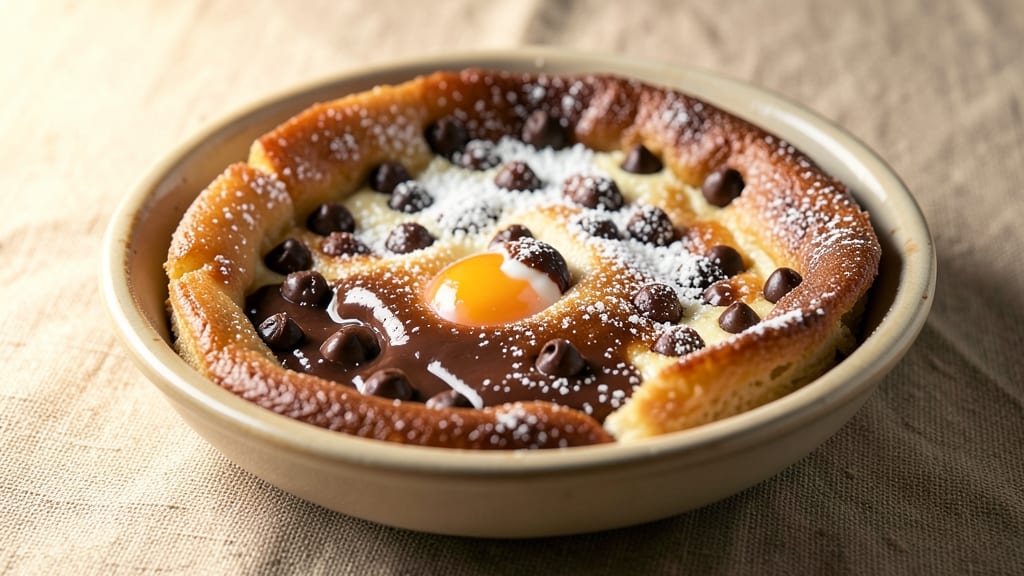
This chocolate clafoutis recipe brings the rustic charm of French patisserie to your kitchen with its velvety texture and deep cocoa richness. Unlike its traditional cherry cousin, this version swaps fruit for melted chocolate, creating a decadent dessert that's surprisingly simple to make.
The secret lies in a perfectly balanced batter that bakes into a golden crust while staying moist and tender inside.
What makes this recipe special is its versatility—it works equally well as a standalone dessert or paired with fresh berries for contrast. The French technique of baking in a buttered dish creates that signature caramelized bottom layer, while the chocolate-infused batter delivers a fudgy, satisfying bite.
With just six core ingredients and 30 minutes of active prep, you'll have a restaurant-quality dessert that feels homemade.
The result is a golden-brown custard with crisp edges and a luscious chocolate center that melts in your mouth. Dusting with powdered sugar adds that final touch of elegance, making it perfect for dinner parties or special occasions.
This recipe proves you don't need complicated techniques to create something truly impressive—just patience and precise measurements.
For an extra touch, serve with a dollop of whipped cream or a scoop of vanilla ice cream. The contrast of temperatures enhances the dessert's natural richness, creating a balance that's both comforting and sophisticated. Let's get baking—your taste buds will thank you.
Ingredients for chocolate clafoutis
Six core ingredients transform into a decadent chocolate clafoutis with crisp edges and velvety texture.
| Ingredient | Amount | Notes |
|---|---|---|
| All-Purpose Flour 🌾 | 1 ½ cups | Sifted for light texture |
| Granulated Sugar 🍚 | 1 ¼ cups | White or light brown |
| Unsalted Butter 🧈 | ¾ cup | Cold, cubed for better mixing |
| Large Eggs 🥚 | 4 whole | Room temperature for even blend |
| Milk 🥛 | 1 ½ cups | Whole milk preferred |
| Semisweet Chocolate Chips 🍫 | 1 ½ cups | High-quality for rich flavor |
| Vanilla Extract 🌿 | 1 tbsp | Pure vanilla preferred |
| Powdered Sugar 🍚 | ¼ cup | For final dusting |
| Salt 🧂 | ½ tsp | Fine sea salt |
| Baking Powder 🌶️ | 1 tsp | Ensures proper rise |
| Dark Chocolate Bars 🍫 | 6 oz | 70% cocoa, chopped fine |
The chocolate is the star here, so high-quality dark chocolate makes all the difference. Look for bars with at least 70% cocoa—the deeper the flavor, the better. I grab mine from Whole Foods or Trader Joe's where they keep the chocolate bars fresh. For the flour, King Arthur is my go-to—it's sifted and consistent. Butter should be cold when you start; this ensures those perfect flaky layers. If you're using pre-sifted flour, give it a quick shake in the bag to aerate it before measuring. The vanilla extract? Madagascar bourbon adds a subtle kick that pairs perfectly with the chocolate.
No dark chocolate? Semisweet chocolate chips work in a pinch, but you'll lose some depth. Running short on baking powder? Whisk together 1/4 tsp cream of tartar and 1/4 tsp cornstarch as a substitute. The milk can be swapped for evaporated milk or heavy cream if you're feeling indulgent—just reduce the butter by 2 tbsp to balance the richness. For a lighter texture, fold in 1/4 cup whipped egg whites at the end. And if you're feeling adventurous, add 1/2 tsp instant espresso powder to intensify the chocolate flavor without adding coffee notes.
This clafoutis keeps beautifully—3 days at room temperature covered with a cloth, or 1 week refrigerated in an airtight container. For longer storage, wrap tightly and freeze for up to 3 months. The texture actually improves after the first day as the flavors meld. I like to portion mine into individual ramekins before baking so each slice feels like a special treat. Dust with powdered sugar right before serving—it adds that final touch of elegance without overpowering the chocolate.
Why You'll Love This Recipe
- Foolproof Ratios: I swear by this recipe—just whisk eggs, milk, and melted butter until smooth, then fold in flour and sugar. No measuring cups, no guesswork, just a simple 1:1:1 ratio of eggs to milk to butter that always works.
- Rich Without Effort: That first bite of warm custard with melted chocolate? It’s like dessert sneaking into your day. The eggs and sugar create this luscious, silky texture, while the butter adds depth—no fancy techniques, just pure, satisfying flavor.
- Weeknight Flexibility: Make it for breakfast with a sprinkle of sea salt, serve it chilled as a snack, or warm it up for dessert. Honestly, I’ve even thrown it together for brunch when I forgot to bake—it’s that adaptable.
- Budget-Friendly Indulgence: Five basic ingredients, minimal waste, and it stretches across days. The leftovers reheat beautifully, and the custard thickens just enough to feel special without breaking the bank. My wallet and taste buds both win.
Step-by-step instructions for chocolate clafoutis recipe
This French classic transforms simple ingredients into a decadent dessert with a custardy texture and rich chocolate flavor.
Prepare the Chocolate Base
Preheat your oven to 375°F and position a rack in the center. In a medium saucepan, melt the 0.75 cup unsalted butter over low heat until fully liquid but not browned. Remove from heat and stir in the 1.5 cups semisweet chocolate chips until completely smooth. Let cool slightly while you prepare the batter.
Here's the thing—chopping the 6 oz dark chocolate bars into small pieces first makes melting them easier. I like to use a sharp knife or microplane for this. The chocolate should melt into a glossy, fudge-like consistency that coats the back of a spoon. If it thickens too much, add a few teaspoons of milk to loosen it.
Whisk the Batter to Perfection
In a large mixing bowl, combine the 1.5 cups all-purpose flour, 1.25 cups granulated sugar, 1 tsp baking powder, and 0.5 tsp salt. Whisk vigorously for about 30 seconds to aerate the dry ingredients—this prevents a dense final texture. In a separate bowl, beat the 4 whole large eggs until frothy, then whisk in the 1.5 cups milk and 1 tbsp vanilla extract until smooth.
Real talk: room temperature eggs blend better, so if yours are straight from the fridge, let them sit out for 15 minutes before mixing. Pour the melted chocolate into the wet ingredients and stir until just combined. Fold in the dry ingredients in two additions, mixing gently until you have a thick, smooth batter with no flour streaks remaining.
Assemble and Bake the Clafoutis
Pour the batter into a 9-inch round cake pan or similar ovenproof dish, spreading it evenly. The batter should reach about ¾ of the way up the sides—this ensures a thick, custardy center. Tap the pan gently on the counter to release any air bubbles that might have formed during pouring.
Bake for 35-40 minutes until the top is golden brown and the edges pull away slightly from the pan. Here's what I watch for: the center should still be slightly jiggly when you gently shake the pan, but a toothpick inserted should come out with a few moist crumbs—not wet batter. If the top browns too quickly, tent loosely with foil after 25 minutes to prevent over-browning.
Dust and Serve Warm
Remove the clafoutis from the oven and let it cool for 10 minutes in the pan. This resting period prevents cracking when you transfer it to a serving plate. While it cools, sift the 0.25 cup powdered sugar over a fine-mesh sieve and dust generously over the top. The powdered sugar adds that signature French finish while keeping the texture light.
Serve warm, cut into wedges, and enjoy the contrast of the warm custard with the slightly crisp top. The chocolate flavor should be rich but not overpowering, with a delicate vanilla note. For extra decadence, drizzle with melted chocolate or serve with vanilla ice cream. Leftovers keep well in the fridge for 3 days, but they're rarely that lucky.
Pro Tips For Making Chocolate Clafoutis
- Whisk Eggs Until Ribbon Stage: I learned this the hard way—whipping eggs just until they hold a ribbon when the whisk is lifted (about 30 seconds past thickened) gives you that silky, custardy texture. Over-whipping? You’ll end up with a dense, rubbery clafoutis. Trust me, the extra 10 seconds matters.
- Melt Butter Slowly: Don’t rush the butter—melt it gently in the milk (just until it disappears, no boiling) or you’ll scramble the eggs later. I used to dump hot milk into cold butter and wondered why my batter turned grainy. Warm, not hot, is the way.
- Skip the Overmixing: Once you fold in the flour, stop mixing after 10 strokes max. Lumps? They’ll disappear when the eggs and milk blend in. Overmixing develops gluten, and your clafoutis will turn out tough instead of tender. I know, it’s tempting to "fix" it, but don’t.
- Bake at 325°F (Not Hotter): A high oven (350°F+) will brown the top too fast before the center sets. 325°F gives you even cooking without a burnt crust. After 20 minutes, lower the heat to 275°F if the edges are browning too quickly—this is how you guarantee a creamy middle.
Essential equipment for great chocolate clafoutis
Butter Melting Essentials
For the chocolate base, I swear by a heavy-bottomed saucepan like the Le Creuset Stoneware—it distributes heat evenly and prevents scorching. Use medium-low heat and stir constantly until the butter melts completely.
A silicon spatula helps scrape up any chocolate bits from the sides. If you don’t have a saucepan, a double boiler works perfectly to keep temperatures gentle. 🧈
Mixing Tools Matter
A balloon whisk is my go-to for combining the dry ingredients—it aerates the flour and sugar beautifully in just 30 seconds. For the wet ingredients, a rubber spatula ensures no batter clings to the bowl.
I also keep a fine-mesh sieve handy for dusting powdered sugar evenly. A kitchen scale helps measure the chocolate precisely, but a measuring cup works fine if you’re in a pinch.
Baking Dish Selection
The right pan makes all the difference. A 9-inch cast-iron skillet or ceramic baking dish gives the best caramelization, but a glass pie dish works too. Avoid nonstick pans—they can make the edges too crisp.
I line my pan with parchment paper for easy removal, but if you skip it, butter the pan generously and sprinkle with flour to prevent sticking. A digital thermometer helps monitor the oven’s accuracy, especially if your oven runs hot.
Cooling and Serving Gear
Let the clafoutis cool in its pan for 10 minutes before transferring to a serving platter. A sharp serrated knife cuts clean wedges, while a fine-mesh sieve ensures powdered sugar dusts perfectly.
For extra flair, keep a small offset spatula and melted chocolate ready to drizzle. A cooling rack prevents soggy bottoms if you’re stacking slices. 💫
Nutrition facts
Frequently asked questions
What makes this chocolate dessert different from a chocolate cake?
This clafoutis has a lighter, custard-like texture with a slightly crisp top—no dense cake layers here! The batter includes melted chocolate mixed directly into the custard base, creating pockets of rich flavor throughout rather than just a chocolate frosting. It's more like a cross between a pudding and a cake, with that signature French rustic charm.
Can I make this recipe without baking powder?
You can substitute with 1/4 tsp cream of tartar + 1/4 tsp cornstarch, but expect a denser texture. The baking powder creates lift and prevents a heavy center. For a traditional clafoutis texture, it's worth having on hand—this recipe relies on that gentle rise to achieve its signature custardy mouthfeel.
How do I know when it's fully baked?
Look for a golden-brown top with edges pulling away slightly from the pan. Insert a toothpick—it should come out with a few moist crumbs, not wet batter. The center should still jiggle slightly when you gently shake the pan (about 35-40 minutes at 375°F). Overbaking makes it dry, so watch closely after 30 minutes.
Can I use white chocolate instead of dark?
Yes, but the flavor will be sweeter and less intense. For best results, use 70% dark chocolate—it balances richness with depth. If using white chocolate, reduce the granulated sugar by 1-2 tablespoons to prevent over-sweetness. The texture remains the same, but the chocolate character changes dramatically.
Why did my clafoutis crack on top?
Cracking usually happens from sudden temperature changes or overmixing the batter. Let it cool in the pan for 10 minutes before transferring, and avoid opening the oven door too early. For extra insurance, bake at 350°F instead of 375°F—the slower rise reduces stress on the surface.