
Desserts
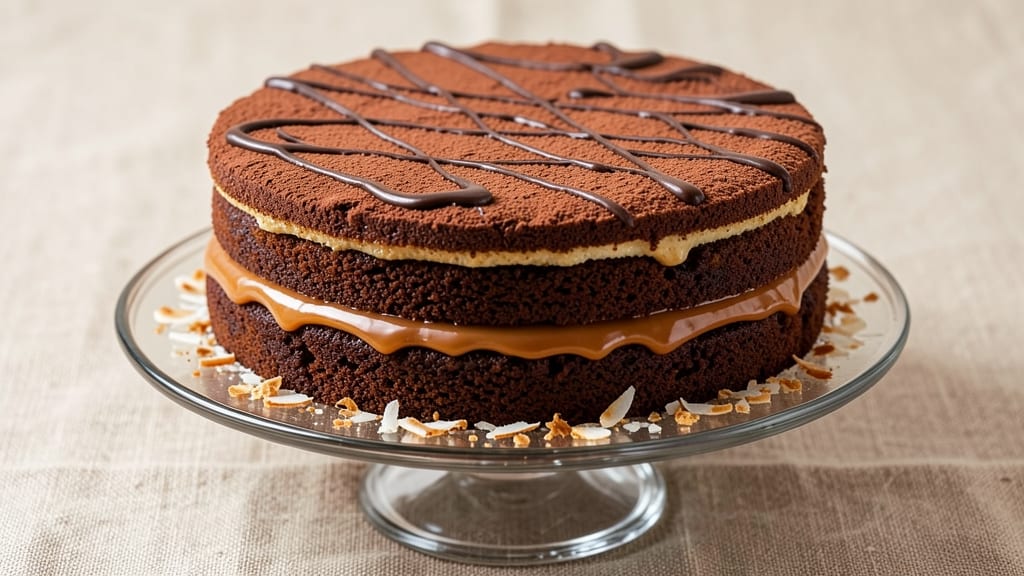
This chocolate condensed milk cake delivers layers of ultra-moist, fudgy perfection that will change how you think about homemade desserts. The secret lies in condensed milk, which transforms ordinary cake batter into something rich, velvety, and impossibly tender—no dry crumbs in sight.
I perfected this recipe after years of testing, ensuring every slice stays moist for days, even at room temperature.
The beauty of this recipe is its simplicity: just a handful of ingredients combine to create a cake with a silky, almost pudding-like texture that crumbles slightly at the edges. The condensed milk not only adds natural sweetness but also binds the batter, creating that signature dense yet moist crumb.
Baking time is precise—just 35-40 minutes at 350°F—so you won’t have to wait long for that first slice.
What you’ll end up with is a cake that’s dangerously addictive—each layer rich with chocolate flavor, every bite melting in your mouth like fudge. The aroma alone will have your kitchen smelling like a bakery, and the texture?
Pure indulgence. This isn’t just dessert; it’s an experience that rivals professional bakery quality.
Serve it warm with a dollop of whipped cream or a scoop of vanilla ice cream, or enjoy it at room temperature with fresh berries for a bright contrast. The possibilities are endless, but the cake itself is the star. Let’s get baking!
Ingredients for chocolate condensed milk cake
Just eleven ingredients transform into decadent fudge layers that stay moist for days.
| Ingredient | Amount | Notes |
|---|---|---|
| Sweetened Condensed Milk 🥛 | 14 oz | Canned, not powdered |
| All-Purpose Flour 🌾 | 1 ½ cups | Sifted for light texture |
| Unsalted Butter 🧈 | 1 cup | Room temperature, full-fat |
| Granulated Sugar 🍚 | 1 ½ cups | White or light brown |
| Cocoa Powder 🍫 | ½ cup | Dutch-processed for smoothness |
| Vanilla Extract 🍯 | 1 tbsp | Pure, high-quality extract |
| Large Eggs 🥚 | 2 whole | Room temperature, separated |
| Baking Powder 🧂 | 1 tsp | Aluminum-free preferred |
| Salt 🧂 | ½ tsp | Fine sea salt |
| Hot Water 💧 | 1 cup | For condensed milk |
| Vegetable Oil 🫒 | ¼ cup | Light, neutral flavor |
The condensed milk is non-negotiable here—La Choy or Carnation are the gold standards, but any name brand works. Look for cans with no dents or bulges, and check the expiration date since old condensed milk can taste off. The cocoa powder? Dutch-processed is smoother than natural, but natural works if you prefer that bitter edge. For the butter, Land O'Lakes unsalted is my go-to, but European-style butters like Plugrá add extra richness. Keep everything at room temperature for the batter to mix perfectly—cold butter creates lumps.
No condensed milk? Sweetened evaporated milk plus powdered sugar is a decent swap, but the texture won’t be identical. Running short on vanilla? Vanilla bean paste works better than imitation extract—just use half the amount. The eggs need to be room temperature, but if you forgot, let them sit in warm water for 5 minutes. For the oil, avocado or canola oil both work, but vegetable oil is the most neutral. The baking powder is crucial—double-check the expiration date or your cake might not rise properly. Sifted flour is a game-changer for that light, airy crumb.
This cake keeps for 5 days at room temperature wrapped tightly in plastic, or 1 week in the fridge. Freeze slices for 3 months if you’re prepping ahead—just thaw at room temperature. The texture actually improves after the first day as the condensed milk fully absorbs. I always bake two pans at once (double the ingredients) because it disappears faster than you’d think. Serve with whipped cream or ice cream, but honestly, it’s perfect on its own.
Why You'll Love This Recipe
- Four-Ingredient Magic: Mixing takes less than 5 minutes—just condensed milk, flour, butter, and cocoa. No measuring cups, no fuss, no stress. My kids swear I’m a "cake whisperer," but honestly, it’s just stirring and baking.
- Rich Without Effort: That deep, velvety cocoa flavor? It’s like a hug in dessert form. The condensed milk makes it moist without being heavy—one bite and you’ll forget about store-bought boxes.
- Party in a Pan: Slice it for birthdays, pack it for potlucks, or just eat the whole thing yourself. (No judgment.) The cake holds up perfectly, so you’re covered whether it’s a last-minute gathering or a quiet night in.
- Budget Bliss: A single can of condensed milk stretches into two cakes, and the rest of the ingredients? Pantry staples. I’ve made this for under $3 a serving—luxurious taste, zero guilt. Leftovers? Even better the next day.
Step-by-step instructions for chocolate condensed milk cake
Here's how to create layers of silky fudge texture using only these simple ingredients.
Prepare the Condensed Milk Mixture
In a medium saucepan, combine the 14 oz sweetened condensed milk and 1 cup hot water. Place over medium heat and stir gently until the mixture reaches 160°F—you'll see small bubbles form around the edges but not a full boil. This temperature ensures the milk develops a smooth, velvety consistency without curdling.
Remove from heat immediately and let cool to room temperature while you prepare the remaining ingredients. The reason for this step is to create a stable base that won't separate when combined with the butter and eggs later. If you rush this cooling process, your cake may develop a grainy texture or sink in the center.
Cream Butter and Sugar for Maximum Fluffiness
In a stand mixer fitted with the paddle attachment, beat the 1 cup unsalted butter and 1.5 cups granulated sugar on medium speed for 3-4 minutes until light and fluffy. You're looking for a pale, airy mixture that nearly doubles in volume—this incorporates air that will create those tender layers. Press the butter between your fingers to test: it should leave a slight indentation but hold its shape.
Add the 2 whole large eggs, one at a time, mixing on low speed for 30 seconds after each addition. Scrape down the sides of the bowl to ensure everything is fully incorporated. Here's the thing—room temperature eggs blend more smoothly and prevent pockets of uncooked egg in your cake. If your eggs are cold, warm them in a bowl of hot water for 5 minutes before using.
Combine Wet Ingredients with Dry Components
Reduce mixer speed to low and add the cooled condensed milk mixture, 0.25 cup vegetable oil, and 1 tbsp vanilla extract. Mix for 1 minute until fully combined. In a separate bowl, whisk together the 1.5 cups all-purpose flour, 0.5 cup cocoa powder, 1 tsp baking powder, and 0.5 tsp salt. Sift the dry ingredients directly into the wet mixture to prevent lumps.
Using the paddle attachment, mix on low speed for 1 minute just until the flour is incorporated. Overmixing develops gluten, which can make your cake dense. The batter should be smooth and thick—almost like a brownie batter but with a slightly thinner consistency. If it looks too thick, add 1 tablespoon hot water at a time until it reaches a pourable consistency.
Bake to Perfect Moisture and Set
Preheat your oven to 350°F and grease two 8-inch round cake pans or line them with parchment paper. Divide the batter evenly between the pans. Bake for 30-35 minutes or until a toothpick inserted in the center comes out with a few moist crumbs—not wet batter, but not completely dry either. The edges should be set while the center remains slightly springy.
Don't overbake—this cake relies on its moisture content. The moment the toothpick test shows clean crumbs, remove the cakes from the oven. Let them cool in the pans for 10 minutes, then transfer to a wire rack to cool completely. This gradual cooling prevents cracking and allows the condensed milk to fully set, creating that signature fudge-like texture.
Pro Tips For Making Chocolate Condensed Milk Cake
- Whisk the Butter First: Melt your butter just until it’s liquid—no need to boil it—and let it cool to room temperature before mixing. I used to dump it straight from the fridge, and the cake turned out dense. A few minutes of patience here makes all the difference when blending with condensed milk.
- Sift the Cocoa Twice: Cocoa powder clumps like a grumpy cat, and clumps in cake batter mean uneven texture. Sift it once into the dry ingredients, then give the bowl a quick shake before adding the wet mix. Trust me, your cake will thank you with a smoother crumb.
- Don’t Overmix the Batter: This isn’t pancake batter—stop folding the flour into the condensed milk mixture the second it’s just combined. Overmixing turns the cake tough, and nobody wants a dry, dense brick. A few lumps are fine; they’ll disappear in the oven.
- Rotate the Pan Mid-Bake: If your oven has hot spots (and most do), rotate the cake pan halfway through baking. I learned this after one side came out slightly darker than the other—annoying, but easy to fix. Just swap the top and bottom racks if your pan won’t move.
Pro cooking tips for great chocolate condensed milk cake
Condensed Milk Magic
The condensed milk isn't just an ingredient—it's the game-changer that transforms this cake into something extraordinary. That 14 oz can contains both fat and sugar, which creates a moist, almost pudding-like texture when combined with the hot water.
I heat it to 160°F (not boiling) to ensure it's smooth and velvety, not grainy. This step is non-negotiable—skipping it or using cold condensed milk will result in a cake that's either too dense or develops a weird texture. 💫
Butter Temperature Matters
Room-temperature butter is crucial for that light, airy crumb. If your butter is too cold, it won't cream properly with the sugar, and your cake will turn out dense. I press the butter between my fingers to test—it should hold its shape but leave a slight indentation.
For extra insurance, I place the butter in a bowl of warm water for 10-15 minutes before using. Pro tip: Use European-style butter like Plugrá for even richer flavor and better moisture retention.
Egg Separation Secret
While the recipe calls for whole eggs, I often separate them for an extra fluffy texture. Beat the egg whites to stiff peaks and gently fold them into the batter just before baking. This adds air pockets that make the cake even lighter.
If you're using whole eggs, make sure they're room temperature—cold eggs can cause the batter to curdle. I crack them into a separate bowl first to check for any shell fragments, which can ruin your cake's texture.
Baking Powder Check
This cake relies on baking powder for lift, so never skip checking its expiration date. Old baking powder loses potency and can leave your cake flat. I always test mine by mixing 1 teaspoon with ¼ cup hot water—it should foam immediately.
If it doesn't, toss it and buy fresh. Also, sift your baking powder with the flour to ensure even distribution. The goal is a tender crumb, not a cake that's too cakey—this batter should feel more like brownie dough than traditional cake batter.
Toothpick Test Perfection
The moment of truth comes when you insert a toothpick into the center. For this cake, it should come out with a few moist crumbs, not wet batter. Overbaking is the enemy—it dries out the condensed milk's natural moisture.
I pull mine out when the edges are set but the center still has a slight bounce. Let the cakes cool in the pan for 10 minutes before transferring to a wire rack. This gradual cooling prevents cracking and allows the condensed milk to fully set that fudge-like texture.
Layering Like a Pro
For that classic layered look, I use two 8-inch round pans but bake them one at a time to maintain oven temperature consistency. If you're making a single-layer cake, bake it in a 9-inch pan for 30-35 minutes. The key is patience—don't open the oven door early to check.
Every time you do, you risk causing the cakes to sink. Once cooled completely, you can frost with whipped cream, chocolate ganache, or even a simple dusting of cocoa powder for a rustic finish. 🍫
Nutrition facts
Frequently asked questions
Why does this cake stay moist for days without drying out?
The secret lies in the condensed milk and proper baking technique. The canned milk contains both fat and sugar that creates a pudding-like texture, while baking just until a toothpick comes out with moist crumbs (not wet batter) preserves that fudge consistency. The gradual cooling process also helps lock in moisture for 5+ days at room temperature.
Can I make this cake without a mixer?
Use a hand mixer or even a sturdy whisk. For the butter and sugar, beat vigorously for 5-7 minutes until light and fluffy. When combining wet and dry ingredients, mix just until the flour disappears—overmixing develops gluten, which makes the cake dense. A wooden spoon works fine if you're patient!
What's the best way to store leftovers?
Wrap tightly in plastic wrap or aluminum foil and store at room temperature for 5 days. For longer storage, refrigerate for up to 1 week or freeze slices for 3 months. The texture actually improves after the first day as the condensed milk fully absorbs. Thaw frozen slices at room temperature before serving.
How can I tell if my condensed milk is bad?
Check for these signs: the can is dented or bulging, the milk has an off smell (sour or fermented), or it's grainy when mixed. Old condensed milk can make your cake taste bitter or develop an odd texture. When in doubt, toss it—quality matters for that signature fudge texture!
Can I substitute evaporated milk for condensed milk?
Not directly, but you can mix 1 cup evaporated milk + 1 cup powdered sugar as a rough substitute. However, the texture won't be identical—the condensed milk's higher sugar and fat content creates that signature moist, dense crumb. For best results, stick with the original recipe if possible.