Desserts
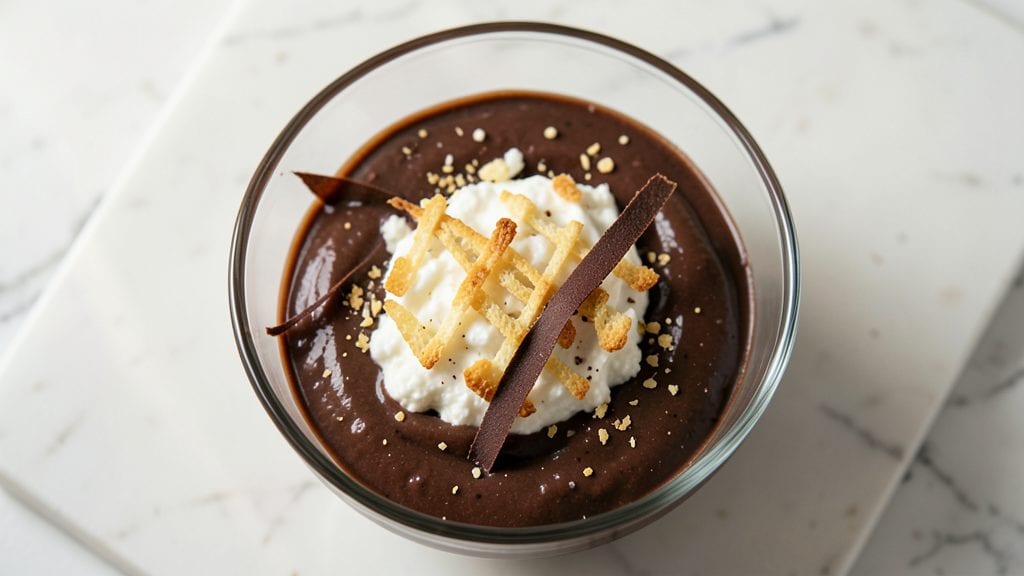
This chocolate cottage cheese pudding recipe transforms a humble pantry staple into a silky-smooth dessert with layers of rich chocolate flavor and subtle tang. The secret lies in blending cottage cheese with melted chocolate and sweetened condensed milk, creating a texture that’s impossibly creamy yet light.
I first discovered this technique while searching for a healthier dessert option that still delivered on indulgence—it’s become a staple in my recipe rotation.
The magic happens during the blending process, where cottage cheese’s natural thickness combines with melted chocolate to form a velvety base. No baking required—just mix, chill, and serve.
The result is a dessert that’s decadent without being overly sweet, with the cottage cheese adding a subtle tang that balances the chocolate’s intensity. Perfect for those who love chocolate but want something lighter than traditional puddings.
What makes this recipe truly special is how it satisfies cravings while keeping ingredients simple. You’ll need just five core components, and the process takes less than 10 minutes of active time.
The pudding thickens beautifully when chilled, creating that signature spoonable texture we all love. Garnish with whipped cream or chocolate shavings for an extra touch of luxury.
This dessert works as a standalone treat or pairs beautifully with fresh berries for a brighter contrast. It’s also a great make-ahead option—simply prepare it a day in advance for even richer flavors. Ready to create something smooth, satisfying, and secretly healthy? Let’s get started.
Ingredients for chocolate cottage cheese pudding
Five simple ingredients transform into a decadent chocolate dessert with no baking required.
| Ingredient | Amount | Notes |
|---|---|---|
| Dark Chocolate Bars 🍫 | 6 oz | 70% cocoa or higher, chopped fine |
| Sweetened Condensed Milk 🥛 | 1 cup | Full-fat for creaminess |
| Large Eggs 🥚 | 2 whole | Room temperature preferred |
| Vanilla Extract 🌿 | 1 tbsp | Pure alcohol-free if preferred |
| Cottage Cheese 🧀 | 16 oz | 2% fat, full-fat for richer texture |
| Unsalted Butter 🧈 | 2 tbsp | Melted for blending |
| Granulated Sugar 🍚 | ¼ cup | Adjust to taste |
| Pinch Salt 🧂 | ¼ tsp | Enhances chocolate flavor |
| Heavy Whipping Cream 🥛 | ½ cup | Optional for garnish |
| Dark Chocolate Shavings 🍫 | ¼ cup | For garnish, store-bought or homemade |
The chocolate matters most here—70% cocoa or higher gives that deep, rich flavor without being bitter. Ghirardelli or Lindt squares are my go-to, but any good-quality dark chocolate works. Chop it yourself for the best texture—pre-chopped can get grainy. Cottage cheese is the secret to that velvety texture, so don't skimp on the 16 oz. I grab the 2% fat variety from Trader Joe's because it's consistent, but full-fat gives even more richness if you're feeling fancy. Sweetened condensed milk is a pantry staple, but check the expiration date—it thickens over time.
No dark chocolate? Semi-sweet chocolate chips work in a pinch, but the flavor won't be as complex. Short on cottage cheese? Cream cheese at half the amount adds creaminess, though it changes the tang slightly. Want to cut sugar? Reduce to 2 tbsp and add 1 tsp vanilla bean paste for depth. The butter is non-negotiable for blending—it helps emulsify everything. For garnish, store-bought chocolate shavings save time, but a microplane on a chocolate bar is worth the 30 seconds if you've got one.
This pudding keeps beautifully—5 days in the fridge, 3 months frozen. I always make a double batch because it disappears fast. For freezing, portion into small containers so you can grab exactly what you need. The texture actually improves after chilling overnight, so make it the night before if you can. Garnish with whipped cream or those chocolate shavings right before serving—they melt fast.
Why You'll Love This Recipe
- Five-Ingredient Magic: I swear by this recipe—just melt chocolate, whisk eggs, and fold in cottage cheese. No fancy techniques, no last-minute grocery runs. The condensed milk ties everything together while I’m still scraping the bowl.
- Rich Without Guilt: That first bite? Silky, deep chocolate flavor with a hint of tang from the cottage cheese—like a decadent dessert but with protein to keep me going. Honestly, I make this when I should be eating something "healthy" but can’t resist.
- Breakfast or Dessert: Serve it cold in jars for a grab-and-go breakfast that actually tastes like a treat, or warm it up with a sprinkle of sea salt for a cozy after-dinner indulgence. My kids ask for it both mornings and nights—no judgment here.
- Leftovers That Don’t Suck: This stuff actually improves overnight. The flavors meld, and the texture gets even creamier. I double the batch so I can enjoy it for days without the effort of making it fresh—plus, cottage cheese stretches my grocery budget. Win-win.
Step-by-step instructions for chocolate cottage cheese pudding
Here's how to transform simple ingredients into velvety chocolate dessert perfection.
Melt Chocolate and Butter for a Smooth Base
Place the 6 oz dark chocolate bars and 2 tbsp unsalted butter in a heatproof bowl set over a pot of simmering water. Stir occasionally until completely melted and smooth, creating a glossy chocolate mixture. Remove from heat immediately to prevent graininess. Here's the thing—don't let the water touch the bowl, or you'll get a watery chocolate mess that ruins the texture.
The mixture should be silky and free of any lumps. If you see any graininess, strain it through a fine-mesh sieve for an ultra-smooth result. Let it cool slightly while you prepare the other ingredients—this prevents the eggs from scrambling when mixed in later.
Whisk Eggs and Sugar for Maximum Creaminess
In a separate bowl, whisk together the 2 whole large eggs, 0.25 cup granulated sugar, and 0.25 tsp pinch salt until pale and slightly thickened. This process incorporates air, which creates a lighter pudding texture. I like to use a hand mixer here for about 2 minutes until the mixture is noticeably thicker and ribbons form when the whisk is lifted.
Add the 1 tbsp vanilla extract and mix for another 30 seconds. The vanilla should be fully incorporated, but don't overmix or you'll develop gluten in the eggs. This step is crucial for balancing the richness of the chocolate and cottage cheese with natural sweetness and depth of flavor.
Combine Ingredients for the Perfect Texture
Slowly pour the melted chocolate mixture into the egg mixture while whisking constantly. This gradual addition prevents temperature shock that could curdle the eggs. Then, gently fold in the 1 cup sweetened condensed milk and 16 oz cottage cheese using a spatula until completely smooth. You'll notice the mixture thicken slightly as the cottage cheese blends in.
Here's where the magic happens: the cottage cheese adds protein and fat that create that signature creamy texture while the condensed milk provides sweetness and body. The key is to fold just until combined—overmixing introduces air bubbles that can make the pudding less velvety.
Cook Until Thickened and Silky
Transfer the mixture to a medium saucepan and cook over medium-low heat, stirring constantly with a wooden spoon or silicone spatula. The pudding will thicken gradually—this can take about 8-10 minutes. You'll know it's ready when it coats the back of a spoon and leaves a clean trail when you run your finger through it.
Don't walk away during this step. Constant stirring prevents scorching at the bottom while building that perfect creamy consistency. Once thickened, immediately remove from heat and let it cool for 5 minutes before transferring to serving bowls.
Chill and Garnish for Restaurant-Worthy Presentation
Divide the warm pudding among 4 serving bowls or ramekins. Cover with plastic wrap pressed directly onto the surface to prevent a skin from forming. Chill in the refrigerator for at least 4 hours, preferably overnight—this allows flavors to meld completely and the texture to set properly.
Before serving, top each portion with 0.25 cup dark chocolate shavings and a dollop of 0.5 cup heavy whipping cream if desired. The contrast between the cool, creamy pudding and the room-temperature garnishes creates an incredible textural experience. Serve with fresh berries or a sprinkle of cocoa powder for extra flair.
Pro Tips For Making Chocolate Cottage Cheese Pudding
- Melt Chocolate Slowly: Chop the dark chocolate into small, even pieces first—this prevents hot spots when melting. I learned this the hard way after one batch turned grainy because I dumped in big chunks. Use a double boiler or microwave in 20-second bursts, stirring between each, until it’s just smooth enough to coat the back of a spoon.
- Strain the Cottage Cheese: Line a fine-mesh strainer with cheesecloth or a coffee filter over a bowl and let the cottage cheese sit for 10–15 minutes. This removes excess liquid, giving your pudding a thicker, creamier texture instead of a watery mess. Yes, it’s an extra step, but trust me—it’s worth it.
- Whisk Eggs Until Ribbon-Stage: Beat the eggs and condensed milk together until they leave a clear trail when the whisk is lifted—about 2–3 minutes. I used to skip this, and the pudding always ended up lumpy. This step ensures a silky finish, not a scrambled-egg surprise.
- Chill Before Serving: Let the pudding sit at room temp for 10 minutes after baking, then refrigerate for at least 4 hours (or overnight). Rushing this step means a runny, uneven texture. Patience here guarantees that perfect, firm-but-creamy bite—no one wants a pudding that slides off the spoon like a guilty secret.
Common mistakes when making perfect results
Overmixing the Eggs
One of the most common mistakes is overmixing the eggs after adding sugar. When you whisk the eggs for too long—beyond 2-3 minutes—you risk developing gluten, which makes the pudding gummy instead of silky.
I’ve seen this happen when someone uses a hand mixer on high speed for 5+ minutes. The eggs should be pale and slightly thickened, not frothy or foamy. If you notice bubbles forming like in a meringue, you’ve gone too far. 🥚
Skipping the Cooling Step
After melting the chocolate, many people rush to mix it with the eggs without letting it cool slightly. The temperature difference can cause the eggs to scramble, creating a grainy texture. Let the melted chocolate cool for 5-10 minutes before combining—just until it’s warm to the touch but not hot.
This small step prevents curdling and ensures a smooth blend. I learned this the hard way when my first batch turned out lumpy!
Inconsistent Heat When Cooking
Using high heat while thickening the pudding on the stove leads to scorching at the bottom while the top stays runny. Always cook over medium-low heat and stir constantly with a silicone spatula. The mixture should thicken gradually over 8-10 minutes, not in 3-4 minutes.
If it starts to bubble or stick, reduce the heat immediately. A good test is when it coats the back of a spoon smoothly.
Underestimating Chill Time
Some people think this pudding is ready to eat right after cooking, but rushing the chilling process ruins the texture. The pudding needs at least 4 hours in the fridge to fully set and develop its signature creaminess.
I’ve seen batches that were eaten warm turn out too soft and almost soupy. For best results, make it the night before—this also lets the flavors meld beautifully. 💫
Using Low-Quality Chocolate
Not all chocolate is created equal, and using anything below 70% cocoa can make your pudding taste bitter or overly sweet. I recommend Ghirardelli or Lindt squares for that perfect balance. Pre-chopped chocolate chips often contain additives that make the pudding grainy.
Always chop your own chocolate for the smoothest texture. If you’re using chocolate chips, melt them separately and strain for a silky finish.
Ignoring the Plastic Wrap Trick
Pressing plastic wrap directly onto the surface of the pudding while chilling prevents a skin from forming, which can make the texture uneven. Many people skip this step, only to find their pudding has a dry top layer.
After dividing into bowls, press the wrap firmly against the surface before refrigerating. This simple trick keeps everything velvety smooth from edge to edge. 🎀
Nutrition facts
Frequently asked questions
Why does cottage cheese make this pudding so creamy?
The cottage cheese adds protein and fat that create a velvety texture while balancing the richness of chocolate. Its natural thickness helps bind everything together without needing extra thickeners. The result is smoother than traditional chocolate puddings that rely on cornstarch or gelatin.
Can I make this pudding without sweetened condensed milk?
Yes! Replace the condensed milk with a mix of ½ cup heavy cream and ¼ cup granulated sugar, heated until steaming but not boiling. This maintains the sweetness and creaminess while keeping the same texture. For extra richness, add 1 tbsp melted butter to the mixture.
How do I fix lumpy chocolate in my pudding?
Strain the melted chocolate mixture through a fine-mesh sieve before combining with eggs. If lumps appear after mixing, blend everything with an immersion blender for 10-15 seconds until smooth. For prevention, always chop chocolate finely and melt it gently over low heat.
Is this pudding suitable for a keto diet?
Not traditionally, but you can adapt it! Use 16 oz full-fat cottage cheese, ½ cup unsweetened almond milk, and ¼ cup erythritol or monk fruit sweetener instead of sugar. Replace condensed milk with ½ cup heavy cream + 1 tbsp powdered sweetener. The texture stays creamy, but flavors will be less sweet.
Can I use this pudding as a pie filling?
Pour the cooked pudding into a pre-baked 9-inch pie crust and chill for 4+ hours. Top with whipped cream or chocolate shavings before serving. For extra stability, add 1 tsp xanthan gum to the mixture before cooking. The texture holds up beautifully in a pie form.