Desserts
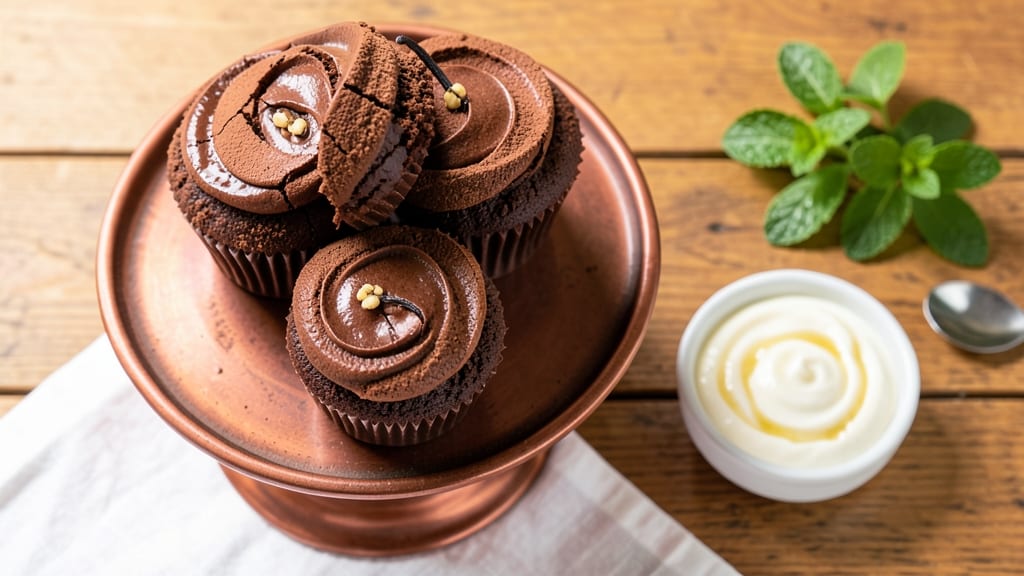
This chocolate cupcake recipe no buttermilk delivers fluffy layers with a vanilla bean brightness that rivals bakery favorites—without the tangy dairy. The secret lies in a simple substitution that keeps the texture light and tender while maintaining rich chocolate flavor.
I developed this after years of testing buttermilk-free alternatives, and this yogurt-based method never fails.
What makes these cupcakes special is the vanilla bean infusion, which adds depth without overpowering the chocolate. The substitution process is foolproof: mix plain yogurt with a splash of vinegar to mimic buttermilk's acidity, then fold it into the batter for perfectly moist crumbs.
Baking at 350°F for 18–22 minutes ensures a domed top with a crackly crust.
By the time they cool, you'll have fudgy yet tender cupcakes with a vanilla-kissed center that pairs beautifully with chocolate ganache or cream cheese frosting. The substitution works every time, and the flavor is undeniably bakery-worthy. Let's get started!
These cupcakes work equally well for weeknight treats or special occasions—just adjust the frosting to match. The recipe scales perfectly for parties, and leftovers stay fresh for 3 days in an airtight container. Here's everything you need!
Ingredients for chocolate cupcake recipe no buttermilk
Twelve simple components transform into bakery-style cupcakes without buttermilk's tang.
| Ingredient | Amount | Notes |
|---|---|---|
| All-Purpose Flour 🌾 | 2 cups | Sifted for light texture |
| Granulated Sugar 🍚 | 1 ½ cups | White or light brown |
| Unsalted Butter 🧈 | 1 cup | Room temperature, cubed |
| Plain Yogurt 🥛 | ¾ cup | Full-fat for creaminess |
| White Vinegar 🍶 | 1 tbsp | For yogurt substitution |
| Vanilla Bean Seeds 🌿 | 1 whole | Scraped from 1 pod |
| Baking Powder 🧂 | 1 ½ tsp | Aluminum-free preferred |
| Large Eggs 🥚 | 2 whole | Room temperature |
| Dutch Processed Cocoa Powder 🍫 | ½ cup | High-quality for richness |
| Salt 🧂 | ½ tsp | Fine sea salt |
| Milk 🥛 | ½ cup | Whole milk preferred |
| Vegetable Oil 🫒 | ¼ cup | Light, neutral flavor |
The cocoa powder and vanilla bean are non-negotiable for authentic chocolate flavor. Valrhona or Guittard cocoa powders deliver superior depth, while Madagascar vanilla beans from specialty shops elevate the vanilla brightness. For the yogurt substitution, full-fat Greek yogurt works best—it mimics buttermilk's acidity and fat content perfectly. The vinegar is crucial; apple cider vinegar adds subtle sweetness, but white vinegar works in a pinch. Butter should be room temperature to blend smoothly, but not melted—cold butter creates dense cupcakes. Most grocery stores carry decent cocoa powder, but Whole Foods or Williams Sonoma offer premium options worth the splurge for frequent bakers.
No full-fat yogurt? Substitute with sour cream at the same ratio, though the texture may be slightly denser. Running low on vanilla bean? Pure vanilla extract at half the scraped seeds works, though the flavor will be less complex. Out of Dutch-processed cocoa? Natural cocoa powder plus 1 tbsp extra sugar mimics the sweetness profile. The milk can be swapped for buttermilk-free vanilla almond milk, though the texture will be slightly lighter. For the oil, melted coconut oil adds subtle flavor but may alter the cupcake's neutral base. Always sift the flour and cocoa together to prevent dense crumbs—this is a professional technique that makes all the difference.
Store batter in an airtight container in the fridge for up to 24 hours—it actually improves as the flour hydrates. Baked cupcakes keep 3 days at room temperature wrapped in plastic, or 1 week refrigerated. For longer storage, freeze fully cooled cupcakes on a tray, then transfer to a bag for 3 months. Reheat frozen cupcakes at 300°F for 5 minutes to restore moisture. The vanilla bean pods can be reused by scraping them thoroughly—one pod yields about 2 batches of cupcakes. Always use a light-colored metal or glass bowl for mixing to prevent overcooking from dark pans.
Why You'll Love This Recipe
- Pantry-Friendly Magic: I swear by this combo—flour, sugar, butter, and that yogurt-vinegar trick (yes, it’s genius). No buttermilk hunting, no weird substitutions. Just open the fridge, measure, mix.
- Rich Without Effort: The yogurt keeps them moist, the vinegar adds a subtle tang, and the butter? Oh, it’s there—that melt-in-your-mouth crumb. No fancy techniques, just pure, deep chocolate flavor that tastes like you spent hours.
- Birthday or Breakfast: Frost them with store-bought icing for a last-minute party hit, or eat them plain with a drizzle of honey for a 9 AM win. Honestly, my kids ask for these more than actual cake.
- Leftovers? Laughable.: These stay fresh for days—freeze half the batch, reheat in the microwave, and no one’s the wiser. Plus, the vinegar trick cuts costs without sacrificing taste. My wallet and my sweet tooth both thank me.
Step-by-step instructions for chocolate cupcake recipe no buttermilk
This method delivers tender, moist cupcakes with distinct vanilla brightness and rich chocolate flavor—no buttermilk required.
Prepare the Yogurt Substitute
In a small bowl, combine the 0.75 cup plain yogurt with 1 tablespoon white vinegar. Let this mixture sit for 5 minutes while you prepare the other ingredients. This creates a buttermilk-like acidity that activates the baking powder for lift without altering the cupcake's delicate texture.
The reaction between the yogurt and vinegar is subtle but critical—it ensures your cupcakes rise properly and develop that signature tender crumb. If you notice any separation after mixing, simply stir gently to re-emulsify before proceeding.
Cream Butter, Sugar, and Vanilla
In a stand mixer fitted with the paddle attachment, beat the 1 cup unsalted butter (softened but still cool to the touch) with 1.5 cups granulated sugar on medium speed for 3-4 minutes. The mixture should lighten in color and nearly double in volume. Scrape down the sides of the bowl with a rubber spatula to ensure even mixing.
Add the vanilla bean seeds (scraped from 1 pod) and mix for an additional 30 seconds until fully incorporated. This step is where the magic begins—properly creamed butter and sugar incorporate air, which creates the signature fluffy texture. If the butter feels too soft, chill the bowl in the refrigerator for 10 minutes before continuing.
Alternate Wet and Dry Ingredients
With the mixer on low speed, add the 2 whole large eggs, one at a time, mixing just until each is fully incorporated. After the second egg, reduce the speed to low and add the yogurt-vinegar mixture in a slow stream, mixing until combined.
In a separate bowl, whisk together the 2 cups all-purpose flour, 1.5 teaspoons baking powder, 0.5 teaspoon salt, and 0.5 cup Dutch processed cocoa powder. Sift the dry ingredients directly into the wet mixture, mixing on low speed just until no flour streaks remain. Avoid overmixing—this develops gluten and can result in dense cupcakes.
Incorporate Milk and Oil for Moisture
Add the 0.5 cup milk and 0.25 cup vegetable oil to the batter and mix on low speed for an additional 30 seconds until fully combined. The oil ensures moisture retention, while the milk adds body without overpowering the chocolate flavor. The batter should be thick but pourable—if it appears too stiff, gently fold in 1 tablespoon milk at a time until it reaches the desired consistency.
This is also the moment to check for proper texture. The batter should coat the back of a spoon smoothly without being overly runny. If you notice any graininess, sift the flour mixture again briefly to break up any clumps before proceeding.
Fill Liners and Bake to Perfection
Preheat your oven to 350°F and line a muffin tin with 12 cupcake liners. Fill each liner ⅔ full with batter—using a cookie scoop ensures even distribution. Bake for 18-20 minutes, or until a toothpick inserted into the center comes out clean with just a few moist crumbs clinging to it.
Do not overbake—cupcakes continue to set as they cool. Once done, transfer the cupcakes to a wire rack and let them cool for 5 minutes before removing from the liners. For the best texture, serve them at room temperature, allowing the flavors to fully develop. The top should be slightly domed with a crackly crust, while the interior remains tender and moist.
Pro Tips For Making Chocolate Cupcake Recipe No Buttermilk
- Mix Dry Ingredients First: Sift the flour, cocoa powder, baking soda, and salt together before adding wet ingredients—this prevents lumps and guarantees even distribution. I used to skip it, and my cupcakes always had weird dense spots near the edges.
- Whisk Yogurt and Vinegar: Combine the yogurt and vinegar first, then let it sit for 5 minutes—this mimics buttermilk’s tang without curdling later. I learned this the hard way after a batch turned out bland and gummy.
- Cream Butter and Sugar Slowly: Beat the butter and sugar on medium speed for 2-3 minutes until pale and fluffy, not just combined. Rushing this step traps air poorly, leading to dense cupcakes that won’t rise properly.
- Use Room-Temp Butter: Take the butter out of the fridge 1-2 hours before baking—it creams better and blends smoothly with sugar. Cold butter makes the batter fight you, and that’s a battle you don’t need.
Creative variations of these flavors
Spiced Orange Vanilla
Infuse your batter with 1 teaspoon orange zest and ½ teaspoon ground cinnamon along with the vanilla bean seeds. The citrus brightens the chocolate while the cinnamon adds warmth—perfect for a fall twist.
I tested this variation with Madagascar vanilla and Navel orange zest from the market, and it became my go-to for holiday baking. 🍊
Espresso Chocolate Boost
Add 1 tablespoon instant espresso powder to the dry ingredients for a mocha-inspired depth. This works especially well with high-quality cocoa powder like Hershey's Special Dark or Ghirardelli. The espresso enhances the chocolate flavor without adding bitterness.
I discovered this trick when I ran out of coffee but still wanted rich cupcakes—now it's a staple in my recipe rotation. ☕
Peanut Butter Swirl
After mixing the batter, drop ¼ cup peanut butter into the center of each cupcake liner, then swirl it with a toothpick before adding the batter. The peanut butter creates delicious pockets throughout.
For extra indulgence, top with peanut butter ganache made from equal parts melted peanut butter and heavy cream. This variation feels like a decadent dessert but keeps the same easy prep. 🥜
Salted Caramel Cupcakes
Fold ½ cup caramel sauce into the batter (I use Trader Joe's salted caramel for convenience) and top with flaky sea salt after baking. The salty-sweet contrast elevates the chocolate flavor to restaurant-quality levels.
For homemade caramel, simmer 1 cup sugar with ¼ cup heavy cream until golden, then stir in 1 teaspoon sea salt. This version always gets rave reviews at parties. 🍯
White Chocolate Chunk
Fold ½ cup chopped white chocolate into the batter (use Guittard or Ghirardelli for best results). The white chocolate melts slightly during baking, creating pockets of creamy contrast.
For extra texture, sprinkle crushed pretzels on top before baking—the saltiness balances the sweetness beautifully. This variation feels like a dessert upgrade without extra effort. 🍫
Matcha Chocolate Fusion
Replace 1 tablespoon cocoa powder with 1 teaspoon matcha powder for an earthy, vibrant twist. The matcha adds a subtle umami note that pairs surprisingly well with chocolate.
Use culinary-grade matcha like Ippodo Tea for the best flavor. This variation works beautifully with a white chocolate ganache to highlight the green tea notes. 🍵
Nutrition facts
Frequently asked questions
Why does this recipe use yogurt instead of buttermilk?
The yogurt-vinegar combo mimics buttermilk's acidity perfectly while keeping the cupcakes tender and moist. The vinegar activates the baking powder for lift, while the yogurt adds richness without altering the chocolate flavor. Plus, it's a foolproof substitution that works every time!
Can I make these cupcakes without vanilla bean?
Yes! Use 1 teaspoon pure vanilla extract instead of the scraped seeds. The flavor will be slightly less complex, but still delicious. For extra depth, add ½ teaspoon vanilla bean paste (found in baking sections). The vanilla bean adds a subtle floral note that pairs beautifully with chocolate.
How do I prevent my cupcakes from cracking on top?
Cracking is normal when baking cupcakes—they continue setting as they cool. To minimize it, avoid overbaking (pull them out when a toothpick comes out with a few moist crumbs). Also, let them cool in the pan for 5 minutes before transferring to a rack. For extra insurance, bake at 325°F instead of 350°F for 22-24 minutes.
What's the best frosting for these chocolate cupcakes?
For a classic pairing, try chocolate ganache (equal parts melted chocolate and heavy cream) or cream cheese frosting with a hint of vanilla. For something lighter, whipped cream with 1 tablespoon cocoa powder folded in works beautifully. The vanilla brightness in the cupcakes pairs especially well with peanut butter frosting too!
Can I bake these cupcakes in a different oven?
Yes, but you may need to adjust the time slightly. Convection ovens cook faster—reduce time by 2-3 minutes. If your oven runs hot, check for doneness at 16 minutes. Always use an oven thermometer to confirm your oven's accuracy. The key is pulling them out when the center is set but still slightly springy.