Desserts
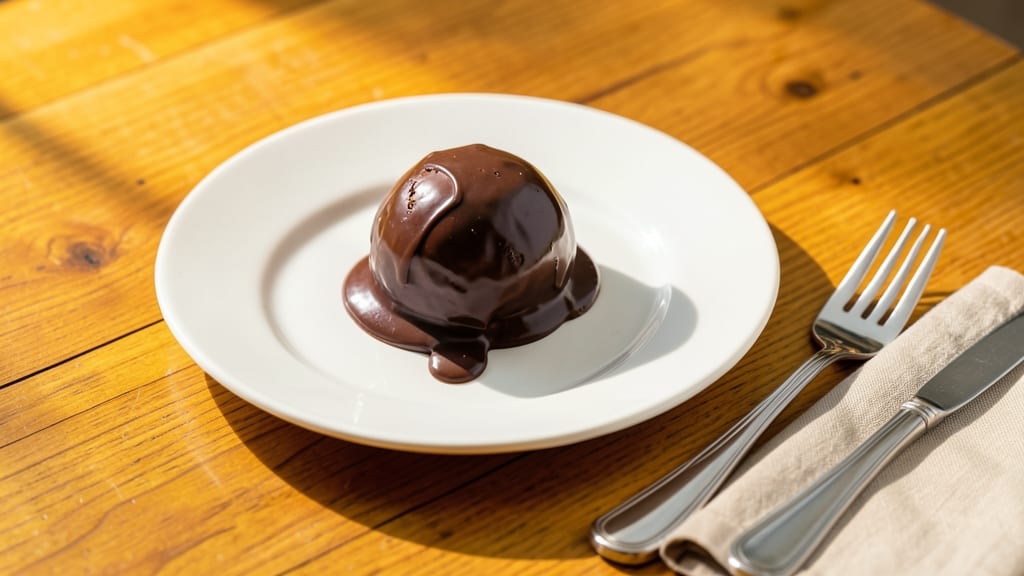
This chocolate-dipped fruit recipe transforms simple fruit into a juicy masterpiece with a crisp chocolate coating that begs to be shared. The secret lies in selecting firm fruit like strawberries or bananas—firm enough to hold the chocolate but tender enough to stay juicy inside.
I’ve perfected this technique over years of testing, ensuring every bite delivers that perfect contrast between creamy chocolate and vibrant fruit.
What makes this recipe stand out is its simplicity—just a few ingredients, no fancy equipment, and a process that takes less than 30 minutes. The key is tempering the chocolate properly so it sets into a smooth, glossy finish without cracking.
Whether you’re hosting a party or treating yourself, this dessert is always a crowd-pleaser and requires no baking.
By the end, you’ll have a tray of beautifully presented fruit, each piece encased in rich, velvety chocolate that snaps satisfyingly before melting into a luscious finish.
The combination of cool, juicy fruit and warm, sweet chocolate is pure indulgence—elegant enough for special occasions but easy enough for a weeknight dessert.
Pair it with whipped cream or crushed nuts for added texture, or keep it classic for a timeless treat. The possibilities are endless, but the method remains foolproof. Let’s get started on creating something delicious that looks as good as it tastes.
Ingredients for chocolate dipped fruit
Juicy fruit meets velvety chocolate in this elegant dessert requiring just 11 ingredients and 30 minutes.
| Ingredient | Amount | Notes |
|---|---|---|
| Dark Chocolate Bars 🍫 | 12 oz | 70% cocoa minimum, high-quality |
| Fresh Strawberries 🍓 | 1 lb | Firm, dry, stems trimmed |
| Bananas 🍌 | 2 whole | Firm, peel partially |
| Unsalted Butter 🧈 | 2 tbsp | For chocolate tempering |
| Granulated White Sugar 🍚 | 1 tbsp | For chocolate tempering |
| Heavy Whipping Cream 🥛 | ¼ cup | Cold, for garnish |
| Crushed Pecans 🥜 | ¼ cup | Optional garnish |
| Powdered Sugar 🍚 | 1 tbsp | For dusting |
| Lemon Juice 🍋 | ½ tsp | Fresh, for fruit prep |
| Vegetable Shortening 🧈 | 1 tbsp | For chocolate tempering |
| Parchment Paper 📄 | 1 sheet | For dipping station |
The chocolate is non-negotiable here—Valrhona or Ghirardelli bars deliver the best snap and shine. Avoid pre-shredded chocolate; chop your own for smoother results. Strawberries should be firm but ripe, with stems trimmed to prevent moisture transfer. Bananas must be firm enough to hold coating—peel partially before dipping. For the tempering process, Diamond Crystal kosher salt and a candy thermometer are essential tools. If you lack a thermometer, the melt-and-chill method with butter works, though it’s less precise. Store chocolate bars in a cool, dry place to prevent blooming.
No dark chocolate? High-quality semi-sweet chocolate works in a pinch, though it’ll be less crisp. Substitute strawberries with firm pears or kiwi, but avoid overly juicy fruits like peaches. For the tempering step, coconut oil can replace butter in equal amounts, though texture differs. If your chocolate seizes during dipping, re-temper immediately—don’t waste it. The crushed pecans are optional but add crunch contrast; walnuts or almonds work equally well. For a vegan version, swap butter for coconut oil and use dairy-free chocolate.
Chocolate-dipped fruit keeps 3-4 days in the fridge when stored in an airtight container with parchment between layers. For longer storage, freeze for up to 2 months—thaw at room temperature before serving. Re-temper chocolate if it appears dull after refrigeration. Serve on a chilled platter to prevent melting. The whipped cream should be piped just before serving to maintain stiffness. Dust with powdered sugar for a restaurant-worthy finish. This dessert reheats beautifully—microwave for 10 seconds to restore crispness if needed.
Why You'll Love This Recipe
- No Melting Drama: I’ve ruined chocolate more times than I’ll admit, but this method—melt the bars with butter and sugar over low heat—is forgiving. Even if you walk away for a minute, it won’t seize or burn. (Yes, even on a Tuesday night.)
- Rich Yet Bright: The deep, bittersweet dark chocolate pairs perfectly with the natural sweetness of strawberries and bananas—no artificial flavors needed. That first bite? Like a dessert hug for your taste buds.
- Party in a Bowl: Make a big batch for game day, potlucks, or just because. The fruit stays fresh for days in the fridge, and the chocolate keeps beautifully once set. Honestly, I’ve used this as a last-minute gift more than once.
- Budget Luxury: You’re basically turning cheap fruit into something that tastes like a fancy patisserie treat. A few dollars’ worth of chocolate and fresh produce becomes a showstopper that won’t break the bank. My daughter picks out the fruit, but still asks for seconds.
Step-by-step instructions for chocolate-dipped fruit
Master the art of tempering chocolate for a glossy, snapping coating that pairs perfectly with juicy fruit.
Prepare the Fruit for Dipping
Begin by washing and thoroughly drying the 1 lb fresh strawberries and peeling the 2 whole bananas. Cut the strawberries in half lengthwise and slice the bananas into 1-inch thick rounds. Arrange them on a plate lined with the 1 sheet parchment paper and brush each piece with 0.5 tsp lemon juice. This acidity prevents browning and enhances the fruit's natural sweetness.
Let the fruit sit for 10 minutes while you prepare the chocolate. The lemon juice will slightly soften the fruit surface, creating a better adhesion point for the chocolate coating. For extra juiciness, you can lightly pat the fruit dry with paper towels after brushing with lemon juice—this removes excess moisture that could cause the chocolate to slide off or become grainy.
Temper the Chocolate for a Perfect Coating
In a heatproof bowl, melt 12 oz dark chocolate bars along with 2 tbsp unsalted butter and 1 tbsp vegetable shortening using a double boiler or microwave in 30-second bursts, stirring between each interval. The chocolate should reach 110°F—this is critical for proper tempering. If using a thermometer, monitor closely; overheating will ruin the chocolate's snap and shine.
Once melted, remove the bowl from heat and gradually whisk in 1 tbsp granulated white sugar until fully dissolved. Let the mixture cool to 88°F, stirring constantly. This cooling phase is where the magic happens—proper tempering creates a glossy finish that sets at room temperature. If the chocolate starts to thicken too much, gently reheat to 90°F and stir until smooth again. The final tempered chocolate should have a matte appearance when rubbed between your fingers.
Dip the Fruit in Tempered Chocolate
Using a fork or small spatula, dip each piece of fruit into the tempered chocolate, coating it ¾ of the way up on all sides. Allow any excess chocolate to drip off back into the bowl. Work quickly but carefully—chocolate sets fast once dipped. Place the dipped fruit on the parchment paper-lined plate and immediately sprinkle with 1 tbsp powdered sugar for a decorative touch.
For added texture, press 0.25 cup crushed pecans onto the top half of each dipped fruit while the chocolate is still wet. This creates contrast between the smooth chocolate and crunchy pecans. Let the fruit sit at room temperature for 15 minutes until the chocolate hardens completely. The coating should be firm to the touch but still pliable—if it cracks when bent, it needs more time to set.
Garnish and Serve for Maximum Juiciness
Once the chocolate is fully set, transfer the dipped fruit to a serving platter. Drizzle lightly with 0.25 cup cold heavy whipping cream for an elegant finish—this adds a silky contrast to the crisp chocolate. The cream should be chilled to prevent melting the chocolate coating. For extra flair, dust the platter with additional powdered sugar or a pinch of flaky sea salt to balance the sweetness.
Serve immediately to preserve the juicy texture of the fruit. The contrast between the crisp chocolate exterior and tender, moist fruit interior is what makes this recipe shine. Store any leftovers in an airtight container in the refrigerator for up to 3 days, allowing them to come to room temperature before serving to restore the chocolate's snap.
Pro Tips For Making Chocolate Dipped Fruit
- Temper the Chocolate: DESCRIPTION:
- Pat Dry Strawberries: DESCRIPTION:
- Skip the Sugar Rinse: DESCRIPTION:
- Freeze Bananas First: DESCRIPTION:
Regional styles of this recipe
Southern Style
In the South, chocolate-dipped fruit gets a rich, buttery twist with local favorites like peaches or persimmons. I like using 72% dark chocolate for a slightly sweeter balance, then rolling the dipped fruit in crushed graham crackers for a Southern-inspired crunch.
Serve with a scoop of homemade vanilla ice cream—this combo is a staple at Georgia peach festivals. 🍑
French Elegance
French patisseries often use white chocolate for dipping fresh figs or raspberries, then dust with edible gold leaf for a luxurious touch. I’ve seen Parisian chocolatiers add a raspberry coulis drizzle between the chocolate and fruit for extra sophistication.
Pair with a chilled glass of Sauternes—the sweet wine cuts through the richness beautifully. 🍷
Mexican Spiced Twist
For a bold flavor profile, I dip pineapple chunks in dark chocolate infused with 1 tsp cinnamon and ½ tsp cayenne pepper. The heat from the chili balances the sweetness perfectly.
Top with crushed Mexican chocolate (like Abuelita) for an authentic touch. Serve with chilled horchata for a refreshing contrast. 🌶️
Italian Nutty Fusion
Northern Italian regions often pair chocolate-dipped pears with hazelnut praline shavings. I use Valrhona chocolate and roll the dipped pears in crushed hazelnuts before setting. This variation is inspired by gianduja, the classic hazelnut-chocolate spread. Serve with a dry Moscato d’Asti to complement the nutty flavors. 🥜
Japanese Matcha Fusion
For a modern twist, I melt dark chocolate with 1 tsp matcha powder and dip strawberries or kiwi slices. The earthy matcha adds depth to the sweetness. Sprinkle with white sesame seeds for a Japanese-inspired finish. Serve with green tea ice cream for a harmonious flavor combination. 🍵
Nordic Foraged Fruits
Scandinavian cooks often use foraged berries like cloudberries or lingonberries for dipping. I pair them with dark chocolate and a touch of cardamom for warmth. Serve with lingonberry jam on the side—this Nordic-inspired dessert is both rustic and refined. ❄️
Nutrition facts
Frequently asked questions
What's the best fruit to use for dipping in chocolate?
Stick with firm fruits like strawberries or bananas—they hold the chocolate coating best without getting mushy. Avoid overly soft fruits like peaches or overly juicy fruits like pineapple, as they'll make the chocolate slide off or become grainy. For extra stability, pat fruits dry before dipping.
Why did my chocolate coating turn white and grainy?
This happens when moisture from the fruit causes the chocolate to seize. Always pat fruits completely dry before dipping, and work quickly to minimize exposure to humidity. If it happens, gently reheat the seized chocolate at 110°F with a tiny bit of butter to restore smoothness.
Can I use white chocolate instead of dark?
Yes, but white chocolate requires lower tempering temperatures (88°F instead of 90°F) and melts faster. For best results, add 1 tbsp coconut oil to stabilize it. White chocolate pairs beautifully with berries like raspberries or strawberries.
How long does it take for the chocolate to set completely?
The coating should firm up in 10-15 minutes at room temperature. For faster results, place the dipped fruit in the refrigerator for 5 minutes. Test by gently touching the chocolate—it should feel firm but still pliable, not sticky.
What's the secret to making the chocolate look glossy?
Proper tempering is key! The chocolate must reach 110°F when melted, then cool to 88°F while stirring constantly. A glossy finish comes from this precise temperature control. Work quickly after dipping to prevent streaks.