Breakfast & Brunch
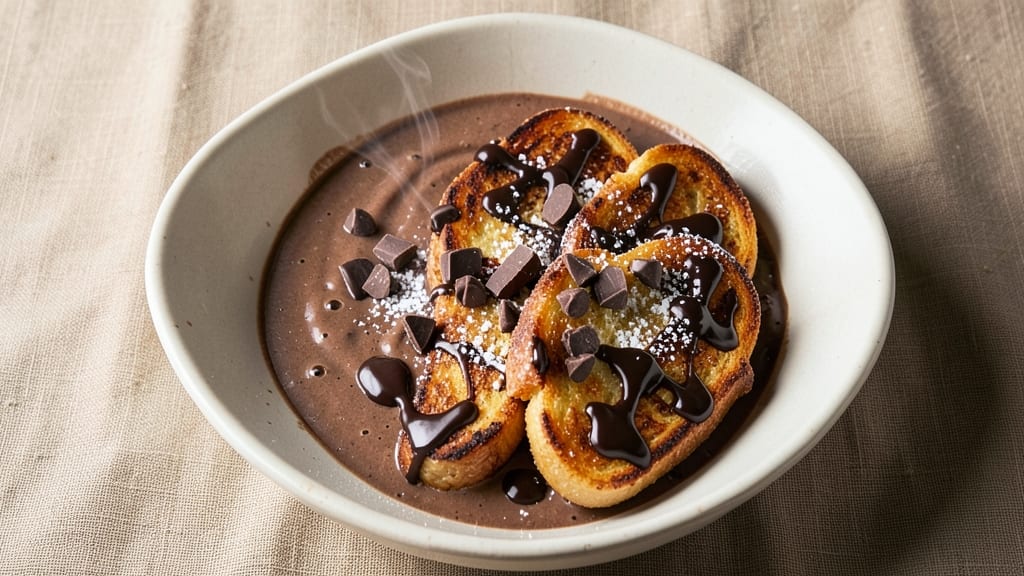
This chocolate French toast recipe transforms ordinary breakfast into a decadent dessert-worthy dish with deep cocoa infusion and perfectly crispy edges—every bite delivers rich, velvety texture and a subtle chocolatey crunch.
The secret lies in infusing the batter with melted chocolate and a touch of espresso powder for complexity, while high-heat frying creates that coveted caramelized crust. I developed this version after years of experimenting with traditional French toast, and it’s now my go-to for weekend brunch or special occasions.
The beauty of this recipe is its balance: simple ingredients like bread, eggs, and milk elevate into something restaurant-quality with just a few strategic additions. A 30-minute process yields golden-brown slices with a molten chocolate center that melts into each forkful.
The key technique is soaking the bread just long enough to absorb the chocolate-infused batter without becoming soggy, followed by precise frying to achieve that crispy exterior.
What you’ll end up with is a stack of chocolate French toast so rich and satisfying it feels like dessert—yet still breakfast-appropriate. The edges are perfectly crispy, the interior stays tender, and the chocolate flavor is deep without overpowering.
Serve with a drizzle of warm spiced chocolate syrup, fresh berries, or a dollop of whipped cream for the ultimate indulgence. This recipe proves you don’t need fancy ingredients to create something extraordinary.
Perfect for feeding a crowd or treating yourself to a luxurious morning, this chocolate French toast is versatile enough for brunch gatherings or a quiet weekend indulgence. The method scales easily, and leftovers reheat beautifully. Let’s get started on creating your new favorite breakfast centerpiece.
Ingredients for chocolate french toast
Simple ingredients elevate to decadent chocolate French toast with crispy edges and velvety chocolate infusion.
| Ingredient | Amount | Notes |
|---|---|---|
| Brioche Bread Loaf 🍞 | 1 whole | Day-old, crust removed for even absorption |
| Large Eggs 🥚 | 6 whole | Room temperature for even cooking |
| Whole Milk 🥛 | 2 cups | Full-fat for optimal richness |
| Unsalted Butter 🧈 | ½ cup | Cold, cubed for frying |
| Dark Chocolate Chips 🍫 | ½ cup | 70% cocoa or higher, melted |
| Granulated Sugar 🍚 | ¼ cup | For balanced sweetness |
| Vanilla Extract 🌿 | 1 tbsp | Pure Madagascar preferred |
| Espresso Powder ☕ | ½ tsp | Enhances chocolate depth |
| Diamond Crystal Kosher Salt 🧂 | ½ tsp | Fine grain for delicate seasoning |
| Ground Cinnamon 🌶️ | ¼ tsp | Freshly ground for warmth |
| Powdered Sugar 🍚 | ¼ cup | For dusting finished toast |
| Fresh Berries 🍓 | 1 cup | Optional garnish, sliced |
The bread selection is critical—brioche delivers the ideal balance of richness and structure, while day-old slices absorb the batter perfectly without becoming mushy. Whole Foods or Trader Joe's carry excellent pre-sliced brioche, but any good bakery will have a superior product. For the chocolate, Valrhona or Ghirardelli chips melt flawlessly, though high-quality store brands work too. The espresso powder is non-negotiable for that sophisticated depth—Lavazza or Starbucks brands provide consistent results. Always use cold butter for frying to prevent overheating and ensure proper browning.
No brioche? Challah or Texas toast bread work beautifully as substitutes, though texture will differ slightly. Running short on dark chocolate? Semisweet chocolate chips will suffice, though the cocoa percentage drops. The vanilla extract can be swapped for vanilla bean paste if you prefer more intense flavor. For those avoiding dairy, unsweetened almond milk maintains richness but may require slightly longer soaking time. The powdered sugar is purely decorative, so omit if preferred—but the contrast with crispy edges makes it worth including. Fresh berries should be added just before serving to maintain texture.
Store the bread in an airtight container with a slice of apple or lemon wedge to prevent drying. Melted chocolate can be refrigerated for up to 5 days in a sealed container, though texture may slightly thicken. Leftover French toast reheats best in a 350°F oven for 5-7 minutes to restore crispiness. For make-ahead convenience, assemble the batter up to 1 day in advance and refrigerate—bring to room temperature before using. Portion the batter into small containers for easy morning assembly, ensuring each slice gets the perfect chocolate infusion.
Why You'll Love This Recipe
- I’ll be real: I usually make a big batch because reheating these is almost as good as fresh. Toss them in a toaster for crispy edges or microwave for a quick breakfast—either way, they taste like you put in effort. (Your secret’s safe with me.)
- Three-Ingredient Magic: I swear, the combo of brioche, eggs, and milk—no fancy whisking, no straining—just crack, pour, and dip. That doughy brioche soaks up the custard like a dream, and the butter? Chef’s kiss for the crispy edges.
- Decadent in Two Bites: The first forkful hits with that buttery brioche crunch, then melts into custardy softness—then the dark chocolate chips surprise you. Honestly, I’ve made french toast before, but this? It’s the kind of dish that makes you pause mid-bite to sigh.
- Weekend Brunch Star: Too fancy for Tuesday but not for Saturday? This is my go-to when I want to impress without stressing. Add fresh berries and a drizzle of honey, and suddenly you’ve got a restaurant-worthy plate that took less time than deciding what to wear.
Step-by-step instructions for chocolate French toast with crispy edges
Mastering this technique delivers restaurant-quality chocolate french toast every time.
Prepare the Chocolate Infusion Batter
In a large bowl, whisk together the 6 whole large eggs, 2 cups whole milk, 1 tablespoon vanilla extract, and 0.5 teaspoon espresso powder until completely combined. The espresso powder enhances the chocolate depth, creating a sophisticated cocoa flavor profile. Add the 0.25 cup granulated sugar and 0.5 teaspoon diamond crystal kosher salt, whisking until the sugar fully dissolves and the mixture becomes smooth.
In a separate small saucepan, melt the 0.5 cup dark chocolate chips over low heat, stirring gently until completely smooth. Remove from heat and allow to cool slightly for 2-3 minutes—this prevents the eggs from scrambling when incorporated. Pour the melted chocolate into the egg mixture and whisk vigorously for 1-2 minutes until fully emulsified. The batter should be thick but pourable, with a rich, velvety texture. This infusion ensures every slice absorbs deep chocolate flavor throughout.
Cut and Prepare the Brioche
Using a serrated knife, cut the 1 whole brioche bread loaf into 4 equal slices about ½-inch thick. The brioche should be day-old for optimal texture—fresh brioche absorbs too much liquid and becomes gummy. Remove any remaining crust from the cut faces to ensure even absorption of the batter. Arrange the slices on a wire rack and lightly brush both sides with melted 0.25 cup unsalted butter (reserve the remaining butter for frying). This step creates a golden crust and prevents the bread from drying out during frying.
Place the buttered brioche slices in a shallow dish and pour the chocolate batter over them, ensuring both sides are fully coated. Let the bread soak for 5 minutes—this allows the batter to penetrate deeply without making the slices soggy. The brioche should feel heavy but still hold its shape when lifted. If the batter pools excessively, gently press the slices to redistribute the mixture evenly.
Fry to Perfect Crispy Edges
Heat a large skillet over medium heat and add the remaining 0.25 cup unsalted butter, allowing it to melt completely and foam to medium-high heat. The butter should shimmer but not smoke—this ensures a crisp exterior without burning. Working in batches, place the soaked brioche slices in the skillet, pressing down gently with a spatula for 10 seconds to ensure even contact with the butter. Fry for 2-3 minutes per side until the edges are deep golden brown and the underside develops a crisp lattice pattern.
Here's the key: resist the urge to flip too early. You'll know it's ready when the edges pull away from the pan with slight resistance and the surface develops a crackly crust. The internal temperature should reach 160°F when checked with an instant-read thermometer. Transfer the fried slices to a wire rack to drain excess butter, then dust immediately with 0.25 cup powdered sugar while still warm. The powdered sugar melts slightly from the residual heat, creating a delicate, crisp coating.
Finish with Warm Garnishes
While the toast is still warm, sprinkle each slice with a pinch of 0.25 teaspoon ground cinnamon for warmth and contrast. Slice the 1 cup fresh berries into quarters and arrange them artfully alongside the toast. The berries add vibrant color and a tart contrast to the rich chocolate flavor. Serve immediately, as the texture softens rapidly once removed from the pan. Each bite should deliver a perfect balance of crispy edges, creamy interior, and deep cocoa infusion.
For an elevated presentation, drizzle with a thin stream of warmed chocolate sauce made from the reserved melted chocolate (if any remains) thinned with 1 teaspoon whole milk. This final touch ties together all the elements into a cohesive, restaurant-worthy dish that delivers on the promised crispy edges and luxurious chocolate experience.
Pro Tips For Making Chocolate French Toast
- Prep the Brioche Right: Cut the brioche thick—about ¾-inch slices—and let it sit at room temp for 10 minutes before dipping. Cold brioche soaks unevenly and turns gummy; room temp gives you that perfect custardy bite every time.
- Whisk Eggs Like a Pro: Crack eggs into a bowl, then whisk vigorously with milk until the mixture is smooth and just slightly frothy—about 30 seconds. Over-whisking makes it gluey; under-whisking leaves streaks of raw egg. Aim for a velvety consistency.
- Skip the Overcrowded Pan: Use a nonstick skillet, but only cook two slices at a time. Brioche expands, and cramming it in steams the butter instead of browning it. Patience here means crispy edges and a golden crust, not soggy disappointment.
- Melt Chocolate In the Batter: Toss ½ cup dark chocolate chips into the egg-milk mix while it’s still warm (not boiling) and let them sit for 2 minutes. The residual heat melts them just enough to distribute evenly—no clumping, no digging out chunks later.
Pro cooking tips for this dish
Batter Consistency
The secret to perfect chocolate French toast lies in the batter's texture—it should be thick enough to coat the bread thoroughly but still pourable. I use a whisk attachment on medium speed for 2 minutes to fully emulsify the melted chocolate into the egg mixture.
The batter should resemble heavy cream, not thin milk. If it's too runny, add 1 extra tablespoon of flour to thicken it. Test consistency by dipping a wooden spoon—it should coat the back smoothly but leave a slight trail. 💛
Soaking Time Mastery
Over-soaking turns French toast into a soggy mess, while under-soaking leaves it dry. I recommend 5 minutes maximum for brioche in a shallow dish. The bread should feel heavy but still hold its shape when lifted.
For thicker slices (½-inch), soak for 4 minutes—thinner slices need only 3 minutes. If using challah instead of brioche, reduce soaking to 3 minutes as it absorbs liquid faster. Always use room-temperature batter for even absorption.
Butter Temperature Control
Cold butter is your ally for crispy edges. I melt ½ cup unsalted butter over low heat until just liquid, then remove from heat to cool for 2 minutes before frying. The butter should be hot enough to foam when added to the pan but not smoking.
For extra crispiness, I use a 10-inch cast iron skillet—its heavy base maintains even heat distribution. If your butter smokes excessively, reduce heat immediately to prevent burning. 🔥
Frying Technique
Pressing the bread gently with a spatula for 10 seconds after placing it in the pan ensures maximum contact with the butter. This creates those coveted crispy edges and lattice patterns.
I fry at medium-high heat (about 350°F) and flip only when edges pull away from the pan with slight resistance. For even cooking, work in batches of 2 slices max—crowding steams the bread instead of crisping it. A digital thermometer helps maintain precise pan temperature.
Powdered Sugar Timing
Dusting with powdered sugar while the toast is still warm creates a magical crisp coating. I use a fine-mesh sieve to distribute ¼ cup powdered sugar evenly over each slice. The residual heat melts the sugar slightly, forming delicate crystals that add texture.
For extra flair, I sprinkle ½ teaspoon ground cinnamon immediately after sugar while the toast is piping hot. This final step should happen within 30 seconds of removing from the pan for best results.
Nutrition facts
Frequently asked questions
Can I make this chocolate French toast ahead of time?
Assemble the batter up to 1 day in advance and store it in the refrigerator. Bring it to room temperature before using. For the bread, soak and fry as directed, then reheat in a 350°F oven for 5-7 minutes to restore crispiness. The chocolate flavor actually deepens slightly after resting, making it even more decadent.
What's the best bread substitute if I don't have brioche?
Use challah or Texas toast bread for similar texture, though they absorb liquid faster. Reduce soaking time to 3 minutes and press slices gently to redistribute batter. Avoid soft sandwich bread—it turns mushy. For a lighter option, try brioche-style hamburger buns, which hold up well to frying.
Why did my chocolate French toast turn out greasy?
Greasy results usually come from overcrowding the pan or using too much butter. Fry in batches of 2 slices max and ensure your butter is at medium-high heat (not smoking). Drain fried toast on a wire rack for 1 minute before dusting with powdered sugar—this absorbs excess butter. Always use cold butter for frying to prevent excess oil release.
How can I make this vegan?
Replace eggs with 6 tablespoons aquafaba (chickpea brine) or ½ cup silken tofu blended smooth. Use unsweetened almond milk instead of dairy milk and vegan butter for frying. The chocolate flavor remains rich, though texture will be slightly lighter. For crispiness, add 1 tablespoon cornstarch to the batter. Soak time may need adjustment—test at 3 minutes first.
Can I use white chocolate instead of dark?
White chocolate works but lacks the deep cocoa flavor of dark. For best results, use 70% dark chocolate or blend half dark, half white for a sweeter profile. The espresso powder remains essential—it enhances chocolate depth regardless of type. If using white, reduce sugar to ¼ cup to balance sweetness. The texture stays excellent, though color will be lighter.