Desserts
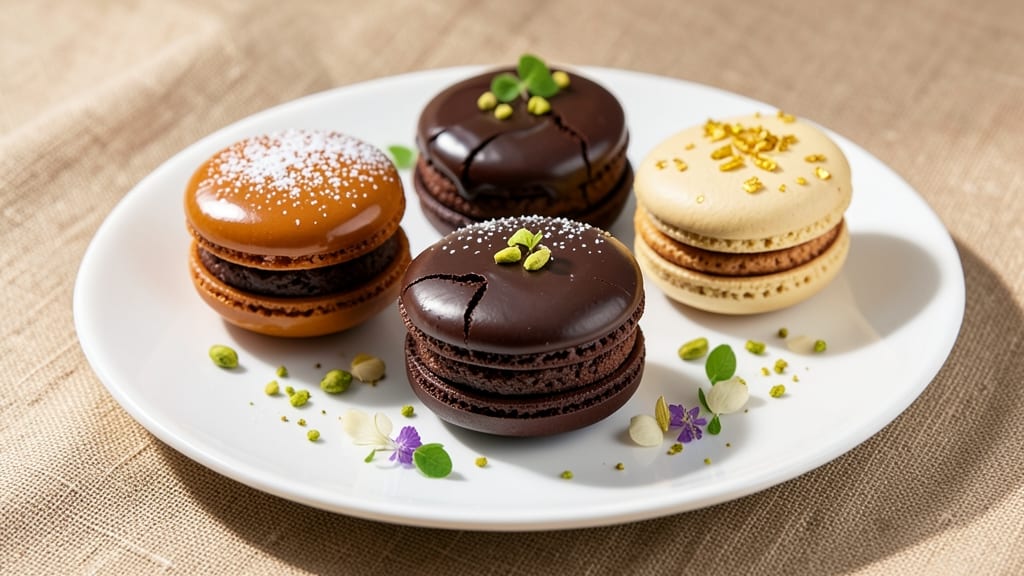
A perfect chocolate petit fours recipe starts with mastering delicate, bite-sized desserts that pack layers of rich chocolate and velvety ganache into every mouthful. These French classics transform simple ingredients into elegant treats that look as impressive as they taste—perfect for special occasions or gifting.
The key lies in precise baking, smooth ganache, and expert assembly to ensure each petit four holds its shape and delivers that signature melt-in-your-mouth texture.
This recipe starts with a light, moist sponge cake base that bakes in just 12-15 minutes at 350°F, yielding tender layers ready for assembly. The ganache center, made with high-quality dark chocolate and heavy cream, requires careful temperature control to achieve that signature glossy finish and firm yet creamy texture.
Once filled and chilled, the petit fours are dusted with cocoa powder for that signature French touch, elevating them from simple bites to luxurious confections.
What makes these petit fours truly special is the attention to detail in their assembly—every layer must be perfectly aligned, and the ganache must be piped smoothly to avoid air bubbles.
The result is a dessert that’s both visually stunning and irresistibly decadent, with a crisp exterior giving way to a smooth, chocolatey center. Whether you're preparing them for a celebration or simply indulging in a little luxury, these petit fours are guaranteed to impress.
Optional variations include adding edible gold leaf for a festive touch, swapping dark chocolate for white or milk chocolate ganache, or even incorporating a hint of espresso powder for depth.
Each petit four is designed to be bite-sized yet substantial, making them ideal for sharing or presenting as a centerpiece. Let’s create these elegant treats step by step.
Ingredients for chocolate petit fours
Mastering petit fours begins with precise ingredients transforming into elegant, bite-sized chocolate luxuries.
| Ingredient | Amount | Notes |
|---|---|---|
| All-Purpose Flour 🌾 | 2 cups | Sifted for light texture |
| Granulated Sugar 🍚 | 1 ½ cups | Superfine preferred for smoothness |
| Unsalted Butter 🧈 | 1 cup | Cold, cut into small cubes |
| Large Eggs 🥚 | 4 whole | Room temperature for even baking |
| Baking Powder 🧂 | 1 tsp | Aluminum-free for consistent rise |
| Salt 🧂 | ¼ tsp | Fine sea salt preferred |
| Vanilla Extract 🍯 | 1 tsp | Pure Madagascar bourbon preferred |
| Dark Chocolate Bars 🍫 | 12 oz | 70% cacao, Valrhona or Callebaut |
| Heavy Cream 🥛 | 1 cup | Whole milk, 35% fat minimum |
| Unsalted Butter 🧈 | ½ cup | Cold for ganache stability |
| Cocoa Powder 🍫 | ¼ cup | Dutch-processed, high-fat |
| Powdered Sugar 🍚 | 1 cup | For dusting and stability |
| Edible Gold Leaf 💛 | 1 sheet | Optional for festive presentation |
| Espresso Powder ☕ | ½ tsp | Optional for depth of flavor |
The chocolate selection is non-negotiable for authentic petit fours. Valrhona or Callebaut 70% cacao bars deliver the professional richness required, with their carefully tempered cocoa content ensuring smooth ganache without graininess. For the sponge, sifted all-purpose flour creates the delicate crumb essential for holding ganache without crumbling. Penzeys Spices or high-quality vanilla extract elevates the flavor profile beyond basic extracts. The butter must be cold when creaming to develop proper air pockets in the sponge—European-style unsalted butter from brands like Plugrá or Land O'Lakes European Style achieves this best. For the cocoa powder, Dutch-processed varieties like Valrhona Cocoa Powder provide the velvety finish needed for dusting.
Substitutions must maintain the delicate balance of these confections. If 70% cacao chocolate proves unavailable, 68% cacao minimum preserves the necessary bitterness profile, though texture may slightly vary. For the sponge, cake flour can replace all-purpose at a 1:1 ratio, but yields a finer crumb that may require additional structural support during assembly. Heavy cream substitutes like half-and-half with 1 tbsp extra butter work in a pinch, though ganache consistency will be slightly less stable. The espresso powder can be omitted entirely, but if using, instant espresso granules are preferable to powdered extracts. For dusting, if cocoa powder isn't available, powdered sugar mixed with 1 tbsp melted chocolate creates a passable alternative, though color will differ significantly.
Proper storage ensures these delicate treats maintain their presentation and texture. Assembled petit fours should be refrigerated on a wire rack in a single layer for up to 48 hours, allowing air circulation to prevent sogginess. For longer storage, freeze assembled petit fours on a tray before transferring to an airtight container for up to 3 months. Prior to serving, bring to room temperature for 15-20 minutes to restore optimal texture. The ganache center remains stable when properly tempered, but excessive temperature fluctuations can cause sweating. For gifting, individual petit fours wrapped in parchment paper with wax seals create an elegant presentation that maintains freshness for up to 5 days at room temperature.
Why You'll Love This Recipe
- No Mixer Needed: I swear by this recipe because it relies on a simple dough—just butter, sugar, and eggs—whipped by hand until fluffy. No stand mixer, no fuss, just elbow grease that pays off in those tender crumbles.
- Rich Yet Simple: That first bite? Pure chocolatey joy from melted butter and sugar caramelizing into the dough. The baking powder gives them a gentle lift, but honestly, it’s the eggs that make them irresistibly moist.
- Party in a Box: These are my go-to for birthdays, holidays, or just because. Bake a batch, dust with powdered sugar, and boom—elegant treats that look fancy but take zero effort. (My guests always ask for the recipe.)
- Budget-Friendly Luxury: You’re basically making gourmet bites for pennies—flour, sugar, butter, and eggs are pantry staples. Double the batch, freeze half, and pull them out whenever you need a sweet surprise without breaking the bank.
Step-by-step instructions for chocolate petit fours
Mastering these delicate confections requires precision in technique and timing.
Prepare the Petit Four Shells
Preheat your oven to 350°F and line two baking sheets with parchment paper. In a stand mixer fitted with the paddle attachment, cream together 1 cup unsalted butter and 1.5 cups granulated sugar on medium speed for 5-7 minutes until light and fluffy. This step is crucial—the butter should be completely incorporated with no graininess remaining.
Add 4 whole large eggs, one at a time, mixing well after each addition. Incorporate 1 teaspoon vanilla extract and 0.25 teaspoon salt, then sift in 2 cups all-purpose flour and 1 teaspoon baking powder. Mix on low speed just until combined—overmixing develops gluten, which makes the shells tough. The batter should be smooth and slightly thick.
Divide the batter evenly between the prepared baking sheets, spreading it into 1-inch rounds using a piping bag fitted with a plain tip or a round cookie cutter. Bake for 12-15 minutes until the edges are just set and the centers spring back when touched. Allow the shells to cool completely on the baking sheets before transferring to a wire rack.
Create the Decadent Ganache Filling
For the ganache, finely chop 12 ounces dark chocolate bars and place them in a heatproof bowl. In a separate saucepan, heat 1 cup heavy cream and 0.5 cup unsalted butter over medium heat until the butter melts and the cream begins to simmer. Pour the hot cream mixture over the chopped chocolate and let it sit for 2 minutes to soften.
Stir gently until the chocolate is completely melted and the ganache is smooth. For added depth, whisk in 0.25 cup cocoa powder and 0.5 teaspoon espresso powder. Allow the ganache to cool to room temperature, stirring occasionally to prevent a skin from forming. The mixture should thicken slightly but remain pourable—this is the ideal consistency for filling.
Assemble and Decorate the Petit Fours
Once the ganache has thickened to a spreadable consistency, use a piping bag fitted with a small round tip to fill each cooled petit four shell completely. The ganache should come within 1/8 inch of the top edge—this ensures a clean finish and prevents overflow. Place the filled shells back on the baking sheets and refrigerate for 30 minutes to set.
After chilling, dust the tops of the petit fours generously with 1 cup powdered sugar using a fine-mesh sieve. For an elegant touch, carefully apply 1 sheet edible gold leaf to each petit four, pressing gently to adhere. The gold leaf adds a luxurious finish while maintaining the delicate structure of the shells. Store in an airtight container in the refrigerator for up to 5 days or at room temperature for 2 days.
Pro Tips For Making Chocolate Petit Fours
- Cream Butter and Sugar: DESCRIPTION: Whip the butter and sugar together until it’s pale and fluffy—like you’re trying to make it disappear. I learned this the hard way: skipping this step means dense, cakey petit fours instead of light, airy ones. Use a stand mixer for 3-4 minutes, and don’t rush it.
- Sift the Dry Ingredients: DESCRIPTION: Sift the flour, sugar, and baking powder together before mixing—this prevents lumps and ensures even baking. I used to eyeball it, and half the time, my petit fours would sink in the middle. A fine-mesh sieve takes 30 seconds and saves you from disappointment.
- Don’t Overmix the Batter: DESCRIPTION: Fold in the eggs gently, just until combined—overmixing adds gluten and makes the petits fours tough. Stop when there’s no more flour streaks, and resist the urge to stir like you’re making pancakes. A spatula works better than a whisk here.
- Bake at 325°F, Not Hotter: DESCRIPTION: Petit fours need slow, even baking to stay tender inside. My first batch came out cracked because I cranked the oven to 350°F—now I stick to 325°F and check them at 25 minutes. A toothpick should come out clean, but not dry.
Troubleshooting great chocolate petit fours
Ganache Too Thin
If your ganache turns out too runny, it’s usually due to overheating the cream or using chocolate with a lower cacao percentage. I’ve found that 70% cacao chocolate from brands like Valrhona or Callebaut holds its structure better.
To fix it, chill the ganache for 10-15 minutes in the refrigerator, then whisk in 1-2 tablespoons of powdered sugar to thicken. For extra stability, add 1 tablespoon of cold unsalted butter and whisk until smooth. 💫
Shells Cracking During Baking
Overmixing the batter or baking at too high a temperature can cause the delicate shells to crack. I recommend creaming the butter and sugar on medium speed for exactly 5-7 minutes—no longer—to avoid developing gluten.
Also, ensure your oven is fully preheated to 350°F and use parchment paper to prevent uneven heat distribution. If cracks appear, reduce baking time by 1-2 minutes next time. 🔥
Ganache Not Setting Properly
If your ganache doesn’t firm up after chilling, it likely wasn’t cooled enough before filling. The ideal temperature for piping is between 70-75°F. To test, dip a spoon in the ganache—it should hold its shape but still be smooth.
If it’s too soft, refrigerate it for an additional 10 minutes and stir occasionally. For extra stability, add ½ teaspoon of vanilla bean paste to the ganache before cooling—it helps bind the mixture. ⚡
Petit Fours Falling Apart
Weak shells or improper chilling can cause your petit fours to crumble. First, ensure your shells are completely cooled before filling—warm shells absorb moisture from the ganache, making them fragile. After filling, refrigerate them for at least 30 minutes to let the ganache set.
For added strength, brush the tops of the cooled shells with a thin layer of egg wash before dusting with powdered sugar. This creates a protective seal. 💪
Gold Leaf Not Adhering
Edible gold leaf can be finicky, but a few tricks help it stick. First, ensure the surface of your petit four is completely dry—any moisture will prevent adhesion. I recommend using a tweezers or soft brush to gently press the gold leaf onto the powdered sugar.
For extra grip, lightly dust the leaf with talcum powder before applying. Work in a cool, dry environment to avoid humidity interfering. ✨
Ganache Developing Graininess
Grainy ganache usually means the chocolate wasn’t melted evenly or the mixture was stirred too vigorously. To prevent this, chop the chocolate into small, even pieces before melting, and use a double boiler for gentle, even heating.
If graininess appears, strain the ganache through a fine-mesh sieve before cooling. For a smoother texture, add 1 teaspoon of vegetable oil to the melted chocolate mixture—it helps emulsify the ganache. 💡
Nutrition facts
Frequently asked questions
Can I make these petit fours without a piping bag?
Use a ziplock bag with a small corner snipped off as a substitute. For the shells, spread the batter directly onto your baking sheets with a spoon, then use a 1-inch round cutter to shape them before baking. For the ganache, transfer it to a small bowl and use a spoon to pipe it into the shells—just be patient and work in small batches.
How do I store petit fours for gifting?
Wrap each petit four individually in parchment paper, then place them in an airtight container separated by layers of wax paper. For short-term gifting (3 days), store at room temperature. For longer storage, refrigerate for up to 5 days. Add a humidity absorber packet to prevent sogginess. For a luxurious touch, tie each with a ribbon before gifting.
What’s the best chocolate for petit fours?
Use 70% cacao dark chocolate from brands like Valrhona or Callebaut for the ganache—it balances richness with smoothness. For the shells, avoid chocolate with nuts or inclusions, as they can interfere with the delicate texture. If substituting, ensure the chocolate has at least 68% cacao to maintain structure.
Can I make petit fours ahead of time?
Yes! Prepare the shells 1 day ahead and store them in an airtight container at room temperature. Make the ganache fresh the day of assembly, as it thickens best when made just before filling. Assembled petit fours keep well in the fridge for 4-5 days or frozen for 3 months. Let them come to room temperature before serving for optimal texture.
Why does my ganache turn grainy?
Graininess usually means the chocolate wasn’t melted evenly or the mixture was stirred too vigorously. Chop chocolate into small, even pieces and melt it gently over a double boiler. If graininess appears, strain the ganache through a fine-mesh sieve before cooling. For extra smoothness, add 1 teaspoon of vegetable oil to the melted chocolate mixture.