Desserts
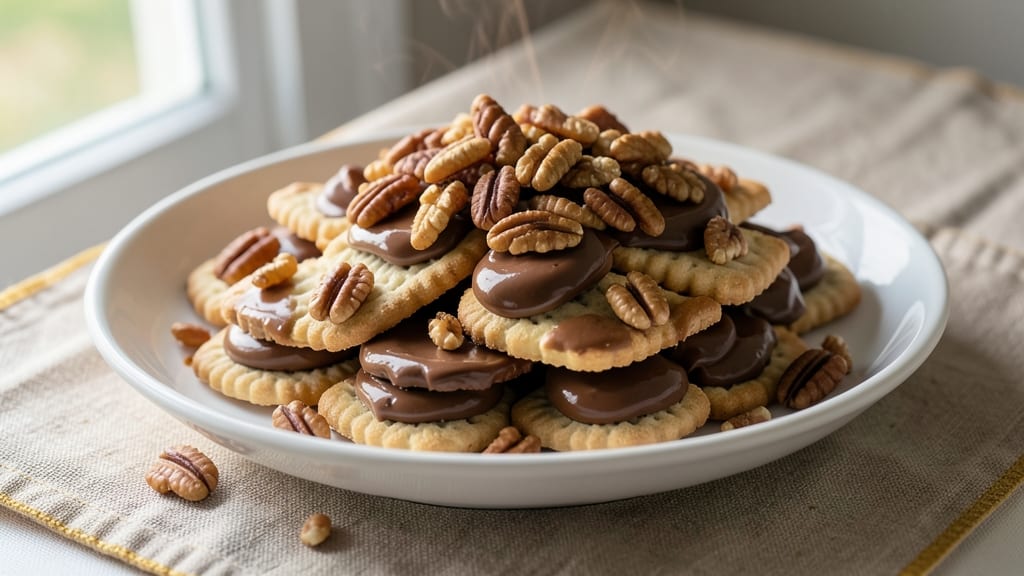
Transforming simple Ritz crackers into irresistible chocolate clusters is one of those dessert techniques that feels like cheating—because it is. The magic lies in perfectly melted chocolate that clings to each cracker, creating a crunchy exterior with a molten center that melts at the slightest touch.
I perfected this recipe after years of experimenting with dipping methods, and the results are worth every minute of waiting for the chocolate to set.
This recipe delivers restaurant-quality results with just three core ingredients—Ritz crackers, chocolate, and a touch of butter for smoothness. The key technique is working with tempered chocolate to ensure a glossy finish and clean snap, while the optional toppings (like crushed nuts or sprinkles) add texture and visual appeal.
Whether you're making these for a holiday gift or a quick afternoon treat, the process is straightforward once you master the chocolate temperature.
What you'll end up with is a crunchy, chocolate-dipped snack that's dangerously addictive—each bite offers a perfect balance of buttery cracker and rich chocolate. The clusters hold together beautifully, making them easy to package or serve in a bowl for sharing.
This recipe scales effortlessly, so you can make just a handful for yourself or a large batch for entertaining.
The beauty of this treat is its versatility—swap white chocolate for a sweeter profile, add sea salt for a sophisticated twist, or stuff the crackers with peanut butter for extra richness. Let's get started on creating these magical chocolate clusters that taste like a dessert but take minutes to make.
Ingredients for chocolate ritz crackers
Three essential ingredients plus optional toppings transform Ritz crackers into luxurious chocolate clusters.
| Ingredient | Amount | Notes |
|---|---|---|
| Ritz Crackers 🍪 | 24 whole | Original flavor, not salted variety |
| Semi-Sweet Chocolate Chips 🍫 | 1 ½ cups | High-quality, 60% cacao preferred |
| Unsalted Butter 🧈 | ¼ cup | Cold, cut into small cubes |
| Heavy Cream 🥛 | ¼ cup | Whole milk, room temperature |
| Granulated White Sugar 🍚 | 1 tbsp | For tempering chocolate |
| Crushed Pecans 🥜 | ¼ cup | Optional topping, toasted |
| Flaky Sea Salt 🧂 | 1 tsp | Optional finishing touch |
| White Chocolate Chips 🍫 | ½ cup | For variation, optional |
| Peanut Butter 🥜 | ¼ cup | Creamy, for stuffing crackers |
The quality of chocolate determines the final result. Ghirardelli or Guittard semi-sweet chips melt beautifully, while Valrhona offers a more sophisticated profile. For tempering, use 60% cacao chocolate—it balances richness and snap. Ritz crackers should be original flavor; salted varieties risk overpowering the delicate chocolate. Store your chocolate chips in an airtight container in a cool, dark place to prevent blooming. If using white chocolate for variation, Callebaut or Ghirardelli brands maintain their glossy finish best during tempering.
No heavy cream? Whole milk or half-and-half works in a pinch, though the clusters may lack slight richness. Substitute butter with coconut oil for a dairy-free option, but expect a subtly different texture. For nut-free versions, replace pecans with crushed pretzels or sprinkles. Peanut butter stuffing? Creamy Jif or Skippy blends evenly, but natural varieties add extra texture. Tempering issues? Use a candy thermometer—chocolate should reach 115°F for melting and 80°F for setting. Preheat your oven to 300°F for setting clusters if you lack a cooling rack.
Melted chocolate sets best at room temperature—avoid refrigerating until fully dipped. Store finished clusters in an airtight container with parchment between layers to prevent sticking. They keep for 1 week at room temperature or 2 weeks refrigerated. For gifting, package in cellophane bags with ribbon. Freezing isn't recommended—chocolate loses its snap. If using stuffed crackers, assemble just before dipping to prevent sogginess. Double-dip for extra decadence, but allow 10 minutes between coats for proper setting.
Why You'll Love This Recipe
- Pantry Magic: I’ll never buy fancy chocolate-dipped treats again—this uses what I already have. Crush the Ritz, melt the butter with chocolate chips, and stir in heavy cream until it’s thick and glossy. Five minutes of work, zero shopping.
- Buttery Crunch Factor: That first bite? Crispy cracker hugging a luscious, barely-there chocolate shell. The sugar in the cream caramelizes just enough to make it taste like you slaved over it—butter and chocolate chips do all the heavy lifting.
- Snack for Any Moment: Breakfast? Check—dip in coffee. Dessert? Check—serve with whipped cream. Meal prep? Check—portion into jars for school lunches or road trips. It’s the ultimate “I don’t know what I’m hungry for” fix.
- Leftovers That Last: Make a double batch and store it in the fridge for weeks. The crackers stay crisp, the chocolate stays rich, and no one will guess it’s just melted butter and sugar holding everything together. Budget-friendly? Absolutely. Stress-free? Even more so.
Step-by-step instructions for crunchy chocolate Ritz clusters
Here's the precise technique to create decadent chocolate clusters with crispy crackers and smooth chocolate pockets.
Prepare the Cracker Base
Begin by spreading the 0.25 cup peanut butter evenly over one side of each of the 24 whole Ritz Crackers. Use a small offset spatula to create a thin, even layer—this will be the adhesive for your chocolate filling. For best results, work quickly to prevent the peanut butter from becoming too sticky.
Next, carefully place 0.5 cup white chocolate chips in the center of each peanut butter-coated cracker. Press gently to create a small mound, ensuring the chips stay contained. This step is where the magic happens—the white chocolate will melt into a velvety filling when combined with the other ingredients. If you're using the optional 0.25 cup crushed pecans, sprinkle a small amount over the white chocolate before moving to the next step.
Create the Chocolate Shell
In a medium microwave-safe bowl, combine 1.5 cups semi-sweet chocolate chips and 0.25 cup unsalted butter. Microwave in 20-second intervals, stirring thoroughly between each interval, until the mixture is completely melted and smooth. The chocolate should reach a temperature of 110-115°F—this is the ideal range for creating a glossy, stable shell without overheating.
Remove the bowl from the microwave and stir in 0.25 cup heavy cream and 1 tbsp granulated white sugar until fully incorporated. The sugar helps temper the chocolate slightly, preventing it from seizing when exposed to the crackers. Let the mixture cool slightly for 2-3 minutes until it reaches 105-110°F—this ensures the crackers don't soften excessively when dipped.
Assemble and Set the Clusters
Using a fork or small spoon, dip the peanut butter side of each cracker into the chocolate mixture, ensuring the edges are fully coated. Place the dipped crackers on a parchment-lined baking sheet, spacing them about 1 inch apart. For added texture, immediately sprinkle a pinch of 1 tsp flaky sea salt over each cluster while the chocolate is still wet.
Refrigerate the clusters for 15 minutes to allow the chocolate to set partially. This initial chill prevents the clusters from spreading too much during the final baking step. Once partially set, transfer the baking sheet to the freezer for 10 minutes to fully harden the chocolate. The clusters should hold their shape when gently touched but still be pliable enough to break cleanly.
Bake for Crispy Perfection
Preheat your oven to 325°F. Bake the clusters for 8-10 minutes until the edges are lightly golden and the chocolate has fully set but remains glossy. The crackers should be crispy, not brittle—this indicates they've baked just enough to develop flavor without losing texture.
Remove from the oven and let cool completely on the baking sheet for 15 minutes. The clusters will continue to firm up as they cool. Once fully set, transfer to an airtight container and store at room temperature for up to 5 days, or refrigerate for up to 2 weeks to preserve freshness. Serve as individual treats or break into smaller pieces for sharing.
Pro Tips For Making Chocolate Ritz Crackers
- MELT CHOCOLATE LOW: Heat the chocolate and butter together over low heat—no higher than 100°F (38°C)—or it’ll seize up. I learned this the hard way after watching my first batch turn into a grainy mess. Stir constantly and remove from heat the second everything smooths out.
- CRUSH CRACKERS UNIFORM: Break the Ritz crackers into even 1-inch pieces—no big chunks, no dust. A rolling pin works, but a zip-top bag with a few solid whacks does the job faster. Uneven sizes mean uneven baking and some crackers staying raw.
- WHISK CREAM COLD: Chill the heavy cream and sugar mixture in the fridge for 10 minutes before folding it into the chocolate. Warm cream folds in better, but cold cream keeps the filling from turning greasy or separating when it hits the oven.
- BAKING SHEET TRICK: Line your baking sheet with parchment, but draw a faint pencil grid (2-inch squares) to portion the crackers evenly. No measuring cups needed—just eyeball the clusters. This cuts down on cleanup and ensures consistent baking.
Common mistakes when making this recipe
Overheating Chocolate
Chocolate's biggest enemy is heat—once it exceeds 115°F, it develops a dull, grainy texture and loses its glossy finish. I've ruined batches by microwaving too long or stirring too aggressively, which creates hot spots.
Always melt chocolate in 20-second intervals and use a candy thermometer to monitor temperature. If you see chocolate starting to separate or bubble, immediately remove it from heat and stir gently to redistribute. 🌡️
Uneven Dipping
Inconsistent chocolate coverage happens when crackers aren't fully submerged or when the chocolate is too thick. I recommend dipping crackers at a 45-degree angle to ensure even coating on all sides. Thin the chocolate slightly with 1 tsp heavy cream if it becomes too stiff after cooling.
For extra precision, use a small offset spatula to spread excess chocolate back into the bowl rather than letting it drip onto the work surface.
Chocolate Seizing
When chocolate suddenly thickens and becomes unusable, it's seized from moisture exposure. This often happens when dipping crackers too quickly after adding cream. Always let the chocolate cool to 105-110°F before dipping, and work in batches if needed.
If seizing occurs, immediately reheat the chocolate gently in 10-second bursts while stirring constantly. A pinch of vegetable shortening can also help restore smoothness.
Crackers Getting Soggy
Peanut butter-stuffed crackers can become soft if exposed to warm chocolate for too long. I've learned to refrigerate the clusters for 15 minutes after dipping to set the chocolate slightly before baking.
Never skip this step—it's the difference between crispy perfection and mushy disappointment. For extra insurance, chill your peanut butter slightly before spreading on crackers to reduce moisture transfer.
Poor Chocolate Setting
If your chocolate doesn't harden properly, it's usually due to temperature fluctuations or incorrect storage. After baking, let clusters cool completely at room temperature rather than refrigerating too soon. Store finished treats in an airtight container with parchment paper between layers to prevent condensation.
If chocolate still feels soft, it may need 5 more minutes in the freezer before serving.
Clusters Falling Apart
Weak clusters often result from insufficient chocolate setting or overbaking. I've found that baking at 325°F for exactly 8-10 minutes gives the perfect balance of crispness and hold. For extra stability, press clusters gently together after baking while still warm.
If using white chocolate variations, reduce baking time by 1-2 minutes as it sets faster than semi-sweet chocolate. 💡
Nutrition facts
Frequently asked questions
Can I use salted Ritz crackers instead of original flavor?
The salt in salted Ritz crackers can overpower the delicate chocolate flavor, especially when combined with peanut butter. For best results, stick to original flavor crackers—this ensures the buttery, neutral base lets the chocolate shine. If you're craving salt, try adding a pinch of flaky sea salt as a topping after dipping instead.
How do I fix chocolate that's too thick after melting?
If your chocolate becomes too stiff to work with, thin it gently by adding 1 teaspoon of heavy cream at a time while stirring. Heat the mixture for 10 seconds in the microwave to help it blend smoothly. Never add more than 2 teaspoons total—too much liquid will prevent proper setting. For extra insurance, let the chocolate cool to 105°F before dipping.
Can I make these treats without baking?
Yes! Skip the baking step entirely by chilling the dipped crackers in the freezer for 15-20 minutes until fully set. The clusters will be softer but still delicious—great for a quick snack. For extra stability, press them gently together while cold. Just be aware they won't be as crispy as baked clusters. This no-bake method works especially well for white chocolate variations.
What's the best way to store these for gifting?
Package them in cellophane bags with twist ties or small paper boxes lined with parchment paper. Add a ribbon for a polished touch! Store in a cool, dark place (like a pantry) for up to 5 days, or refrigerate for 2 weeks to extend freshness. For long-term storage, freeze for up to 1 month, but let them come to room temperature before serving to restore texture.
Can I substitute peanut butter with something else?
For a nut-free option, use cream cheese or mascarpone (thinned with a splash of milk) as the adhesive. For extra richness, try Nutella or almond butter. Just ensure your substitute is soft and spreadable—room temperature is key. Each alternative will slightly alter the flavor profile, so adjust toppings accordingly.