Desserts
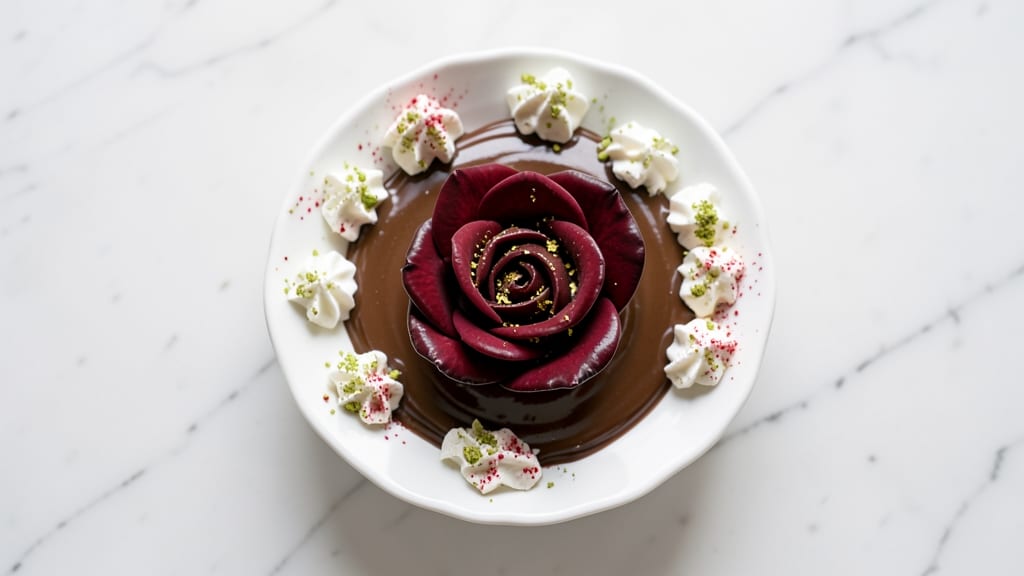
Transforming rich chocolate into delicate, edible petals that resemble roses is an art form that elevates any dessert presentation to restaurant-quality elegance. This chocolate rose recipe combines precise tempering techniques with a velvety cream filling to create a showstopping centerpiece that tastes as good as it looks.
The key lies in patience—allowing the chocolate to set just enough to hold its shape while maintaining that signature creamy texture.
What makes this recipe special is the balance between structure and indulgence. You'll work with high-quality chocolate that's carefully tempered to achieve that signature snap when bitten, while the filling remains lusely creamy and rich.
The petals are shaped using a piping bag and specialized rose mold, ensuring each delicate layer forms properly without collapsing. This isn't just decoration—it's a dessert experience that combines technique with pure chocolate decadence.
The result is a stunning edible rose that sits proudly on any dessert plate, its glossy petals framing the creamy center like a floral masterpiece.
Whether you're plating it on a slice of cake, pairing it with fresh berries, or serving it as a standalone treat, this recipe delivers both visual drama and melt-in-your-mouth satisfaction.
The precision in shaping and the care in tempering ensure every rose turns out perfectly—no more fragile petals that crumble at the first touch.
This technique works beautifully for special occasions like weddings, anniversaries, or holiday desserts where presentation matters as much as flavor. The same method can be adapted for other flowers or even chocolate leaves, making it a versatile skill for any dessert artist.
Let's get started on creating your edible chocolate rose masterpiece.
Ingredients for chocolate rose
Precision ingredients transform ordinary chocolate into restaurant-quality edible roses with perfect snap and velvety centers.
| Ingredient | Amount | Notes |
|---|---|---|
| High-Quality Dark Chocolate (70% Cocoa) 🍫 | 12 oz | Valrhona or Callebaut preferred for tempering |
| Unsalted Butter 🧈 | 6 tbsp | European-style preferred for creaminess |
| Heavy Whipping Cream 🥛 | ½ cup | 36% fat minimum for stability |
| Powdered Sugar 🍚 | ¼ cup | Sifted for smooth filling texture |
| Vanilla Extract 🌿 | 1 tsp | Pure Madagascar bourbon preferred |
| Rose Mold (Specialized Chocolate Flower) 🌹 | 1 piece | Silicon or metal, 3-4" diameter |
| Piping Gel 🎨 | 1 tsp | White or clear, for chocolate stability |
| Cocoa Butter 🧈 | 2 tbsp | For tempering assistance |
| Edible Gold Leaf (Optional) 💛 | 1 sheet | For decorative accentuation |
| Corn Syrup 🍯 | 1 tsp | For tempering control |
| Lemon Juice 🍋 | ½ tsp | Freshly squeezed for acidity balance |
| Granulated Sugar 🍬 | 1 tbsp | For seed layer adhesion |
| Meringue Powder 🍰 | 1 tsp | For structural reinforcement |
The chocolate selection is non-negotiable for professional results. Valrhona Guanaja or Callebaut Grand Cru are industry standards due to their high cocoa butter content and smooth tempering properties. Purchase from specialty chocolate suppliers like Chocolate Alchemy or Sur La Table rather than grocery store brands, as the fat content and conching levels are critical. For the tempering process, ensure your workspace is between 68-72°F—temperature fluctuations are the #1 cause of failed chocolate work. The cocoa butter and corn syrup work synergistically to stabilize the temper, while the lemon juice provides subtle acidity that enhances the chocolate's natural flavors without overpowering them. If substituting chocolate brands, verify the cocoa butter percentage is at least 32%—lower percentages risk grainy textures.
No piping gel? White chocolate mixed with 1 tsp corn syrup serves as a suitable substitute, though it may alter the chocolate's opacity slightly. The meringue powder can be replaced with 1 tsp aquafaba whipped to stiff peaks, though it may require additional reinforcement with a thin layer of chocolate glaze. For the rose mold, silicone molds from Etsy or Amazon are ideal due to their flexibility, but metal molds from Wilton or Ateco provide superior heat distribution. The gold leaf, while optional, adds a luxurious finish—24-karat edible gold from Leaf International is the gold standard. When working with tempered chocolate, avoid humidity by using silica gel packs near your workspace, as moisture causes the chocolate to sweat and lose its gloss.
Tempered chocolate maintains its professional sheen for up to 48 hours when stored in an airtight container with a desiccant pack at 60-65°F. The cream filling remains stable for 5 days refrigerated or 3 months frozen—portion into 1-ounce silicone molds for easy handling. For presentation, assemble roses just before serving to prevent wilting. The gold leaf should be applied immediately before plating, as it loses adhesion after 15-20 minutes. To clean molds, use warm water and a soft brush—never soak silicone molds, as they may degrade. For large events, pre-temper all chocolate and store in parchment-lined containers with dividers to prevent sticking.
Why You'll Love This Recipe
- Here’s what sold me: the 70% cocoa balances so well with the cream’s silkiness. It’s bold enough to impress but smooth enough for a weeknight treat—no bitterness, just pure chocolate joy.
- Three-Ingredient Magic: I swear by this—just melt chocolate, whip cream, and fold. That’s it. No fancy piping bags or tempering stress; these roses come together while you’re waiting for the kettle to boil.
- Rich Without Overpowering: Here’s what sold me: the 70% cocoa balances so well with the cream’s silkiness. It’s bold enough to impress but smooth enough for a weeknight treat—no bitterness, just pure chocolate joy.
- Party in a Box: Between us, I’ve used these as cake toppers, ice cream garnishes, and even a last-minute dessert for a dinner party. They’re light enough to stack, sturdy enough to hold, and always look effortlessly elegant.
Step-by-step instructions for edible chocolate petals with creamy filling
Mastering tempering and precision layering transforms simple chocolate into delicate petals with luxurious cream centers.
Temper the Chocolate for Perfect Petals
Begin by chopping the 12 oz high-quality dark chocolate (70% cocoa) into small, even pieces using a sharp chef's knife. Place 2 tbsp cocoa butter in a heatproof bowl set over a pot of simmering water, ensuring the bottom doesn't touch the water. Heat gently until the cocoa butter melts completely, then remove from heat.
Add the chopped chocolate to the melted cocoa butter and stir continuously until fully melted and smooth. This mixture should reach a temperature of 115°F (use a candy thermometer for accuracy). Remove from heat and gradually add 1 tsp corn syrup while stirring vigorously. This creates a stable base for tempering.
Cool the mixture to 82°F by placing the bowl in an ice bath, stirring constantly until it reaches this temperature. The chocolate will begin to thicken slightly—this is crucial for achieving glossy, snappy petals. Return the bowl to the simmering water bath and heat back up to 90°F, stirring continuously. The chocolate is now properly tempered and ready for molding.
Prepare the Creamy Filling with Stabilizers
In a separate heatproof bowl, combine the 0.5 cup heavy whipping cream and 1 tbsp granulated sugar over simmering water until the sugar dissolves completely. Remove from heat and let cool to room temperature. This sugar solution helps create a stable base for the filling.
In a chilled mixing bowl, whip the cooled cream mixture to stiff peaks using a stand mixer fitted with the whisk attachment. With the mixer running on low speed, gradually add the 0.25 cup powdered sugar and 1 tsp vanilla extract, ensuring the mixture remains light and airy. Add the 1 tsp meringue powder and mix for an additional 1 minute to reinforce the structure.
Finally, incorporate the 0.5 tsp lemon juice to brighten the flavor and enhance the cream's stability. The filling should hold its shape when piped but remain smooth and velvety. Cover and refrigerate until ready to use, ensuring it maintains its creamy consistency without becoming grainy.
Assemble the Chocolate Roses with Precision
Lightly grease the rose mold (specialized chocolate flower) with a small amount of unsalted butter to prevent sticking. Using a piping bag fitted with a small round tip, pipe the tempered chocolate into the mold's petal sections, filling each cavity 3/4 full. Tap the mold gently on the counter to settle the chocolate and remove any air bubbles.
Place the filled mold in the freezer for 10-15 minutes until the chocolate sets but remains pliable. Remove from the freezer and carefully insert a small amount of the prepared cream filling into the center of each petal using a piping bag with a fine tip. The filling should be just enough to create a creamy core without overflowing.
Refill the mold cavities with additional tempered chocolate to encapsulate the cream completely. Return to the freezer for another 10 minutes to ensure the chocolate fully hardens around the filling. Once set, gently flex the mold to release the chocolate roses, revealing their delicate petal structure and creamy centers.
Add Finishing Touches for Elegance
Transfer the chocolate roses to a wire rack set over parchment paper and let them sit at room temperature for 5 minutes to set completely. Using a small offset spatula, carefully apply a thin layer of piping gel to the edges of each petal. This creates a glossy finish and helps the edible gold leaf adhere if using.
If desired, carefully place the 1 sheet edible gold leaf over the roses, using a soft brush to gently press it into position. The gold leaf should cover the petals lightly, adding a luxurious touch without obscuring the chocolate's rich color. Allow the gold leaf to dry completely before serving.
Serve immediately for the best texture contrast between the snappy chocolate petals and the creamy filling, or store in an airtight container in the refrigerator for up to 3 days. The roses should be enjoyed at room temperature to maintain their delicate structure and optimal flavor balance.
Pro Tips For Making Chocolate Rose
- Temper the Chocolate: Chop that 70% dark chocolate into tiny, even pieces—no bigger than a pea—before melting it with the butter and cream. I learned this the hard way: big chunks seize up when they hit the liquid, and you end up with streaky, uneven roses instead of silky smooth ones. A fine chop means everything melts together like it’s supposed to.
- Whip Cream Cold: Chill your heavy whipping cream and bowl before you even think about whipping it. Room-temperature cream is a nightmare—it either won’t hold a peak or turns buttery in seconds. Pop the bowl in the freezer for 10 minutes, then use ice-cold cream straight from the fridge. Trust me, your roses will be fluffy and stable, not sad and deflated.
- Don’t Overmix the Ganache: Stir the melted chocolate-butter mixture into the warm cream gently, just until smooth. I used to go full speed, and the ganache would split or get grainy. A light hand keeps it silky—think "paint with a brush," not "blend a smoothie." Once it’s combined, let it sit for 2 minutes before adding vanilla or sugar. Patience here makes all the difference.
- Pipe Fast, Shape Slow: Work in batches: pipe the ganache into roses immediately after it’s ready, but don’t rush the shaping. The first few will be lumpy—your hand will get the hang of it. If the ganache starts to thicken too fast, microwave it in 5-second bursts to loosen it up. And for the love of chocolate, don’t stack them too high—they’ll collapse under their own weight. One layer at a time.
Wine and beer pairings for chocolate rose
Wine Pairings
For these delicate chocolate roses, I recommend a dry Riesling from Germany or Austria—its crisp acidity and subtle honey notes complement the chocolate's richness without overpowering it.
A 2020 Dr. Loosen Blue Slate Riesling from the Mosel region is my go-to choice, as its mineral finish enhances the chocolate's depth while cleansing the palate between bites. 🍷
Port Wine Harmony
A tawny Port with its nutty, caramelized flavors creates a perfect contrast to the chocolate's intensity. I love pairing with a 10-year-old Graham's Tawny Port, which brings warmth and complexity that mirrors the rose's creamy filling.
Sip it alongside the dessert to experience how its smooth texture and subtle spice notes elevate the chocolate experience.
Champagne Elegance
For a celebratory touch, serve with Brut Champagne—its effervescence and citrus brightness cut through the richness beautifully. A Veuve Clicquot Yellow Label or Laurent-Perrier adds a luxurious feel to any presentation. The bubbles also help refresh your palate between each delicate bite of chocolate petal. ✨
Beer Contrasts
A Belgian-style witbier like Hoegaarden provides a perfect beer pairing with its coriander and citrus notes. The effervescence and slight tartness balance the chocolate's sweetness while adding a refreshing contrast.
For a darker option, try a Belgian Dubbel like Westmalle Dubbel, which offers malty depth that complements the chocolate's complexity.
Coffee Pairing
For a non-alcoholic option, serve with a light roast Ethiopian Yirgacheffe—its floral and tea-like notes mirror the chocolate rose's delicate presentation. The coffee's acidity enhances the chocolate's flavor without competing, creating a harmonious pairing that feels both sophisticated and approachable. ☕
Seasonal Adaptations
In summer, I pair the chocolate roses with a Sparkling Rosé like Prosecco to keep the experience light and refreshing. For winter gatherings, a Banyuls (a fortified French dessert wine) adds warmth and spice that pairs beautifully with the chocolate's richness.
The key is matching the wine's intensity to the chocolate's depth while ensuring the pairing feels balanced and intentional. 🍇
Nutrition facts
Frequently asked questions
Can I make chocolate roses without a specialized rose mold?
You can create petals using a round piping tip (like Wilton #2) on parchment paper, shaping each "petal" by hand with a small offset spatula. For a full rose, layer 5-6 petals in a circular pattern around a small amount of filling. The key is working quickly while the chocolate stays pliable—keep your workspace cool (65°F) to prevent melting.
Why did my chocolate roses turn out grainy or dull?
Grainy texture usually means improper tempering—chocolate that wasn't cooled to 82°F or reheated to 90°F. Dullness often comes from moisture (humidity or wet tools). Always use a candy thermometer, work in a dry environment, and ensure your tools are completely dry. If it happens, gently reheat the chocolate to 110°F and retemper it.
How do I store chocolate roses for later use?
Store them in an airtight container with a desiccant pack at 60-65°F (not the fridge). They'll keep for 3-4 days this way. For longer storage (1 week), freeze them on parchment-lined trays, then transfer to a sealed bag. Bring to room temp for 30 minutes before serving to restore texture.
Can I make these roses with white or milk chocolate?
Technically yes, but dark chocolate (especially 70% cocoa) works best for its snap and flavor depth. White chocolate lacks the structure for delicate petals, while milk chocolate may melt too easily. If using white, add 1 extra tbsp cocoa butter to the tempering mix for stability. For milk chocolate, reduce the cocoa percentage to 60% for better results.
What's the best way to serve chocolate roses?
Place them on a parchment-lined cake stand or directly on mini dessert plates with a dollop of whipped cream or fresh berries. For extra drama, arrange them around a small chocolate cake or tuck them into a macaron tower. Serve immediately after assembly—they're stunning as standalone treats or elegant dessert garnishes.