Desserts
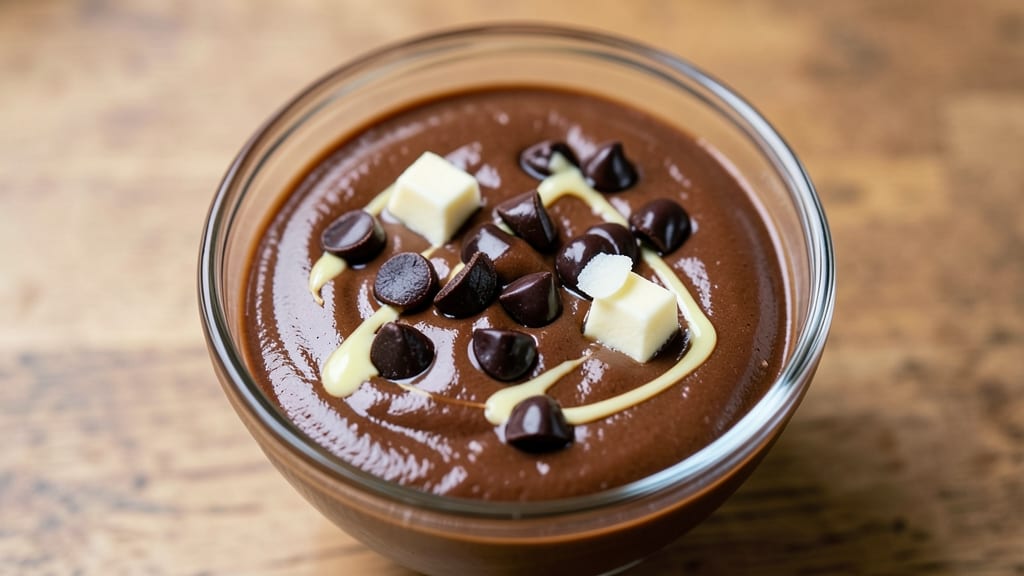
This chocolate sabayon recipe delivers restaurant-quality silkiness with just three core ingredients—eggs, sugar, and chocolate—while avoiding the risk of scrambled yolks. The secret lies in precise heat control and constant whisking, transforming rich egg yolks into a velvety, custard-like texture that melts on the tongue.
I perfected this technique after years of experimenting with classic sabayons, and the chocolate version became my go-to dessert for its effortless elegance and luxurious finish.
The beauty of sabayon lies in its simplicity: no baking required, no special equipment beyond a heatproof bowl and a whisk. You'll work over a double boiler to gently warm the yolks and sugar until they thicken into a pale, glossy ribbon—then fold in melted chocolate for depth.
The result is a dessert that's both impressive and foolproof, perfect for special occasions or spontaneous cravings when you want something decadent without the fuss.
What you'll achieve is a dessert with a silky, custard-like consistency that's neither too sweet nor too rich—just balanced, with a subtle caramel note from the sugar and a deep cocoa presence. The texture is luxurious yet light, almost like a cross between crème brûlée and mousse.
Serve it chilled in individual glasses with a sprinkle of cocoa or a dollop of whipped cream for a dessert that feels indulgent yet effortless.
This recipe also works beautifully with variations like orange zest or espresso powder for added complexity. The method scales easily, so you can make it for one or a crowd—just adjust the quantities. Let's create this velvety chocolate masterpiece that's sure to impress.
Ingredients for chocolate sabayon
Six simple ingredients transform into velvety chocolate magic—no baking, no stress, just pure indulgence.
| Ingredient | Amount | Notes |
|---|---|---|
| Large Egg Yolks 🥚 | 6 whole | Fresh, room-temperature preferred |
| Granulated Sugar 🍚 | ¾ cup | Superfine preferred for faster dissolving |
| Dark Chocolate Chips 🍫 | 8 oz | 70% cocoa or higher, chopped fine |
| Unsalted Butter 🧈 | 2 tbsp | Full-fat for creaminess, cut into pieces |
| Heavy Whipping Cream 🥛 | ½ cup | Cold for folding, 36% fat preferred |
| Vanilla Extract 🌿 | ½ tsp | Pure Madagascar or bourbon vanilla |
| Pinch of Salt 🧂 | ¼ tsp | Fine sea salt for balance |
| Orange Zest 🍊 | 1 tsp | Optional, for citrus brightness |
| Whipped Cream 🍦 | ¼ cup | For garnish, lightly sweetened |
| Unsweetened Cocoa Powder 🍫 | 1 tbsp | For dusting, Dutch-process preferred |
The yolks are your star—fresh is non-negotiable. Grab them from the back of the fridge (the coldest part) and let them sit for 10 minutes to warm up. Trader Joe's or Whole Foods carry the highest-quality eggs, but any large eggs will work. For the chocolate, 70% dark chocolate chips from Ghirardelli or Lindt give the best balance of richness and bitterness. If you're using bars, chop them into tiny pieces—no bigger than a pea—so they melt smoothly. The sugar? Superfine dissolves fastest, but regular granulated works if you pulse it in a blender first.
No vanilla extract? Vanilla bean paste at half the amount gives you those little specks of joy. Short on butter? European-style butter like Plugra has higher fat content, so use slightly less. The cream is where texture happens—cold heavy cream folds in better than room-temperature. For a boozy twist, add 1 tbsp of Grand Marnier or coffee liqueur when folding in the chocolate. And if you're making this ahead, store the folded sabayon in the fridge for up to 3 days—it actually improves overnight as flavors meld.
This dessert is all about timing—no scrambling allowed. Work fast once the yolks hit the heat, but don't rush the whisking. The moment the mixture turns pale and coats the back of a spoon like thick ribbon, it's done. For serving, chill for at least 2 hours (or overnight) so the flavors develop. Garnish with whipped cream and a dusting of cocoa right before eating—the contrast of cold and warm makes it magical. Leftovers? Store in airtight containers for up to 5 days, but honestly, it won't last that long.
Why You'll Love This Recipe
- No Whisk Arm Fatigue: I swear by this method—just yolks, sugar, and a double boiler. No frantic whisking, no splattered eggs. The heat does the work while I sip coffee and scroll. (Honestly, the only mess is the chocolate shavings I can’t resist stealing mid-stir.)
- Rich Without the Fuss: That first bite? Pure velvet. The dark chocolate melts into the creamy sabayon, buttered just enough to balance the sweetness. It’s not over-the-top decadent—it’s just right, like a hug from a dessert you didn’t know you needed.
- Dessert That Works Lunch: Between us, I’ve served this chilled as a pudding, warmed over ice cream, or even dolloped on toast with a sprinkle of flaky salt. It’s fancy enough for a dinner guest but lazy enough to eat straight from the bowl. (Yes, even on a Tuesday night.)
- Leftovers That Lie to You: This recipe actually improves the second day. The flavors meld, the texture smooths out, and suddenly you’re sneaking bites from the fridge like it’s a secret. And because it’s just yolks, sugar, and chocolate, it’s cheaper than takeout—yet somehow feels like a treat.
Step-by-step instructions for chocolate sabayon
Here's the method you'll want to master for velvety perfection every time.
Prepare the Double Boiler Setup
Place a heatproof mixing bowl over a saucepan filled with about 2 inches of simmering water—this creates your double boiler. The water should never touch the bottom of the bowl, so adjust the height if needed. I like to use a medium saucepan with steady, gentle heat for even cooking.
In the bowl, combine the 6 whole large egg yolks, 0.75 cup granulated sugar, and 0.25 tsp pinch of salt. Whisk vigorously for 2-3 minutes until the mixture becomes pale, thick, and triples in volume. You're looking for a ribbon stage where the mixture holds its shape when the whisk is lifted. This step ensures proper emulsification and prevents graininess in your final sabayon.
Cook the Sabayon to 160°F
Continue whisking constantly over the simmering water, scraping the sides of the bowl frequently to incorporate any cooked egg that might cling. The mixture will gradually thicken and lighten in color. I recommend using a candy thermometer to monitor the temperature—when it reaches 160°F, you'll know it's ready.
Here's the thing—don't rush this process. If you see the mixture start to curdle or separate, immediately remove it from the heat and whisk vigorously to restore its smooth texture. The ideal sabayon should be thick enough to coat the back of a spoon but still flow like liquid silk when poured.
Incorporate Chocolate and Cream
Remove the bowl from the heat and let it sit for 1 minute to cool slightly. Then, gradually fold in the 8 oz dark chocolate chips and 2 tbsp unsalted butter, working quickly to melt the chocolate completely. The heat from the sabayon will do most of the work, but you'll need to whisk vigorously to ensure everything blends smoothly.
Next, stir in the 0.5 cup heavy whipping cream and 0.5 tsp vanilla extract. Add the 1 tsp orange zest if using, and give it one final whisk to incorporate. The mixture should be glossy, thick, and perfectly smooth. If it's too thick, you can temper it with a few drops of hot water from the saucepan, but this is rarely needed with proper technique.
Finish and Garnish
Transfer the chocolate sabayon to serving bowls and let it cool slightly for 2-3 minutes. The texture should remain luxurious but not too warm for serving. Top each portion with 2 tablespoons of the 0.25 cup whipped cream and a dusting of 1 tbsp unsweetened cocoa powder.
For an elegant presentation, I like to serve this immediately while the sabayon is still warm but thick enough to hold its shape. The contrast between the silky chocolate base and the light whipped cream topping creates a stunning visual effect that's almost as delicious as the taste. Enjoy within 30 minutes for the best texture experience.
Pro Tips For Making Chocolate Sabayon
- Whisk Like You Mean It: I used to think sabayon was just about patience—wrong. Whisk those yolks and sugar aggressively until the mixture turns pale and thickens noticeably (about 3-4 minutes). That’s how you get the glossy, ribbon-like texture, not just color. Stop when it coats the back of a spoon like a thick syrup—any longer and you’ll cook the eggs too fast.
- Temper the Chocolate: Dark chocolate chips straight from the fridge? Bad idea. Warm the cream to just below boiling (160°F/71°C) before melting the chocolate in it—this keeps the chocolate smooth, not seizing into grainy lumps. I learned this after making a batch that looked like it was made with cocoa powder instead of chocolate.
- Watch the Heat: Start over medium-low, but immediately drop to the lowest possible heat once the mixture thickens and clings to the bowl. Sabayon is finicky—too hot and you’ll scramble the eggs; too cool and it’ll never set. A double boiler (or a heatproof bowl over simmering water) gives you better control than direct heat.
- Chill Before Folding: Let the sabayon cool to body temperature (about 10 minutes) before folding in the whipped cream—otherwise, the cream will deflate like a sad balloon. I was skeptical until I tried it: the texture stays silky, not broken or greasy. And no, "room temp" isn’t precise enough—your hands should barely feel warmth.
Storing and reheating your leftovers
Refrigerator Storage
Store your chocolate sabayon in an airtight container with a piece of plastic wrap pressed directly on the surface to prevent a skin from forming. I use glass Pyrex containers because they're non-reactive and keep flavors pure.
Place it in the fridge for up to 3 days—the flavors actually deepen overnight, becoming more complex. Let it sit at room temperature for 10-15 minutes before serving to restore its velvety texture. 🌟
Freezer Preservation
For longer storage, transfer the sabayon to a freezer-safe container or silicone ice cube tray (for single servings). Freeze for up to 1 month, but I recommend using it within 3 weeks for best quality.
When ready to serve, thaw in the fridge overnight, then gently reheat in a double boiler to 140°F—just enough to soften without cooking the eggs. Stir occasionally to maintain smoothness. ❄️
Reheating Techniques
For fridge-stored sabayon, I prefer gentle reheating in a microwave-safe bowl on 50% power for 20-30 seconds. Stir well, then repeat in 10-second bursts until warmed through. Avoid boiling—this dessert is delicate!
If using the stovetop, place the bowl over low heat with a splash of heavy cream to prevent drying. The goal is 140°F—no higher, or the texture will break. 🔥
Texture Restoration
If your sabayon thickens too much after storage, whisk in 1-2 teaspoons of cold heavy cream to restore its silky consistency. For extra richness, fold in 1 tablespoon of melted butter while whisking vigorously.
The key is patience—work in small amounts to avoid thinning the mixture too much. A quick dip in a double boiler for 30 seconds can also help revive the texture without overcooking. ✨
Garnish Refresh
Before serving reheated sabayon, refresh the presentation with a new dusting of cocoa powder and a dollop of freshly whipped cream. Add a sprinkle of crushed hazelnuts or a drizzle of chocolate sauce for added flair.
The contrast between the warm, silky base and cool toppings makes it feel like a freshly made dessert. 🍫
Make-Ahead Tips
Prepare the sabayon base (without chocolate) up to 2 days ahead and store it in the fridge. When ready to serve, finish with chocolate and cream, then chill for 1 hour before serving.
This shortcut works perfectly for dinner parties—just assemble and garnish before guests arrive. The flavors will still meld beautifully, saving you last-minute stress. 💡
Nutrition facts
Frequently asked questions
Can I make this chocolate sabayon without a double boiler?
Use a metal mixing bowl placed directly over a pot of simmering water, ensuring the bowl never touches the water. For extra safety, add a 1-inch layer of parchment paper between the bowl and pot to prevent scorching. Just monitor the heat carefully—it should be gentle enough to maintain a steady 160°F without boiling. A candy thermometer is your best friend here.
What if my sabayon curdles or separates?
Don't panic! Immediately remove the bowl from heat and whisk vigorously for 1-2 minutes to restore the emulsion. If it's still grainy, strain through a fine-mesh sieve for a silky finish. The key is constant whisking and precise temperature control—never let it reach 170°F or higher. A splash of cold heavy cream can also help smooth it out.
How do I adjust this recipe for fewer servings?
Scale down all ingredients proportionally. For 2 servings, use 3 egg yolks, 0.375 cup sugar, 4 oz chocolate, and 1 tbsp butter. Keep the same ratios (1:1 sugar to yolks by weight) to maintain the perfect texture. A mini double boiler works great for smaller batches—just use a small saucepan.
Can I use white chocolate instead of dark?
Yes, but expect a sweeter, milder flavor. For best results, use 70% dark chocolate for depth, or blend white chocolate with 1 oz dark chocolate per 4 oz white to balance sweetness. White chocolate melts differently—work quickly when folding it in to avoid graininess. A pinch of salt enhances the flavor if you're using all white.
Why does my chocolate sabayon taste eggy?
Overcooking or using old eggs are the most common culprits. Keep the temperature at 160°F max, and whisk constantly to prevent scrambling. For fresher flavor, use eggs no older than 1 week and store them in the coldest part of your fridge. A splash of vanilla extract or orange zest can also help mask any egginess.