Desserts
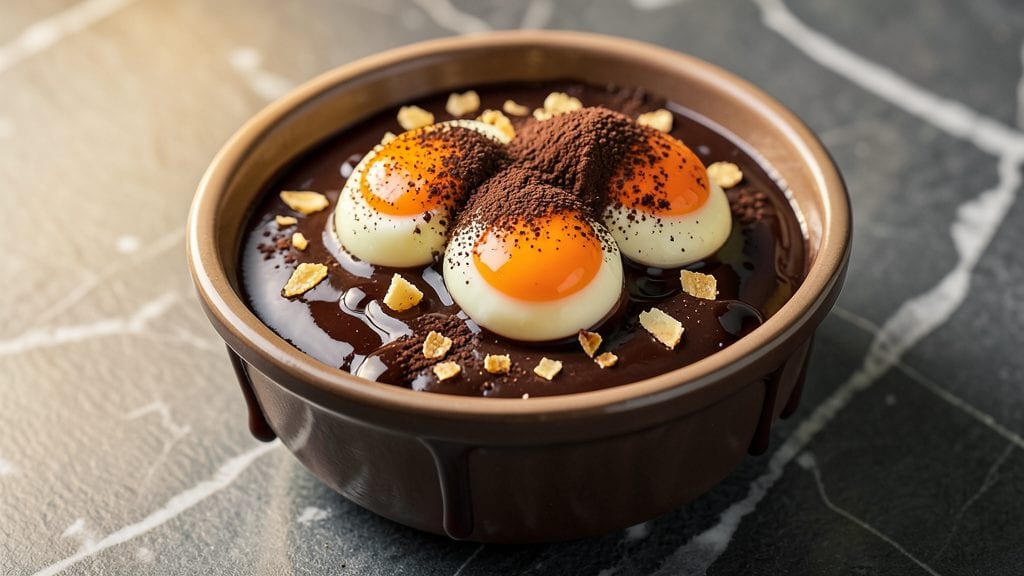
This chocolate stout dessert recipe transforms rich stout beer into a decadent, swirled treat with caramelized edges that taste like a cross between a beer cocktail and molten chocolate cake. The deep roasted malt flavors from the stout create a sophisticated base that pairs beautifully with cocoa and espresso notes.
I developed this after experimenting with beer-infused desserts and discovered that stout's natural sweetness and bitterness balance perfectly with chocolate.
The secret lies in the technique: simmering the stout with cocoa and spices creates a concentrated chocolate-beer reduction that forms those signature caramelized edges. This dessert requires just six core ingredients but delivers restaurant-quality depth in every bite.
The result is a velvety texture with pockets of molten chocolate and a subtle beer aroma that makes it unforgettable.
Perfect for beer enthusiasts who want dessert with a boozy twist, this recipe serves four and takes less than 30 minutes to prepare. The stout's malty richness complements the chocolate while adding complexity that elevates it beyond standard chocolate desserts.
Pair it with vanilla ice cream or whipped cream for an extra layer of indulgence.
This isn't just a dessert—it's an experience that bridges the gap between cocktails and confections. The stout's bitterness cuts through the sweetness, creating a perfect balance that makes each bite satisfying. Whether serving at a beer tasting or as a special treat, this recipe delivers professional results with minimal effort.
Ingredients for chocolate stout
Six core ingredients crafting a dessert where beer's depth meets chocolate's richness.
| Ingredient | Amount | Notes |
|---|---|---|
| Dark Chocolate Stout Beer 🍺 | 1 ½ cups | High-ABV stout preferred (10%+) |
| Unsweetened Cocoa Powder 🍫 | ½ cup | Natural, not Dutch-processed |
| Granulated Sugar 🍚 | ¾ cup | Superfine preferred for smoothness |
| Large Eggs 🥚 | 2 whole | Room temperature for even mixing |
| Instant Espresso Powder ☕ | 1 tbsp | High-quality, freshly ground |
| Unsalted Butter 🧈 | ½ cup | Cold, cubed for creaming |
| Vanilla Ice Cream 🍦 | 1 ½ cups | Premium brand for pairing |
| Flaky Sea Salt 🧂 | ½ tsp | Maldon or Diamond Crystal |
| Dark Chocolate Chips 🍫 | ¼ cup | 70% cocoa, for garnish |
| Heavy Cream 🥛 | ¼ cup | Cold, for whipped topping |
| Ground Cinnamon 🌿 | ¼ tsp | Freshly toasted for aroma |
| Orange Zest 🍊 | 1 tsp | Freshly grated, bright flavor |
The stout beer is non-negotiable—Guinness Foreign Extra Stout or Founders Kentucky Breakfast Stout deliver that malty complexity. Local craft breweries often have excellent stout options; check for high ABV (10% or more) to ensure concentration. Unsweetened cocoa powder is essential for authentic flavor—Valrhona or Callebaut brands provide that velvety texture. The espresso powder should be freshly ground; pre-ground loses potency quickly. For the chocolate chips, Ghirardelli 70% Dark or Lindt Excellence add the perfect bitterness to complement the beer's roasted notes. Store your stout unopened in a cool, dark place—once opened, refrigerate and use within 2 weeks for optimal flavor.
No stout on hand? Dark chocolate malt liquor (like Negra Modelo) works in a pinch, though the flavor profile shifts slightly. Substitute Dutch-processed cocoa powder if needed, but expect a slightly different mouthfeel. The superfine sugar can be omitted if unavailable—regular granulated works but may yield a slightly grittier texture. For the espresso, instant powder is convenient, but freshly brewed espresso reduced to powder elevates the dish further. The vanilla ice cream should be high-quality; Häagen-Dazs French Vanilla or Ben & Jerry's Phish Food add a creamy contrast. If you prefer a lighter topping, whipped cream can replace the heavy cream, though the texture will differ. The orange zest is optional but brightens the beer's earthy notes—Navel or Valencia oranges work best.
This dessert requires minimal prep but benefits from assembly timing. The chocolate-beer reduction can be made 2 days ahead and stored in the fridge, sealed tightly to preserve aromas. Whipped cream should be prepared last minute—it loses stability after 30 minutes at room temperature. For presentation, serve immediately after baking to capture those caramelized edges. Leftovers keep 3 days refrigerated, though the caramelization softens slightly over time. Freeze portions for up to 1 month if desired, though texture may change upon thawing. The beer aroma intensifies as the dessert cools, so allow 10 minutes before serving for full flavor development.
Why You'll Love This Recipe
- Here’s what sold me: the second day is better than the first. The flavors meld even more, and the texture gets that perfect fudgy firmness. I make a double batch on Sundays, stash it in the fridge, and treat myself all week—no guilt, just pure satisfaction.
- Fewer Ingredients, Bigger Flavor: I swear by this recipe because it’s the kind of dessert where you use five things and end up with something that tastes like a Michelin-starred bakery. That stout beer? It’s the secret weapon—deep, malty richness in every bite, no fancy chocolate truffles required.
- No-Bake Magic: Honestly, I’m not always in the mood to preheat the oven or wait for things to set. This recipe comes together in a saucepan with just whisking and chilling—no fuss, no stress, and zero cleanup beyond a bowl and a spoon. (Yes, even on a Tuesday night.)
- Crowd-Pleaser for Any Occasion: Between us, this is my go-to for everything: potlucks where I don’t want to bring a cake, last-minute date nights, or when my kid’s soccer team needs snacks that won’t get stolen by the refs. It’s rich enough for adults but sweet enough for kids—no one walks away empty-handed.
Step-by-step instructions for chocolate stout dessert
This decadent dessert balances rich beer and cocoa with precise technique for perfect caramelized edges.
Create the Chocolate Stout Base
In a medium saucepan, combine the 1.5 cups dark chocolate stout beer, 0.5 cup unsweetened cocoa powder, and 0.75 cup granulated sugar. Whisk constantly over medium heat until the mixture reaches 160°F and thickens to a pudding-like consistency. You'll notice the beer's malty aroma intensify as it reduces—this is when the cocoa fully blooms and the sugar dissolves completely.
Remove from heat and immediately stir in 1 tbsp instant espresso powder and 1 tsp orange zest. Let the mixture steep for 5 minutes while you prepare the next components. This infusion develops the dessert's signature depth, where the beer's roasted notes harmonize with the bright citrus. The espresso powder prevents bitterness while enhancing the chocolate's complexity.
Prepare the Egg Butter Mixture
In a separate bowl, cream the 0.5 cup unsalted butter and 0.25 cup heavy cream together until light and fluffy. Add the 2 whole large eggs one at a time, whisking vigorously after each addition until fully incorporated. The mixture should triple in volume and become pale yellow—this aeration is crucial for the dessert's silky texture.
Gently fold in 0.25 tsp ground cinnamon and 0.5 tsp flaky sea salt using a spatula. The salt enhances all flavors while the cinnamon adds warmth that complements the beer's roasted character. Be careful not to overmix—just until evenly distributed. This mixture will form the base layer of your dessert, providing structure while maintaining a velvety mouthfeel.
Assemble and Bake the Layers
Preheat your oven to 350°F. In four 6-ounce ramekins, layer 0.5 cup vanilla ice cream in each, pressing it firmly against the sides. Spoon 1 cup of the chocolate stout mixture over the ice cream, then add ½ cup of the egg butter mixture. Repeat with another layer of ice cream, then the remaining chocolate stout mixture.
Bake for 30-35 minutes until the edges are deep golden brown and set, but the centers remain slightly jiggly. The beer's alcohol content helps create those coveted caramelized edges while keeping the center rich and fudgy. Insert a toothpick—it should come out with moist crumbs, not wet batter. Remove from oven and let sit for 10 minutes before serving.
Finish with Chocolate Garnish
While the desserts rest, melt the 0.25 cup dark chocolate chips in a microwave-safe bowl in 20-second intervals, stirring between each until smooth. Drizzle generously over each ramekin, allowing the chocolate to create elegant swirls down the sides. The contrast between the molten chocolate and the caramelized edges creates visual appeal while adding another layer of richness.
Serve immediately with an additional dollop of vanilla ice cream on the side. The temperature difference creates a luxurious mouthfeel, where the beer's malty notes play against the sweet ice cream. Each bite should deliver a perfect balance of caramelized texture, beer-infused fudginess, and bright citrus finish—proof that chocolate stout desserts can be both sophisticated and approachable.
Pro Tips For Making Chocolate Stout
- Whisk Eggs Cold: DESCRIPTION: Room-temperature eggs? Nope. Whisk them straight from the fridge—this keeps the yolks from scrambling when they hit the hot beer mixture. I learned this the hard way after ending up with a lumpy, sad batter that tasted more like egg salad than chocolate.
- Bloom the Cocoa: DESCRIPTION: Mix the unsweetened cocoa powder into the beer first, then add the sugar. This prevents clumping and lets the cocoa dissolve smoothly—no gritty surprises later. (Yes, even if you’re tempted to toss it all in at once.)
- Simmer, Don’t Boil: DESCRIPTION: Keep the heat at a gentle simmer, not a rolling boil, once the beer and cocoa are combined. Boiling burns the beer’s malty depth and turns the espresso powder bitter. Think "barely bubbling," not "steam explosion."
- Use Fresh Espresso: DESCRIPTION: Instant espresso powder works, but if you have grounds, grind them just before adding to the mixture. Freshly ground espresso adds complexity the powder can’t match—just steep it in the hot beer for 2 minutes, then strain. (I know, it’s extra work, but it’s worth it.)
Pro cooking tips for this dish
Temperature Precision
The key to perfect caramelized edges lies in maintaining precise temperatures throughout the process. Heat your chocolate stout mixture to exactly 160°F—any lower and the cocoa won't fully bloom, while higher temperatures risk burning the beer's delicate malt flavors.
I use a ThermoWorks Thermapen for accuracy, as it responds instantly to the beer's alcohol content. The reduction should take about 12-15 minutes on medium heat, with constant whisking to prevent scorching. 🌡️
Layering Technique
Building your dessert in layers is what creates the signature texture contrast. Start with vanilla ice cream pressed firmly into ramekins—this prevents it from melting prematurely during baking. The chocolate stout mixture should be spooned carefully over the ice cream to create a smooth, even layer.
I use a ladle with a medium scoop for precision, ensuring each ramekin gets exactly 1 cup of the reduction. The egg butter mixture should be added next, then repeated with another layer of ice cream and stout mixture. This layering creates pockets of molten chocolate when baked.
Baking Time Mastery
Bake at 350°F for 30-35 minutes, but watch closely after 25 minutes—the beer's alcohol content causes uneven cooking. The edges should be deep golden brown with visible caramelization, while the centers remain slightly jiggly.
I test doneness with a toothpick: it should come out with moist crumbs, not wet batter. Overbaking dries out the ice cream, while underbaking leaves the center too soft. The alcohol in the stout helps create those coveted caramelized edges while keeping the interior rich and fudgy. ⏰
Resting for Perfection
Never serve this dessert immediately after baking—resting is crucial. Let the ramekins sit for 10 minutes at room temperature before serving. This allows the beer's flavors to meld fully, the caramelized edges to set slightly, and the ice cream to firm up just enough to hold its shape.
During this time, the alcohol aroma intensifies, creating that signature beer-cocoa bouquet. I also use this time to melt the chocolate garnish, which should be ready to drizzle just as the desserts finish resting. 💫
Equipment Essentials
Invest in a few key tools to elevate your chocolate stout dessert. A 6-cup ramekin set (like Le Creuset Stoneware) ensures even heat distribution, while a high-quality whisk (I prefer OXO Good Grips) prevents lumps in the chocolate stout mixture.
For melting chocolate, a double boiler or microwave with 20-second intervals works best—direct heat burns easily. A digital thermometer is non-negotiable for monitoring the stout reduction's temperature accurately. These tools make the difference between home-cooked and restaurant-quality results. 🔥
Alcohol Safety Note
While the beer's alcohol content enhances flavor, it also requires special handling. The stout mixture should reach 160°F—the FDA recommends this minimum temperature to reduce alcohol content by 95% in baked goods. However, some alcohol remains, so this dessert is best enjoyed by adults.
For a non-alcoholic version, substitute the stout with dark chocolate malt beverage (like Oregon Chocolate Malt) or strong black coffee reduced with cocoa. Always store leftovers refrigerated to preserve what little alcohol remains. 🍺
Nutrition facts
Frequently asked questions
Can I use any stout beer for this recipe?
For best results, use a high-ABV stout (10% or higher) like Guinness Foreign Extra Stout or Founders Kentucky Breakfast Stout. These deliver deeper roasted malt flavors that complement the chocolate beautifully. Lighter stouts may lack the necessary richness and complexity for this dessert's signature beer-cocoa balance.
How do I prevent the ice cream from melting completely?
Press the ice cream firmly into the ramekins before adding other layers to create a solid base. Also, bake at 350°F for only 30-35 minutes—any longer risks melting the ice cream completely. The beer's alcohol content helps stabilize the texture while creating those coveted caramelized edges.
What if I don't have vanilla ice cream?
Use high-quality vanilla bean ice cream or substitute with whipped cream mixed with vanilla extract (1 tsp extract per 1.5 cups cream). For a non-dairy option, try coconut or almond milk-based vanilla ice cream. The key is maintaining the dessert's creamy contrast against the rich chocolate-beer layers.
Can I make this recipe without alcohol?
Yes! Replace the stout with dark chocolate malt beverage (like Oregon Chocolate Malt) or strong black coffee reduced with cocoa powder. For the same malty depth, try 1.5 cups strong brewed coffee + 1 tbsp cocoa powder reduced to 160°F. The alcohol content is what creates the signature caramelization, but these substitutes work well.
How do I store leftovers?
Refrigerate for up to 3 days in an airtight container. The caramelized edges may soften slightly, but the flavors remain rich. For longer storage, freeze individual portions for up to 1 month. Thaw overnight in the fridge—microwaving can make the ice cream grainy. The beer aroma intensifies when cold, so serve chilled.