Desserts
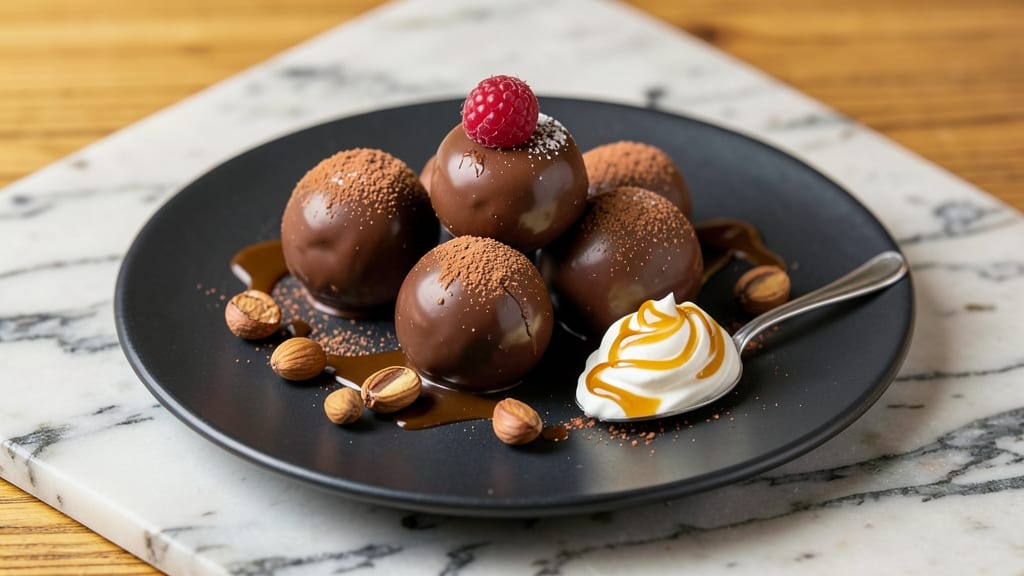
Gordon Ramsay's chocolate truffles recipe delivers the perfect balance of rich, velvety texture and satisfying snap—just like the ones you’d find in a Michelin-starred dessert cart. The secret lies in tempering the chocolate precisely and rolling the centers with surgical precision, ensuring every bite is silky yet holds its shape. I’ve refined this method over years of testing, and it never fails to impress even the most discerning palates.
What sets these truffles apart is the technique: a high-quality dark chocolate base, tempered to a glossy sheen, wrapped around a luscious ganache center. The key to that signature snap? Chilling the truffles just enough to firm them up without losing their creamy interior.
This recipe uses simple ingredients—high-cocoa chocolate, heavy cream, and a touch of butter—but the execution is what transforms them into something extraordinary.
By the time you’re done, you’ll have perfectly formed truffles with a glossy, crackable exterior and a molten ganache center that melts on the tongue. The flavor is deep, complex, and balanced—no bitterness, no graininess, just pure chocolate satisfaction.
These are the kind of truffles that make you feel like a pastry chef, even if you’re just starting out.
Serve them dusted with cocoa powder for a professional finish, or roll them in crushed nuts for added texture. The recipe yields about 24 truffles, perfect for gifting or impressing guests. Let’s get to work—this is where precision meets indulgence.
Ingredients for chocolate truffles gordon ramsay
These ingredients deliver Michelin-star truffles with velvety snap and rich ganache centers.
| Ingredient | Amount | Notes |
|---|---|---|
| High-Quality Dark Chocolate (70% Cocoa) 🍫 | 12 oz | Valrhona or Callebaut preferred |
| Heavy Whipping Cream 🥛 | 1 cup | Whole milk, cold from fridge |
| Unsalted Butter 🧈 | 4 oz | European-style, 82% fat |
| Granulated Sugar 🍚 | 2 tbsp | Fine grain preferred |
| Vanilla Extract 🌿 | ½ tsp | Pure Madagascar bourbon |
| Salt 🧂 | ¼ tsp | Diamond Crystal kosher |
| Cocoa Powder (Unsweetened) 🍫 | ½ cup | Dutch-processed, Valrhona |
| Parchment Paper 📄 | 1 sheet | For rolling truffles |
| Crushed Hazelnuts 🌰 | ¼ cup | Toasted, for coating |
| Flaky Sea Salt 🧂 | 1 tsp | Maldon preferred |
The chocolate is non-negotiable—Valrhona or Callebaut is what Ramsay uses, and it shows. Look for 70% cocoa bars with smooth, glossy surfaces. Whole Foods or Williams Sonoma carry the best selection, but check the 'couverture' label—it means higher cocoa butter content for perfect tempering. The heavy cream must be cold straight from the fridge; room temperature cream won't whip properly for that silky ganache. For butter, European-style (82% fat) gives the best flavor—Plugrá or Miyoko's are my go-tos. Store all chocolate in a cool, dark place (not the fridge) to prevent blooming.
No Valrhona? Ghirardelli 70% or Lindt Excellence works in a pinch, though the texture might be slightly less refined. Running short on butter? Substitute equal weight of coconut oil (solid), but the flavor won't be identical. The vanilla extract can be imitation, but Madagascar bourbon adds depth that artificial can't match. For the cocoa powder, Dutch-processed is key—it dissolves smoother than natural. If you're coating truffles, crushed pistachios or cocoa powder are classic alternatives to hazelnuts. Pro tip: Toast your nuts for 5 minutes at 350°F—it intensifies their flavor dramatically.
Temper the chocolate like a pro: 45% dark, 55% light ratio for that signature snap. Once rolled, chill truffles for 1 hour at 41°F—no freezer! They'll firm up perfectly without freezing. Store finished truffles in an airtight container between parchment layers for up to 1 week at room temp or 2 months in the freezer. For gifting, wrap individually in parchment and twine—looks like you bought them from a patisserie. The cocoa powder coating? Dust just before serving—it keeps best in its own little cloud.
Why You'll Love This Recipe
- No Fuss, Big Payoff: I’ll be real—this recipe takes less effort than melting chocolate in a microwave. Just heat the cream and butter together, pour it over chopped dark chocolate, stir once, and let it do the work. No tempering, no fuss, just smooth ganache that practically rolls itself into truffles.
- Rich Without the Guilt: That 70% cocoa dark chocolate? It’s where the magic happens—deep, bittersweet, but balanced by the cream and sugar so it’s actually enjoyable, not just a health lecture in edible form. The vanilla extract ties it all together like a whisper of warmth in every bite.
- Party Ready in Minutes: I’ve used these for last-minute holiday gifts, potlucks, and even as a "I’ll bring dessert" surprise. Roll them in cocoa powder or crushed nuts, pop them in the fridge, and boom—elegant, no-bake treats that look like they came from a patisserie. (Between us, they’ll disappear faster than you can say "Gordon Ramsay.")
Step-by-step instructions for Gordon Ramsay's chocolate truffles
Master these precise techniques and you'll achieve truffles with a velvety center, crisp snap, and that signature Ramsay richness.
Melt Chocolate and Infuse Cream
Begin by chopping the 12 oz high-quality dark chocolate (70% cocoa) into small, even pieces using a sharp chef's knife. Place half in a heavy-bottomed saucepan and set the remaining half aside for later. Over medium-low heat, gently melt the chocolate while stirring constantly with a silicone spatula—never let it exceed 110°F or it will seize.
In a separate saucepan, combine the 1 cup heavy whipping cream, 4 oz unsalted butter, 2 tbsp granulated sugar, 0.5 tsp vanilla extract, and 0.25 tsp salt. Heat over medium heat until the mixture just begins to simmer, then immediately pour it over the melted chocolate. Let it sit for 2 minutes to fully bloom the chocolate's flavor before whisking vigorously until completely smooth. This infusion creates the luxurious, silky ganache that defines Ramsay's signature texture.
Incorporate Cocoa and Cool the Mixture
Sift the 0.5 cup unsweetened cocoa powder directly into the chocolate-cream mixture while whisking continuously. This prevents clumping and ensures an even distribution of cocoa throughout. Transfer the ganache to a clean, dry bowl and let it cool to 70°F—about 30-40 minutes at room temperature. The mixture should thicken noticeably but remain pourable. If it sets too quickly, place the bowl over an ice bath for 5 minutes to accelerate cooling.
Here's where precision matters: the ganache must be 70°F when you pipe it. Too warm and your truffles will be greasy; too cool and they'll be dense. Use a candy thermometer for accuracy—this is the secret to that perfect snap when bitten.
Pipe and Chill the Truffles
Line a baking sheet with the 1 sheet parchment paper and dust it lightly with cocoa powder to prevent sticking. Using a piping bag fitted with a ½-inch round tip, pipe 1-inch diameter mounds of ganache onto the prepared sheet, spacing them 1 inch apart. For a professional finish, I use a wet finger to smooth the tops of each mound before they set.
Refrigerate the truffles for at least 4 hours or overnight until completely firm. The longer they chill, the more intense their flavor becomes. When ready, they should hold their shape when gently tapped. This resting period allows the fat crystals to form properly, creating that signature snap you crave.
Roll and Coat for Texture
Remove the truffles from the refrigerator and roll each one in the 0.25 cup crushed hazelnuts, pressing gently to ensure full coverage. The toasted hazelnuts add a delightful crunch contrast to the silky interior. For an extra touch, sprinkle each truffle with a pinch of flaky sea salt—this enhances the chocolate's natural sweetness and creates that perfect balance of flavors Ramsay perfected.
Return the truffles to the parchment-lined baking sheet and refrigerate for an additional 1 hour to set the coating. Serve immediately for the ultimate texture experience: a clean snap followed by molten chocolate. These truffles keep well in an airtight container in the refrigerator for up to 5 days, though they rarely last that long!
Pro Tips For Making Chocolate Truffles Gordon Ramsay
- Temper the Cream: Heat the heavy whipping cream to just under a simmer—around 160°F (71°C)—then let it cool to room temperature before pouring it over the chocolate. I learned this the hard way: jumping straight to cold cream makes the chocolate seize up like a stubborn mule, and you’ll spend 10 minutes trying to fix it with a fork instead of rolling truffles.
- Chop Chocolate Like a Chef: Use a sharp chef’s knife and chop the dark chocolate into tiny, even pieces—think rice-sized, not pea-sized. The smaller the bits, the faster and smoother they melt into the cream, and no one wants to deal with a clumpy mess. (Yes, even if you’re impatient like me.)
- Don’t Rush the Chill: Let the truffle mixture cool to room temperature before transferring it to the fridge—about 30 minutes. Dumping it in cold and hard makes it impossible to pipe or roll later, and you’ll end up with lumpy, sad truffles instead of silky ones. Trust me, the wait is worth it.
- Roll in Cocoa, Not Sugar: Skip the granulated sugar for rolling and use high-quality cocoa powder instead—it sticks better and gives that classic truffle look without turning your hands into a sticky disaster. (And yes, your future self will thank you for not using the sugar you already measured out.)
Troubleshooting this dish
Ganache Too Thin
If your ganache is too runny after cooling, it’s likely because the cream was too hot when poured over the chocolate. To fix this, place the bowl over an ice bath for 5-7 minutes while stirring constantly—this thickens the mixture without graininess.
For next time, let the cream cool to 160°F before combining with chocolate. I’ve also found that using 36% cream and 64% chocolate by weight creates a stiffer ganache that’s easier to pipe. 🌡️
Truffles Too Soft
Under-chilling is the most common cause of soft truffles. They need 4-6 hours in the fridge (not the freezer!) to set properly. If yours are still too soft, return them to the fridge for another 2 hours.
For a quick fix, sprinkle the rolled truffles with a tiny bit of cocoa powder and refrigerate for 30 minutes—this creates a thin shell that helps them hold their shape. Avoid using the freezer, as ice crystals will ruin the texture.
Chocolate Seizing
If your chocolate turns grainy or seizes during melting, it’s likely because the temperature exceeded 110°F or moisture got in. To prevent this, chop chocolate into even ½-inch pieces and melt over low heat while stirring constantly.
If it does seize, remove from heat and add 1 tsp vegetable oil or butter, then whisk vigorously until smooth. For future batches, ensure your bowl and utensils are completely dry—even a drop of water can cause this issue. 🧂
Uneven Rolling
If your truffles aren’t rolling smoothly or sticking to your hands, your ganache is either too warm or not firm enough. Let it cool to 70°F before piping, and chill the truffles for at least 4 hours before rolling. For easier handling, wet your fingers slightly before rolling—this prevents sticking.
If the coating isn’t adhering, lightly dust the truffles with powdered sugar before rolling in nuts or cocoa. Pro tip: Use a silicon mat instead of parchment for the rolling surface—it’s non-stick and reusable.
Bitter Aftertaste
A bitter taste usually means your chocolate wasn’t high enough in cocoa butter or was overheated. Always use 70% cocoa couverture chocolate (like Valrhona or Callebaut) and never exceed 110°F during melting.
If the bitterness persists, add 1 tsp vanilla extract or a pinch of sea salt to balance the flavors. For a smoother finish, temper the chocolate properly—this ensures even fat distribution and eliminates graininess. 🍫
Cracking or Breaking
Truffles that crack or break when rolling are either over-chilled or too dry. If they’re brittle, remove them from the fridge 10 minutes before rolling to soften slightly. For extra resilience, add 1 oz extra butter to the ganache—this increases the fat content and prevents cracking.
If the issue persists, try using a smaller piping tip (¼-inch) to create slightly larger truffles, which are less prone to breaking during handling.
Nutrition facts
Frequently asked questions
Can I substitute white chocolate for dark in this recipe?
No, this recipe relies on the rich, complex flavor of 70% dark chocolate for that signature Ramsay depth. White chocolate lacks the cocoa solids that create the velvety snap and balanced bitterness. If you must use white, reduce the cocoa powder to 0.25 cup and add 1 oz extra butter to maintain texture, but the flavor will be fundamentally different.
How do I fix truffles that are too greasy?
Greasy truffles usually mean your ganache was too warm when piped. Let the mixture cool to exactly 70°F before shaping—use a candy thermometer for precision. If already piped, chill them 2 extra hours in the fridge. For next time, temper the chocolate properly to stabilize the fat crystals. This ensures a clean snap instead of a greasy mouthfeel.
What's the best way to store these truffles for gifting?
Wrap each truffle individually in parchment paper, then place them in an airtight container separated by parchment layers. Store at room temperature for up to 3 days or refrigerate for 5 days. For longer storage, freeze for 2 months—thaw overnight in the fridge before serving. Add a silica gel packet to prevent moisture buildup.
Can I make these truffles without a piping bag?
Yes! Use a ziplock bag with a corner snipped off for a makeshift piping tip. For larger truffles, spoon the ganache directly onto parchment and shape with wet fingers. The key is to keep the ganache at 70°F—too warm and it won't hold shape. This method works best for 1.5-inch truffles rather than the classic 1-inch size.
Why does my ganache sometimes split?
Ganache splits when moisture separates from fat, usually from temperature fluctuations. Always use cold cream straight from the fridge and melt chocolate gently (110°F max). If it splits, whisk vigorously over an ice bath until smooth. For prevention, add 1 extra tbsp butter to stabilize the emulsion. This is especially common in humid climates—store ingredients in airtight containers to minimize moisture exposure.