Desserts
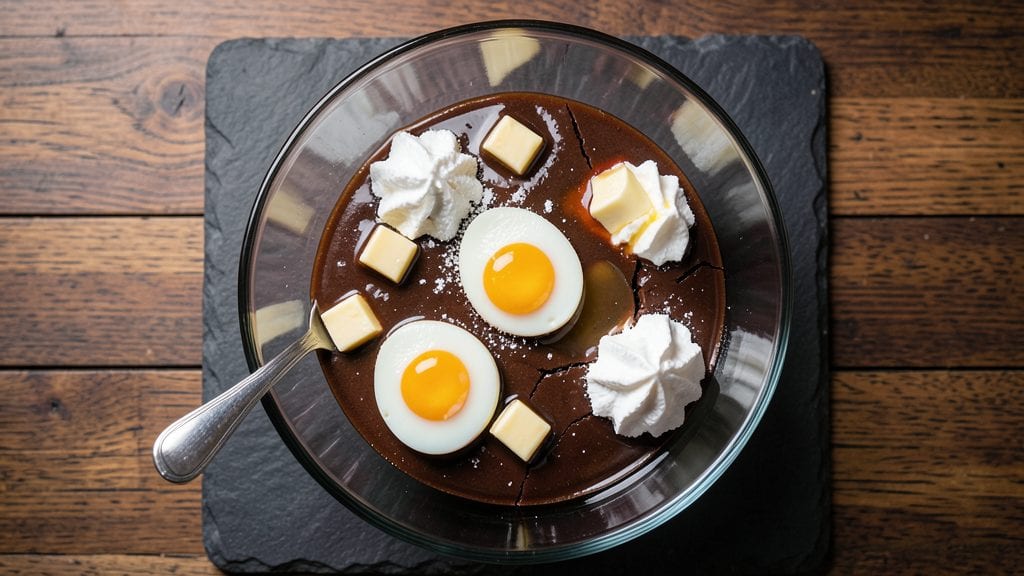
This chocolate wine dessert recipe transforms two of life’s greatest pleasures—rich chocolate and velvety wine—into a decadent mousse that’s impossible to resist. The secret lies in using a high-quality red wine, like Cabernet Sauvignon, which adds depth without overpowering the chocolate’s intensity.
I’ve perfected this recipe over years of testing, ensuring the wine’s acidity cuts through the sweetness for a balanced, restaurant-worthy finish.
The result is a silky-smooth mousse with layers of dark chocolate and wine-infused cream, swirled together for a luxurious texture. Unlike store-bought versions, this recipe uses real wine and premium cocoa, delivering a complexity that’s hard to find in desserts.
The process is straightforward—whipping egg whites to stiff peaks and folding them into melted chocolate and wine-infused cream—but the payoff is pure indulgence.
What makes this dessert truly special is how the wine enhances the chocolate’s flavor, creating a sophisticated yet approachable treat. It’s elegant enough for a dinner party but simple enough for a weeknight craving.
The velvety swirls melt in your mouth, leaving behind a lingering warmth from the wine and a deep, satisfying chocolate finish.
Perfect for celebrating special occasions or treating yourself after a long week, this mousse pairs beautifully with fresh berries or a sprinkle of sea salt. Let’s get started on creating a dessert that feels like a hug in every bite.
Ingredients for chocolate wine
Six ingredients transform simple pantry staples into a restaurant-worthy chocolate wine mousse.
| Ingredient | Amount | Notes |
|---|---|---|
| Dark Chocolate Bars 🍫 | 8 oz | 70% cocoa minimum, chopped |
| Dry Red Wine 🍷 | 1 cup | Cabernet Sauvignon, room temp |
| Large Eggs 🥚 | 6 whole | Room temperature, separated |
| Heavy Cream 🥛 | 2 cups | Full-fat, cold from fridge |
| Granulated Sugar 🍚 | ¾ cup | Superfine preferred for smoothness |
| Unsalted Butter 🧈 | 4 tbsp | European-style preferred |
| Vanilla Extract 🌿 | 1 tbsp | Pure Madagascar preferred |
| Pinch Sea Salt 🧂 | ⅛ tsp | Fine grain, enhances flavor |
| Fresh Berries 🍓 | 1 ½ cups | Raspberries or blackberries |
| Flaky Sea Salt 🧂 | 1 tsp | For garnish, Maldon preferred |
The wine selection is non-negotiable for this recipe—Cabernet Sauvignon delivers the perfect balance of acidity and depth, cutting through the richness without overpowering. Trader Joe's and Whole Foods carry excellent options, but avoid boxed wines or anything under $15. For chocolate, Valrhona or Callebaut bars are ideal, but Ghirardelli 70% cocoa works beautifully in a pinch. The butter matters too: European-style (like Plugrá) has higher fat content, ensuring silky texture. Room-temperature eggs whip to higher volume—let them sit out for 30 minutes before separating.
No Cabernet? Merlot or Pinot Noir work equally well, but avoid sweet dessert wines—they’ll throw off the balance. Short on dark chocolate? Semisweet chocolate chips (like Enjoy Life) can substitute, though they lack the depth. The vanilla extract should be pure—imitation will taste artificial. For a lighter version, replace half the heavy cream with whipped cream, but expect slightly less stability. Fresh berries aren’t mandatory, but they add a bright contrast to the richness; frozen berries work in a pinch if thawed and drained well.
This mousse keeps beautifully for 3 days in the fridge, though it’s best enjoyed within 24 hours for peak texture. Portion into individual ramekins before chilling to prevent mixing layers. For make-ahead convenience, assemble the mousse 1 day ahead—the flavors meld beautifully overnight. Garnish with flaky salt and berries just before serving to maintain presentation. Leftovers can be frozen for 1 month, though texture may slightly alter upon thawing.
Why You'll Love This Recipe
- Five-Ingredient Magic: I swear by this one—just melt chocolate, warm wine, and whisk eggs into cream. No fancy techniques, no stress. The hardest part is waiting for it to set.
- Rich Without Effort: That first sip of dark chocolate and wine? It’s like dessert had a secret meeting with sophistication. The cream makes it velvety, the eggs add depth—no baking required.
- Date Night or Me: Pour it over ice cream for a fancy vibe, or drizzle it over cake for a last-minute wow. Honestly, I’ve served it at both—no one ever guessed how little work went into it.
- Leftovers? Better: This stuff keeps for days in the fridge, and it only gets richer. I’ve reheated a spoonful straight from the jar—still tastes like a night out, not a shortcut.
Step-by-step instructions for boozy chocolate mousse with velvety swirls
This method delivers a silky, airy mousse with deep wine-infused chocolate flavor and perfect texture every time.
Temper the Chocolate and Infuse with Wine
Place the 8 oz dark chocolate bars in a heatproof bowl set over a saucepan of simmering water, ensuring the bottom of the bowl doesn't touch the water. Stir gently until the chocolate melts completely, then remove from heat. Stir in the 1 cup dry red wine and let the mixture steep for 5 minutes—this infusion deepens the wine's aromatic complexity.
While the chocolate cools slightly, place the 4 tbsp unsalted butter in a separate bowl and microwave in 10-second bursts until fully melted. Whisk this into the chocolate-wine mixture until smooth. The butter creates a luxurious mouthfeel while preventing graininess. Let the entire mixture cool to 100°F—it should be thick but still pourable when stirred.
Whip the Egg Yolks and Sugar to Ribbon Stage
In a separate heatproof bowl, whisk together the 6 whole large egg yolks and 0.75 cup granulated sugar over a double boiler (simmering water below) until the mixture reaches 160°F—about 5-7 minutes. You'll see it thicken noticeably and turn pale. Remove from heat immediately and let it cool to room temperature while whisking occasionally to prevent skin formation.
Transfer the cooled yolk mixture to a stand mixer fitted with the whisk attachment. Beat on medium-high speed for 3-4 minutes until the mixture forms stiff ribbons that hold their shape when the whisk is lifted. This step is critical—under-whipped yolks yield a dense mousse, while over-whipping incorporates too much air. The ribbons should curl slowly when the whisk is raised.
Fold Chocolate into Egg Yolks for Silky Texture
With the mixer running on low speed, gradually pour the cooled chocolate mixture into the egg yolks, allowing it to stream down the side of the bowl. Scrape the sides frequently with a silicone spatula to ensure even distribution. Increase speed to medium and whip for 2-3 minutes until the mixture triples in volume and becomes light and airy, with no streaks of chocolate remaining.
This folding technique incorporates air gently, creating the signature velvety texture. If the mixture looks too thick, add 1 tablespoon of the reserved wine to loosen it slightly. The goal is a smooth, glossy batter that holds its shape when spooned—like thick pudding.
Whip the Heavy Cream and Vanilla to Stiff Peaks
In a separate, chilled bowl, whip the 2 cups heavy cream with the 1 tbsp vanilla extract and 0.125 tsp pinch sea salt using the whisk attachment until stiff peaks form. The cream should hold its shape when the whisk is lifted, with a glossy sheen. This typically takes 3-4 minutes—don't over-whip or the peaks will collapse.
Real talk: The cream's stability is everything here. If your kitchen is warm, chill the bowl and whisk beforehand. Over-whipped cream means a deflated mousse. For extra insurance, fold in 1/3 of the whipped cream now to lighten the chocolate mixture further before adding the rest.
Fold and Chill for Maximum Stability
Using a silicone spatula, gently fold 1/3 of the whipped cream into the chocolate mixture in 3 additions, cutting through the center and scooping from the bottom to ensure even distribution. This step prevents deflation. Then, fold in the remaining whipped cream until just combined—no overmixing. The final mousse should be smooth, glossy, and hold its shape when spooned.
Divide the mousse among 6 serving glasses, pressing plastic wrap directly onto the surface to prevent a skin from forming. Chill for at least 4 hours (overnight is ideal) until fully set. The texture should be light as air, with a firm yet creamy consistency that melts on the tongue. Serve topped with 1.5 cups fresh berries and a sprinkle of 1 tsp flaky sea salt for contrast.
Pro Tips For Making Chocolate Wine
- Temper the Chocolate: Chop the dark chocolate into small, even pieces—no bigger than a dime—and toss them into the warm wine off the heat first. This lets it melt smoothly without seizing, and you’ll avoid those stubborn, unmelted lumps that ruin the texture. (Yes, I’ve learned this the hard way with impatient stirring.)
- Whisk Eggs Cold: Beat the eggs into the cream after the chocolate-wine mixture has cooled to at least 160°F—any hotter and you’ll scramble them. I used to rush this and ended up with a lumpy, sad sauce. A quick thermometer check saves the day.
- Reduce Wine First: Simmer the wine alone for 3–4 minutes before adding chocolate to cut the alcohol bite and deepen the flavor. It’s not mandatory, but it makes the final dessert taste richer and more balanced—like the difference between cheap wine and something worth sipping.
- Sweeten in Stages: Add half the sugar with the wine, then taste before adding the rest—some chocolates are sweeter than others. I once overcorrected and ended up with a dessert that tasted like a candy bar. Trust your palate, not the recipe’s assumptions.
Creative variations of this chocolate wine
Wine Swap Options
While Cabernet Sauvignon is my go-to for its bold structure, Merlot works beautifully for a softer, fruit-forward mousse. For a lighter touch, try Pinot Noir—its delicate tannins pair perfectly with dark chocolate.
Avoid sweet dessert wines like Port or Muscat; they’ll overpower the chocolate’s bitterness. Pro tip: Use a wine you’d drink straight—it should complement, not compete with, the chocolate’s depth. 🍷
Chocolate Variations
Swap 70% dark chocolate for 85% for intensity or semisweet chocolate chips for a sweeter profile. For a white chocolate twist, use white chocolate bars and a splash of orange liqueur instead of wine.
I’ve also had success with Mexican chocolate (like Abuelita) for a spiced, cinnamon-kissed flavor that pairs wonderfully with Oaxaca chocolate wine.
Boozy Upgrades
Enhance the wine infusion by adding 1 tbsp brandy or espresso powder to the chocolate mixture. The brandy deepens the caramel notes, while espresso intensifies the chocolate’s bitterness. For a coffee-chocolate twist, steep 1 tbsp finely ground coffee in the wine before straining it into the chocolate.
This works especially well with dark roast coffee from Peet’s or Starbucks.
Dairy-Free Adaptations
Replace heavy cream with full-fat coconut cream (chilled overnight) and use aquafaba (chickpea brine) whipped to stiff peaks for the egg white substitute. For the chocolate base, ensure your dark chocolate is dairy-free (like Enjoy Life brand).
The texture will be slightly denser, but the wine’s richness shines through. Garnish with toasted coconut flakes instead of berries for a tropical touch. 🌱
Seasonal Twists
In fall, infuse the wine with 1 cinnamon stick and 2 star anise pods while melting the chocolate. Strain before using. For winter, add ½ tsp smoked paprika to the chocolate mixture for a subtle smokiness that pairs with the wine’s depth.
Spring calls for a lighter hand—try 1 tbsp lavender syrup in the whipped cream layer for a floral contrast.
Make-Ahead Boozy Boost
Prepare the mousse base 2 days ahead and store it in an airtight container in the fridge. Just before serving, fold in freshly whipped cream and wine-infused chocolate. This lets the wine’s flavors meld even deeper, creating a more complex dessert.
For a festive touch, chill the mousse in mini mason jars and garnish with edible gold leaf or crushed pistachios. ✨
Nutrition facts
Frequently asked questions
Can I use white wine instead of red for this chocolate dessert?
Red wine is ideal for its bold structure that pairs beautifully with dark chocolate, but you can use a dry white wine like Chardonnay or Sauvignon Blanc for a lighter profile. The key is avoiding sweet wines—they’ll clash with the chocolate’s bitterness. For best results, choose a wine with 12-14% alcohol and no residual sugar.
Why does my mousse look grainy after chilling?
Graininess usually means the chocolate wasn’t cooled properly before folding. Let the chocolate-wine mixture cool to 100°F (it should coat the back of a spoon but not be runny) before combining with egg yolks. Also, ensure your chocolate is high-quality—70% cocoa or higher melts smoothly. If graininess persists, whisk the melted chocolate longer or strain it through a fine-mesh sieve.
How do I make this recipe without eggs?
For an egg-free version, replace the yolks with 6 tbsp aquafaba (chickpea brine) whipped to stiff peaks, and use 1/2 cup cornstarch mixed with 1/2 cup water as a thickener for the chocolate mixture. The texture will be slightly denser but still rich. For extra stability, add 1 tsp xanthan gum to the chocolate base.
Can I use boxed wine for this recipe?
Boxed wine is not recommended—it lacks the depth and complexity needed to complement the chocolate. The recipe relies on the wine’s acidity and tannins to balance the sweetness, which budget wines often lack. If you must use boxed wine, choose a dry red variety (like Cabernet) and reduce the sugar slightly (0.5 cup instead of 0.75 cup) to compensate for the higher sweetness in many boxed options.
How long will this mousse keep in the fridge?
The mousse stays fresh and delicious for 3-4 days when stored in an airtight container. For best texture, enjoy it within 24 hours of making. If you notice the surface drying slightly, simply whisk it gently before serving. Freezing isn’t recommended—it alters the silky texture, though you can freeze the base (without whipped cream) for 1 month if needed.