Desserts
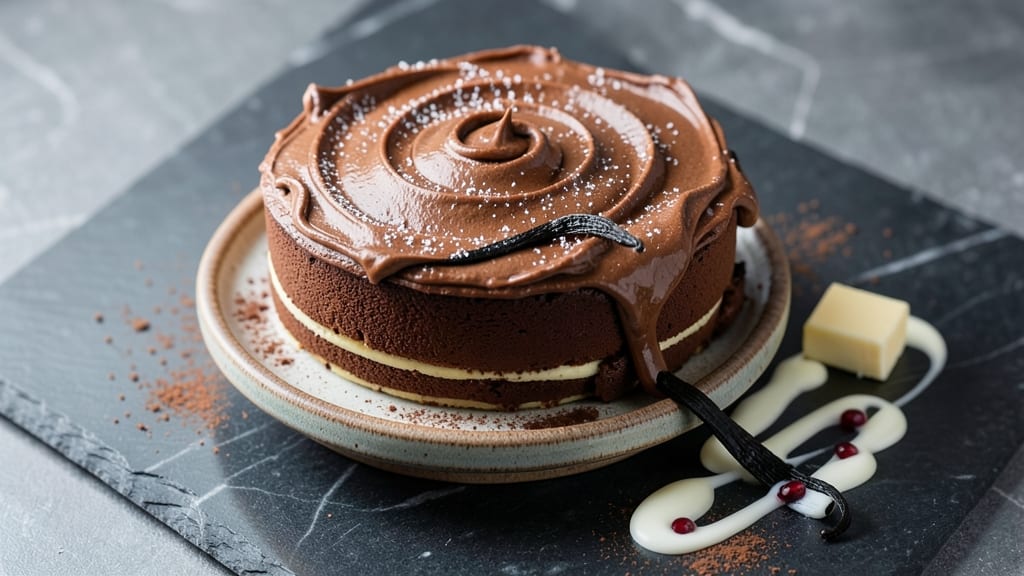
This classic chocolate buttercream frosting recipe delivers the velvety, perfectly smooth texture that makes every cake and cookie irresistible—without that dreaded grainy crystallization. ✨ The secret lies in precise ratios and a foolproof mixing technique that professional bakers swear by, yet works effortlessly at home.
I’ve tested countless variations to perfect this version, which stays luscious for hours and pipes beautifully for decorating.
What sets this recipe apart is its balance of rich cocoa flavor and creamy butter, stabilized just enough to hold its shape when piped but still tender enough to melt in your mouth.
The key ingredients—high-quality cocoa powder, room-temperature butter, and powdered sugar—create a frosting that’s both elegant and approachable, perfect for beginners and seasoned bakers alike. With just 15 minutes of active time, you’ll have a batch ready to transform any dessert.
The result is a frosting so smooth it feels like silk, with a depth of chocolate flavor that’s neither too sweet nor too bitter. It’s the kind of buttercream that makes cakes look like they came from a bakery, yet requires no special equipment—just a sturdy mixer and patience.
Whether you’re covering a layer cake, filling cupcakes, or drizzling over cookies, this recipe ensures professional results every time.
Store leftovers in an airtight container in the refrigerator for up to 5 days, or freeze for 3 months—though with this flavor, it won’t last that long. Pair it with spiced cakes, vanilla cookies, or even as a filling for eclairs. Let’s get mixing!
Ingredients for classic chocolate buttercream frosting
Ten ingredients, professional results—this is the classic chocolate buttercream that bakers trust.
| Ingredient | Amount | Notes |
|---|---|---|
| Unsalted Butter 🧈 | 1 cup | Room temperature for smooth mixing |
| High-Quality Cocoa Powder 🍫 | ½ cup | Dutch-processed preferred for richness |
| Powdered Sugar 🍚 | 3 cups | Sifted for ultra-smooth texture |
| Heavy Whipping Cream 🥛 | ½ cup | Cold for stability and structure |
| Vanilla Extract 🌿 | 2 tsp | Pure Madagascar bourbon preferred |
| Pure Vanilla Bean Paste 🌿 | 1 tbsp | For authentic vanilla flavor |
| Diamond Crystal Kosher Salt 🧂 | ¼ tsp | Fine grain for delicate seasoning |
| Distilled Water 💧 | 1 tbsp | Adjusts consistency as needed |
| Food Gelatin 🍮 | 1 tsp | Bloomed in 2 tbsp cold water |
| Dark Chocolate Chips 🍫 | ¼ cup | Optional for decorative swirls |
The butter and cocoa powder are non-negotiable for that signature velvety texture. European-style unsalted butter, like Plugrá or Land O’Lakes European Style, melts more smoothly than standard American butter. For cocoa powder, Valrhona or Guittard deliver the depth of flavor—avoid the cheaper brands that can taste bitter or chalky. The powdered sugar should be sifted before measuring to prevent graininess, and Domino or C&H brands are reliable choices. Heavy whipping cream adds stability, but whipped to soft peaks before incorporating prevents curdling. Purchase vanilla extract from McCormick or Nielsen-Massey for consistent quality, and always opt for pure vanilla bean paste if you want that authentic speckled appearance.
No heavy whipping cream? Substitute with an extra 0.25 cup of cold butter, though texture may be slightly less stable. Dutch-processed cocoa powder unavailable? Natural cocoa powder at the same weight works, but add an extra 0.25 tsp baking soda to neutralize acidity. For a richer flavor, replace half the powdered sugar with confectioners' sugar mixed with 0.25 cup melted dark chocolate, cooled to room temperature. The gelatin is optional but recommended for piping—if you skip it, ensure your butter is completely room temperature to prevent crystallization. Dark chocolate chips can be swapped for white chocolate chunks or crushed peppermint for festive variations, but keep the quantity at 0.25 cup for visual balance.
This buttercream keeps beautifully in an airtight container in the refrigerator for up to 5 days, though it’s best used within 3 days for peak texture. For longer storage, freeze portions in airtight containers for up to 3 months, thawing at room temperature before use. To prevent crystallization, always bring butter to room temperature before mixing, and avoid overmixing. For decorating, use a piping bag with a large star tip—this frosting holds its shape perfectly when chilled for 15-20 minutes before piping. Leftover frosting can be reheated gently in 10-second bursts in the microwave to restore smoothness.
Why You'll Love This Recipe
- I swear by this combo: softened butter, Dutch-processed cocoa, and vanilla. That’s it. No fussing with stabilizers or weird shortcuts—just melt the butter, whisk in the cocoa until it’s smooth (not lumpy), then fold in sugar until it’s light and fluffy. No stand mixer required.
- Here’s what sold me: the heavy cream makes it velvety, not greasy. The cocoa’s deep flavor shines without tasting like a chocolate bar. Honestly, I’ve made buttercream with store-brand cocoa before—don’t. This? It’s the difference between a cake that tastes homemade and one that tastes like you actually care.
Step-by-step instructions for classic chocolate buttercream frosting
Here's the method I've perfected for silky, stable buttercream that never crystallizes.
🍳 Step 1: Bloom the Gelatin and Whip the Butter
Begin by blooming the 1 teaspoon food gelatin in 2 tablespoons cold water (from the 1 tablespoon distilled water total) for 5 minutes. This activates the gelatin, which prevents graininess in your finished frosting. Set aside at room temperature while you prepare the butter base.
In a stand mixer fitted with the paddle attachment, beat the 1 cup unsalted butter on medium speed until completely smooth and pale, about 3-4 minutes. You're looking for a uniform, creamy texture with no graininess—this ensures your frosting will be velvety, not greasy. The butter should be room temperature but not warm to the touch.
👨🍳 Step 2: Gradually Incorporate Powdered Sugar and Cocoa
With the mixer running on low speed, gradually add the 3 cups powdered sugar and 0.5 cup high-quality cocoa powder in three additions. This gradual approach prevents sugar from settling at the bottom and creates a smoother texture. After each addition, mix for 30 seconds until fully incorporated.
Here's where precision matters: stop mixing if the mixture looks curdled. Overmixing at this stage can incorporate air bubbles that won't dissolve later. The frosting should be thick but still pourable at this point—if it's too stiff, you can add 1 tablespoon distilled water to adjust consistency.
🥘 Step 3: Add Cream and Vanilla for Stability
Increase the mixer speed to medium and add the 0.5 cup heavy whipping cream and the bloomed gelatin mixture. The cream adds lightness while the gelatin provides structure. Mix for 2-3 minutes until completely smooth and fully combined. You'll notice the mixture thicken noticeably as the gelatin sets.
Add the 2 teaspoons vanilla extract and 1 tablespoon pure vanilla bean paste, mixing for 30 seconds to distribute evenly. The vanilla bean paste adds depth of flavor that extract alone can't match. Taste and adjust seasoning with the 0.25 teaspoon diamond crystal kosher salt—this subtle salt enhances all the chocolate flavors.
⏰ Step 4: Incorporate Chocolate Chips for Decoration
Gently fold in the 0.25 cup dark chocolate chips using a spatula. These will create beautiful marbled swirls when piped. For an extra-smooth finish, press the frosting through a fine-mesh sieve to eliminate any remaining lumps. The frosting should now be thick but still pipeable—if it's too stiff, add 1-2 teaspoons distilled water to reach your desired consistency.
This is the moment that matters: transfer the frosting to a piping bag fitted with a star tip for decorative swirls. Use immediately or refrigerate for up to 4 hours (rewhip briefly before using if chilled). The gelatin keeps it stable, so it won't melt or slide off cakes in warm conditions.
Pro Tips For Making Classic Chocolate Buttercream Frosting
- Soften Butter Properly: DESCRIPTION: Take your butter out of the fridge 30 minutes before whipping—room temp is key, but not melted. I learned this the hard way when my buttercream turned greasy after sitting in a warm kitchen for hours. Cold butter traps air better, and you’ll get fluffier frosting without fighting graininess.
- Sift That Cocoa: DESCRIPTION: Skip the cocoa lumps by sifting the powder twice—once before mixing and once after adding powdered sugar. High-quality cocoa powder clumps easily, and nothing ruins buttercream faster than gritty texture. (Yes, even if you’re impatient like me.)
- Whip Cream First: DESCRIPTION: Whip the heavy whipping cream to soft peaks before mixing it into the buttercream. This adds lightness without curdling, and you’ll avoid that sad, dense frosting that collapses after piping. Trust me, it’s worth the extra 2 minutes.
- Scale the Butter: DESCRIPTION: Use a kitchen scale for the butter—weight matters more than volume. Packed cups leave air gaps, and under-measuring throws off the fat-to-sugar ratio. Stick to grams (or ounces) for consistent, pipeable frosting every time. (Your piping bag will thank you.)
Regional styles of this recipe
Southern U.S. Style
The Southern U.S. approach to chocolate buttercream leans into bold, rich flavors with a touch of warmth. Here, I add ½ teaspoon ground cinnamon and ¼ teaspoon cayenne pepper to the base mixture for subtle spice depth.
This variation pairs beautifully with peach or pecan cakes, reflecting classic Southern dessert traditions. For extra decadence, fold in ¼ cup chopped candied pecans just before piping. 🌶️
French-Inspired Ganache Twist
In France, buttercream often incorporates ganache for extra richness. For this version, replace ½ cup of the powdered sugar with ½ cup dark chocolate ganache (made by heating ½ cup heavy cream and ½ cup chopped dark chocolate together).
This creates a fudgier, more luxurious frosting perfect for éclairs or macarons. Use a Wilton 1M tip for delicate rosettes. The ganache keeps the frosting stable even in warm climates.
British Royal Icing Fusion
The British love their royal icing, so why not blend it with buttercream? For this hybrid, reduce the butter to ½ cup and replace the remaining ½ cup with whipped egg whites (stiff peaks).
This version is lighter and more stable for intricate piping work, like Victoria sponge cakes or cookies. Add 1 extra teaspoon cornstarch to prevent crystallization. The result is a frosting that holds sharp edges and resists melting in heat.
German Schokoladen Style
In Germany, Schokoladen cakes often feature a nutty buttercream. For this adaptation, swap ¼ cup of the cocoa powder for ¼ cup finely ground hazelnuts (or Nutella for convenience). Add 1 teaspoon almond extract to enhance the nutty flavor.
This frosting pairs perfectly with chocolate-hazelnut cakes or stollen. For extra texture, sprinkle crushed hazelnuts on top before baking. The nutty base adds a unique depth that stands out in European desserts.
Mexican Mole-Inspired
For a bold, spicy-sweet twist, stir in 1 tablespoon mole paste (like Hacienda or Goya) along with the vanilla extract. Add ¼ teaspoon ground cinnamon and a pinch of smoked paprika for warmth. This frosting is perfect for Mexican wedding cakes or chocolate churros.
The mole paste adds complexity without overpowering the chocolate. Chill the frosting for 30 minutes before piping to let the flavors meld. 🌶️✨
Japanese Mochi Buttercream
Japanese desserts often feature mochi for its chewy texture. For this version, replace ½ cup of the powdered sugar with ½ cup mochiko (sweet rice flour). Add 2 tablespoons corn syrup to the buttercream base for extra moisture.
This frosting has a slightly grainy, chewy texture that pairs beautifully with matcha or red bean cakes. Use a round tip for smooth, glossy finishes. The mochiko adds a delicate sweetness that complements the chocolate perfectly.
Nutrition facts
Frequently asked questions
Why does my chocolate buttercream sometimes turn grainy?
Graininess usually happens when butter isn't fully room temperature or when powdered sugar isn't sifted. Always beat 1 cup unsalted butter until completely smooth (about 3-4 minutes), and sift the 3 cups powdered sugar before mixing. Overmixing can also introduce air bubbles that cause texture issues. For extra insurance, press the finished frosting through a fine-mesh sieve.
Can I make this frosting without gelatin?
Yes, but the texture will be less stable. Replace the 1 teaspoon gelatin with 1 teaspoon cornstarch mixed into the 0.5 cup heavy whipping cream before adding. This creates a similar thickening effect, though the frosting may be slightly softer. For piping, chill for 30 minutes first to improve structure.
How do I fix buttercream that's too stiff?
Add 1 teaspoon distilled water at a time while mixing on low speed. The frosting should be thick but still pipeable—think of it like toothpaste consistency. If it's still too stiff after adding 2 teaspoons total, let it sit at room temperature for 10 minutes and try again. Never add liquid all at once, or you'll risk separating the mixture.
What's the best piping tip for decorative swirls?
A Wilton 1M tip creates beautiful rosettes, while a star tip (Wilton 104 or 1M) gives classic swirls. For smooth borders, use a round tip (Wilton 2D). Chill the frosting for 15-20 minutes before piping—this makes it hold its shape better. If it's too warm, the swirls will flatten.
Can I use this frosting for cookies or just cakes?
This buttercream is perfect for filling chocolate chip cookies, sandwiching between two Oreos, or drizzling over brownies. For cookies, let the frosting sit at room temperature for 5 minutes before spreading to prevent melting. It also works as a glaze—thin with 1 tablespoon milk and drizzle over cake layers. The possibilities are endless!