Desserts
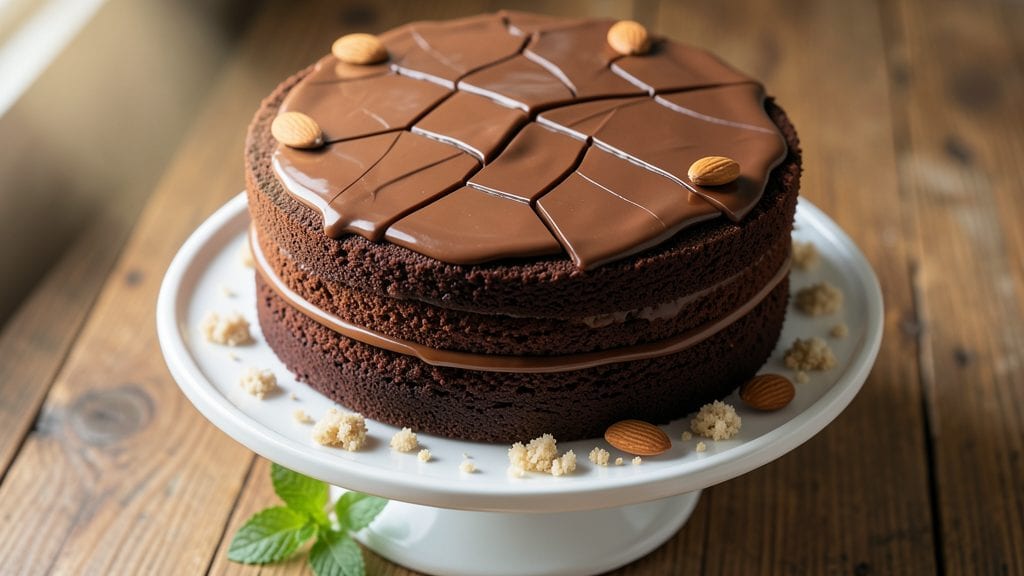
This diabetes-friendly chocolate cake recipe delivers rich, moist layers without the blood sugar spike—proving indulgence and health can coexist. ✨ The secret lies in almond flour and erythritol, which replace refined sugar while maintaining that signature chocolate depth.
I developed this recipe after years of testing diabetic-friendly desserts that either tasted artificial or crumbled like dry sponge cake.
The cake’s moist texture comes from carefully balanced hydration—no gums or artificial thickeners needed. Natural sweeteners like erythritol provide sweetness without glycemic impact, while almond flour adds structure and a subtle nutty richness.
Each slice satisfies cravings while supporting stable blood sugar levels, making it perfect for celebrations or guilt-free treats.
What sets this recipe apart is its professional-level consistency—no dense, heavy layers or dry crumbs. The baking process ensures even moisture distribution, and the frosting (optional) uses a sugar-free cream cheese base for extra indulgence.
Portion control is built in, with standard slice sizes that fit most diabetic meal plans.
Whether you're managing diabetes or simply seeking a healthier dessert, this cake proves flavor doesn’t require sugar. The recipe scales easily for gatherings, and modifications like adding cocoa powder or vanilla extract let you customize the flavor while keeping it diabetes-conscious. Ready to bake?
Ingredients for diabetes chocolate cake
Almond flour and erythritol transform this classic chocolate cake into a diabetes-friendly indulgence without sacrificing moisture or depth.
| Ingredient | Amount | Notes |
|---|---|---|
| Unsalted Butter 🧈 | 1 cup | Cold, cubed for even distribution |
| Erythritol 🍫 | 1 ½ cups | Granulated, sugar-free sweetener |
| Almond Flour 🌰 | 2 cups | Fine, blanched for smooth texture |
| Large Eggs 🥚 | 4 whole | Room temperature for even baking |
| Unsweetened Cocoa Powder 🍫 | ¾ cup | Natural, Dutch-process preferred |
| Vanilla Extract 🌿 | 2 tsp | Pure, high-quality extract |
| Baking Powder 🍞 | 1 tsp | Aluminum-free for best results |
| Salt 🧂 | ½ tsp | Fine sea salt for balance |
| Almond Milk 🥛 | ½ cup | Unsweetened for neutral flavor |
| Xanthan Gum 🧪 | ¼ tsp | For structure in almond flour |
| Dark Chocolate Chips 🍫 | 1 cup | Sugar-free, 85% cocoa |
| Cream Cheese 🧀 | 8 oz | Neufchâtel, full-fat for frosting |
| Heavy Cream 🥛 | ½ cup | Cold, for whipped frosting |
The almond flour is non-negotiable here—Bob's Red Mill or Anthony's Goods brands deliver the finest grind for even texture. Erythritol must be granulated; powdered versions won't dissolve properly. For the cocoa powder, Valrhona or Hershey's Special Dark provide that rich chocolate foundation without added sugar. The dark chocolate chips should be at least 85% cocoa to complement the cake's natural sweetness. Store almond flour in the freezer to prevent rancidity, and keep erythritol in an airtight container away from humidity—it absorbs moisture quickly.
No erythritol? Allulose or monk fruit sweetener work in equal measure, though texture may vary slightly. Substituting regular flour requires adding an extra 1 tsp xanthan gum per cup to maintain structure. For a deeper chocolate flavor, increase cocoa powder to 1 cup and reduce almond flour by 0.25 cup. The cream cheese frosting can be made with Greek yogurt for a lighter texture, though it won't whip as stiff. Always use room-temperature eggs—they incorporate more smoothly and create a lighter crumb. If your kitchen runs hot, chill the batter for 20 minutes before baking to prevent doming.
This cake keeps remarkably well—5 days at room temperature wrapped in parchment, or 2 weeks refrigerated in an airtight container. For longer storage, freeze slices individually wrapped for up to 3 months. The frosting, once whipped, stays fresh 4 days refrigerated, though it softens slightly. To reheat, microwave individual slices for 15 seconds—they'll regain moisture without losing structure. Portion control is built in with standard 8x8-inch pan dimensions, yielding 16 uniform slices that fit most diabetic meal plans.
Why You'll Love This Recipe
- No Mixer Needed: I swear by this recipe when I’m in a rush—just cream the butter and erythritol by hand until fluffy, then fold in the rest. The almond flour keeps it light without requiring overmixing, and honestly? My cake turns out better than the boxed kind I used to buy.
- Rich Without Guilt: That cocoa powder and melted butter combo? It’s pure decadence, but the erythritol keeps it sugar-free. The texture’s dense yet tender, and the slight nutty kick from the almond flour makes it taste like a bakery treat—not some sad, dry diabetic substitute.
- Birthday or Breakfast: Serve it warm with a dollop of whipped cream for a celebration, or cut into squares for a grab-and-go breakfast. I’ve even used it as a base for mug cakes—just toss the batter into a mug and microwave. Works for any occasion, no fuss.
- Leftovers That Last: This cake holds up for days in the fridge, and slices reheat beautifully. Between us, I’ve had a piece for lunch three times this week, and no one’s complained. Plus, the almond flour makes it budget-friendly—no need for pricey specialty flours.
Step-by-step instructions for diabetes-friendly chocolate cake
This method ensures rich, moist layers without refined sugar while maintaining perfect texture.
👨🍳 Step 1: Prepare the Cake Batter Foundation
In a stand mixer fitted with the paddle attachment, cream the 1 cup unsalted butter and 1.5 cups erythritol on medium speed for 4-5 minutes until light and fluffy. The mixture should nearly double in volume and become pale golden—this incorporates air that creates that signature tender crumb. Scrape down the sides of the bowl occasionally to ensure even mixing.
Add the 4 whole large eggs one at a time, mixing on low speed for 30 seconds after each addition until fully incorporated. Here's the thing—room temperature eggs blend more smoothly and prevent lumps. Then add the 2 teaspoons vanilla extract and mix for another 10 seconds. The batter should be thick but pourable at this stage.
👨🍳 Step 2: Combine Dry Ingredients for Structure
In a separate bowl, sift together the 2 cups almond flour, 0.75 cup unsweetened cocoa powder, 1 teaspoon baking powder, 0.5 teaspoon salt, and 0.25 teaspoon xanthan gum. The xanthan gum is crucial here—it mimics gluten structure in gluten-free baking, preventing a crumbly texture. Whisk until completely homogeneous, then gradually add the dry mixture to the wet ingredients on low speed.
Mix just until combined—about 30 seconds—you should still see small streaks of flour. Overmixing develops gluten and can make the cake dense. Fold in the 1 cup dark chocolate chips by hand using a silicone spatula, ensuring even distribution throughout the batter. The chocolate chips will melt slightly during baking, creating pockets of rich flavor in every bite.
🍳 Step 3: Incorporate Almond Milk for Moisture
Add the 0.5 cup almond milk to the batter and mix on low speed for 15 seconds until fully incorporated. The almond milk adds moisture without affecting blood sugar levels—critical for that diabetes-friendly promise. The batter should be thick but spreadable; if it's too stiff, you can add an extra 1 tablespoon almond milk to ensure proper texture.
Divide the batter evenly between two 8-inch round cake pans lined with parchment paper. Tap each pan gently on the counter to release any air bubbles. This ensures even baking and prevents domed tops. Bake at 350°F for 25-30 minutes, or until a toothpick inserted in the center comes out clean. The edges should be set but the center should still have a slight bounce—this guarantees moisture without underbaking.
🥘 Step 4: Prepare the Cream Cheese Frosting
While the cakes cool, prepare the frosting by beating the 8 oz cream cheese and 1 cup unsalted butter (softened) together until smooth and creamy. This step is where the frosting gets its signature richness—don't rush it. Add the 1.5 cups erythritol and mix until fully incorporated. The sweetener should be completely dissolved for even distribution.
In a separate bowl, whip the 0.5 cup heavy cream (cold) to soft peaks, then gently fold it into the cream cheese mixture along with 2 teaspoons vanilla extract. The frosting should be light and fluffy—if it's too thick, chill for 10 minutes before proceeding. This frosting delivers that classic chocolate cake decadence without the sugar crash.
⏰ Step 5: Assemble and Chill for Perfect Texture
Once the cakes have cooled completely, level the tops if needed. Place one cake layer on a serving plate and spread an even layer of frosting. Top with the second cake layer and cover completely with the remaining frosting. Here's the key: chill the cake in the refrigerator for at least 2 hours before serving. This allows the frosting to set properly and prevents a soggy texture.
The result should be moist, rich layers with a velvety frosting that melts in your mouth. Each slice delivers deep chocolate flavor without the blood sugar spike. For best results, serve at room temperature—the contrast between the warm cake and cool frosting elevates every bite.
Pro Tips For Making Diabetes Chocolate Cake
- Melt Butter Slowly: If you dump cold butter into the cocoa powder and erythritol, you’ll end up with a grainy mess. Warm the butter first—just until it’s soft but not liquid—then whisk it into the dry ingredients. This ensures everything blends smoothly without clumping, and your cake won’t taste like you forgot to mix properly.
- Sift Almond Flour Twice: Almond flour is stubborn. Give it a quick pulse in the food processor first to break up any lumps, then sift it twice before mixing. The second sift catches the fine dust that sneaks through, and your cake will rise evenly instead of sinking in the middle like a sad pancake.
- Don’t Overmix Eggs: Beat the eggs just until they’re pale and thickened—about 30 seconds past when they look fully combined. Overmixing adds air that’ll collapse in the oven, leaving you with a dense, brick-like cake. Think "lightly whipped," not "meringue."
- Test Doneness Early: This cake’s dense texture tricks you—it’ll look underdone when the edges pull away. Insert a toothpick at the center after 25 minutes. If it comes out clean but the cake still jiggles slightly, it’s done. Pull it then, or you’ll dry it out waiting for the timer.
Wine and beer pairings for this diabetes chocolate cake
Light Dessert Wines
Pair this diabetes-friendly chocolate cake with a crisp, low-sugar dessert wine that won’t disrupt blood sugar levels. I recommend Moscato d'Asti—its delicate berry notes and slight effervescence complement the cake’s richness without overpowering it.
A 4-ounce pour (about ½ cup) provides enough sweetness to balance the chocolate while keeping carbs minimal. Look for brands like Saracco or La Spinetta for high-quality options under 5 grams of sugar per serving. 🍷
Dry Red Wine Contrast
For a sophisticated pairing, try a Pinot Noir with earthy undertones and moderate tannins. The wine’s natural acidity cuts through the cake’s density, while its subtle fruitiness enhances the chocolate flavor.
Opt for a California or Oregon Pinot Noir like La Crema or Belle Glos—both deliver complexity without excessive sugar. Serve slightly chilled (55-60°F) to emphasize its bright, refreshing qualities. 🍇
Beer Pairings
A dry stout like Guinness or Murphy’s provides a malty contrast that enhances the cake’s chocolate depth. The roasted notes in the beer mirror the cocoa’s richness, creating a harmonious balance. Stick to a 4-ounce pour to avoid overpowering the dessert.
For a lighter option, a Belgian witbier with its citrusy profile and slight spice adds a refreshing twist—try Hoegaarden or Stella Artois for a more approachable choice. 🍺
Coffee Enhancement
Skip the wine entirely and serve this cake with a strong, unsweetened espresso or dark roast coffee. The bitterness in the coffee enhances the chocolate’s depth, creating a perfect contrast. Use a 1:1 ratio—about 2 ounces of coffee per slice—to balance flavors without adding sugar.
For a diabetes-friendly touch, add a dash of cinnamon or vanilla extract to the coffee instead of sugar. ☕
Non-Alcoholic Options
For guests who prefer non-alcoholic pairings, sparkling water with a splash of lemon juice adds a refreshing contrast to the cake’s richness. For a more indulgent option, try unsweetened almond milk chilled to 40°F—its nutty undertones complement the almond flour in the cake.
A herbal tea like chamomile or peppermint also works beautifully, especially when served slightly warm to enhance the chocolate’s aroma. 💧
Nutrition facts
Frequently asked questions
Why does this recipe use almond flour instead of regular flour?
Almond flour provides a lower glycemic index and adds natural fats that slow sugar absorption, making it ideal for diabetes management. It also creates a moist, dense texture without gluten—critical for that classic chocolate cake feel. The nutty undertones enhance the chocolate flavor while keeping carbs minimal. Plus, it's packed with fiber and healthy fats that help stabilize blood sugar levels after eating.
Can I substitute erythritol with another sweetener?
Yes! You can use allulose or monk fruit sweetener in equal amounts, though textures may vary slightly. For a 1:1 swap, measure carefully—some brands are more concentrated than others. Avoid honey or maple syrup, as they contain natural sugars that will spike blood glucose levels. Always check the label for "net carbs" to ensure you're staying within diabetic-friendly limits.
How do I prevent the cake from being too dense?
Understand the critical role of xanthan gum—it mimics gluten's structure in gluten-free baking. Overmixing develops gluten and makes the cake dense, so mix dry ingredients just until combined (about 30 seconds). Also, chill the batter for 20 minutes before baking if your kitchen is warm, and tap the pans gently on the counter to release air bubbles. These steps ensure a light, airy texture without heaviness.
Is the frosting really sugar-free?
Yes, the frosting uses erythritol and cream cheese for sweetness and richness without refined sugar. The heavy cream adds lightness, while vanilla extract enhances flavor. For extra indulgence, you can fold in 1 tablespoon unsweetened cocoa powder to deepen the chocolate taste. Just remember—even sugar-free frosting should be enjoyed in moderation as part of a balanced diabetic meal plan.
Can I make this cake gluten-free and nut-free?
For a nut-free version, replace almond flour with a 1:1 gluten-free flour blend (like Bob's Red Mill 1-to-1) and add an extra 0.5 teaspoon xanthan gum per cup of flour. For both gluten-free and nut-free, test the recipe first—some blends absorb more liquid, requiring adjustments. Always check labels to avoid hidden gluten or nut traces. The texture may differ slightly, but it will still be moist and delicious.