Desserts
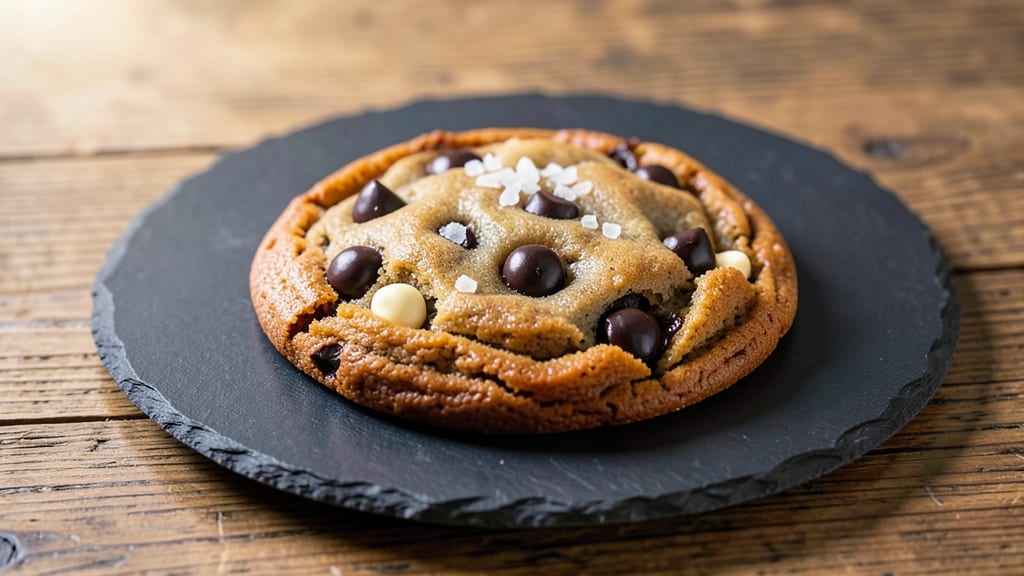
A double chocolate chip recipe transforms ordinary cookies into a decadent treat with every bite—rich dark chocolate chunks and crispy double-dipped chips create the perfect balance of texture and flavor.
The secret lies in using both semi-sweet chocolate chips and chopped dark chocolate bars for depth, while the double-dipping technique ensures maximum crunch without losing that signature chewy center. I’ve baked these countless times, and the difference between this version and store-bought is night and day.
This recipe delivers restaurant-quality cookies with minimal effort, using just 10 simple ingredients and a foolproof method. The dough rests for 30 minutes (critical for flavor development), and baking at 350°F for 10-12 minutes yields golden edges and a tender interior.
No special equipment is needed—just a mixing bowl and a baking sheet, making it perfect for beginners or experienced bakers alike.
What you’ll end up with is a batch of cookies so irresistible, they disappear faster than you can say "double chocolate." The dark chocolate adds a sophisticated bitterness that pairs beautifully with the sweetness of the chips, while the double-dipping creates pockets of molten chocolate in every bite.
These cookies stay fresh for days, making them ideal for gifting or meal prep.
For extra indulgence, try adding a pinch of sea salt to the dough or swapping out half the chocolate for white chocolate chips. The variations are endless, but the foundation remains the same: rich, crunchy, and utterly satisfying. Let’s get baking!
Ingredients for double chocolate chip
Ten ingredients, two types of chocolate, one decadent cookie recipe that rivals bakery quality.
| Ingredient | Amount | Notes |
|---|---|---|
| Unsalted Butter 🧈 | 1 cup | Cold, cubed for even mixing |
| Granulated Sugar 🍚 | ¾ cup | Superfine preferred for smooth texture |
| Packed Brown Sugar 🍚 | ¾ cup | Light or dark, packed tightly |
| Large Eggs 🥚 | 2 whole | Room temperature for even blending |
| Vanilla Extract 🌿 | 2 tsp | Pure, high-quality preferred |
| All-Purpose Flour 🌾 | 2 ½ cups | Sifted for light, airy texture |
| Baking Soda 🧂 | ½ tsp | Pure, aluminum-free preferred |
| Diamond Crystal Kosher Salt 🧂 | ½ tsp | Fine grain for even distribution |
| Semi-Sweet Chocolate Chips 🍫 | 2 cups | High-quality, like Ghirardelli |
| Dark Chocolate Bars 🍫 | 8 oz | 70% cacao, chopped into chunks |
The chocolate selection makes all the difference. Ghirardelli semi-sweet chips provide that classic sweetness, while high-cacao dark chocolate bars (70% or higher) add sophisticated depth. For the dark chocolate, I recommend Lindt Excellence or Valrhona—their bars chop cleanly and melt beautifully. If you're short on time, pre-chopped chocolate works, but freshly chopped creates those coveted pockets of molten chocolate. The butter must be cold; Plugrá or Land O’Lakes unsalted are my go-tos, and using them straight from the fridge ensures proper dough texture. For the sugars, superfine sugar dissolves more easily, but if you only have regular granulated, pulse it in a food processor for a few seconds to refine the grains.
No vanilla extract? Seeds from one vanilla bean or even a teaspoon of vanilla sugar will work in a pinch. Swapping chocolate types? White chocolate chips can replace half the semi-sweet, but reduce the baking time by 1-2 minutes to prevent over-browning. For a more intense chocolate flavor, add 1 tablespoon of cocoa powder to the dry ingredients. The dough will be rich, so resist the urge to add extra flour when rolling—trust the recipe. If you’re concerned about the dough being too sticky, chill it for an additional 15 minutes before scooping. And if you’re feeling adventurous, fold in 1/2 cup of toasted nuts like walnuts or pecans for added crunch.
Freshly baked cookies stay soft for 3-4 days when stored in an airtight container at room temperature, but they’ll firm up slightly after 24 hours. For longer storage, freeze the dough balls before baking—they’ll keep for up to 3 months. To reheat, bake at 300°F for 3-5 minutes. These cookies also freeze beautifully after baking; wrap individually in plastic wrap and store in a sealed container for up to 2 months. Pro tip: Underbake them slightly (pull them when edges are just golden) to maintain that chewy center. The double-dipping technique adds texture, but if you’re in a hurry, simply press extra chocolate chips into the tops right after baking.
Why You'll Love This Recipe
- No-Fuss Mixing: I swear by the creamy butter-and-sugar combo here—just cream, fold, bake. No stand mixers, no overworking the dough. The eggs and vanilla pull it all together while you’re still scraping the last bits from the bowl.
- Rich Twice the Magic: That double chocolate chip hit? It’s not just about quantity—it’s the way the melted butter and brown sugar caramelize around the chips. Honestly, I’ve never met a cookie that balances sweet and salty this well.
- Weeknight or Party: Same dough, endless uses. Drop spoonfuls for quick cookies, roll into balls for a crowd, or even press into a pan for a last-minute dessert. My go-to for book club nights when I forget to plan ahead.
- Budget Bakes Better: You’re using pantry staples—no specialty ingredients, no waste. A single batch stretches to leftovers that taste just as good reheated (yes, even the next day). And the butter? It’s the star, so it’s worth splurging a little.
Step-by-step instructions for double chocolate chip cookies
Mastering these cookies requires precision in technique and ingredient handling.
Cream the Butter and Sugars to Peak Fluffiness
In a stand mixer fitted with the paddle attachment, combine the 1 cup unsalted butter, 0.75 cup granulated sugar, and 0.75 cup packed brown sugar. Beat on medium speed for 3-4 minutes until the mixture becomes pale and nearly doubles in volume. This creaming process incorporates air, which creates the signature crackly tops and tender crumb.
I always test the butter consistency first—it should be soft enough to leave a slight indentation when pressed but not melted. The sugars should dissolve completely, leaving no grainy texture. If the mixture feels too warm, chill it in the refrigerator for 10 minutes before proceeding. This ensures proper structure when the dough hits the oven.
Incorporate Eggs and Vanilla with Precision
Add the 2 whole large eggs, one at a time, mixing on low speed for 30 seconds after each addition. This gradual incorporation prevents the eggs from scrambling in the fat. Immediately add the 2 teaspoons vanilla extract and mix for an additional 10 seconds until fully combined.
The mixture will appear slightly curdled at first, but don't be alarmed—this is normal. The eggs will fully emulsify once the dry ingredients are added. For best results, use room-temperature eggs, as they blend more smoothly into the butter. If your kitchen is cold, let them sit at room temperature for 15-20 minutes before using.
Fold in Dry Ingredients and Double-Dipped Chocolate
In a separate bowl, whisk together the 2.5 cups all-purpose flour, 0.5 teaspoon baking soda, and 0.5 teaspoon diamond crystal kosher salt. Gradually add this mixture to the wet ingredients, mixing on low speed for 30-45 seconds until just combined. Overmixing develops gluten, which can make the cookies tough.
Remove the bowl from the mixer and fold in the 2 cups semi-sweet chocolate chips and 8 ounces chopped dark chocolate bars using a silicone spatula. For the double-dipped effect, melt half of the chocolate bars in a microwave-safe bowl in 20-second intervals, stirring between each interval until smooth. Dip half of the semi-sweet chocolate chips into the melted dark chocolate, allowing excess to drip off, then mix back into the dough. This creates pockets of intense chocolate flavor in every bite.
Chill the Dough for Optimal Texture
Cover the dough bowl with plastic wrap and refrigerate for at least 1 hour, or up to 24 hours for enhanced flavor development. Chilling solidifies the butter, preventing excessive spreading in the oven, and allows the flour to fully hydrate, resulting in a lighter, airier texture.
I know it's tempting to skip this step, but resisting the urge to bake immediately makes all the difference. Cold dough also means the cookies hold their shape better, giving you those thick, chewy centers with crispy edges. If you're short on time, the dough can be frozen for up to 3 months—just let it thaw in the refrigerator before scooping.
Bake to Golden Perfection with Controlled Heat
Preheat your oven to 350°F and line two baking sheets with parchment paper. Using a cookie scoop, portion the chilled dough into 2-tablespoon balls (about 1.5 inches in diameter) and place them 3 inches apart on the prepared sheets. Press down gently on each ball to flatten slightly—this ensures even baking.
Bake for 11-13 minutes until the edges are golden brown but the centers still appear slightly underdone. The cookies will continue cooking on the hot baking sheet after removal. Rotate the pans halfway through baking for even heat distribution. For maximum crunch, let the cookies cool on the baking sheet for 5 minutes before transferring to a wire rack. Enjoy them warm for the ultimate experience.
Pro Tips For Making Double Chocolate Chip
- Melt Butter Slowly: I learned this the hard way—dumping cold butter into a hot pan makes the sugar seize up like a stubborn mule. Instead, cut the butter into small cubes and let it melt into the dry ingredients before adding liquid. This keeps the mixture smooth and prevents lumps that’ll ruin your texture.
- Use Room-Temp Eggs: Cold eggs? Big mistake. They’ll curdle the butter and leave you with a weird, streaky batter. Pop the eggs out of the fridge 30 minutes early—just enough time to warm up without getting rubbery. Trust me, your cookies will thank you with a tender crumb.
- Skip the Overmixing: I used to beat this dough like I was punishing it, and all I got were tough, dense cookies. Mix the wet and dry ingredients just until combined—lumps and all—then fold in the chocolate chips. Overworking the dough develops gluten, and nobody wants a chewy chocolate brick.
- Chill the Dough: Sounds weird, but it works: wrap the dough in plastic and refrigerate it for at least 2 hours (or overnight). This prevents the cookies from spreading into flat pancakes and lets the flavors meld. Pro move: scoop the dough straight from the fridge for even better results.
Pro cooking tips for double chocolate chip
Double-Dip Technique
This is where the magic happens—melt half of the 8 ounces dark chocolate bars in 20-second microwave bursts, stirring between each interval until smooth. Dip 1 cup of the semi-sweet chocolate chips into the melted chocolate, letting excess drip off, then mix back into the dough.
This creates molten chocolate pockets in every bite that solidify just enough to stay crispy. I use Lindt 70% dark chocolate because it melts evenly without seizing. 🌟
Butter Consistency Check
Cold butter is non-negotiable—press your thumb into the 1 cup unsalted butter before mixing. It should leave a slight indentation but not flatten completely. If it feels too soft, chill it for 10 minutes before creaming.
The goal is to trap air during the 3-4 minute mixing with sugars, which creates those signature crackly tops. I’ve ruined batches by using warm butter, so always test first!
Egg Temperature Matters
Room-temperature eggs blend smoothly, but cold eggs can cause the dough to curdle. Let them sit for 15-20 minutes if your kitchen is chilly. Add them one at a time, mixing on low for 30 seconds after each addition.
This gradual incorporation prevents scrambling and ensures a silky texture. Pro tip: Use large eggs—they emulsify better than smaller sizes.
Dough Chilling Secrets
Never skip the 1-hour chill—it’s the difference between flat cookies and thick, chewy ones. The butter solidifies, preventing excessive spreading, while the flour hydrates fully. For extra insurance, freeze the dough for 30 minutes before scooping.
I’ve even baked dough straight from the freezer (thawed first) with perfect results. Just don’t over-chill—24 hours max or the texture suffers. ❄️
Baking Sheet Spacing
Place dough balls 3 inches apart on parchment-lined sheets to prevent crowding. Overlapping cookies leads to uneven baking and soggy centers. Rotate pans halfway through the 11-13 minute bake at 350°F for even heat distribution.
I use Wilton nonstick baking sheets—they’re sturdy and easy to clean. Press down gently on each ball before baking to flatten slightly for even cooking.
Underbake for Chewiness
Pull cookies when edges are golden but centers still look slightly soft—they’ll firm up as they cool. Overbaking dries them out. For extra chew, bake 1-2 minutes less than the recipe suggests. Let them rest on the sheet for 5 minutes before transferring—this traps moisture for that perfect texture.
Warm cookies are best, but they’ll stay soft for 3 days in an airtight container. 💫
Nutrition facts
Frequently asked questions
Why do I need both semi-sweet chocolate chips AND dark chocolate bars?
The semi-sweet chips provide that classic, melty texture we all love, while the chopped dark chocolate bars add depth and richness. The dark chocolate's higher cacao content creates pockets of intense flavor that contrast beautifully with the sweetness. Using both types ensures every bite has that perfect balance of sweet and sophisticated bitterness.
Can I make this recipe without a stand mixer?
Use two large mixing bowls and a sturdy wooden spoon or rubber spatula. For the creaming step, mix the butter and sugars by hand for 5-7 minutes until light and fluffy—just keep at it until the mixture doubles in volume. The key is patience; this step is what creates those signature crackly tops and chewy centers.
What if my cookies spread too much in the oven?
This usually happens when the butter is too warm or the dough isn't chilled long enough. First, always chill the dough for the full 1 hour (or up to 24 hours). Second, make sure your butter is cold before creaming—it should leave a slight indentation when pressed. If you're still having issues, try flattening the dough balls slightly before baking.
How do I store these cookies to keep them fresh longer?
For short-term storage, keep them in an airtight container at room temperature for up to 3-4 days. For longer storage, freeze the baked cookies (wrapped individually) for up to 2 months300°F for 3-5 minutes—they'll taste almost as good as fresh!
Can I substitute white chocolate for the dark chocolate?
You can replace up to half of the dark chocolate with white chocolate, but expect a sweeter, less intense flavor. For best results, use a 70% dark chocolate (like Lindt) to maintain that rich chocolate base. If you do use white chocolate, reduce baking time by 1-2 minutes to prevent over-browning.