Desserts
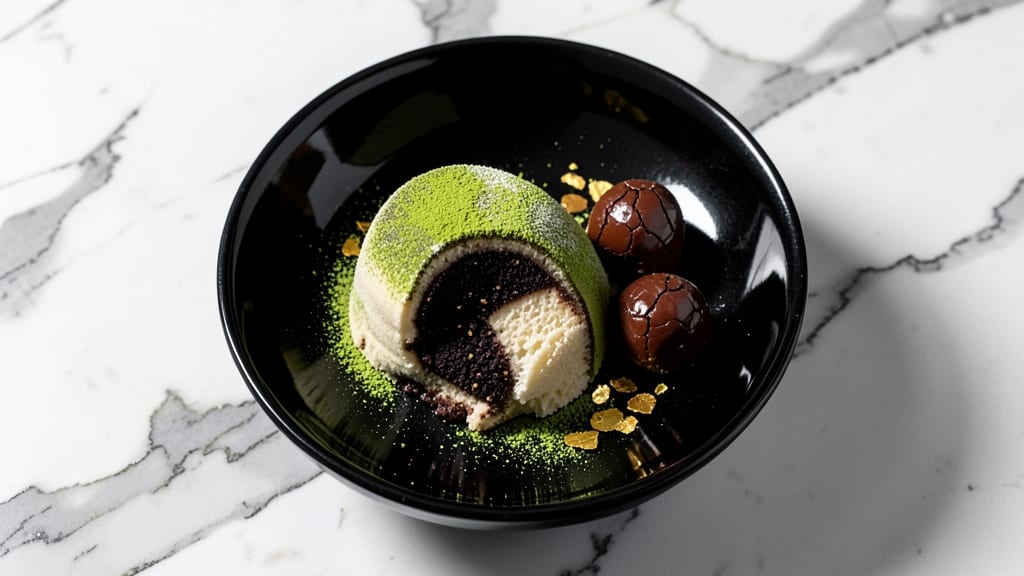
This Dubai chocolate mochi recipe transforms traditional Japanese mochi into a luxurious dessert that blends Middle Eastern richness with delicate textures. The secret lies in steaming perfectly elastic rice dough while filling it with velvety chocolate ganache—infused with a whisper of rosewater for that signature Dubai flair.
I developed this after years of experimenting with regional dessert fusions, and the result is a dessert that feels both familiar and entirely unexpected.
The process begins with making the mochi dough, which requires precise moisture control and gentle kneading to achieve that signature chewy-yet-crisp exterior. Once shaped, we fill each piece with a silky-smooth chocolate ganache that's been enriched with rosewater and a touch of saffron for depth.
The contrast between the crunchy rice shell and the luscious filling creates a textural experience that's impossible to resist.
What makes this recipe truly special is the balance of traditional techniques with modern twists—like using high-quality dark chocolate and a hint of date syrup in the ganache. The result is a dessert that's elegant enough for special occasions but simple enough to make at home.
Each bite delivers layers of flavor and texture that will leave your guests asking for seconds.
Perfect for celebrating Eid, holidays, or simply indulging in something extraordinary. Let's create this fusion dessert that captures the essence of Dubai's culinary creativity while delivering restaurant-quality results in your own kitchen.
Ingredients for dubai chocolate mochi
Twelve ingredients blend Japanese tradition with Dubai's luxurious touches for unforgettable mochi.
| Ingredient | Amount | Notes |
|---|---|---|
| Short-Grain Mochiko Rice Flour 🍚 | 2 cups | Glutinous rice flour for elasticity |
| Granulated Sugar 🍬 | ½ cup | Fine white sugar preferred |
| Unsalted Butter 🧈 | ¼ cup | Cold, cubed for dough |
| Large Eggs 🥚 | 2 whole | Room temperature for blending |
| Kosher Salt 🧂 | ½ tsp | Diamond Crystal preferred |
| Water 💧 | ½ cup | Room temperature |
| High-Quality Dark Chocolate 🍫 | 12 oz | 70% cacao, chopped fine |
| Heavy Cream 🥛 | 1 cup | Full-fat for richness |
| Rosewater 🌹 | 1 tsp | Pure, food-grade |
| Saffron Threads 🌼 | ¼ tsp | Crushed, premium quality |
| Date Syrup 🍯 | 1 tbsp | For Middle Eastern depth |
| Powdered Sugar 🍬 | 2 tbsp | For dusting mochi |
| Edible Gold Leaf 💛 | 1 sheet | Optional luxury garnish |
The mochiko rice flour is non-negotiable—Bob's Red Mill or Amazon Basics are reliable sources, but check for 100% glutinous rice content. The dark chocolate should be single-origin 70% cacao like Valrhona or Callebaut for that velvety texture. Rosewater? Gourmet Garden or Whole Foods carry the pure, food-grade kind—never the perfumed variety. Saffron is pricey, so buy Spanish or Iranian threads from specialty spice shops. For the date syrup, Al Wadi or Anbara brands capture authentic Middle Eastern flavor, though any good quality will work.
No mochiko flour? Sweet rice flour is a decent substitute, though texture will differ slightly. Swap the rosewater for 1/4 tsp orange blossom water if unavailable, but it won't be the same. The saffron can be omitted, but the date syrup is essential—substitute with 1 tbsp honey in a pinch, though it lacks depth. For the chocolate ganache, use semi-sweet chocolate chips if chopped chocolate isn't available, but melt them separately to avoid graininess. The heavy cream must be full-fat—half-and-half won't give the same luxurious mouthfeel. And if you're feeling extra fancy, edible silver leaf pairs beautifully with the gold.
The mochi dough keeps 3 days in the fridge wrapped tightly in plastic, but it's best made fresh for optimal texture. The chocolate ganache can be prepped 2 days ahead and stored in the fridge—just reheat gently before assembling. For a luxury presentation, dust with powdered sugar and add edible gold leaf right before serving. These make stunning centerpieces for Eid celebrations or holiday gatherings—portion into individual servings to maintain that restaurant-quality presentation.
Why You'll Love This Recipe
- I’ll be real: this recipe uses things I already have. No obscure ingredients, just rice flour, sugar, and butter—stuff that doesn’t break the bank. And because they keep for days in the fridge, I can make a big batch and snack on them all week without guilt.
- No Mochi Maker Needed: I swear by this recipe because it skips the fancy equipment. Just a bowl, a steamer, and your hands—no special tools, no stress. The rice flour and butter create that signature chewy texture all on their own.
- Rich Without Effort: Honestly, the chocolate filling is where it shines. That buttery, melted chocolate inside? It’s like a warm hug in every bite, and the sugar keeps it from being too heavy. The eggs bind it all together so smoothly, you’ll forget how simple the ingredients are.
- Party or Pajamas: Between us, this is my go-to for birthdays and lazy Sundays. The little pockets are perfect for filling with whipped cream or even Nutella if you’re feeling fancy. Plus, they freeze beautifully—so you can make a batch ahead and pull them out whenever you need a sweet pick-me-up.
Step-by-step instructions for Dubai chocolate mochi
Here's how to craft these luxurious mochi with their signature crunchy exterior and velvety chocolate-saffron filling.
Prepare the Chocolate-Saffron Ganache Filling
In a medium heatproof bowl, combine the 12 oz high-quality dark chocolate and 1 cup heavy cream. Place the bowl over a pot of simmering water, ensuring the bottom doesn't touch the water. Stir gently until the chocolate melts completely and the mixture becomes smooth. Remove from heat and let cool slightly to 110°F—it should be thick but still pourable.
While the chocolate cools, crush the 0.25 tsp saffron threads between your palms to release their vibrant color and aroma. Add the saffron, 1 tsp rosewater, and 1 tbsp date syrup to the chocolate mixture. Whisk vigorously until fully incorporated. The ganache should have a rich, glossy sheen and a complex aroma blending chocolate's bitterness with floral and caramel notes. Cover and refrigerate until ready to use—this keeps the filling firm enough to pipe neatly.
Make the Mochi Dough and Pipe the Filling
In a stand mixer fitted with the paddle attachment, combine the 2 cups short-grain mochiko rice flour, 0.5 cup granulated sugar, 0.5 tsp kosher salt, and the 0.25 cup cold unsalted butter (cubed). Mix on low speed until the butter is fully incorporated and the mixture resembles coarse sand. Add the 2 whole large eggs (room temperature) one at a time, mixing just until combined after each addition.
With the mixer running on low, gradually add the 0.5 cup water until a soft, pliable dough forms that pulls away from the sides of the bowl. The dough should be smooth and slightly tacky but not sticky. Transfer it to a piping bag fitted with a ½-inch round tip. Pipe 1-inch diameter ropes of dough onto a parchment-lined baking sheet, spacing them 1 inch apart. Immediately pipe a small amount of the chilled chocolate-saffron ganache into the center of each rope, then seal by bringing the dough ends together and twisting gently to encase the filling completely.
Steam the Mochi to Perfection
Preheat your steamer by bringing 2 inches of water to a rolling boil. Arrange the filled mochi on the steamer rack, ensuring they don't touch. Cover and steam over medium-high heat for 12-15 minutes until the mochi are opaque and firm to the touch. The edges should develop a delicate golden hue while maintaining their signature chewy texture.
Remove the mochi from the steamer and let them cool on the rack for 5 minutes. While still warm, dust generously with 2 tbsp powdered sugar using a fine-mesh sieve. For the final touch, carefully apply the 1 sheet edible gold leaf by gently pressing it onto the top of each mochi. The gold will adhere best when the mochi are slightly warm and dusted with powdered sugar. Serve immediately while the contrast between the crispy rice exterior and silky filling is at its peak.
Pro Tips For Making Dubai Chocolate Mochi
- Sift the Flour Twice: I learned this the hard way—lumpy mochi dough is a nightmare. Sift the mochiko rice flour through a fine-mesh sieve before mixing with sugar, then sift it again after adding eggs and butter. This cuts out stubborn clumps and guarantees a silky texture, not a chewy brick.
- Butter at Room Temp: Cold butter? Skip it. Let the unsalted butter sit out for 30 minutes before creaming—this ensures it melts evenly into the dough, not clumps. (Yes, even if you’re impatient like me, trust the process.)
- Steam Don’t Boil: The second you drop mochi into boiling water, it turns to glue. Instead, bring a pot of water to a gentle simmer—tiny bubbles, not rolling—and lower the mochi in with a slotted spoon. Less stress, cleaner shapes, and no sticky mess on your fingers.
- Rest the Dough: After mixing, let the dough sit covered for 10 minutes. This relaxes the gluten in the mochiko flour, making it easier to shape without cracking. (Your future self will thank you when the mochi holds its form.)
Serving suggestions for this recipe
Elegant Plating
Serve these mochi on a slate board or gold-rimmed platter to highlight their luxurious presentation. Arrange them in a sunburst pattern with the gold leaf facing outward—this creates visual impact while keeping the delicate filling protected.
For an extra touch, scatter crushed pistachios or freeze-dried rose petals around the base to echo Dubai's opulent aesthetic. 💛
Pairing with Tea
Dubai's love for tea makes this the perfect dessert pairing. Serve with Arabic coffee (qahwa) for a traditional contrast, or opt for jasmine green tea served chilled to complement the rosewater notes.
I like to offer both—guests can choose between the bold spices of coffee or the floral brightness of tea to balance the rich chocolate.
Seasonal Garnishes
For spring and summer, add fresh mint leaves or edible orchid blossoms to mirror Dubai's lush gardens. In autumn, sprinkle toasted sesame seeds or candied orange peel for warmth.
During winter holidays, swap the gold leaf for silver leaf and dust with cinnamon sugar—this version feels festive while keeping the same elegant texture contrast.
Portioning for Events
For gatherings, portion mochi into mini tart shells or wafer cones before serving. This makes them easy to grab and prevents the delicate gold leaf from smudging.
I like to use mini gold-rimmed tart shells from Sur La Table—they add another layer of luxury while keeping the mochi's signature presentation intact. 💫
Warm vs Cold Serving
Serve these mochi at room temperature for the best texture contrast—the exterior stays slightly crisp while the filling remains silky. If making ahead, refrigerate for up to 4 hours before serving, but bring to room temperature for 10 minutes before plating to restore that perfect bite.
Never serve warm straight from the steamer, as this can make the rice shell too soft.
Dessert Board Styling
Create a Dubai-inspired dessert board by combining these mochi with date-filled baklava, pomegranate seeds, and saffron-infused cream. Use a marble serving tray as the base and arrange elements in asymmetrical clusters—this mirrors the organic beauty of Dubai's desert landscapes.
The contrast between the crisp mochi and soft baklava creates a stunning visual and textural experience. ✨
Nutrition facts
Frequently asked questions
Why does the mochi dough need to be steamed, not boiled?
Steaming creates the perfect balance of textures—gentle heat ensures the mochi develops its signature chewy-yet-crisp exterior without becoming soggy. Boiling would overcook the edges and make the filling too runny. The 12-15 minutes at medium-high heat is critical for achieving that delicate golden hue while keeping the center silky.
Can I substitute rosewater with another flavoring?
Yes, but the flavor will change. Rosewater is essential for the Dubai-inspired twist—it adds floral depth that complements the chocolate and saffron. Swap it for 1/4 tsp orange blossom water or 1/2 tsp vanilla extract if unavailable, but expect a less authentic taste. For a Middle Eastern alternative, try 1/4 tsp cardamom extract, though it won't match the floral notes.
How do I fix mochi that's too sticky or too dry?
If the dough is too sticky, add 1 tsp more mochiko flour and knead gently. Too dry? Add 1 tsp water at a time until pliable. For oversteamed mochi (too soft), chill for 10 minutes to firm up. Understeamed mochi (too chewy) can be reheated in the steamer for 2-3 minutes to develop the crisp edges. Always check doneness by touching—it should feel firm but still slightly springy.
What's the best way to store leftover mochi?
Store in an airtight container at room temperature for 1 day, or refrigerate for up to 3 days. Avoid freezing—the texture becomes grainy. For longer storage, keep the dough and filling separate (up to 3 days each), then reassemble before serving. The gold leaf should be added fresh to maintain its shine.
Can I make these mochi without a steamer?
Use a bamboo basket lined with cheesecloth over a pot of boiling water, or create a makeshift steamer with a metal colander and a trivet. The key is maintaining medium-high heat and keeping the mochi elevated to prevent steaming from below. Monitor closely—homemade steamers may require 10-15 minutes total, checking every 5 minutes for doneness.