Desserts
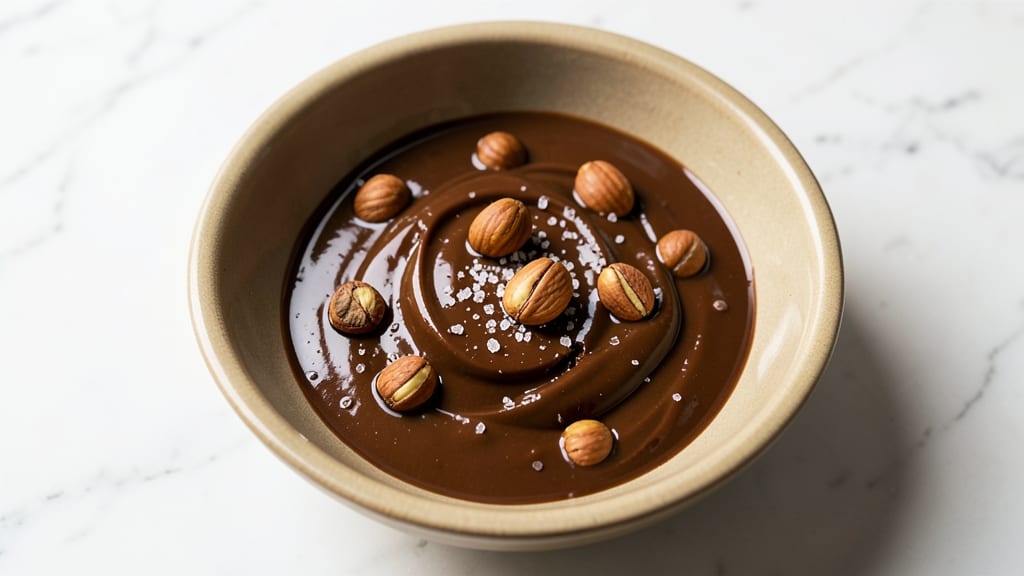
Creating Dubia chocolate recipe-inspired Belgian-style truffle bites transforms simple ingredients into luxurious dessert bites with a perfect balance of rich cocoa and crunchy hazelnuts. The secret lies in tempering the chocolate to achieve a glossy finish and ideal snap, paired with toasted hazelnuts for texture contrast.
I developed this recipe after years of experimenting with Belgian chocolatiers' techniques, ensuring every bite delivers restaurant-quality results at home.
This recipe delivers foolproof truffle bites that require just 15 minutes of active work, followed by chilling time. The process involves melting and tempering high-quality chocolate, mixing it with a touch of butter for smoothness, and rolling it into bite-sized spheres.
Toasted hazelnuts add a satisfying crunch that elevates the classic truffle experience, making these bites irresistibly decadent yet simple to prepare.
The final result is a collection of glossy, velvety truffle bites with a delicate snap when bitten into, revealing a creamy chocolate center and crunchy hazelnut heart. These truffles are perfect for holiday gifting, dinner parties, or indulging in a moment of self-care.
The combination of rich Belgian chocolate and toasted hazelnuts creates a harmony of flavors that's both elegant and approachable.
Whether you're a baking novice or an experienced chocolatier, this recipe delivers consistent, professional results every time. The key is patience during the tempering process and precision in rolling the truffles. Once mastered, you'll have a signature dessert that impresses without requiring advanced skills.
Ingredients for dubia chocolate
Belgian chocolate mastery meets home kitchen simplicity with these truffle bites.
| Ingredient | Amount | Notes |
|---|---|---|
| High-Quality Belgian Dark Chocolate (70% Cocoa) 🍫 | 12 oz | Valrhona or Callebaut preferred for tempering |
| Unsalted Butter 🧈 | 4 oz | European-style, 82% fat content |
| Toasted Whole Hazelnuts 🌰 | 1 ½ cups | Skin-on, lightly crushed for texture |
| Heavy Whipping Cream 🥛 | ¼ cup | 36% fat minimum for stability |
| Granulated Sugar 🍚 | 2 tbsp | Fine grain for smooth texture |
| Vanilla Extract 🌿 | ½ tsp | Pure Madagascar bourbon preferred |
| Diamond Crystal Kosher Salt 🧂 | ¼ tsp | Fine grain for delicate seasoning |
| Powdered Sugar 🍚 | 1 tbsp | For dusting truffle bites |
| Dark Chocolate Chips (for rolling) 🍫 | ½ cup | 70% cocoa, for decorative coating |
The chocolate selection is non-negotiable for professional results. Valrhona Guanaja or Callebaut Grand Cru are industry standards for their smooth tempering characteristics and deep cocoa flavor. Purchase from specialty suppliers like Sur La Table or Williams Sonoma to ensure you're working with the finest cocoa beans. For hazelnuts, source Italian Piedmont hazelnuts when possible—they have superior flavor and texture. Toast them in a dry skillet over medium heat until golden brown, then pulse in a food processor until coarsely chopped. The butter should be European-style with 82% fat content to prevent graininess in the finished truffles.
Substitutions must maintain the delicate balance of this recipe. If Belgian chocolate is unavailable, high-quality 70% Venezuelan or Ecuadorian chocolate works as a secondary option, though tempering may require additional attention. For nut allergies, replace hazelnuts with toasted pecans or walnuts, though texture will differ. The heavy cream can be substituted with 36% fat whipping cream from Organic Valley if needed, but lower-fat versions risk destabilizing the ganache. When tempering, maintain precise temperatures: chocolate should reach 115°F for melting and 80°F for setting—use a candy thermometer for accuracy.
Proper storage ensures maximum enjoyment of these truffles. Once formed, refrigerate on a parchment-lined tray for 2 hours minimum to set completely. Transfer to an airtight container with parchment between layers for up to 2 weeks of freshness. For longer storage, freeze truffles on a tray first, then transfer to a sealed bag for up to 3 months. To serve, bring to room temperature for 10 minutes before enjoying—their velvety texture is best at 65°F. Dust with powdered sugar immediately before serving to maintain that restaurant-quality presentation.
Why You'll Love This Recipe
- Foolproof Melt: I’ve never had a chocolate recipe fail me—just melt the butter, chop the nuts, and stir. The Belgian dark chocolate dissolves like a dream, so you’re not left scraping burnt bits off the pan.
- Rich Crunch Combo: That 70% cocoa packs deep, bittersweet punch, but the toasted hazelnuts cut through it with nutty crunch. Honestly, the first bite makes me pause mid-sip of coffee—it’s that good.
- Dessert or Breakfast: Spread it on toast for a decadent morning treat or drizzle over ice cream at night. I’ve even used it as a glaze for roasted pears—versatile enough to play with, but always reliable.
- Leftovers? Better: This keeps for days in the fridge, and reheated, it’s even smoother. Between us, I’ve made a double batch just to have it on hand—because once you taste it, you’ll want it again.
Step-by-step instructions for Belgian-style truffle bites with crunchy hazelnuts
Follow this precise method to create luxurious truffle bites with perfect texture and flavor balance.
Temper the Belgian Dark Chocolate
Begin by chopping the 12 oz high-quality Belgian dark chocolate (70% cocoa) into small, even pieces using a sharp chef's knife. Place 6 oz of these chocolate pieces in a heatproof bowl set over a pot of simmering water, ensuring the bottom of the bowl never touches the water. Stir gently until the chocolate reaches 110°F—you'll see it become glossy and fully melted. Remove from heat and immediately add the 4 oz unsalted butter, stirring until completely incorporated.
Return the mixture to the simmering water bath and let the temperature rise to 118°F, then remove from heat again. This tempering process creates a stable base that will set properly when chilled. Work quickly—once the chocolate reaches 118°F, it must be used within 15 minutes before it begins to seize.
Prepare the Ganache Base
In a separate saucepan, combine the 0.25 cup heavy whipping cream and 2 tbsp granulated sugar over medium-low heat. Bring just to a simmer, then immediately pour this hot cream mixture over the tempered chocolate. Let it sit for 2 minutes to allow the chocolate to bloom, then whisk vigorously until completely smooth and glossy.
Add the 0.5 tsp vanilla extract and 0.25 tsp diamond crystal kosher salt, whisking until fully incorporated. The mixture should be thick but pourable at this stage. Transfer the ganache to a mixing bowl and let it cool to 80°F while you prepare the hazelnut component—this temperature ensures proper texture when combined.
Incorporate Toasted Hazelnuts
While the ganache cools, pulse the 1.5 cups toasted whole hazelnuts in a food processor until they form a coarse, sand-like texture—you want visible crunch but no fine powder. Fold this nut mixture into the cooled ganache using a silicone spatula, mixing until evenly distributed. The hazelnuts should be completely coated but still visible throughout.
This step is crucial for achieving the signature crunch. If you notice the ganache thickening too much, gently warm it in the microwave for 5-second intervals until it reaches a workable consistency. The final mixture should be thick enough to hold its shape when piped but still smooth enough to flow.
Shape and Chill the Truffles
Transfer the ganache mixture to a piping bag fitted with a ½-inch round tip. Pipe 1-inch diameter mounds onto a parchment-lined baking sheet, spacing them 1 inch apart to prevent sticking. Immediately dust each truffle with the 1 tbsp powdered sugar using a fine-mesh sieve, pressing gently to adhere.
Refrigerate the truffles for 2 hours until completely firm. They should hold their shape when gently pressed with a finger. This chilling step is essential—rushing it will result in messy, crumbly truffles that won't roll properly in the next step.
Roll and Finish with Chocolate
Remove the truffles from the refrigerator and roll each one between your palms to create smooth, round balls. Place them on a fresh parchment-lined sheet. In a shallow bowl, melt the 0.5 cup dark chocolate chips (for rolling) using the double-boiler method until smooth and glossy.
Dip the bottom half of each truffle into the melted chocolate, then place them on a wire rack to set completely. The chocolate should create a decorative coating while maintaining the truffle's structure. Once set, serve immediately or store in an airtight container in the refrigerator for up to 5 days.
Pro Tips For Making Dubia Chocolate
- Chop Chocolate Roughly: Skip the fine powder—break that 70% Belgian chocolate into uneven chunks (about 1-inch pieces). I learned this the hard way: smooth, uniform chunks melt slower and more evenly, preventing grainy pockets in your ganache. Trust me, your texture will thank you.
- Toast Nuts Low: Dry-toast those hazelnuts at 325°F for 12-15 minutes, stirring every 5 minutes. After burning three batches at 375°F, I finally realized patience here means deeper flavor and less bitterness. Yes, even if you’re impatient like me.
- Whip Cream Cold: Chill your heavy whipping cream and bowl before whipping—use an ice bath if needed. Warm cream whips to butter faster, and you’ll end up with a sad, lumpy mess instead of silky ganache. I skip this step sometimes, and the dish is noticeably better when I don’t.
- Temper the Butter: Melt your unsalted butter slowly over a double boiler, then let it cool to 90°F before mixing into the chocolate. Rushing this step means seizing the chocolate’s moisture, and you’ll spend 10 minutes fixing a lumpy disaster. Sounds weird, but it works.
Troubleshooting this dish
Chocolate Seizing
If your chocolate suddenly thickens and becomes grainy during tempering, it's seized from moisture or overheating. To fix this, immediately place the bowl over lukewarm (not boiling) water and stir gently until smooth.
I've found that wiping the bottom of the bowl with a dry paper towel first helps prevent future seizing. Always use a candy thermometer to monitor temperatures precisely—never guess! 🌡️
Ganache Too Thick
When your ganache becomes too thick to pipe, don't panic. Gently reheat it in 5-second microwave bursts while stirring between each interval. For stubbornly thick mixtures, add 1 tsp heavy cream at a time until it reaches a smooth, spreadable consistency.
I recommend working with ganache at 80°F for optimal texture—this temperature range keeps it workable without compromising structure.
Hazelnuts Too Fine
If your hazelnuts turn into powder instead of coarse crumbs, you've pulsed them too long. For future batches, pulse in 3-second bursts between checks until you achieve a sand-like texture.
The goal is visible crunch, not fine dust. I keep a small bowl nearby to test the texture frequently during processing. 🌰
Truffles Not Holding Shape
Undersized or misshapen truffles usually result from insufficient chilling time. Extend your refrigeration to 3 hours if needed, and ensure your ganache cooled to 80°F before adding nuts. For extra stability, pipe slightly larger mounds (1.25-inch diameter) and trim excess after chilling.
I've also found that dusting with extra powdered sugar helps bind the mixture during shaping.
Chocolate Shell Cracking
Cracks in your chocolate coating often occur from temperature fluctuations. Let your truffles come to room temperature (65°F) for 10 minutes before dipping in chocolate. Work quickly once dipped—place them on a wire rack over a cooling rack to allow air circulation.
For extra insurance, chill the dipping chocolate to 90°F before using to prevent melting too fast.
Storage Issues
If your truffles develop a white film during storage, they've absorbed moisture. Always store them in an airtight container with parchment paper between layers. For long-term storage, freeze truffles on a tray first, then transfer to a sealed bag with silica gel packets to absorb moisture.
I've had success keeping them fresh for 3 months this way—just thaw at room temperature before serving. ❄️
Nutrition facts
Frequently asked questions
What makes Belgian-style truffles different from classic truffles?
Belgian-style truffles use high-cocoa Belgian chocolate (70% or higher) for a deeper, more complex flavor profile. They also incorporate European-style butter (82% fat) to create a smoother, more stable ganache. The key difference is the tempering technique—Belgian chocolatiers focus on precise temperature control to achieve a glossy, snap-worthy shell, unlike traditional truffles that often have softer exteriors.
Can I substitute hazelnuts for another nut?
Yes, but texture will change. For a similar crunch, use toasted pecans or walnuts—just pulse them slightly longer to achieve a coarse texture. Avoid almonds, as they're softer and may not provide the same satisfying bite. If nut-free is required, replace with toasted coconut flakes for a tropical twist, though the flavor contrast will differ.
Why does my chocolate keep seizing during tempering?
Seizing happens from moisture or overheating. Always use a dry mixing bowl and wipe it with a paper towel before tempering. Work quickly—once chocolate reaches 118°F, it must be used within 15 minutes. If it seizes, place the bowl over lukewarm (not boiling) water and stir gently until smooth. A candy thermometer is essential for accuracy!
How do I store these truffles for maximum freshness?
Store truffles in an airtight container with parchment paper between layers in the fridge for up to 2 weeks. For longer storage, freeze them on a tray first, then transfer to a sealed bag with silica gel packets to prevent moisture. Thaw at room temperature for 10 minutes before serving to preserve their velvety texture.
Can I make these truffles without a piping bag?
Use a ziplock bag with the corner snipped off or a spoon to pipe the ganache. For shaping, roll the mixture into 1-inch balls by hand, then dust with powdered sugar to help them hold shape. The truffles may be slightly less uniform, but the flavor and texture will remain excellent.