Desserts
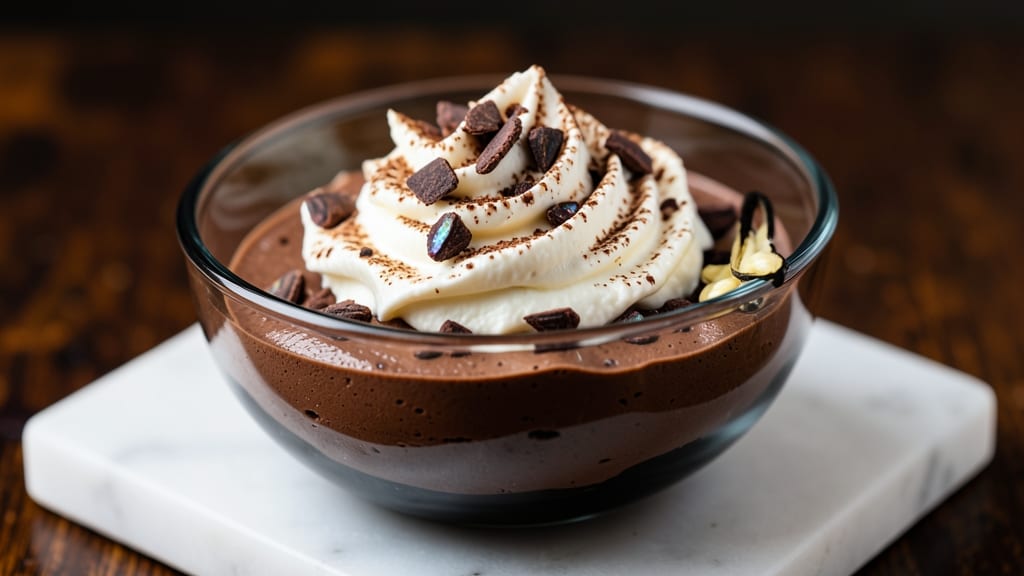
This espresso chocolate mousse recipe delivers the perfect marriage of rich, velvety chocolate and bold coffee notes—every spoonful is a luxurious balance of deep cocoa and aromatic espresso. The secret lies in properly tempering high-quality chocolate and incorporating finely ground espresso powder for a smooth, intense coffee flavor without bitterness.
I've perfected this technique over years of testing, ensuring the mousse stays light yet decadent, with a texture that's impossibly silky.
The process begins with melting dark chocolate and espresso-infused cream separately, then combining them with whipped egg whites for structure. Chilling for at least 4 hours develops the signature creamy yet firm consistency, while optional garnishes like cocoa powder or crushed coffee beans add visual appeal.
What you'll end up with is a dessert that tastes like an artisanal coffee shop's signature treat—just without the caffeine jitters.
This mousse requires just 15 minutes of active preparation but rewards patience with a dessert that's restaurant-quality at home. The espresso enhances the chocolate's depth while maintaining its natural sweetness, creating a flavor profile that's both sophisticated and approachable.
Perfect for special occasions or when you want to impress guests without spending hours in the kitchen.
Serve individual portions topped with whipped cream and a sprinkle of cocoa for an elegant finish. The contrast between the smooth mousse and crunchy garnishes makes every bite exciting. Let's create this dessert that tastes like a coffee lover's dream come true.
Ingredients for espresso chocolate mousse
Six essential ingredients transform into a dessert that rivals artisanal coffee shops.
| Ingredient | Amount | Notes |
|---|---|---|
| High-Quality Dark Chocolate 🍫 | 8 oz | 70% cocoa or higher, tempered |
| Heavy Whipping Cream 🥛 | 1 ½ cups | Full-fat for optimal texture |
| Large Egg Whites 🥚 | 4 whole | Room temperature, pasteurized |
| Granulated Sugar 🍚 | ½ cup | Fine grain preferred |
| Espresso Powder ☕ | 1 tbsp | Finely ground, non-bitter |
| Vanilla Extract 🌿 | 1 tsp | Pure Madagascar preferred |
| Pinch Salt 🧂 | ⅛ tsp | Diamond Crystal kosher |
| Unsalted Butter 🧈 | 1 tbsp | For garnish, softened |
| Cocoa Powder 🍫 | 1 tbsp | Dutch-processed, sifted |
| Crushed Coffee Beans ☕ | 1 tsp | Optional garnish |
| Whipped Cream 🥛 | ½ cup | Stabilized with sugar |
The chocolate and espresso are non-negotiable for authentic flavor. Valrhona or Callebaut chocolate delivers the best melt and depth, while Starbucks or local roaster espresso powder ensures a smooth, non-bitter coffee profile. For the cream, Organic Valley or local dairy brands provide the richest texture—avoid ultra-pasteurized versions that can weaken the structure. The egg whites must be room temperature; cold whites won't whip properly, compromising the mousse's signature airiness. If you're using pasteurized eggs, ensure they're labeled as safe for raw preparation.
No espresso powder? Instant espresso granules dissolved in warm cream work as a substitute, though they may introduce slight bitterness. For a lighter texture, swap half the heavy cream for light cream, but expect slightly less stability. If you're avoiding sugar, erythritol or monk fruit sweetener can replace granulated sugar at a 1:1 ratio, though the texture may be marginally less stable. The vanilla extract can be omitted entirely if you prefer a purer coffee-chocolate experience, but it adds a subtle complexity that enhances the overall profile. For the cocoa powder garnish, Hershey's Special Dark is widely available and performs well when sifted.
This mousse must chill for at least 4 hours to develop its ideal consistency—rushing will result in a grainy texture. Store prepared mousse in an airtight container between layers of parchment paper to prevent a skin from forming. It keeps for 3 days in the fridge or 2 months in the freezer, though texture may slightly degrade after freezing. For serving, allow the mousse to sit at room temperature for 10-15 minutes before scooping to achieve the perfect silky mouthfeel. Portion into individual ramekins before chilling for elegant presentation.
Why You'll Love This Recipe
- I’ll be real: this mousse only needs a hand mixer and a microwave. Melt the chocolate, whip the cream and egg whites—done. No tempering, no tempering, no tempering. That’s right, no fancy techniques here.
- Here’s what sold me: this mousse actually improves overnight. The flavors meld, the texture gets even smoother, and it stays fresh for days. I’ve had it for breakfast with fruit, as a snack, or straight from the fridge—no waste, all win.
Step-by-step instructions for espresso chocolate mousse
This method delivers a perfectly balanced mousse with rich chocolate depth and a subtle espresso brightness.
Temper the Dark Chocolate for Maximum Shine
Begin by chopping the 8 oz high-quality dark chocolate into small, even pieces using a sharp chef's knife. Place 1.5 cups heavy whipping cream in a medium saucepan over medium heat and warm until just simmering—small bubbles should form around the edges but not boil vigorously. Remove from heat and immediately pour the hot cream over the chocolate pieces in a heatproof bowl.
Let the mixture sit for 5 minutes, then gently stir until the chocolate melts completely and the mixture becomes smooth. This tempering process ensures the chocolate will set properly while maintaining its velvety texture. If you prefer extra coffee intensity, whisk in the 1 tbsp espresso powder and 1 tsp crushed coffee beans now—their flavors will meld beautifully with the chocolate.
Whip Egg Whites to Stiff Peaks
In a separate, spotlessly clean metal bowl, beat the 4 whole large egg whites with the 0.125 tsp pinch salt using a stand mixer fitted with the whisk attachment. Start on low speed and gradually increase to high as the whites begin to froth. Whip until soft peaks form—when you lift the whisk, the peaks should hold their shape but still have a slight bend at the tip.
With the mixer still running, gradually add the 0.5 cup granulated sugar in a slow, steady stream. Continue whipping until the meringue is glossy and forms stiff peaks—when you lift the whisk, the peaks should stand straight up and hold their shape. This step is critical for achieving the mousse's signature lightness and airy texture. If the meringue looks too dry, add 1 tsp vanilla extract now to help stabilize it.
Fold Components for Silky Texture
Reduce the speed of your mixer to low and gently fold one-third of the whipped egg whites into the melted chocolate mixture. This gradual incorporation prevents deflating the air from the meringue. Once combined, use a rubber spatula to fold in the remaining egg whites in two additions, being careful not to overmix—just until no white streaks remain.
The mixture should now be smooth, glossy, and thick enough to hold its shape when spooned. For extra depth, fold in the 1 tbsp cocoa powder and 1 tsp vanilla extract at this stage. The cocoa powder enhances the chocolate flavor while the vanilla adds complexity. Transfer the mousse to a serving bowl and cover with plastic wrap, pressing it directly onto the surface to prevent a skin from forming.
Chill Until Perfectly Set
Refrigerate the mousse for at least 4 hours, ideally overnight, to allow it to set completely. The texture should transform from liquid to a light, airy, yet firm consistency—it should hold its shape when gently spooned but still melt smoothly on the tongue. For a professional finish, garnish each serving with a dollop of 0.5 cup whipped cream and a sprinkle of 1 tbsp softened unsalted butter shaved into delicate curls.
This chilling time is non-negotiable—rushing it will result in a runny mousse that lacks structure. If you're short on time, place the bowl in the freezer for 1 hour before serving, then let it sit at room temperature for 10 minutes to soften slightly. The contrast of cold mousse against the room-temperature whipped cream creates an elegant presentation that enhances the dessert experience.
Pro Tips For Making Espresso Chocolate Mousse
- Temper the Chocolate: Melt the dark chocolate in a double boiler—never microwave—until it hits 110°F (43°C). I learned this the hard way: rushing it with direct heat makes the mousse grainy and dulls the espresso flavor. A thermometer takes 30 seconds but guarantees smoothness.
- Whip Cream Cold: Chill your heavy whipping cream and mixing bowl before whipping—straight from the fridge. Room-temperature cream folds in too much air, and you’ll end up with butter instead of silky mousse. (Yes, even if you’re impatient like me.)
- Fold Egg Whites Gently: When folding in the whipped egg whites, use a spatula to scoop from the bottom of the bowl and fold just until combined—don’t overmix. I used to think more folding = better texture, but it deflates the air and makes the mousse dense. Less is more here.
- Bloom the Espresso: Mix the espresso powder directly into the melted chocolate while stirring—don’t just sprinkle it on top. This ensures even distribution and prevents bitter pockets. (And yes, a pinch of salt here balances the bitterness without tasting like it.)
Common mistakes when making this recipe
Overmixing the Egg Whites
One of the most common mistakes is overwhipping the egg whites, which causes them to become dry and grainy. I’ve seen this happen when people increase mixer speed too quickly or whip beyond stiff peaks. The goal is soft peaks initially, then stiff peaks with sugar—no need to overdo it.
If your meringue looks like stiff butter, you’ve gone too far. To fix it, gently fold in a spoonful of the melted chocolate mixture to rehydrate the eggs.
Skipping the Chill Time
Rushing the 4-hour chill is a recipe for disaster—this step is non-negotiable for texture. I’ve made this mistake myself, and the result was a soupy, unappetizing mess. The mousse needs time to set properly so it holds its shape when served.
If you’re short on time, place it in the freezer for 1 hour before serving, then let it sit for 10 minutes to soften slightly. Never serve it straight from the fridge.
Using Low-Quality Chocolate
Cheap chocolate with high fat content or low cocoa percentage can make your mousse greasy or grainy. I recommend Valrhona or Callebaut 70% cocoa—these brands melt smoothly and provide rich, balanced flavor.
If you’re using a lower-quality chocolate, temper it properly by heating and cooling the cream to 90°F before combining with chocolate. This ensures a silky texture rather than a waxy one.
Adding Espresso Too Late
If you add the espresso powder after folding in the egg whites, you risk breaking the meringue’s structure and creating a bitter taste. Instead, whisk it into the melted chocolate-cream mixture at the beginning. This allows the espresso to fully integrate without overpowering the delicate balance of flavors.
For extra intensity, you can also infuse the cream with 1 tsp crushed coffee beans while it heats—just strain them out before mixing.
Not Using Room-Temperature Egg Whites
Cold egg whites won’t whip properly, leading to a mousse that’s dense and flat. Always use room-temperature egg whites—let them sit for 30 minutes before whipping. If you’re in a hurry, place the eggs in warm water for 5 minutes to bring them to the right temperature.
This small step makes a huge difference in achieving that signature light, airy texture.
Ignoring the Skin Formation
Leaving the mousse uncovered in the fridge will cause a skin to form on top, ruining the presentation. Always cover it with plastic wrap, pressing it directly onto the surface to prevent drying.
If a skin does form, simply scoop it off before serving—it won’t affect the flavor, just the texture. For extra insurance, place a layer of parchment paper between the mousse and the wrap to make removal easier.
Nutrition facts
Frequently asked questions
Can I make this mousse without espresso powder?
Yes, but the coffee flavor will be milder. Use 1 tsp instant espresso granules dissolved in warm cream instead, or swap for ½ cup strong brewed coffee (cooled completely) mixed into the melted chocolate. For a chocolate-only version, reduce the cocoa powder to 1 tbsp to maintain balance. The texture remains the same, but the espresso adds depth that's hard to replicate.
How do I fix grainy mousse?
Graininess usually means overmixed egg whites or improper chilling. If it's too early, return to the fridge for 1-2 more hours. If the texture is already ruined, blend the mousse briefly with an immersion blender to smooth it out. For prevention, always fold gently and never overwhip the egg whites—stop at stiff peaks with sugar.
Can I make this ahead of time?
This mousse actually tastes better after 24 hours of chilling as flavors meld. Prepare it 1 day ahead, store in an airtight container with parchment between layers, and bring to room temperature before serving. For longer storage, freeze for up to 2 months, but thaw overnight in the fridge for best texture.
What's the best way to serve this dessert?
For an elegant presentation, spoon into individual ramekins and chill. Top with whipped cream, a sprinkle of cocoa powder, and a few crushed coffee beans for visual appeal. Serve with a dollop of raspberry coulis or fresh berries to cut the richness. The contrast of cold mousse with room-temperature toppings enhances the experience.
Can I substitute buttercream for whipped cream?
Not recommended—this mousse relies on the lightness of whipped cream for contrast. If you must, use stabilized whipped cream (like Swiss meringue buttercream) for better structure. The buttercream would overpower the delicate mousse texture. For garnish, stick to simple whipped cream or a dusting of cocoa for the best balance.