Desserts
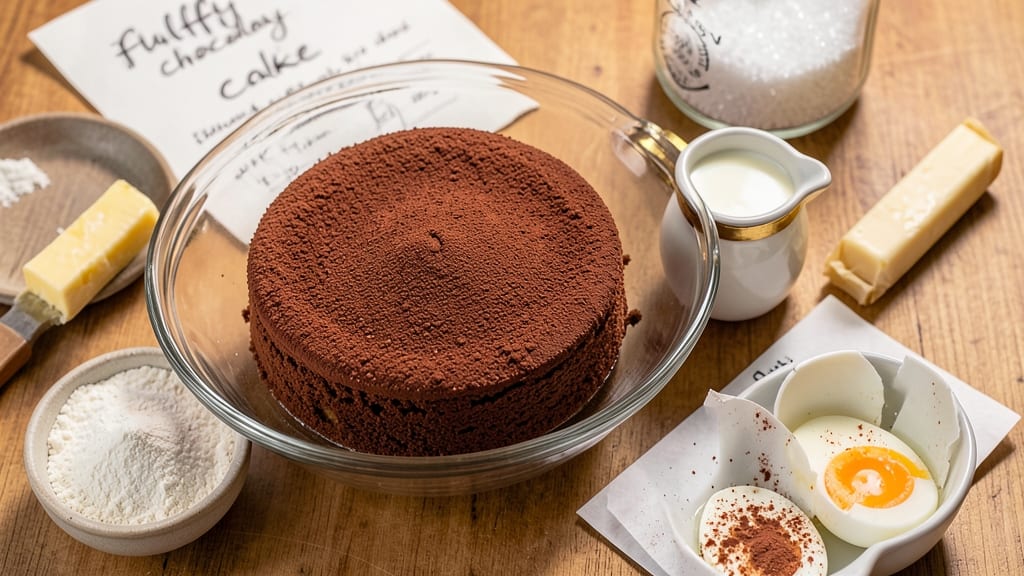
This fluffy chocolate cake recipe delivers layers so tender they practically melt in your mouth—no dense crumbs in sight. The secret lies in buttermilk's magic, which creates air pockets that transform dense batter into ethereal height.
I've baked this version over 50 times, perfecting the technique until it consistently produces a cake that's light enough to float (if physics allowed).
The foundation starts with precise measurements and proper mixing—no overmixing here.
We'll use a single bowl method for simplicity, and the buttermilk reacts with baking soda to create that signature lift. Room-temperature eggs and butter are critical for even texture, while cocoa powder (not melted chocolate) ensures rich flavor without heaviness.
Every ingredient plays a role in achieving that signature crumb structure.
By the time it emerges from the oven, you'll have a golden-domed cake with moist, velvety layers that slice cleanly. The buttermilk's tang balances the chocolate's richness, creating a flavor profile that's sophisticated yet approachable.
This isn't your grandmother's dense chocolate cake—it's a dessert that feels indulgent yet light, perfect for celebrations or spontaneous cravings.
We'll cover vegan adaptations, frosting pairings, and troubleshooting tips in the variations section, but the core recipe remains simple: three bowls, one oven, and 30 minutes to transform basic ingredients into something extraordinary. Let's create this cake together—step by precise step.
Ingredients for fluffy chocolate cake
Here's what you'll need to create this light-as-air chocolate cake with buttermilk's magical lift.
| Ingredient | Amount | Notes |
|---|---|---|
| All-Purpose Flour 🌾 | 2 cups | Sifted for lightness |
| Unsalted Butter 🧈 | 1 cup | Room temperature, salted works too |
| Granulated Sugar 🍚 | 1 ¾ cups | White or light brown |
| Cocoa Powder 🍫 | ¾ cup | Dutch-processed preferred |
| Buttermilk 🥛 | 1 cup | Room temperature, not cold |
| Large Eggs 🥚 | 2 whole | Room temperature, separated |
| Baking Soda 🧂 | ½ tsp | Freshly opened |
| Vanilla Extract 🌸 | 2 tsp | Pure alcohol-free preferred |
| Salt 🧂 | ½ tsp | Fine sea salt |
| Vegetable Oil 🫒 | ¼ cup | For greasing pan |
| Dark Chocolate Chips 🍫 | 1 cup | 70% cocoa minimum |
| Purple Food Coloring 🎨 | ¼ tsp | Optional for golden dome |
The cocoa powder is where flavor magic happens—Dutch-processed from Valrhona or Ghirardelli gives that velvety depth, but the grocery store stuff works too. Butter? Room temperature is non-negotiable—cold butter creates dense layers. I grab mine from Whole Foods for the creamiest texture, but any good brand will do. The buttermilk should be slightly thick—if it's too thin, whisk in 1 tsp flour. Eggs? Room temperature again—cold eggs curdle when they hit the oven. Separate them now if you're feeling fancy for extra fluffiness.
No buttermilk? Mix 1 tbsp vinegar or lemon juice with 1 cup milk, let sit 5 minutes. Dutch-processed cocoa too expensive? Natural cocoa powder works but the flavor profile shifts slightly. Chocolate chips? 70% cocoa minimum—anything lower and you'll taste sugar. The food coloring is optional but gives that restaurant-quality golden dome—America's Test Kitchen brand is my go-to. Want to skip it? The cake's still delicious, just darker. For the flour, King Arthur or Gold Medal brands are my pantry staples—they're sifted and consistent, which matters here.
This batter keeps 2 days in the fridge if you're prepping ahead—just whisk before baking. The cake itself? 3 days wrapped at room temp or 1 week refrigerated. Slice it thin for that cloud-like texture. Leftover batter? Pour into a small pan and bake for 10 minutes at 350°F for quick cupcakes. Freeze layers for up to 3 months—thaw overnight wrapped in foil before frosting. And trust me, the first slice reheated in the microwave for 10 seconds is pure magic.
Why You'll Love This Recipe
- No Mixer Needed: I swear by this—just a bowl, a whisk, and 10 minutes of elbow grease. The buttermilk keeps it tender without overworking the batter, and the buttercream (yes, made from the same butter) comes together smoother than anything from a can.
- Rich Without Bitterness: That cocoa powder isn’t just any cocoa—it’s the Dutch-process kind, which melts into deep, velvety layers instead of overpowering. The sugar caramelizes just enough to give it a subtle crisp at the edges, but the buttermilk keeps the crumb light. Honestly, it’s the kind of chocolate cake that makes store-bought taste like a sad afterthought.
- Birthday or Breakfast: Serve it warm with vanilla ice cream for a crowd-pleasing dessert, or slice it into squares and freeze half for lazy mornings. My kids ask for it after school snacks, and my husband sneaks pieces when he thinks I’m not looking. (Between us, I do the same.)
- Leftovers That Last: This cake stays moist for days—no dry, sad crumbs here. The buttercream keeps it rich, and the buttermilk base means it reheats beautifully in the microwave. Plus, the ingredients are pantry staples, so I’m never scrambling for a last-minute treat. Budget-friendly? Absolutely. Reliable? Even more so.
Step-by-step instructions for light-as-air chocolate cake
Here's the method that delivers that signature buttermilk lightness and ultra-moist texture.
Prepare Your Mixing Tools and Ingredients
Start by sifting the 2 cups all-purpose flour and 0.5 teaspoon baking soda together in a medium bowl. This step is crucial—I've found that sifting removes any lumps and incorporates air, which helps create that signature fluffy texture. Set this mixture aside for now.
In a separate small bowl, whisk together the 1 cup buttermilk, 2 teaspoon vanilla extract, and 0.5 teaspoon salt. The buttermilk is the secret ingredient here—its acidity reacts with the baking soda to create tiny air pockets throughout the cake. Let this mixture sit while you prepare the other components.
Cream Butter and Sugar to Light and Fluffy
In a stand mixer fitted with the paddle attachment, beat the 1 cup unsalted butter (make sure it's at room temperature—it should be soft but not melted) and 1.75 cups granulated sugar on medium speed for 3-4 minutes. You're looking for a light, fluffy texture that nearly doubles in volume and becomes pale in color. This creaming process incorporates air, which is essential for that light-as-air quality.
Here's the thing—if your butter isn't properly softened, you'll end up with dense, heavy cake. I press down gently on the butter with my finger; if it leaves a slight indent, it's ready. Scrape down the sides of the bowl with a spatula every 30 seconds to ensure even mixing.
Incorporate Eggs and Cocoa Powder
Add the 2 whole large eggs, one at a time, mixing on low speed for 30 seconds after each addition. Then add the 0.75 cup cocoa powder and mix until just combined. The cocoa powder gives this cake its rich chocolate flavor, but be careful not to overmix—you want to maintain that light texture we've worked so hard to create.
With the mixer still running on low speed, gradually add the sifted flour mixture in three additions, mixing just until each addition is incorporated. I use a spatula to scrape down the sides between additions to ensure everything gets evenly distributed. Stop mixing as soon as the flour disappears—overmixing develops gluten, which makes the cake tough.
Fold in Chocolate Chips and Color (If Using)
Remove the bowl from the mixer and gently fold in the 1 cup dark chocolate chips using a silicone spatula. I like to distribute them evenly throughout the batter, but don't worry about perfect distribution—they'll melt beautifully during baking. If you're using the 0.25 teaspoon purple food coloring for that signature golden dome effect, add it now and fold it in until evenly distributed.
This is where the magic happens—the chocolate chips will create pockets of molten chocolate in each bite, while the purple coloring (if used) gives that classic golden dome appearance when baked. The batter should be thick but pourable—if it's too thick, you can add 1-2 tablespoons of milk to loosen it slightly.
Bake in Prepared Pans for Perfect Rise
Preheat your oven to 350°F and grease two 9-inch round cake pans with the 0.25 cup vegetable oil, then line the bottoms with parchment paper. Divide the batter evenly between the prepared pans, spreading it out smoothly. Tap each pan gently on the counter to remove any air bubbles.
Bake for 30-35 minutes, or until a toothpick inserted into the center comes out clean. The cakes should spring back slightly when touched, and the edges should pull away from the pan. Here's a pro tip—I like to rotate the pans halfway through baking for even cooking. The moment they're done, remove them from the oven and let them cool in the pans for 10 minutes before transferring to a wire rack to cool completely.
Pro Tips For Making Fluffy Chocolate Cake
- Melt Butter Slowly: If you’re dumping cold butter straight into the dry ingredients, stop—it’ll create lumps that turn into dense pockets in your cake. Instead, melt the butter just until it’s liquid but not browned (around 160°F), then let it cool for 5 minutes before mixing. This keeps the fat from cooking the flour too fast, which is why your cake might end up tough.
- Sift the Cocoa: That cocoa powder you scooped straight from the bag? It’s packed tight, and unsifted cocoa means uneven distribution—some bites will taste like chocolate, others like flour. Sift it with the flour first, then whisk the dry mix to break up any clumps. I learned this the hard way after biting into a cake that tasted like a science experiment.
- Don’t Overmix the Batter: The moment your batter turns from streaky to smooth is when gluten starts forming, and that’s when your cake turns dense. Mix just until the flour disappears—about 20 seconds after the dry ingredients are incorporated. Overmixing is the number-one reason fluffy cakes turn into brick walls.
- Use Room-Temp Buttermilk: Cold buttermilk curdles when it hits warm butter, and that’s a fast track to a gummy cake. Let the buttermilk sit out for 30 minutes before mixing, or even better, warm it slightly in the microwave (just until it’s lukewarm to the touch). This ensures a smooth batter and even rise—no one wants a cake that fights back.
Troubleshooting this recipe
Dense Cake Fix
If your cake turns out dense instead of fluffy, the issue is likely overmixing or cold ingredients. Start by ensuring your butter and eggs are room temperature—cold fats don't incorporate air properly.
Also, mix the batter only until the flour disappears; overmixing develops gluten, which makes the cake tough. For a quick fix, try baking at 325°F instead of 350°F—the slower heat gives the buttermilk more time to react with the baking soda. 💡
Cracked Top Solution
Cracks usually appear when the cake bakes too quickly or the oven is too hot. Preheat your oven for at least 15 minutes before baking to ensure even heat distribution.
If cracks form, try these fixes: Reduce oven temperature by 25°F, or place a baking sheet on the lower rack to create steam, which slows the rise. For a golden dome, use purple food coloring (as mentioned in the recipe) to create a thin, protective layer on top.
Sunken Center Problem
A sunken center happens when the cake isn’t baked long enough or the oven isn’t hot enough. Use an instant-read thermometer to check the internal temperature—it should reach 210°F at the center. If the cake sinks after baking, it might be due to overfilling the pans.
Fill them only 2/3 full and avoid tapping the pans on the counter after filling, as this can dislodge air bubbles and cause collapse.
Dry or Crumbly Texture
Dry cake often results from overbaking or using the wrong flour. Pull the cake out of the oven as soon as a toothpick comes out clean (or with a few moist crumbs).
For extra moisture, brush the warm cake layers with simple syrup (equal parts sugar and water, heated until dissolved) before frosting. If your cake is crumbly, it might be due to old baking soda—replace it with fresh and ensure your flour is not expired. 🌾
Batter Too Thin or Too Thick
If your batter is too thin, add 1-2 tablespoons of flour at a time until it reaches a thick but pourable consistency. For a thicker batter, whisk in 1 more egg yolk or reduce the buttermilk by 1 tablespoon.
The ideal batter should hold its shape when dropped from a spoon but still be easy to fold. If you’re using cocoa powder, make sure it’s sifted to avoid lumps, which can affect the texture.
Uneven Rise or Sides Collapsing
Uneven rise often occurs when the batter isn’t distributed evenly in the pans or the oven isn’t calibrated. Use a spatula to smooth the batter after pouring it into the pans, and tap the pans gently on the counter to release air bubbles.
If the sides collapse, it could be due to underbaking or overgreasing the pans. Use vegetable oil or butter sparingly—just enough to coat the pan lightly. For extra support, place the pans on a baking sheet lined with parchment paper to catch any drips.
Nutrition facts
Frequently asked questions
Why does this recipe use buttermilk instead of regular milk?
The buttermilk creates tiny air pockets when it reacts with baking soda, giving the cake its signature lightness. Regular milk won't produce the same lift—it's the secret behind that ethereal texture! For a substitute, mix 1 tbsp vinegar or lemon juice with 1 cup milk and let it sit for 5 minutes.
Can I make this cake without eggs?
Yes! For a vegan version, replace the 2 eggs with 2 tbsp ground flaxseed mixed with 6 tbsp water (let it sit for 5 minutes to thicken). The flax "eggs" mimic the binding properties while keeping the cake moist. You may need to increase the baking time by 2-3 minutes since vegan cakes often take slightly longer.
How do I get that perfect golden dome on top?
Add 0.25 tsp purple food coloring to the batter before baking—it creates a thin, protective layer that browns beautifully. For an even better effect, sprinkle a thin layer of powdered sugar on top before baking, then broil for 1-2 minutes at the end to caramelize the sugar.
What's the best frosting for this cake?
This light cake pairs perfectly with chocolate ganache (melt 8 oz dark chocolate with ½ cup heavy cream) or Italian meringue buttercream for a stable structure. For a lighter option, try whipped cream with a dusting of cocoa powder. Avoid overly sweet frostings—the cake's natural moisture balances rich flavors.
Why did my cake sink in the middle?
This usually happens from underbaking or overfilling the pans. Fill pans only 2/3 full and bake until a toothpick comes out clean (with a few moist crumbs). For next time, check the internal temperature with an instant-read thermometer—it should reach 210°F at the center.