Desserts
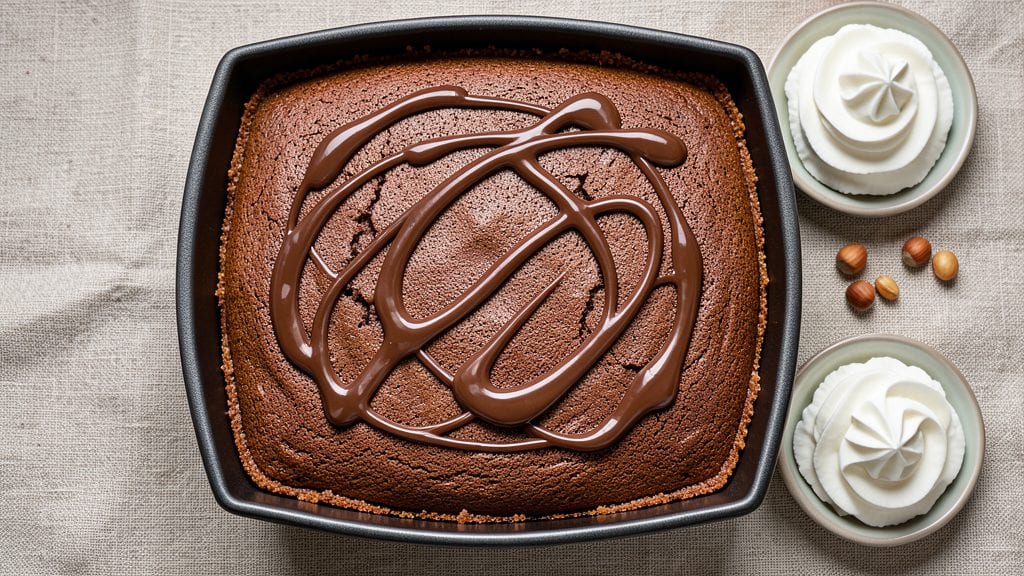
This Hershey chocolate powder cake recipe delivers the deep, rich cocoa flavor you crave with one-bowl simplicity—no fancy techniques required. The secret lies in properly dissolving the chocolate powder into the wet ingredients first, ensuring every bite is moist and packed with that signature Hershey taste.
I've baked this cake dozens of times, and it never fails to impress with its velvety texture and perfect rise.
What makes this recipe work is the foolproof method of mixing dry ingredients separately before combining them with the wet mixture. The Hershey chocolate powder is the star here, but it's the butter and sour cream that keep the cake tender and rich rather than dense.
Baking at 350°F ensures even cooking, while the precise ingredient ratios guarantee a cake that's light yet fudgy—just like a classic chocolate cake should be.
By the time you pull it from the oven, you'll have a deeply chocolatey cake with a crackly top and moist interior that stays fresh for days. The chocolate flavor is intense but balanced, making it perfect for birthdays, dessert nights, or whenever you need a chocolate fix.
Whether you serve it plain, with a dusting of powdered sugar, or topped with chocolate frosting, it's always a crowd-pleaser.
This recipe is designed for effortless baking—no fancy equipment, no complicated steps, just a bowl, a whisk, and your favorite mixing tools. The one-bowl method cuts down on cleanup, and the ingredients are likely already in your pantry. Let's get baking!
Ingredients for hershey chocolate powder cake
Pantry staples and a few key ingredients create this deeply rich, moist chocolate cake.
| Ingredient | Amount | Notes |
|---|---|---|
| Hershey's Cocoa Powder 🍫 | ½ cup | Unsweetened, high-quality cocoa |
| All-Purpose Flour 🌾 | 2 cups | Sifted for even texture |
| Granulated Sugar 🍚 | 2 cups | White or light brown |
| Unsalted Butter 🧈 | 1 cup | Room temperature, full-fat |
| Sour Cream 🥛 | ½ cup | Full-fat for moisture |
| Large Eggs 🥚 | 2 whole | Room temperature, fresh |
| Vanilla Extract 🌿 | 2 tsp | Pure, high-quality extract |
| Baking Soda 🧂 | ½ tsp | Pure, not baking powder |
| Salt 🧂 | ½ tsp | Fine sea salt |
| Hot Water 💧 | ½ cup | Freshly boiled and cooled |
| Vegetable Oil 🫒 | ¼ cup | Light, neutral flavor |
The Hershey's cocoa powder is non-negotiable here—it delivers that signature Hershey flavor. Ghirardelli or Dutch-processed cocoa can substitute, but the taste won’t be identical. For the butter, Land O’Lakes or Plugrá brands work best when softened to room temperature. Sour cream adds moisture, so full-fat is essential—low-fat versions won’t yield the same rich texture. The eggs should be at room temperature to blend smoothly into the batter. If you’re in a hurry, place them in warm water for 5 minutes. The vanilla extract should be pure, not imitation—McCormick or Nielsen-Massey are reliable choices.
No sour cream? Plain Greek yogurt works in a pinch, but the cake will be slightly tangier. Running out of baking soda? Baking powder at 1.5 times the amount can substitute, but the texture may vary. For a deeper chocolate flavor, add 1 tbsp instant espresso powder to the dry ingredients. The hot water is critical—it helps dissolve the cocoa powder completely, ensuring a smooth batter. If you don’t have hot water, microwave 0.5 cup water for 30 seconds to simulate the effect. The vegetable oil keeps the cake tender, so don’t substitute with butter or shortening—the moisture balance will be off.
This cake keeps beautifully for 3-4 days at room temperature, wrapped tightly in plastic wrap. For longer storage, refrigerate for up to 1 week or freeze for 3 months. To reheat, wrap a slice in a damp paper towel and microwave for 10-15 seconds. The cake reheats best when slightly stale—it’s worth letting it sit at room temperature for a few hours before slicing for the first time. Store the dry ingredients (flour, sugar, cocoa, baking soda, salt) in airtight containers to preserve freshness.
Why You'll Love This Recipe
- One-Bowl Wonder: I swear by this recipe when I’m in a rush—just toss everything into one bowl, mix, and bake. No fancy steps, no extra dishes, and honestly? The cake still turns out rich and moist every time.
- Sour Cream Secret: That tangy sour cream keeps the cake tender and fudgy, not dry. Mixing it into the batter gives it this just-right texture—like a hug for your taste buds, but in cake form.
- Birthday Party Ready: Slice it for a crowd, or save it for your own dessert emergency. Between us, this cake’s so good that even my picky-eater brother asks for seconds. (Yes, even on a Tuesday night.)
- Budget-Friendly Luxury: Hershey’s cocoa and basic pantry staples make this a steal. A single batch feeds six, and leftovers? They last days—if they last that long, with how fast it disappears.
Step-by-step instructions for Hershey chocolate powder cake
A single-bowl approach yields rich, moist layers with deep cocoa flavor—no mixer required.
Melt Butter and Mix Dry Ingredients
In a large mixing bowl, combine the 1 cup unsalted butter and 0.5 cup vegetable oil. Microwave in 20-second intervals until the butter is completely melted and the mixture reaches 140°F—just warm enough to blend smoothly without scalding the eggs. Let it cool for 2 minutes to prevent cooking the eggs later.
In a separate bowl, whisk together the 2 cups all-purpose flour, 0.5 cup Hershey's cocoa powder, 0.5 tsp baking soda, and 0.5 tsp salt. Sift the dry ingredients directly into the melted butter mixture to eliminate lumps. This creates a smooth base for even baking and prevents dense pockets in the cake.
Incorporate Wet Ingredients
Add the 2 cups granulated sugar to the butter mixture and whisk until fully dissolved and the sugar crystals disappear. The mixture should lighten slightly—this indicates proper aeration for a tender crumb. Next, stir in the 2 whole large eggs one at a time, mixing just until each is fully incorporated.
In a small bowl, combine the 0.5 cup sour cream with the 2 tsp vanilla extract. This step ensures the vanilla is evenly distributed and prevents overmixing when added later. Gradually pour the sour cream mixture into the wet ingredients while whisking gently to maintain air pockets. The batter should be thick but pourable—if it's too stiff, add 1 tablespoon hot water at a time until smooth.
Add Hot Water for Moisture
Pour the 0.5 cup hot water into the batter in a slow, steady stream while whisking continuously. The hot water activates the baking soda, creating lift and ensuring the cake rises properly. The batter will become slightly thinner, but don't overmix—stop as soon as it's uniform. Overworking develops gluten, leading to a tougher texture.
At this stage, the batter should have a thick, fudgy consistency with a rich chocolate hue. If it looks too thin, add 1 tablespoon all-purpose flour to restore structure. The goal is a batter that holds its shape when dropped from a spoon but still flows easily into the pan.
Bake to Perfect Moisture
Preheat your oven to 350°F and grease a 9-inch round cake pan or line it with parchment paper. Pour the batter evenly into the prepared pan and smooth the top with a spatula. Bake for 30-35 minutes, or until a toothpick inserted in the center emerges with a few moist crumbs—not wet batter. The edges should pull away slightly from the pan, and the top should spring back when gently pressed.
For even baking, rotate the pan halfway through the cooking time. If the top browns too quickly, tent loosely with aluminum foil. The cake is done when the internal temperature reaches 205-210°F—this ensures a moist center without undercooking. Let it cool in the pan for 10 minutes before transferring to a wire rack to cool completely.
Pro Tips For Making Hershey Chocolate Powder Cake
- Sift the Cocoa: I learned this the hard way—lump-free cocoa means a smoother batter. Sift the Hershey’s cocoa powder with the flour before mixing, especially if your powder’s been sitting in a damp spot. No sifter? Press it through a fine-mesh strainer with a spoon. Trust me, your cake’s texture will thank you.
- Cream Butter Cold: The butter in this cake isn’t just fat—it’s the thing that matters most for that tender crumb. Take it straight from the fridge, cut into tablespoon chunks, and let it sit out for exactly 10 minutes before creaming. Too soft? It’ll make your cake greasy. Too cold? It won’t emulsify right. (Yes, even if you’re impatient like me.)
- Measure Sour Cream Right: Skip the "eyeballing" here—use a scale or a proper measuring cup for the sour cream. A full cup (240g) adds moisture without making the cake dense, but scooping straight from the tub adds air and ruins the balance. If you’re in a pinch, mix equal parts buttermilk and mayo for a close substitute, but don’t skip the acid—it’s what keeps this cake from tasting flat.
- Bake Until Springy: Your oven’s hot spots are lying to you. Check doneness at 325°F (163°C) by pressing the center—it should spring back slowly, not bounce. If the edges are set but the middle’s still jiggly, tent foil loosely and bake 5 more minutes. Overbaking turns this cake dry; underbaking leaves it gummy. A toothpick with moist crumbs (not wet batter) is the real test.
Troubleshooting this dish
Cracked or Sunken Top
If your cake develops cracks or sinks in the center, it’s usually due to overmixing or overbaking. The hot water activates the baking soda quickly, so mix just until combined—stop when the batter is smooth.
Also, check your oven temperature with an oven thermometer—many home ovens run 25°F hotter than set. Reduce to 325°F if you notice browning too fast. 🌡️
Dense or Dry Texture
A dense cake often means the butter wasn’t fully melted or the dry ingredients weren’t sifted. Melt the butter to 140°F (not boiling) and sift the flour/cocoa mix directly into the wet ingredients.
For dryness, ensure you used full-fat sour cream—low-fat versions lack moisture. If the cake still turns out dry, add 1 extra tablespoon of vegetable oil to the batter next time.
Batter Too Thin or Too Thick
Batter consistency is critical. If it’s too thin, add 1 tablespoon flour at a time until it holds its shape when dropped from a spoon. If too thick, whisk in 1 tablespoon hot water until smooth.
The ideal batter should coat the back of a spoon but still flow easily. Over-thickening leads to a dense cake, while under-thickening causes a flat top.
Uneven Baking or Raw Center
Uneven baking usually means rotating the pan midway wasn’t done or the oven temperature fluctuates. Place a baking stone on the lower rack to stabilize heat. For a raw center, check the internal temperature—it should reach 205-210°F.
If using an older oven, extend baking by 5-10 minutes and tent with foil to prevent over-browning the top.
Chocolate Flavor Too Mild
The Hershey’s cocoa powder is key here—don’t substitute with natural cocoa (it’s less sweet). For deeper flavor, fold in 2 oz melted dark chocolate (70% cocoa) with the wet ingredients.
Avoid overmixing after adding chocolate to prevent a tough crumb. A pinch of espresso powder (1 tsp) also enhances chocolate intensity without bitterness. 🍫
Cake Sticks to Pan
Grease the pan thoroughly with butter and dust with flour or cocoa powder (not flour alone—it burns easily). For nonstick pans, use vegetable oil spray instead. If the cake still sticks, parchment paper is your best friend—line the pan and grease the paper too.
Let the cake cool 10 full minutes in the pan before removing to avoid tearing the edges.
Nutrition facts
Frequently asked questions
Can I make this cake without sour cream?
Yes, but the texture will be slightly different. Replace the ½ cup sour cream with ½ cup plain Greek yogurt for a tangier flavor, or use ½ cup buttermilk for a lighter cake. For extra moisture, add 1 tablespoon vegetable oil to compensate. The cake will still be delicious, just less rich and tender.
Why does my cake turn out dense instead of moist?
Density usually stems from overmixing or under-melted butter. Ensure your butter reaches 140°F (not boiling) and mix wet/dry ingredients just until combined. Sift the dry ingredients first to prevent lumps. For extra moisture, add 1 extra tablespoon of vegetable oil or replace 2 tablespoons of flour with cornstarch.
How do I store this cake for maximum freshness?
Wrap the cooled cake tightly in plastic wrap or aluminum foil and store at room temperature for 2-3 days. For longer storage, refrigerate for up to 1 week or freeze for 3 months. To reheat, microwave a slice for 10-15 seconds wrapped in a damp paper towel. The cake reheats best when slightly stale.
Can I add mix-ins like nuts or chocolate chips?
Fold in ½ cup chopped walnuts or 1 cup mini chocolate chips with the dry ingredients. For a marbled effect, divide the batter, mix 1 tbsp cocoa powder into half, then swirl the two batters together. Just be aware that nuts can make the cake drier, so reduce flour by 1 tablespoon if needed.
What's the best way to frost this cake?
This cake's rich chocolate flavor pairs perfectly with a simple Hershey's chocolate buttercream or a dusting of powdered sugar. For extra decadence, try a ganache glaze made with ½ cup heavy cream and 4 oz chopped dark chocolate. Let the cake cool completely before frosting to prevent melting.