Desserts
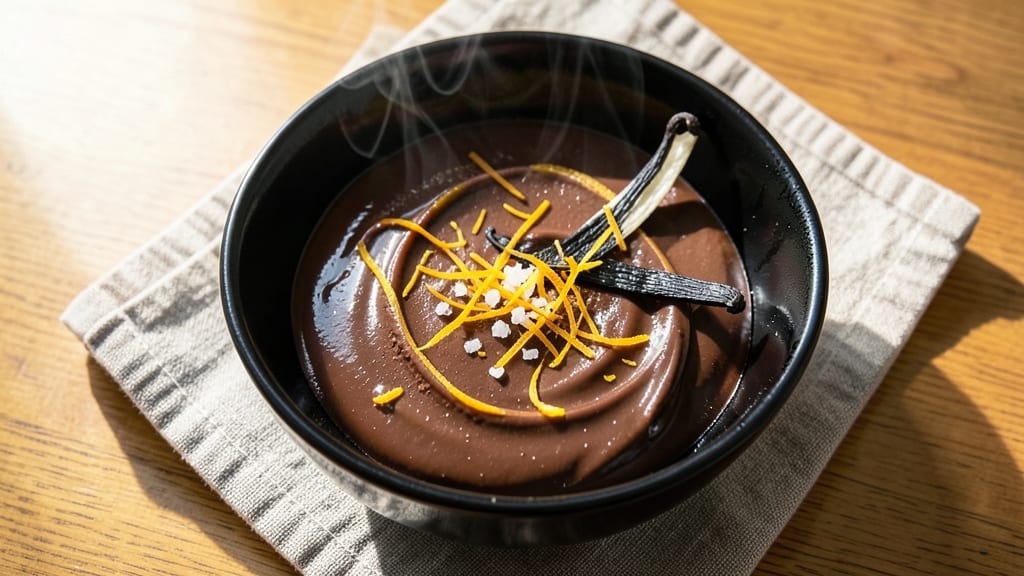
Infused chocolate recipes transform simple treats into bold, complex desserts that elevate any occasion. The secret lies in marrying rich cocoa with unexpected flavors—like citrus zest, spices, or even coffee—that deepen its character while keeping the melt-in-your-mouth texture intact.
I developed this technique after years of experimenting with commercial chocolate bars that never quite delivered the depth of homemade versions.
What makes this recipe stand out is its versatility—whether you're making truffles, bark, or a decadent ganache. The process starts with high-quality chocolate, melted and infused with flavorings, then shaped or set into a glossy, crack-resistant finish.
No special equipment is needed, just patience and precision in tempering the chocolate for that signature snap.
The result? A dessert that's restaurant-quality yet approachable, with layers of flavor that linger long after the last bite. The infused elements—whether it's a hint of orange, a whisper of chili, or a deep espresso note—enhance the chocolate without overpowering its natural richness.
Perfect for holidays, gifts, or simply indulging yourself.
For those short on time, the recipe includes a quick-setting method that skips tempering while still delivering impressive results. Let’s dive into the steps that turn simple chocolate into something extraordinary.
Ingredients for infused chocolate
Transform ordinary chocolate into extraordinary infused richness with these twelve premium ingredients.
| Ingredient | Amount | Notes |
|---|---|---|
| High-Quality Dark Chocolate (70% Cocoa) 🍫 | 12 oz | Finely chopped, Valrhona or Callebaut preferred |
| Extra-Virgin Olive Oil 🫒 | ½ cup | Light, fruity variety for balance |
| Orange Zest 🍊 | 1 tbsp | Fresh, organic preferred |
| Espresso Powder ☕ | 1 tbsp | Finely ground, Starbucks preferred |
| Pure Vanilla Extract 🌿 | 1 tsp | Bourbon or Madagascar preferred |
| Pinch of Fine Sea Salt 🧂 | ¼ tsp | Diamond Crystal kosher preferred |
| Unsalted Butter 🧈 | 4 oz | Cold, European-style preferred |
| Heavy Whipping Cream 🥛 | ½ cup | Cold, full-fat preferred |
| Powdered Sugar 🍚 | ¼ cup | For dusting, sifted |
| Cayenne Pepper 🌶️ | ⅛ tsp | Optional, for subtle heat |
| Fresh Orange Juice 🍹 | 2 tbsp | Freshly squeezed, no pulp |
| Cocoa Powder (Dutch-Processed) 🍫 | ¼ cup | For garnish, high-quality |
The foundation of this recipe lies in the chocolate selection. Valrhona or Callebaut bars deliver unparalleled depth, with their precise cocoa percentages and silky texture. For the best results, purchase from specialty grocers like Whole Foods Market or Williams Sonoma, where their curated selection ensures optimal quality. The 70% cocoa content provides the perfect balance between richness and flavor complexity. When chopping, aim for even, small pieces to ensure consistent melting. For those short on time, pre-chopped chocolate works, though it may contain slight variations in texture. The orange zest should be freshly grated from organic oranges—Navel or Valencia varieties work best—and added immediately to preserve its vibrant citrus notes. Espresso powder should be finely ground to avoid graininess in the final product, with Starbucks or Lavazza brands offering consistent quality.
Substitutions should maintain the flavor profile's integrity. For the olive oil, avocado oil works equally well, though it may slightly alter the finish. If you lack espresso powder, instant coffee granules at half the quantity provide a similar depth. For those avoiding dairy, substitute the heavy cream with coconut cream, though the texture will differ slightly. The vanilla extract can be swapped for vanilla bean paste at double the quantity for added speckles. When adjusting the cayenne, start with a pinch and taste—heat builds gradually. For those without fresh orange zest, commercial citrus zest works in a pinch, though it lacks the same intensity. The cocoa powder for garnish should be Dutch-processed to ensure smooth application without bitterness.
Proper storage extends the infused chocolate's shelf life and maintains its quality. Once prepared, store the infused chocolate in an airtight container at room temperature, away from direct sunlight and humidity. For longer storage, freeze portions in parchment-lined containers for up to 3 months. When ready to use, let the chocolate sit at room temperature for 10-15 minutes to soften before reshaping. The heavy cream and butter should be kept cold until use to maintain their structure. For the powdered sugar, store in a cool, dry place to prevent clumping. When working with citrus zest, use it immediately or store in the freezer for up to 2 weeks to preserve its potency.
Why You'll Love This Recipe
- Three-Ingredient Magic: I swear by this combo—just melt the chocolate with olive oil, then fold in those bright orange zest and espresso powder. The vanilla ties it all together without extra fuss, and honestly? I’ve made this while chatting on the phone.
- Deep, Bright Bites: That 70% dark chocolate isn’t just bitter—it’s layered. The orange zest cuts through the richness, the espresso adds a subtle coffee kick, and the olive oil? It makes every bite silky-smooth. Between us, this tastes like a fancy dessert, not a 10-minute hack.
- Date Night or Snack Attack: Drizzle it over fresh fruit for a no-fuss dessert that’ll impress guests (or just satisfy your midnight cravings). Or, here’s what sold me—mix it into whipped cream for a jar of instant chocolate-dipped strawberries. Works for holidays, lazy Sundays, or when you forgot to buy ice cream.
- No Waste, All Flavor: The leftovers? Even better. Store it in the fridge, and that olive oil infusion gets richer over time. I’ll be real: I’ve stretched a batch into three days by using it in everything—smoothies, oatmeal, even as a glaze for roasted veggies. And since you’re using pantry staples, your wallet stays happy too.
Step-by-step instructions for infused chocolate recipe
Transform bold flavors into luxurious richness with this precise technique.
Melt Chocolate and Infuse with Olive Oil
In a heatproof bowl set over a saucepan of simmering water, combine the 12 oz high-quality dark chocolate (70% cocoa) and 0.5 cup extra-virgin olive oil. Stir gently until the chocolate melts completely, creating a silky ganache. The olive oil enhances the chocolate's depth while providing a velvety texture.
Remove from heat immediately once fully melted—overheating can cause the chocolate to seize. Stir in the 1 tbsp orange zest and 1 tbsp espresso powder, whisking until fully incorporated. The citrus zest brightens the chocolate's bitterness, while the espresso powder adds a subtle, complex depth. Let this mixture cool slightly to room temperature before proceeding.
Incorporate Butter and Cream
In a separate saucepan, melt the 4 oz unsalted butter over low heat until fully liquid. Add the 0.5 cup heavy whipping cream and warm through, but do not boil. Slowly pour this warm mixture into the chocolate-infused oil while whisking constantly to maintain a smooth, homogeneous texture.
The butter and cream create a luxurious mouthfeel, balancing the richness of the chocolate. Stir in the 1 tsp pure vanilla extract and 0.25 tsp pinch of fine sea salt, ensuring they dissolve completely. Taste and adjust the cayenne pepper (0.125 tsp) if you desire a subtle heat. This is the moment to refine the flavor profile—don't rush it.
Finish with Orange Juice and Powdered Sugar
Add the 2 tbsp fresh orange juice and whisk vigorously to incorporate. The acidity of the orange juice cuts through the chocolate's richness, enhancing its complexity. Gradually whisk in the 0.25 cup powdered sugar until fully dissolved, adjusting to achieve a smooth, glossy consistency. The sugar should be fully integrated, not grainy.
Transfer the mixture to a clean bowl and cover with plastic wrap, pressing the wrap directly onto the surface to prevent a skin from forming. Refrigerate for at least 2 hours, or until the mixture firms up but remains spreadable. This step ensures the flavors meld completely, resulting in a perfectly balanced, infused chocolate.
Garnish and Serve
Before serving, dust the surface with 0.25 cup cocoa powder (Dutch-processed) using a fine-mesh sieve. The cocoa powder adds a decorative touch while complementing the chocolate's depth. Slice the infused chocolate into 4 equal portions, ensuring each serving delivers the harmonious blend of citrus, espresso, and velvety richness.
Serve immediately for the best texture, or store in an airtight container in the refrigerator for up to 1 week. The contrast of the cool, infused chocolate with warm desserts or coffee creates an unforgettable experience. Each bite should reveal layers of flavor—bright orange, earthy espresso, and the deep, bittersweet chocolate.
Pro Tips For Making Infused Chocolate
- Temper the Chocolate: Melt chocolate gently—never over direct heat. Use a double boiler or microwave in 20-second bursts, stirring between each, until it’s just smooth. I learned this the hard way: seizing chocolate ruins everything, and 70% cocoa is stubborn about it.
- Toast the Espresso: Lightly toast your espresso powder in a dry pan for 30 seconds before mixing it in. The nutty aroma deepens, cutting through the bitterness of dark chocolate. Skip this, and you’re just masking the flavors instead of enhancing them.
- Zest Fresh, Use Fast: Grate orange zest right before adding it—it loses potency in minutes. Store-bought zest is fine, but freshly grated has that bright, citrusy punch that makes the chocolate sing. (Yes, even if you’re impatient like me.)
- Balance the Oil: Extra-virgin olive oil adds richness, but too much dulls the chocolate’s depth. Use just enough to coat the melted chocolate—about 1 tablespoon per 100g—then taste as you go. You’re not making salad dressing here.
Serving suggestions for this recipe
Presentation Plating
For an elegant touch, serve your infused chocolate on dark slate or marble slabs to make the colors pop. I like using mini chocolate molds (like Wilton silicone molds) for shaped pieces that feel restaurant-worthy.
Place each piece on a parchment-lined plate and garnish with a sprinkle of flaky sea salt or a few toasted hazelnuts for texture contrast. 💫
Pairing with Beverages
This citrus-espresso infusion pairs beautifully with single-origin dark roast coffee—look for a Sumatra or Ethiopian blend. The chocolate’s brightness complements the coffee’s earthiness. For a non-coffee option, serve with sparkling orange juice (chilled) to enhance the citrus notes.
I also love pairing it with dry Riesling—the wine’s acidity cuts through the richness. 🍷
Gift-Worthy Packaging
For gifting, wrap individual pieces in parchment paper, tie with twine or gold ribbon, and place in a wooden box> (like Etsy’s kraft boxes). Add a handwritten note about the infusion flavors—people love knowing what they’re tasting!
For bulk gifts, use cellophane bags with a sticker seal. Store in a cool, dark place for up to 2 weeks to maintain freshness.
Creative Serving Ideas
Turn your infused chocolate into a dipping sauce for fresh strawberries or pound cake by warming it gently. For a decadent twist, layer it with mascarpone cheese and biscotti crumbles> in a glass for a dessert parfait.
I also love using it as a filling for chocolate-covered pretzels>—the saltiness balances the sweetness perfectly. 🍫
Seasonal Adaptations
In summer, add fresh raspberries or blackberries> to the presentation for a fruity contrast. For winter, infuse with cinnamon and chili powder> instead of cayenne, then top with candied pecans>.
The spice combo adds warmth, perfect for holiday gatherings. Adjust the orange zest to ½ tsp> in winter to avoid overpowering the spices.
Interactive Serving
Set up a DIY chocolate station where guests can customize their own pieces. Offer toppings like crushed pistachios, dried cranberries, or flaky salt> in small bowls.
Provide mini spoons or tweezers**> for easy handling—this makes the experience fun and memorable. I’ve done this at parties, and it’s always a hit! 🎉
Nutrition facts
Frequently asked questions
What’s the best way to store infused chocolate to keep it fresh?
Store your infused chocolate in an airtight container at room temperature for up to 5 days, or freeze for 3 months for longer shelf life. For freezing, wrap pieces individually in parchment to prevent sticking. Let it sit at room temperature for 10-15 minutes before serving to restore its velvety texture.
Can I make this recipe with white chocolate?
While possible, white chocolate lacks the depth for infusion. For best results, stick with 70% dark chocolate—its natural bitterness balances infused flavors like citrus or espresso. If you must use white, add 1 extra tablespoon of cocoa powder to enhance richness, but expect a sweeter, less complex result.
Why did my infused chocolate turn grainy?
Graininess usually means overheating or moisture intrusion. Always melt chocolate gently over low heat or use a double boiler, and avoid water contact. If it happens, whisk in 1 teaspoon of warm heavy cream to restore smoothness. For future batches, ensure all ingredients are dry and at room temperature.
How do I adjust the sweetness level?
Start with the 0.25 cup powdered sugar as written, then taste. For less sweetness, reduce by 1 tablespoon at a time. For more, add 1 tablespoon increments—remember, chocolate’s bitterness should still shine through. Balance is key: the citrus and espresso should complement, not overpower.
Can I substitute olive oil with another fat?
Yes, but texture may change. For a neutral flavor, use avocado oil or coconut oil (melted). For richness, try brown butter instead of regular butter. Avoid vegetable oils—they can make the chocolate taste flat. Test small batches first to adjust ratios.