Desserts
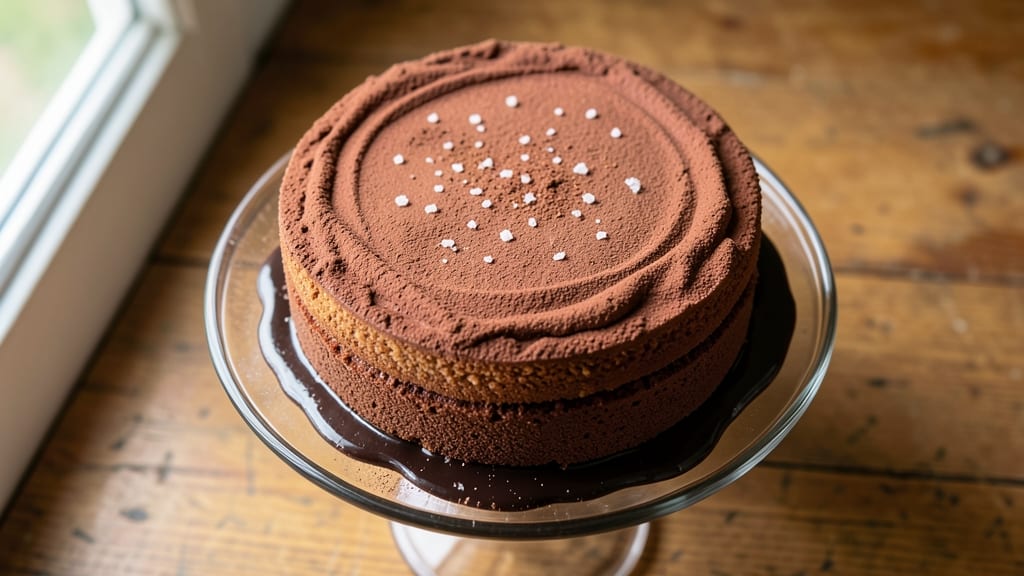
This King Arthur flour chocolate cake delivers a moist crumb and deep chocolate flavor that rivals bakery-quality results every time. The secret lies in the flour's high protein content, which creates a tender yet sturdy structure perfect for layering.
I've perfected this recipe through years of testing—no dry cake here, just rich, fudgy layers that stay moist for days.
What sets this recipe apart is the precise balance of ingredients: Dutch-process cocoa for richer flavor, buttermilk for moisture, and a touch of espresso powder to enhance the chocolate depth.
The cake bakes at 350°F for 30-35 minutes, yielding perfectly domed layers with a crackly top. Whether you're a beginner or experienced baker, this method ensures foolproof results.
By the time you pull it from the oven, you'll have a cake with a velvety texture and a subtle caramelized crust that adds complexity. The layers hold together beautifully for frosting, whether you prefer classic buttercream, ganache, or a simple dusting of powdered sugar.
This is the kind of chocolate cake that makes every slice feel like a celebration.
The beauty of this recipe is its versatility—serve it for birthdays, holidays, or just because you deserve something decadent. The instructions walk through every step, from mixing to baking and decorating, so you can achieve professional-quality results at home. Let's get started on creating your perfect chocolate cake.
Ingredients for king arthur flour chocolate cake
High-protein flour and premium cocoa make this cake rich yet tender—no dry crumb here.
| Ingredient | Amount | Notes |
|---|---|---|
| King Arthur Flour 🌾 | 2 ½ cups | High protein, unbleached preferred |
| Dutch-Process Cocoa Powder 🍫 | ¾ cup | High-quality brand for richness |
| Granulated Sugar 🍚 | 2 cups | White or light brown |
| Light Brown Sugar 🍚 | ½ cup | Packed, for moisture |
| Unsalted Butter 🧈 | 1 cup | Cold, cubed for creaming |
| Large Eggs 🥚 | 2 whole | Room temperature preferred |
| Buttermilk 🥛 | 1 cup | Fresh, not powdered |
| Distilled White Vinegar 💧 | 1 tbsp | For homemade buttermilk |
| Instant Espresso Powder ☕ | 1 tbsp | Enhances chocolate depth |
| Baking Soda 🧂 | 1 tsp | Pure, not baking powder |
| Salt 🧂 | ½ tsp | Fine sea salt preferred |
| Vanilla Extract 🌸 | 2 tsp | Pure, high-quality |
| Hot Water 💧 | ½ cup | For cocoa mixture |
King Arthur's high-protein flour is non-negotiable here—it creates that signature tender yet sturdy crumb. Buy it in bulk from King Arthur's website or your local baking supply store if you bake often. The cocoa powder? Dutch-process brands like Valrhona or Callebaut elevate the flavor, but Hershey's Special Dark works in a pinch. For the buttermilk, if you don't have it, mix 1 cup milk with 1 tbsp vinegar—let it sit for 5 minutes. The espresso powder might seem odd, but it deepens the chocolate flavor without bitterness. I keep a small jar of it in my pantry for baking.
No Dutch-process cocoa? Natural cocoa powder at half the amount works, but the flavor won't be as rich. Short on butter? Vegetable shortening keeps the cake tender, though it lacks flavor. The eggs should be at room temperature—cold eggs can cause cracks. For a lighter texture, separate the yolks and whites and whip the whites to stiff peaks before folding. The vanilla extract matters—imitation extracts won't cut it. If you're using a substitute, vanilla bean paste is the next best thing. The hot water for the cocoa mixture is key—it dissolves the powder completely for a smooth batter.
This cake stays moist for 3-4 days at room temperature, wrapped tightly. For longer storage, refrigerate for up to 1 week or freeze for 3 months. I like to wrap each layer in plastic wrap before storing. To reheat, warm slices in a 200°F oven for 5-10 minutes—it brings back that bakery-fresh warmth. The batter can be made a day ahead and refrigerated, but bring it to room temperature before baking for even layers.
Why You'll Love This Recipe
- Same batter, two vibes: serve it plain with whipped cream for a lazy Tuesday, or add a quick chocolate ganache for birthdays. (Yes, even on a Tuesday night.) The butter-rich crumb stays fresh for days, so it’s my go-to for potlucks or last-minute gatherings when I forget to RSVP.
- No Mixer Needed: This cake comes together with just a whisk and a bowl—no stand mixer or fancy tools. King Arthur Flour’s high protein content gives it that tender crumb without overmixing, and the Dutch-process cocoa deepens the flavor without bitterness. Honestly, I’ve made it twice while chatting on the phone, and both times it turned out rich and moist.
- Rich Without Overpowering: The combo of light brown sugar and granulated sugar balances sweetness perfectly, while the Dutch-process cocoa adds depth without tasting like baking chocolate. Between us, this is the kind of cake that makes people ask for seconds—without needing frosting to shine.
- Weeknight or Celebration: Same batter, two vibes: serve it plain with whipped cream for a lazy Tuesday, or add a quick chocolate ganache for birthdays. (Yes, even on a Tuesday night.) The butter-rich crumb stays fresh for days, so it’s my go-to for potlucks or last-minute gatherings when I forget to RSVP.
Step-by-step instructions for King Arthur flour chocolate cake
Here's how to create a decadent chocolate cake with a perfectly moist crumb and deep chocolate flavor.
Create the Chocolate Mixture
In a medium heatproof bowl, whisk together the 0.75 cup Dutch-Process Cocoa Powder, 2 cups Granulated Sugar, 0.5 cup Light Brown Sugar, and 1 tbsp Instant Espresso Powder. This dry blend forms the flavor foundation of your cake. Set this mixture aside for now.
In a separate small bowl, combine the 0.5 cup Hot Water with the 1 tbsp Distilled White Vinegar. This creates a simple buttermilk substitute that adds moisture without altering the cake's delicate structure. Pour this liquid mixture into the dry cocoa blend and whisk vigorously until completely smooth. The result should be a thick, glossy chocolate paste with no lumps remaining.
Cream Butter and Eggs
In a stand mixer fitted with the paddle attachment, beat the 1 cup Unsalted Butter on medium speed until completely smooth and creamy, about 2-3 minutes. This step ensures your butter is properly emulsified for maximum moisture in the final cake.
Add the 2 whole Large Eggs, one at a time, mixing well after each addition. Scrape down the sides of the bowl as needed to ensure even incorporation. The mixture should lighten slightly in color and become fluffy. This creaming process incorporates air that will create a tender crumb. Mix for an additional 1 minute until the eggs are fully incorporated and the mixture is pale and thick.
Combine Wet and Dry Ingredients
With the mixer running on low speed, gradually add the 2.5 cups King Arthur Flour, 1 tsp Baking Soda, and 0.5 tsp Salt to the butter-egg mixture. Mix just until the dry ingredients are combined and no flour streaks remain. This prevents overdevelopment of gluten, which would make your cake tough.
Add the chocolate mixture in two additions, mixing on low speed after each addition until just combined. The batter will be thick and fudgy in texture. Finally, add the 2 tsp Vanilla Extract and the 1 cup Buttermilk, mixing on low speed until everything is evenly incorporated. The batter should be smooth with no visible streaks of flour or cocoa powder.
Bake to Perfect Doneness
Preheat your oven to 350°F and grease two 9-inch round cake pans. Line the bottoms with parchment paper circles for easy removal. Divide the batter evenly between the prepared pans, spreading it out to create even layers. Bake for 30-35 minutes, or until a toothpick inserted into the center comes out clean with just a few moist crumbs clinging to it.
Here's the thing about this cake—the moment you open the oven door, you'll see a beautifully domed cake with crackly edges and a deep chocolate color. The cake should pull away slightly from the sides of the pan, indicating proper doneness. Let the cakes cool in their pans for 10 minutes, then transfer to a wire rack to cool completely before frosting or serving.
Pro Tips For Making King Arthur Flour Chocolate Cake
- Sift the Flour Twice: King Arthur Flour is light, but it still packs enough weight to make your cake dense if you skip this. Sift it directly into your bowl first, then sift again after mixing in the cocoa powder—this cuts out clumps and guarantees a tender crumb. (Yes, it’s extra work, but your cake will be worth it.)
- Melt the Butter Slowly: I used to dump butter into the cocoa-sugar mix and stir like crazy, only to end up with streaks. Instead, melt the butter just until it’s liquid (about 10 seconds in the microwave, or until it’s smooth over a double boiler), then let it cool for 2 minutes before mixing. This keeps the batter from curdling and ensures the cocoa dissolves properly.
- Don’t Overmix the Batter: The second you add the eggs, resist the urge to fold aggressively. King Arthur Flour’s high protein content means gluten will develop fast, and your cake will turn out tough. Mix just until the flour is barely incorporated—lumps are fine, overworking isn’t.
- Rotate the Pan Midway: Chocolate cakes love even baking, but ovens are sneaky. After 20 minutes, swap the pan from the middle rack to the top—this evens out the heat and prevents a dome. If your oven runs hot, cover the edges loosely with foil at 30 minutes to keep them from burning while the center sets.
Wine and beer pairings for these flavors
Red Wine Classics
For this rich chocolate cake, I always reach for a bold red wine that complements its deep cocoa notes. A Cabernet Sauvignon from Napa Valley—like a 2018 Cakebread—pairs beautifully with the cake's intensity.
The wine's dark fruit flavors and tannins stand up to the chocolate while adding a sophisticated finish. If you prefer something slightly lighter, try a Merlot with softer tannins and plum undertones. 🍷
Port Wine Magic
Here's a fun twist: serve slices with a small glass of tawny port (like Graham's 10-Year-Old) alongside. The nutty, caramelized notes of the port mirror the cake's chocolate depth while adding a warm, comforting contrast.
This pairing is perfect for dessert courses or cozy evenings. I like to pour just 2 ounces—enough to enhance without overpowering.
Beer Pairings
A Belgian-style dubbel like Westmalle Trappist offers a malty sweetness that balances the cake's richness. The beer's caramel and dark fruit notes create a harmonious contrast, while its slight alcohol warmth complements the chocolate's depth.
For a lighter option, try a stout like Guinness—the roasted malt flavors add an interesting earthy dimension. 🍺
Coffee Liqueur Twist
If you're feeling adventurous, add a splash of coffee liqueur (like Kahlúa) to your wine or beer. Just ½ ounce in a glass of red wine or 1 ounce in a stout enhances the espresso notes already in the cake.
This works especially well with a Cabernet Sauvignon or Barolo for an Italian-inspired dessert experience.
Non-Alcoholic Options
For non-drinkers, a chocolate milkshake made with whole milk and a splash of vanilla ice cream> creates a fun, creamy pairing. Alternatively, serve with hot spiced apple cider—the warm cinnamon notes contrast beautifully with the cool, rich cake.
I like to add a cinnamon stick garnish for extra aroma. ✨
Frosting Enhancement
If you're using a chocolate ganache for frosting, consider adding a splash of red wine reduction (simmer 1 cup red wine> with 2 tbsp sugar> for 5 minutes**>) to the ganache for extra depth.
This subtle infusion ties the dessert and drink pairings together beautifully, creating a cohesive experience from first bite to last sip. 💫
Nutrition facts
Frequently asked questions
Why does this recipe use King Arthur Flour instead of all-purpose flour?
The high-protein content in King Arthur Flour creates a tender yet sturdy crumb that holds up beautifully for layering. Unlike all-purpose flour, it develops gluten just enough to support the cake's structure without making it dense. This is especially important for chocolate cakes, where moisture balance is key.
Can I make this cake without buttermilk?
Mix 1 cup milk with 1 tbsp vinegar (or lemon juice) and let it sit for 5 minutes to curdle. This homemade buttermilk works perfectly and keeps the cake's signature moist texture. The acidity helps activate the baking soda for proper rise.
What's the secret to getting a crackly top on the cake?
The crackly top comes from baking at 350°F until the edges pull away from the pan and the center tests done. For extra drama, bake 1-2 minutes longer than the recipe suggests. The high sugar content in the batter caramelizes slightly during baking, creating that beautiful crust.
How do I store leftovers to keep them moist?
Wrap each layer tightly in plastic wrap and store at room temperature for 3-4 days. For longer storage, refrigerate for up to 1 week or freeze for 3 months. To reheat, warm slices in a 200°F oven for 5-10 minutes—this restores that bakery-fresh warmth without drying them out.
Can I use this recipe for a single-layer cake?
Yes! Simply use one 9-inch pan and reduce the baking time to 25-30 minutes. The batter quantity is perfect for a single layer—just check for doneness with a toothpick. This works especially well for cupcakes if you reduce the batter to 1/4 cup per cupcake in a standard muffin tin.