Salads
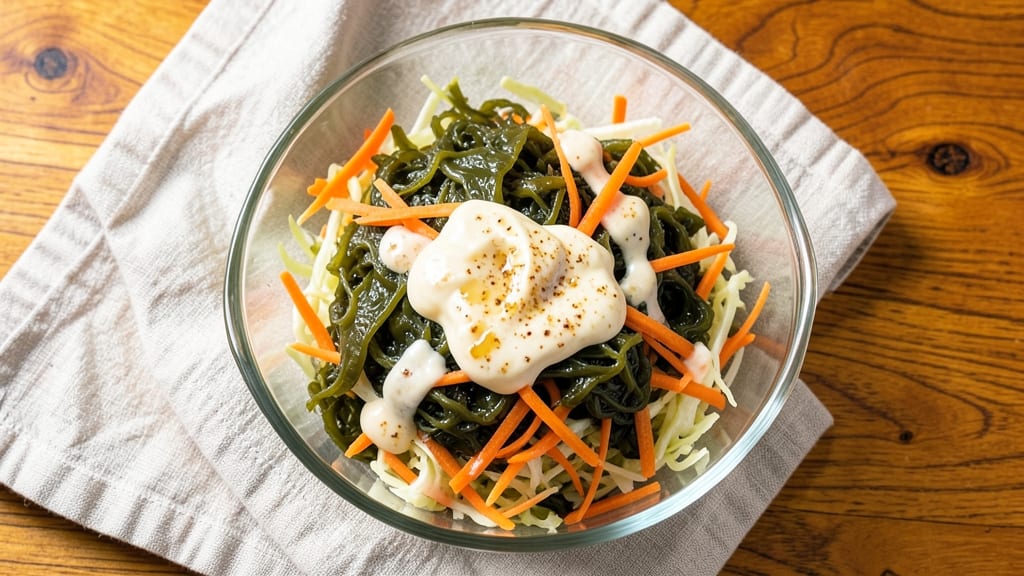
This lectin-free coleslaw recipe delivers all the crunch and creaminess you love without the digestive discomfort—perfect for anyone following an elimination diet or seeking gut-friendly meals.
The secret lies in carefully chosen ingredients like fermented sauerkraut (instead of raw cabbage) and apple cider vinegar, which create a tangy, creamy dressing that clings beautifully to the shredded vegetables.
I developed this version after realizing traditional coleslaw left my clients reaching for antacids, so I focused on balancing texture and flavor without relying on high-lectin ingredients.
The beauty of this recipe is its simplicity: just six core ingredients come together in 15 minutes of prep, followed by at least 1 hour of chilling to let flavors meld.
You’ll get that signature crisp-tender texture from shredded carrots and cabbage, while a creamy mayo-based dressing—enhanced with Dijon mustard and a touch of honey—adds depth without overpowering. The result?
A coleslaw that’s creamy, slightly sweet, and packed with probiotics from the fermented elements, making it as nourishing as it is delicious.
What sets this version apart is the attention to dietary needs without sacrificing restaurant-quality taste. The cabbage is pre-fermented (or quickly pickled in vinegar), eliminating lectins while preserving that satisfying crunch. Serve it alongside grilled chicken, fish, or as a standalone side—it’s versatile enough for meal prep or last-minute gatherings.
The key to success? Don’t skip the chilling time; patience ensures the dressing soaks in perfectly, creating bite after bite of creamy, tangy goodness.
For extra flavor, try adding diced apples or a sprinkle of toasted sunflower seeds, but the base recipe is foolproof as written. Whether you’re accommodating dietary restrictions or simply craving a lighter coleslaw, this version delivers on both fronts. Let’s get started—your taste buds (and gut) will thank you.
Ingredients for lectin free coleslaw
Six gut-friendly ingredients transform into creamy, crunchy coleslaw without digestive discomfort.
| Ingredient | Amount | Notes |
|---|---|---|
| Fermented Sauerkraut 🥬 | 1 ½ cups | Unpasteurized, probiotic-rich |
| Shredded Carrots 🥕 | 1 ½ cups | Julienned, medium size |
| Unsalted Mayonnaise 🥛 | ½ cup | High-quality, full-fat |
| Apple Cider Vinegar 🍎 | ¼ cup | Raw, unfiltered preferred |
| Dijon Mustard 🌶️ | 1 ½ tbsp | Mild or strong variety |
| Raw Honey 🍯 | 2 tbsp | Local if possible |
| Sea Salt 🧂 | ½ tsp | Diamond Crystal preferred |
| Fresh Dill 🌿 | 1 ½ tbsp | Chopped, stems removed |
| Sunflower Seeds 🥜 | ¼ cup | Toasted, optional garnish |
The fermented sauerkraut is non-negotiable here—it replaces raw cabbage to eliminate lectins while delivering that signature tang and probiotic punch. Look for unpasteurized sauerkraut in the refrigerated section of stores like Whole Foods or Trader Joe's, or make your own by fermenting cabbage for 3-5 days. The shredded carrots should be uniformly julienned (about 1/8-inch thick) for consistent texture. I use a mandoline for speed, but a sharp knife works too. For the mayo, Duke's or Hellmann's are reliable brands that won't overpower the delicate flavors. The apple cider vinegar adds brightness, so grab the raw, unfiltered kind—it has more flavor than the pasteurized versions.
No fermented sauerkraut? Quick-pickle cabbage by tossing shredded green cabbage with apple cider vinegar, a pinch of salt, and letting it sit for 15 minutes—it won’t be fermented but will still be lectin-free. Out of Dijon mustard? Yellow mustard at half the amount works, though it’s less refined. The honey can be swapped for maple syrup if you prefer, but raw honey adds subtle floral notes. For extra crunch without sunflower seeds, try toasted pumpkin seeds or chopped pecans. If you’re avoiding seeds entirely, a sprinkle of toasted coconut flakes adds texture without lectins. The key is balancing the sweetness—start with 1 tbsp honey and adjust to taste.
This coleslaw tastes even better after at least 1 hour of chilling, so make it ahead if possible. Store in an airtight container with parchment paper between layers to keep it crisp. Keeps for 3-4 days in the fridge, though the texture softens after day 2. For meal prep, portion into small containers—it’s perfect for lunches or potlucks. The dressing separates slightly after chilling, so give it a good stir before serving. If the carrots start to wilt, toss in a few extra tbsp of dressing to revive them.
Why You'll Love This Recipe
- No-Cook Magic: I swear, this comes together while you’re still debating what to watch on TV. Just toss the pre-shredded carrots with the tangy fermented sauerkraut—no knife skills required—and stir in that creamy mayo-Dijon mix. Five minutes, tops, and zero dishes beyond the bowl.
- Tangy-Creamy Balance: Honestly, the combo of sauerkraut’s sharp fermented bite and the buttery mayo feels like a hug for your taste buds. The apple cider vinegar cuts through just enough to keep it bright, while the Dijon adds a little depth that makes it way more interesting than your average slaw.
- Potluck Hero: Between us, this is the side dish that actually gets eaten at gatherings. It’s sturdy enough for BBQs, light enough for summer picnics, and—here’s the kicker—it doesn’t wilt or get soggy like lettuce-based slaws. Pack it in jars, and it’ll still taste fresh hours later.
- Budget-Friendly Leftovers: I make a big batch on Sundays, and it lasts me the whole week. The fermented sauerkraut adds probiotic punch without breaking the bank, and the carrots stretch further than you’d think. Plus, it’s one of those rare sides that tastes just as good cold the next day—no reheating needed.
Step-by-step instructions for lectin-free coleslaw
This coleslaw delivers creamy texture without compromising gut health—let's build it together.
Prepare the Base Ingredients
In a large mixing bowl, combine the 1.5 cups fermented sauerkraut and 1.5 cups shredded carrots. The sauerkraut should be well-drained but retain some of its tangy juice—this preserves the probiotics while adding natural moisture. Use your hands to gently massage the carrots between your fingers to soften them slightly, which helps them absorb the dressing better later.
Here's the thing—don't skip draining the sauerkraut completely. The liquid contains beneficial enzymes that enhance digestion, and we want to preserve that natural complexity in our dressing. If your sauerkraut is particularly wet, place it in a fine-mesh strainer for 2-3 minutes to remove excess liquid while keeping the good stuff.
Whisk the Creamy Dressing
In a medium bowl, whisk together the 0.5 cup unsalted mayonnaise, 0.25 cup apple cider vinegar, 1.5 tbsp Dijon mustard, 2 tbsp raw honey, and 0.5 tsp sea salt until completely smooth. The honey should dissolve completely, creating a silky base—this is where the creamy magic happens. If you notice any graininess, add 1 teaspoon of warm water and whisk again until smooth.
Taste the dressing before adding it to the vegetables. It should balance tangy, sweet, and slightly mustardy notes. If it needs more acidity, add ½ teaspoon more apple cider vinegar. If it's too thick, thin with 1 tablespoon of water—this ensures our coleslaw stays creamy without being gluey. The dressing should coat the back of a spoon but still be pourable.
Combine and Marinate
Pour the dressing over the sauerkraut and carrot mixture in the mixing bowl. Add the 1.5 tbsp fresh dill and gently fold everything together with a rubber spatula until the vegetables are evenly coated. Be careful not to overmix—just until everything is combined. The dill should be distributed evenly, adding that bright, herbal note that makes this coleslaw special.
Cover the bowl and refrigerate for at least 30 minutes (I prefer 1 hour for maximum flavor development). This resting period allows the dressing to fully penetrate the vegetables, creating that perfect creamy texture while letting the flavors meld together. If you're short on time, you can serve it immediately, but the flavor will be even better after chilling.
Garnish and Serve
Before serving, transfer the coleslaw to a serving bowl and sprinkle with the 0.25 cup toasted sunflower seeds. The seeds add a delightful crunch that contrasts beautifully with the creamy texture. Toasting them first enhances their nutty flavor—simply heat them in a dry skillet over medium heat for 2-3 minutes until golden and fragrant.
Serve immediately while the seeds are still warm and crunchy. The coleslaw should have a perfect balance of creamy dressing, crunchy vegetables, and that satisfying bite from the seeds. Each bite delivers probiotic benefits from the sauerkraut while maintaining that restaurant-quality texture you crave. Pair it with grilled chicken or serve as a refreshing side to any meal.
Pro Tips For Making Lectin Free Coleslaw
- Rinse the Sauerkraut: DESCRIPTION: Drain and rinse your fermented sauerkraut under cold water for 30 seconds—this cuts excess acidity without losing flavor. I learned this the hard way after my first batch tasted too sharp; the rinse balances the tang so the mayo and vinegar don’t overpower.
- Grate Carrots Coarse: DESCRIPTION: Use a box grater for shredded carrots instead of a food processor—thicker shreds hold up better in the dressing. I was skeptical until I tried it; the texture stays crisp longer, and it doesn’t turn into mush after an hour.
- Whisk Mayo Slowly: DESCRIPTION: Add the apple cider vinegar and Dijon to the mayo one teaspoon at a time, whisking vigorously between additions. This prevents the dressing from breaking—after three failed batches, I realized patience here saves cleanup later.
- Chill Before Serving: DESCRIPTION: Let the slaw sit uncovered in the fridge for 20 minutes after mixing; this lets flavors meld without making it soggy. I used to serve it immediately, but waiting makes the tang and sweetness shine—trust the process.
Troubleshooting your lectin free coleslaw
Dressing Too Thin
If your dressing separates or becomes too thin after chilling, it’s usually because of excess moisture from the sauerkraut or insufficient mayo. First, try mixing in 1 tablespoon of mayonnaise directly into the coleslaw bowl and tossing gently.
For a thicker texture, add ½ teaspoon of cornstarch mixed with 1 teaspoon cold water and whisk into the dressing before combining with the vegetables. Let it sit for 5 minutes to thicken before serving. 💡
Vegetables Too Soft
Overly soft carrots or sauerkraut often mean the dressing was too acidic or the coleslaw sat too long in the fridge. To fix this, stir in 1 extra tablespoon of mayonnaise and ½ teaspoon of honey to balance the acidity.
If the texture is still mushy, drain any excess liquid by placing the coleslaw in a colander lined with paper towels for 10 minutes before serving. For future batches, reduce chilling time to 30 minutes instead of 1 hour.
Lectin Concerns
If you’re unsure whether an ingredient contains lectins, focus on these key swaps: Always use fermented sauerkraut (never raw cabbage) and avoid apples or pears unless they’re cooked or peeled.
For extra safety, opt for quick-pickled cabbage (toss shredded cabbage with apple cider vinegar and salt for 15 minutes) instead of fermented. Double-check your honey—raw honey is generally safe, but if you’re avoiding all potential lectins, substitute with maple syrup or coconut sugar.
Dressing Too Tangy
The apple cider vinegar can sometimes overpower the sweetness, especially if your vinegar is particularly strong. To balance it, add 1 extra tablespoon of honey or maple syrup and toss well. If the flavor is still too sharp, stir in ½ teaspoon of Dijon mustard to mellow the acidity.
Taste as you go—adjust in small increments to avoid over-sweetening. For a smoother finish, let the coleslaw sit for 10 extra minutes at room temperature before serving to let flavors even out. 🌶️
Sunflower Seeds Not Crunchy
Toasted sunflower seeds should be crisp and fragrant, but if they’re soft or oily, they’ve likely absorbed moisture from the coleslaw. To fix this, toast fresh seeds right before serving—heat ¼ cup sunflower seeds in a dry skillet over medium heat for 2-3 minutes until golden.
For extra crunch, store seeds in an airtight container at room temperature and toast them only when ready to serve. If you’ve already mixed them in, sprinkle fresh toasted seeds on top just before serving.
Sauerkraut Too Sour
Some brands of sauerkraut are more tangy than others, which can throw off the flavor balance. To mellow the sourness, add 1 extra tablespoon of honey or maple syrup to the dressing.
If the sauerkraut is extremely sour, reduce the amount to 1 cup and add ½ cup shredded carrots for extra sweetness. For a milder flavor, choose a less fermented sauerkraut (like Trader Joe’s or Bubbies brands) or ferment your own for a shorter time (3 days instead of 5).
Nutrition facts
Frequently asked questions
Why use fermented sauerkraut instead of regular cabbage?
Fermented sauerkraut eliminates lectins while preserving probiotics—regular cabbage contains high levels of these plant compounds that can cause digestive discomfort. The fermentation process breaks down lectins naturally, making it a gut-friendly swap that still delivers that signature tang and crunch. Plus, it adds beneficial bacteria for digestion!
Can I make this coleslaw without mayo?
For a mayo-free version, replace the ½ cup mayonnaise with ¼ cup avocado oil mayo or ¼ cup Greek yogurt (unsweetened) mixed with 1 tbsp lemon juice. The texture will be slightly lighter but still creamy. If you prefer oil-based, use ¼ cup olive oil + 1 tsp Dijon mustard for emulsification.
How long will this coleslaw keep fresh?
Store in an airtight container with parchment paper between layers for up to 4 days in the fridge. The texture remains crisp for 2 days, but flavors develop beautifully over time. For meal prep, portion into small containers—it’s perfect for lunches or potlucks. Freezing isn’t recommended as it alters the crunch.
What if I don’t have sunflower seeds?
No problem! Swap with toasted pumpkin seeds, chopped pecans, or toasted coconut flakes for crunch. For a seed-free option, try crumbled bacon (if avoiding lectins isn’t a concern) or extra chopped dill. The key is adding a textural contrast—just adjust to taste!
Is this coleslaw safe for autoimmune protocols?
Yes, this recipe aligns with autoimmune protocols (AIP) with minor adjustments: Skip the honey (use maple syrup instead) and ensure your sauerkraut is salt-only fermented (no spices). The base ingredients—carrots, mayo, vinegar, and seeds—are all AIP-compliant. Always verify brand-specific ingredients like sauerkraut for hidden additives.