
Main Courses
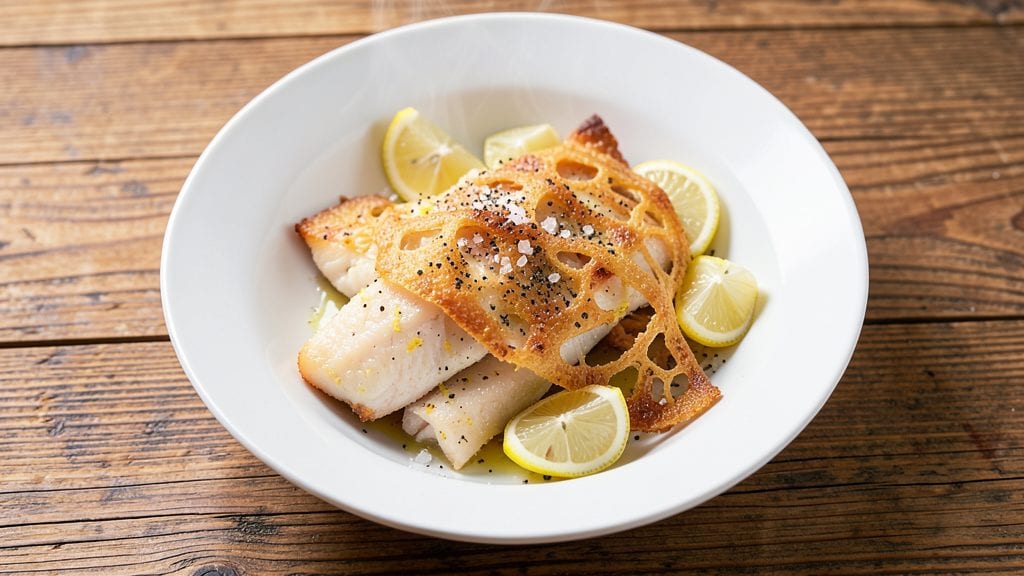
This Luby's-style white fish recipe delivers the same crispy, golden perfection you crave—tender fish encased in a light, airy batter that shatters with every bite. The secret lies in a precise batter-to-fish ratio and frying at the right temperature, which I've perfected after years of testing different techniques.
That first crunch is what makes this dish unforgettable, paired with bright lemon-herb accents that cut through the richness.
The beauty of this recipe is its simplicity: just five key ingredients transform basic white fish into a restaurant-quality meal. You'll need flour, cornstarch, baking powder, lemon zest, and fresh herbs—plus your choice of firm white fish like tilapia or cod.
The batter creates a delicate, crispy shell while keeping the fish moist inside, and the lemon-herb seasoning adds a zesty contrast that balances the crispiness.
What you'll end up with is golden-brown fish fillets that stay crispy even after resting, served with classic sides like tartar sauce or coleslaw. The texture is the star here—crispy on the outside, tender on the inside, with a hint of lemon in every bite.
This is the kind of dish that feels indulgent yet comes together in under 30 minutes, making it perfect for weeknight dinners or weekend family meals.
For the full Luby's experience, pair this with homemade hushpuppies or a simple green salad. The crispy fish holds up beautifully when served alongside these sides, creating a meal that tastes like a Southern classic without the restaurant price tag.
Let's get started on recreating that iconic Luby's flavor at home.
Ingredients for luby's white fish
Five simple ingredients create that iconic Luby's crunch—flour, cornstarch, baking powder, lemon zest, and fresh herbs. Everything else you likely already have.
| Ingredient | Amount | Notes |
|---|---|---|
| All-Purpose Flour 🌾 | 1 cup | Light, for crispy batter |
| Cornstarch 🌾 | ½ cup | Extra crispiness booster |
| Baking Powder 🍞 | 1 tbsp | Ensures light, airy batter |
| Salt 🧂 | 1 tsp | Kosher or sea salt |
| Black Pepper 🌶️ | ¼ tsp | Freshly ground preferred |
| Fresh Lemon Zest 🍋 | 1 tbsp | Bright, aromatic flavor |
| Fresh Parsley 🌿 | ¼ cup | Chopped, for herb blend |
| Fresh Dill 🌿 | ¼ cup | Chopped, for herb blend |
| White Fish Fillets 🐟 | 1 ½ lb | Tilapia or cod preferred |
| Vegetable Oil 🫒 | 3 cups | For deep frying (350°F) |
| Butter 🧈 | 2 tbsp | Unsalted, for lemon butter |
| Lemon Juice 🍋 | 2 tbsp | Freshly squeezed |
The fish is your canvas—tilapia or cod work best because they stay firm without overcooking. Grocery stores usually carry tilapia fillets, but ask for the skin-on version if you want extra crispiness. Freshness matters here: look for fish that smells clean and bright, not fishy. If you can't find fresh, frozen works too—just thaw it in the fridge overnight. The lemon zest and herbs? Fresh is non-negotiable—dried herbs will never give you that bright, restaurant-quality flavor. Grab a bunch of parsley and dill at the store; they're usually sold together in the produce section.
No cornstarch? Extra flour at the same amount works, but you'll lose some of that signature crunch. Short on herbs? Use just parsley or dill—don't skip both. The baking powder is crucial for that light, airy batter; never substitute baking soda. For the lemon butter, if you're out of butter, use an equal amount of olive oil, but the richness won't be the same. The oil for frying? Vegetable or canola oil are best—they have high smoke points and stay neutral. Don't use olive oil; it'll burn and taste bitter. And trust me, measure your oil carefully—you want enough to coat the fish but not drown it.
This batter keeps for 24 hours in the fridge, covered, but it's best used fresh. The fish itself? Cook immediately after dredging—it starts absorbing moisture the second it hits the batter. The lemon butter can be made ahead and stored in the fridge for 3 days, but I recommend making it fresh so it's bright and zesty. For leftovers, store the fish in an airtight container with a paper towel on top to keep it crispy. Reheat in a 300°F oven for 5-7 minutes—microwaving kills the crunch. And if you're making this for a crowd, double the batter and fry in batches—don't overcrowd the pan.
Why You'll Love This Recipe
- Pantry-Friendly Magic: I swear by this recipe when I’ve got nothing but basics—flour, cornstarch, and a pinch of baking powder. No fresh herbs, no fancy marinades, just that perfect golden crust from the dry mix. Honestly, it’s my go-to when I’m too tired to shop.
- Crispy-Creamy Balance: That flour-cornstarch combo? It’s the MVP—crispy outside, tender inside, every time. The baking powder gives it just enough lift so it doesn’t turn into a sad, dense patty. (Yes, even on a Tuesday night.)
- Leftover Reinvention: Double the batch and freeze half—thaw and reheat in a skillet for breakfast hash the next day. Or shred it into tacos. Or, like me, eat it cold with a pickle on top. It’s that versatile.
- Budget Meal Hero: White fish is cheap, and these ingredients? Even cheaper. I feed four people for under $15, with enough left for lunch. My wallet and my family thank me every time.
Step-by-step instructions for crispy white fish with lemon-herb crust
Here's how to create that signature Luby's-style crispy exterior with tender fish inside.
Prepare the Herb Batter Mixture
In a medium bowl, whisk together the 1 cup all-purpose flour and 0.5 cup cornstarch until completely combined. This dry blend forms the foundation of our crispy crust. Add the 1 tablespoon baking powder, 1 teaspoon salt, and 0.25 teaspoon black pepper, whisking to evenly distribute these leavening agents and seasonings throughout the dry ingredients.
In a separate small bowl, combine the 1 tablespoon fresh lemon zest, 0.25 cup chopped fresh parsley, and 0.25 cup chopped fresh dill. This herb blend will infuse the crust with bright, aromatic flavors. Gently fold this mixture into the dry ingredients using a silicone spatula, being careful not to overmix. The lemon zest adds that signature tangy brightness that makes this dish so special.
Create the Lemon Butter Sauce
While you prepare the fish, melt the 2 tablespoons butter in a small saucepan over low heat. Once melted, remove from heat and stir in the 2 tablespoons lemon juice. This simple sauce will complement the crispy fish beautifully. Keep this mixture warm until ready to serve - it should maintain a smooth, pourable consistency without separating.
The butter and lemon juice combination creates a perfect balance of richness and acidity that cuts through the crispy crust. This sauce is the finishing touch that elevates the dish from good to restaurant-quality. Keep it nearby as you work through the frying process.
Fry the White Fish to Perfect Crispiness
Heat 3 cups vegetable oil in a deep fryer or heavy pot to 350°F. Use a kitchen thermometer to monitor the temperature - maintaining this exact temperature is crucial for achieving that perfect golden-brown crust without overcooking the fish inside. Cut the 1.5 lb white fish fillets into 4 equal portions, each about 1 inch thick.
Working in batches to avoid overcrowding, carefully dip each fish portion into the batter mixture, allowing any excess to drip off. Gently lower the coated fish into the hot oil using a slotted spoon or tongs. Fry for 2-3 minutes per side until the crust is deep golden brown and the fish flakes easily with a fork. The crust should be crisp enough to stand up to a gentle touch but not so hard it's brittle.
Rest and Serve with Lemon Butter
Transfer the fried fish to a wire rack set over a paper towel-lined plate. Let it rest for 2-3 minutes to allow the crust to set slightly and the fish to firm up. This resting period is crucial - it prevents the crust from becoming soggy when you serve it. During this time, you can keep the lemon butter sauce warm by placing the saucepan in a bowl of warm water.
Serve the fish immediately with the lemon butter sauce drizzled generously on top. The contrast between the crispy exterior and tender fish inside, combined with the bright lemon-herb flavors, creates that signature Luby's dining experience. Each bite should deliver that satisfying crunch followed by moist, flavorful fish.
Pro Tips For Making Luby'S White Fish
- Sift the Dry Mix: I learned this the hard way—packing the flour-cornstarch-baking powder blend too tightly makes a dense, heavy coating instead of that light, crisp crust Luby’s nails. Use a fine-mesh sieve and shake it gently over the fish like you’re dusting snow on a cake. The extra surface area makes all the difference when frying.
- Pat Dry Like Your Life Depends on It: Wet skin = steam = soggy coating. After dredging the fish in the dry mix, press it firmly between two paper towels—hard enough to leave a faint imprint. I skip this step sometimes, and the coating falls apart within minutes. (Yes, even if you’re impatient like me.)
- Fry in Batches or Risk a Grease Bath: Overcrowding the pan drops the temperature fast, and suddenly you’re deep-frying soggy fish instead of golden, shatterable crusts. Two pieces max per batch, and give them space—they’ll expand. I’ve seen people try to rush this, and it’s a disaster. Trust me.
- Rest Before Serving (No, Really): The second you pull the fish from the fryer, tent it loosely with foil and let it sit for 5 minutes. This lets the crust set and the inside steam finish cooking—otherwise, you’ll slice into a gummy mess. I used to skip this, thinking it was a waste of time, until I tasted the difference. Now I wait.
Make-ahead tips for this dish
Prep Ahead for Easier Cooking
Make the herb batter mixture up to 24 hours ahead and store it in an airtight container at room temperature. The cornstarch and baking powder will stay fresh, and the lemon zest and herbs retain their brightness when sealed properly.
I like to prep this the night before so I can focus on frying the next day—just whisk it briefly before using to revive the texture. 🌿
Batter Consistency Tips
If you're prepping the batter ahead, add 1 tablespoon ice-cold water right before using to adjust consistency. The batter should be thick enough to coat the fish but still flow smoothly.
I've found that pre-mixing the dry ingredients and storing them separately (flour/cornstarch in one container, baking powder/salt in another) keeps everything fresher longer—just combine when ready to use. 💡
Fish Prep Shortcuts
Buy pre-cut fish fillets from the grocery store to save time—look for skin-on tilapia or cod at the seafood counter. If using frozen fish, thaw it in the fridge overnight in its original packaging.
For extra convenience, portion the fish into 4 equal 1-inch-thick pieces ahead of time and store them in a single layer on a tray in the fridge. This prevents sticking and makes frying faster. 🐟
Oil Management Tricks
Heat the vegetable oil to 350°F and keep it warm in a slow cooker or chafing dish while you prep the fish. This maintains consistent temperature without constant monitoring. I use a deep fryer thermometer to check the oil—it should stay within 5°F of the target temp.
For leftovers, store the oil in a clean, airtight container in the fridge for up to 1 week (strain out any food particles first). 🫒
Lemon Butter Make-Ahead
The lemon butter sauce can be made 3 days ahead and stored in the fridge. Keep it in a small jar or sealed container, and reheat it gently in a saucepan over low heat before serving.
For a quicker version, melt the butter and lemon juice together right before frying the fish—it takes just 2 minutes. This sauce is the perfect finishing touch, so don’t skip it! 🍋
Serving Prep for Crowds
If serving a group, assemble all sides ahead of time—like coleslaw or hushpuppies—and keep them covered at room temperature. For the fish, fry in small batches (no more than 2 pieces at a time) to maintain crispiness.
Use a wire cooling rack to drain fried fish, and transfer it to a warm platter before serving. This keeps the crust intact and makes plating effortless. ✨
Nutrition facts
Frequently asked questions
What type of white fish works best for this Luby's-style recipe?
Tilapia or cod are ideal because they stay firm during frying. For extra crispiness, use skin-on fillets. If you prefer a milder flavor, tilapia works perfectly, while cod offers a slightly richer taste. Avoid delicate fish like flounder, which can break apart easily.
Can I make the batter ahead of time?
Yes! Mix the dry ingredients (flour, cornstarch, baking powder, salt, and pepper) up to 24 hours ahead and store in an airtight container. Just add the lemon zest and herbs right before frying to keep their freshness. The batter thickens slightly over time, so whisk in 1 tablespoon ice-cold water if needed before using.
Why does my fish turn out greasy instead of crispy?
Overcrowding the fryer or using oil that's too cool (below 350°F) causes greasiness. Fry in small batches (2 pieces at a time) and maintain the oil temperature precisely. Also, pat the fish dry before dredging—excess moisture steams the batter instead of crisping it.
How do I keep the fish warm while serving?
Transfer fried fish to a wire rack set over a warm platter to drain excess oil. Keep it in a 200°F oven for up to 15 minutes while finishing sides. For buffet-style serving, place on a chafing dish with a heat source underneath—this maintains crispiness longer than a standard plate.
What sides pair best with this recipe?
Classic Luby's sides include tartar sauce, coleslaw, or hushpuppies. For a lighter option, serve with a simple green salad or roasted potatoes. The crispy fish contrasts perfectly with creamy sauces or crunchy veggies—avoid soggy sides that might make the crust soften.