Desserts
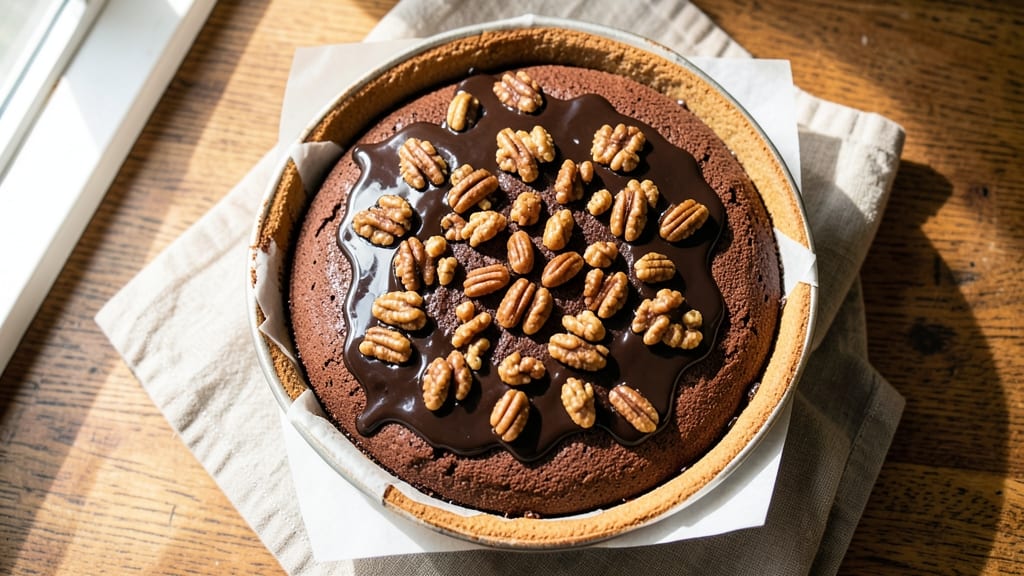
This Mama's German Chocolate Cake recipe delivers layers of moist chocolate cake studded with pecans, crowned with gooey brown sugar frosting that melts in your mouth. The secret lies in precise measurements and a gentle baking approach—no dry crumbs or overly dense texture here.
I first tasted this version at my grandmother's kitchen table, where it became a holiday tradition. That same recipe now lives in my own kitchen, perfected over years of baking for family gatherings.
The cake itself is rich but tender, thanks to a blend of all-purpose flour and a touch of cocoa powder that deepens the chocolate flavor without overpowering it. Pecans are folded into the batter just before baking, ensuring they stay crisp and evenly distributed throughout each layer.
The frosting—a velvety brown sugar buttercream—is where the magic truly happens, its caramel undertones complementing the chocolate perfectly.
What sets this recipe apart is the balance: the cake's moisture, the frosting's sweetness, and the pecans' crunch all come together in every bite. It's the kind of dessert that disappears quickly, leaving guests asking for seconds.
Whether you're baking for a celebration or simply craving a slice of nostalgia, this cake delivers restaurant-quality results with minimal effort.
The best part? It bakes in 350°F for just 30-35 minutes per layer, giving you time to prepare the frosting while the oven works its magic. Cool completely before assembling, and you'll have a showstopper that tastes even better the next day. Ready to recreate this family favorite?
Ingredients for mama's german chocolate cake
Twelve ingredients, three layers of nostalgia—this cake brings Grandma's kitchen to your table.
| Ingredient | Amount | Notes |
|---|---|---|
| All-Purpose Flour 🌾 | 3 cups | Sifted for best texture |
| Unsalted Butter 🧈 | 2 cups | Room temperature, full-fat |
| Granulated Sugar 🍚 | 2 cups | White sugar preferred |
| Dark Brown Sugar 🍚 | 1 cup | Packed firmly |
| Cocoa Powder 🍫 | ½ cup | Unsweetened, Dutch-processed |
| Large Eggs 🥚 | 4 whole | Room temperature |
| Vanilla Extract 🌿 | 2 tsp | Pure vanilla preferred |
| Baking Powder 🧂 | 1 ½ tsp | Aluminum-free |
| Salt 🧂 | ½ tsp | Fine sea salt |
| Buttermilk 🥛 | 1 cup | Room temperature |
| Pecans 🥜 | 2 cups | Chopped, toasted |
| Hot Water 💧 | ½ cup | For cocoa powder |
| Powdered Sugar 🍚 | 4 cups | For frosting |
| Light Brown Sugar 🍚 | 1 cup | Packed, for frosting |
| Heavy Cream 🥛 | 1 cup | Cold for frosting |
The pecans are non-negotiable here. Trader Joe's has the best pre-chopped pecans in the shell—just toast them for 5 minutes at 350°F to bring out their flavor. If you're using whole pecans, chop them yourself (they're cheaper and taste fresher). The cocoa powder matters too—Dutch-processed gives a smoother finish, but regular works in a pinch. For the butter, Land O'Lakes unsalted is my go-to, but any full-fat brand works. Room temperature is key—press a thumb into it, and it should leave a slight indent without spreading too much.
No buttermilk? Mix 1 tablespoon lemon juice or vinegar with 1 cup milk and let sit 5 minutes. Short on vanilla? Vanilla bean paste adds depth, or just use a little more extract. The brown sugars need to be packed—tap the measuring cup to settle them. For the frosting, powdered sugar should be sifted to avoid lumps, and the cream should be cold to prevent melting. If you're making this ahead, bake the cake layers first and freeze them—just thaw before frosting. The frosting can be made a day in advance and stored in the fridge.
This cake keeps beautifully—3 days at room temperature covered loosely, or 1 week refrigerated in layers separated by parchment. The frosting? 3 days refrigerated, but bring it to room temperature before spreading. I always make extra frosting—it disappears fast. For serving, slice with a hot knife (dip in hot water, wipe dry) for clean cuts. Leftovers? Freeze individual slices for up to 2 months—just thaw at room temperature before eating.
Why You'll Love This Recipe
- This recipe uses pantry staples: butter, flour, and sugar you already own. A single batch feeds six, and the leftovers? They last me days. I’ll be real: it’s the kind of cake that makes me feel fancy without breaking the bank.
- No-Mix Madness: I swear, this cake comes together with just a bowl and a whisk—no food processor, no fancy techniques. The butter gets creamed with sugars until it’s light and fluffy, then the cocoa powder folds right in like a dream. Honestly? My hands are always sticky, but the result is worth it.
- That Perfect Bite: The dark brown sugar adds a caramel depth you won’t find in regular chocolate cake, while the cocoa powder gives it that rich, velvety texture. Between us, the first slice is always the hardest to stop at—especially when it’s still warm.
- Double-Duty Magic: Bake it for dessert, then slice it for breakfast with a dollop of whipped cream or ice cream. I’ve even used leftovers to make trifle layers or cake pops—it’s that versatile. (Yes, even on a Tuesday night.)
Step-by-step instructions for mama's German chocolate cake recipe
Here's the method that delivers rich, moist layers and that signature gooey brown sugar frosting.
Prepare the Cocoa Mixture
In a medium bowl, whisk together the 0.5 cup cocoa powder and 0.5 cup hot water until completely smooth. Let it cool slightly—this prevents lumps in your batter. I've found this step makes all the difference in achieving that velvety texture German chocolate cake is known for.
Set the mixture aside to cool while you prepare the rest of your ingredients. The cocoa should thicken slightly as it cools, creating a paste-like consistency. If it's too thick after cooling, add 1 teaspoon of hot water to loosen it slightly before using.
Cream Butter and Sugars
In a large mixing bowl, beat the 2 cups unsalted butter (room temperature) with the 2 cups granulated sugar and 1 cup dark brown sugar on medium speed for 3-4 minutes. You're looking for a light, fluffy texture that nearly doubles in volume—this incorporates air that will make your cake tender.
Here's the thing—don't rush this step. The mixture should be pale and thick, almost like whipped butter. If your butter isn't room temperature, you'll end up with a greasy mess instead of a fluffy base. Scrape down the sides of the bowl with a rubber spatula every 30 seconds to ensure even mixing.
Add Eggs and Dry Ingredients
Add the 4 whole large eggs, one at a time, mixing well after each addition. Then stir in the 2 teaspoons vanilla extract. The mixture will look slightly curdled, but don't worry—this will smooth out when you add the dry ingredients.
In a separate bowl, whisk together the 3 cups all-purpose flour, 1.5 teaspoons baking powder, and 0.5 teaspoon salt. Gradually add the dry ingredients to the wet mixture, alternating with the 1 cup buttermilk, beginning and ending with the flour. Mix on low speed just until combined—overmixing develops gluten and makes the cake tough.
Fold in Pecans and Bake
Gently fold in the 2 cups chopped toasted pecans using a spatula. The pecans should be evenly distributed throughout the batter. Pour the batter into three 9-inch round cake pans lined with parchment paper and greased with butter.
Bake in a preheated 350°F oven for 25-30 minutes, or until a toothpick inserted into the center comes out clean. I like to check at the 25-minute mark—your oven might run hot, so start checking early. Rotate the pans halfway through baking for even cooking.
Prepare the Frosting
While the cakes cool, prepare the frosting by beating the 1 cup heavy cream (cold) until soft peaks form. In a separate bowl, mix the 4 cups powdered sugar, 1 cup light brown sugar, and 2 teaspoons vanilla extract. Gradually fold the sugar mixture into the whipped cream until smooth and fluffy.
Spread the frosting between the cooled cake layers and on the top and sides. The frosting should be thick enough to hold its shape but still spreadable. For extra richness, you can add a sprinkle of toasted pecans on top before serving.
Pro Tips For Making Mama'S German Chocolate Cake
- Whisk Butter & Sugars First: Cream your butter, granulated sugar, and brown sugar together for a solid 3-4 minutes until the mixture is light and fluffy—not just combined. I learned this the hard way after a dense, brick-like cake that tasted more like fudge than sponge. The air you trap here is what keeps that classic German chocolate cake tender.
- Sift the Cocoa Twice: German chocolate cake relies on cocoa for its depth, so don’t skimp on sifting—do it before mixing with dry ingredients and again when folding them in. Lumpy cocoa throws off moisture distribution, leading to a cake that’s dry in spots or gummy in others. (Yes, even if you’re using pre-sifted powder.)
- Stop Mixing at "Just Combined": Once your wet and dry ingredients come together, resist the urge to overmix—especially with that cocoa. Overworking the batter develops gluten, which turns your cake into a chewy loaf instead of a moist, tender crumb. Two turns of a spatula after the flour disappears is all you need.
- Rotate the Pan Mid-Bake: German chocolate cake loves even heat, and ovens have hot spots. After 20 minutes, swap the pan front to back (or top to bottom if your oven runs that way). I’ve had cakes with a perfect center and a dry edge because of this—don’t let that be you. A quick rotation guarantees consistent doneness.
Best sauces and condiments for this dish
Classic Brown Sugar Frosting
This gooey brown sugar frosting is the star of Mama's German Chocolate Cake, and it's easier than you think. The secret lies in using cold heavy cream—whip it until soft peaks form, then gradually fold in the 4 cups powdered sugar and 1 cup light brown sugar.
I like to add 1 teaspoon corn syrup (like Karo) to the sugar mixture for extra smoothness and shine. For a richer flavor, replace ½ cup of the powdered sugar with melted dark chocolate (about 4 oz).
Spread while the frosting is still slightly warm for that signature melt-in-your-mouth texture. 🍯
Peanut Butter Drizzle
A warm peanut butter drizzle is non-negotiable for authentic German chocolate cake. Use ½ cup creamy peanut butter (like Jif or Skippy) mixed with 1-2 tablespoons warm water to thin it slightly. Drizzle generously over the top layer before adding the final frosting coat.
For extra decadence, I sometimes add 1 teaspoon honey to the peanut butter mixture for a touch of sweetness. Let it set for 5-10 minutes before serving so it doesn't sink into the frosting. 🥜
Chocolate Ganache Swirl
For a modern twist, replace the traditional frosting with a dark chocolate ganache swirl. Melt 12 oz dark chocolate (60-70% cacao) with 1 cup heavy cream, then cool slightly before spreading between layers. Use a piping bag to create swirls on the top layer before it sets.
This adds a sophisticated depth that pairs beautifully with the cake's pecans. For a lighter version, use white chocolate instead—just reduce the cream to ½ cup to avoid a runny texture. 🍫
Caramel Drizzle Option
Elevate your cake with a salted caramel drizzle. Heat 1 cup granulated sugar in a saucepan until melted, then add 6 tablespoons butter and ½ cup heavy cream, simmering until thickened. Stir in ½ teaspoon flaky sea salt and let cool slightly before drizzling over the frosting.
The caramel's buttery sweetness enhances the cake's flavors while adding a gourmet touch. Store-bought caramel sauce (like Smucker's) works in a pinch, but homemade tastes infinitely better. 🍬
Whipped Cream Topping
For a lighter finish, top your cake with fluffy whipped cream instead of extra frosting. Whip 1 cup heavy cream with 1 teaspoon vanilla extract until stiff peaks form, then pipe rosettes over the cake.
Sprinkle with toasted pecans or crushed chocolate for texture. This option is perfect for warm weather when you want to avoid heavy frosting. Keep the whipped cream chilled until serving to maintain its shape. ❄️
Nutrition facts
Frequently asked questions
Why does this recipe use both dark and light brown sugar?
The dark brown sugar in the cake batter adds deep molasses flavor and moisture, while the light brown sugar in the frosting creates a smoother, creamier texture with just the right caramel sweetness. Together, they create that signature German chocolate balance—rich without being overpowering. The dark sugar also helps keep the cake tender longer after baking.
Can I make this cake in a 9x13-inch pan instead of three layers?
Yes, but with adjustments! Reduce the batter by 25% (about 1.5 cups) and bake in a single 9x13-inch pan at 350°F for 35-40 minutes. Use the same frosting recipe but spread it evenly over the top. The texture will be denser, but it’s perfect for sheet cake servings. Just check for doneness with a toothpick—it should come out clean.
What’s the best way to store leftovers?
Keep the cake layers separated in an airtight container at room temperature for up to 3 days, or refrigerate for 1 week. The frosting stays fresh for 3 days in the fridge—just bring it to room temperature before re-spreading. For longer storage, freeze individual slices wrapped tightly in plastic for up to 2 months. Thaw at room temperature before serving.
Can I substitute pecans with another nut?
While pecans are traditional, you can swap them for walnuts or hazelnuts (toasted and chopped) for a different texture. Avoid almonds—they’re too mild and won’t hold up as well. If you’re allergic to nuts, omit them entirely or use dried cranberries or chopped dates for moisture and sweetness. Just reduce the amount by 25% to balance the cake’s richness.
Why did my cake turn out dry?
Dry cake usually means overbaking or incorrect ingredient ratios. Check your oven temperature—if it runs hot, reduce to 325°F and bake 5-10 minutes longer. Also, ensure you’re using the right amount of buttermilk (don’t substitute with regular milk) and that your butter is fully room temperature. For extra moisture, brush the cooled layers with simple syrup (equal parts sugar and water, heated until dissolved) before frosting.