Desserts
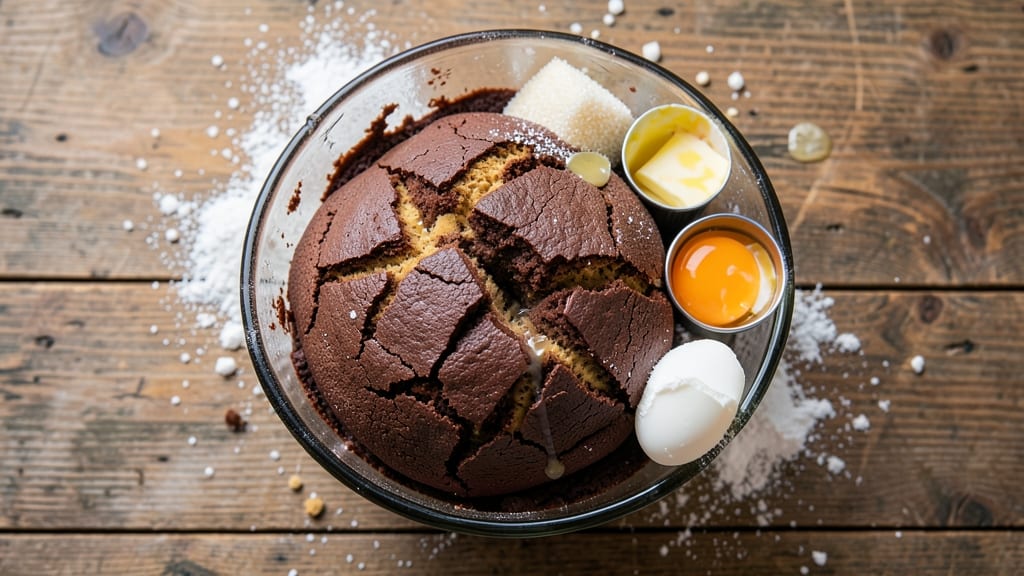
This old-fashioned chocolate cake donut recipe delivers the nostalgic flavors of classic diner donuts with a homemade touch that rivals any bakery.
The secret lies in perfectly balanced yeast rolls infused with rich cocoa, creating tender yet sturdy donuts that hold up to fudgy chocolate hearts—just like your favorite childhood treat.
I've refined this recipe over years of testing, ensuring every step delivers that signature texture and depth of flavor that makes these donuts irresistible.
The process begins with a traditional yeast dough that develops flavor as it rises, giving those donuts their signature soft yet slightly chewy texture. A key technique is incorporating cocoa powder directly into the dough, which infuses each bite with warm chocolate notes before the fudgy cocoa hearts are added.
These donuts bake to a golden brown, creating that classic donut crust while keeping the inside tender and moist.
What makes these truly special is the combination of the classic donut texture with the rich chocolate flavor, all achieved with precise measurements and careful timing. The result is a batch of donuts that taste homemade yet deliver professional-quality results—perfect for breakfast, dessert, or anytime cravings strike.
The recipe accommodates both traditional and modern methods, so you can adapt it to your kitchen setup.
Whether you're making them for a family gathering or treating yourself to a nostalgic snack, these chocolate cake donuts bring back the magic of old-fashioned baking.
The recipe includes options for glazing or frosting, allowing you to customize them to your preference while keeping the core donut experience authentic and satisfying.
Ingredients for old fashioned chocolate cake donut
Classic diner flavors meet homemade magic with these nostalgic chocolate cake donuts.
| Ingredient | Amount | Notes |
|---|---|---|
| All-Purpose Flour 🌾 | 4 cups | Sifted for light texture |
| Granulated Sugar 🍚 | ½ cup | For dough sweetness |
| Unsalted Butter 🧈 | ½ cup | Room temperature, cubed |
| Large Eggs 🥚 | 2 whole | Room temperature |
| Instant Yeast 🍞 | 2 ¼ tsp | Freshly opened packet |
| Nonfat Dry Milk Powder 🥛 | 2 tbsp | For richness |
| Salt 🧂 | ½ tsp | Fine sea salt |
| Unsweetened Cocoa Powder 🍫 | ½ cup | Natural or Dutch-processed |
| Whole Milk 🥛 | 1 ¼ cups | Room temperature |
| Vanilla Extract 🌸 | 1 tsp | Pure vanilla |
| Fudgy Chocolate Hearts 🍫 | 12 whole | Classic diner-style |
| Vegetable Oil 🫒 | ½ cup | For frying |
| Granulated Sugar 🍚 | 1 cup | For dusting |
The cocoa powder is non-negotiable here—Hershey's Special Dark or Valrhona if you're splurging. I grab mine in the baking aisle, not the chocolate section, because the quality matters for that deep chocolate flavor. The nonfat dry milk powder might seem odd, but trust me—it makes the donuts richer without adding fat. For the yeast, Fresh Start or Saf-Instant work perfectly. If your butter feels cold, microwave it for 20 seconds to soften—room temperature is key for the dough to come together right. And those chocolate hearts? Diner-style from a specialty baking shop or online—nothing beats the real deal.
No cocoa powder? Melted dark chocolate at half the amount works in a pinch, but it changes the texture. Short on milk? Evaporated milk or even water keeps things moving, though the flavor won't be as rich. The vanilla extract can be imitation, but pure Madagascar bourbon takes it to another level. For the fudgy hearts, if you can't find them, make your own with powdered sugar, cocoa, and butter—just bake them into tiny squares. The vegetable oil for frying? Any neutral oil works, but canola or peanut are classic choices. Keep an eye on the temp—350°F is perfect for that golden crust.
These donuts taste even better the next day—cover with a clean towel to keep them soft. Store them in an airtight container with a paper towel layer to prevent sogginess. They freeze beautifully too—up to 3 months if you wrap them individually in plastic. I like to freeze extras with a sprinkle of powdered sugar so they're ready for a quick treat. The dough can also be prepped ahead and refrigerated overnight for deeper flavor—just let it come to room temp before frying.
Why You'll Love This Recipe
- No Yeast Nightmare: I’ve made enough dense, sad donuts in my life—this one rises fast thanks to that little packet of instant yeast, and you don’t even need to wait for it to proof. Mix, let sit 10 minutes, fry or bake—done. My kids call them "magic donuts" because they’re that easy.
- Rich Without Fuss: The secret’s in the butter-to-sugar ratio here. Cream them together just until combined (no overworking), and you get that old-school cake donut texture—tender inside, with a crust that cracks just enough to show off the deep chocolate flavor. Honestly, the first bite makes me forget I didn’t use a stand mixer.
- Breakfast or Dessert: Serve them warm with powdered sugar for a lazy Sunday morning, or dust them with cocoa and a drizzle of honey for an after-dinner treat. I’ve even packed them in lunches—kids love the handheld convenience, and they stay fresh for days if you freeze them. Versatile? More like always useful.
- Pantry Staple Magic: Flour, sugar, butter, eggs—these are ingredients you already own. No specialty items, no last-minute grocery runs. And because they freeze like a dream, I make a double batch and pull them out whenever I’m craving something sweet but don’t want to bake. Budget-friendly? More like guilt-free indulgence.
Step-by-step instructions for old fashioned chocolate cake donuts
Here's how to make these nostalgic, pillowy donuts with rich cocoa flavor and gooey chocolate centers.
Mix the Yeast Dough
In a large mixing bowl, combine the 1.25 cups whole milk, 0.5 cup granulated sugar, and 0.5 cup unsalted butter that's been softened to room temperature. Whisk until the butter melts completely and the mixture is smooth. This warm liquid helps activate the yeast for a light rise.
In a separate small bowl, whisk together the 2.25 teaspoons instant yeast, 2 tablespoons nonfat dry milk powder, and 0.5 teaspoon salt. Sprinkle this dry mixture over the warm liquid and whisk vigorously for 30 seconds until fully dissolved. The mixture should begin to bubble slightly—this confirms the yeast is active and ready to work.
Gradually add 2 whole large eggs and 1 teaspoon vanilla extract, whisking constantly to incorporate. Then sift in the 4 cups all-purpose flour and 0.5 cup unsweetened cocoa powder through a fine-mesh sieve. Mix on low speed with a hand mixer or dough hook until just combined—you should still see small flour streaks. Overmixing develops gluten and makes the donuts tough.
Knead and Rise the Dough
Turn the dough onto a lightly floured surface and knead for 5-7 minutes until smooth and elastic. The dough should be slightly sticky but not wet. If it's too sticky, add 1 tablespoon flour at a time until it comes together nicely. This kneading develops the gluten structure that gives these donuts their classic pillowy texture.
Shape the dough into a ball, place it in a lightly greased bowl, and cover with a clean kitchen towel. Let it rise in a warm place for 1-1.5 hours or until doubled in size. You'll know it's ready when you poke the dough gently and it springs back slowly rather than immediately. This first rise creates the airy, tender crumb that makes these donuts so special.
Shape and Second Rise
Punch down the risen dough and turn it out onto a lightly floured surface. Divide it into 12 equal portions (about 2 ounces each) and roll each piece into a smooth ball. Place the dough balls on a parchment-lined baking sheet, cover with a towel, and let them rise for another 30-45 minutes until puffy. These smaller dough balls will expand more dramatically during frying, giving you that classic donut shape.
While the dough rises, prepare your frying station. Fill a deep pot with 2-3 inches of vegetable oil and heat it to 350°F using a deep-fry thermometer. The oil should be hot enough to sizzle gently when you test it with a small piece of dough. Too-hot oil burns the outside before the inside cooks through, while oil that's too cool makes greasy donuts.
Fry to Golden Perfection
Carefully slide 2-3 dough balls into the hot oil using a slotted spoon or tongs. Fry for 1-2 minutes per side until golden brown all over. The donuts are done when they float to the surface and develop a crispy exterior with a soft interior. Don't overcrowd the pot—frying too many at once lowers the oil temperature and makes soggy donuts.
As you fry each batch, transfer the donuts to a paper towel-lined plate to drain excess oil. While still warm, use a small spoon to press 1 fudgy chocolate heart into each donut. The residual heat from the donuts will make the chocolate soft and gooey, creating that classic diner-style center. Work quickly so the donuts stay warm for serving.
Dust and Serve Warm
Once all donuts are fried and filled, dust them generously with the 1 cup granulated sugar while they're still warm. Use a fine-mesh sieve for an even coating that clings beautifully. These donuts are best served immediately while the sugar is crisp and the chocolate centers are molten. The contrast of warm, pillowy dough with the cool, fudgy chocolate makes every bite irresistible.
For extra indulgence, serve with a side of warm chocolate sauce or a scoop of vanilla ice cream. The secret to these old-fashioned donuts lies in the careful balance of yeast activation, proper frying temperature, and that perfect moment when you press in the chocolate hearts—don't skip any of these steps for the best results!
Pro Tips For Making Old Fashioned Chocolate Cake Donut
- MEASURE YEAST PRECISELY: That little packet of instant yeast is the difference between a light, airy donut and a dense brick. Use a kitchen scale or carefully scoop it out—don’t eyeball it. Too much makes them bitter; too little leaves them flat. I learned this the hard way after a batch of donuts that tasted like they’d been kneaded with regret.
- SOAK THE FLOUR FIRST: Mix the dry ingredients—flour, sugar, yeast, cocoa—with the butter before adding liquids. This creates a uniform batter that’s easier to handle and mixes faster. I used to dump everything in at once, and the yeast would clump like it was plotting against me. Skip the mess.
- WATCH THE FRY TEMPERATURE: Oil should be between 350°F and 365°F—any hotter and they’ll burn before cooking through. Use a deep-fry thermometer, not your guesswork. I once fried a batch at 375°F and ended up with charred donuts that looked like they’d been through a fire. Your oil’s temperature matters more than you think.
- LET THE BATTER REST: Give the batter a 10-minute rest after mixing, covered with a damp towel. This lets the yeast activate fully and the gluten relax, so your donuts rise evenly and don’t collapse. I know, I know—you’re eager to fry them. But trust me, that pause makes all the difference in texture.
Pro cooking tips for this dish
Yeast Activation
Always use room-temperature milk (about 70°F) to activate the yeast properly—cold milk slows fermentation, while warm milk can kill it. I like to microwave the milk for 20-30 seconds to reach the perfect temperature.
The yeast should begin bubbling within 5 minutes of mixing; if it doesn't, your yeast may be old or the environment too cold. Place the bowl in a warm spot (like a turned-off oven with the light on) to help it activate faster. 🌡️
Dough Consistency
The dough should be slightly sticky but manageable—like Play-Doh. If it's too dry, add 1 tablespoon milk at a time; if too wet, sprinkle in 1 tablespoon flour. Overworking the dough develops gluten, making donuts tough.
Knead just until smooth (5-7 minutes by hand). For a quicker method, use a stand mixer with the dough hook on low speed for 3-4 minutes.
Frying Temperature
Use a deep-fry thermometer—350°F is critical. Oil that's too hot burns the outside before the inside cooks, while oil that's too cool makes greasy donuts. Test the oil by dropping in a small piece of dough; it should sizzle and float within 30 seconds.
Keep the oil at this temp by adjusting the heat as needed. A 2-3 inch oil depth in your pot ensures even cooking.
Chocolate Heart Timing
Press the fudgy chocolate hearts into the donuts immediately after frying while they're still warm. The residual heat melts the chocolate slightly, creating that classic gooey center. Work quickly—donuts cool fast, and the chocolate won't soften properly if they're not piping hot.
Use a small spoon to gently press each heart into the center, then dust with sugar while still warm for the best texture. 🍫
Sugar Dusting
Use a fine-mesh sieve to dust the donuts with sugar while they're still warm—this creates a crisp, even coating that clings beautifully. Tap the sieve gently to avoid clumping.
For extra flair, mix ½ cup sugar with 1 teaspoon cinnamon before dusting. Store any leftover sugar in an airtight container to keep it fresh for your next batch.
Oven vs. Frying
For a lighter alternative, bake the donuts at 375°F for 12-15 minutes on a parchment-lined sheet, flipping halfway. Brush with melted butter and add chocolate hearts after cooling slightly. Baked donuts won't be as crispy, but they're a great option if you're avoiding oil.
Just reduce the frying temp by 25°F** if you're frying again later to compensate for the cooler dough.
Nutrition facts
Frequently asked questions
Can I make these donuts without frying?
Yes! For a lighter version, bake the shaped dough balls at 375°F for 12-15 minutes on a parchment-lined sheet, flipping halfway. Brush with melted butter and add chocolate hearts after cooling slightly. They won't be as crispy as fried donuts, but the flavor remains rich and satisfying.
Why do my chocolate hearts stay hard?
Press the hearts into donuts while they're still piping hot from frying—the residual heat melts the chocolate slightly for that classic gooey texture. If they cool too much first, the chocolate won't soften properly. Work quickly and cover the plate with a towel to keep donuts warm during filling.
How do I store leftover donuts?
Let them cool completely, then place in an airtight container with a layer of paper towel to absorb moisture. They stay fresh at room temperature for 2 days or freeze for up to 3 months. For extra freshness, sprinkle with powdered sugar before storing to preserve that crisp coating.
Can I substitute regular chocolate for the fudgy hearts?
While you can use melted dark chocolate, the texture won't be the same. For the classic diner-style experience, use store-bought fudgy chocolate hearts or make your own by mixing ½ cup powdered sugar, ¼ cup cocoa powder, and 2 tablespoons butter, then baking into tiny squares. The result is that signature gooey center!
What's the secret to getting that perfect golden-brown crust?
Maintain the oil at a steady 350°F using a thermometer—this ensures even cooking without burning. Fry 2-3 donuts at a time to avoid lowering the oil temperature, and turn them gently with tongs for an even golden color. The crust forms quickly, so watch closely during the last 30 seconds of frying.