Desserts
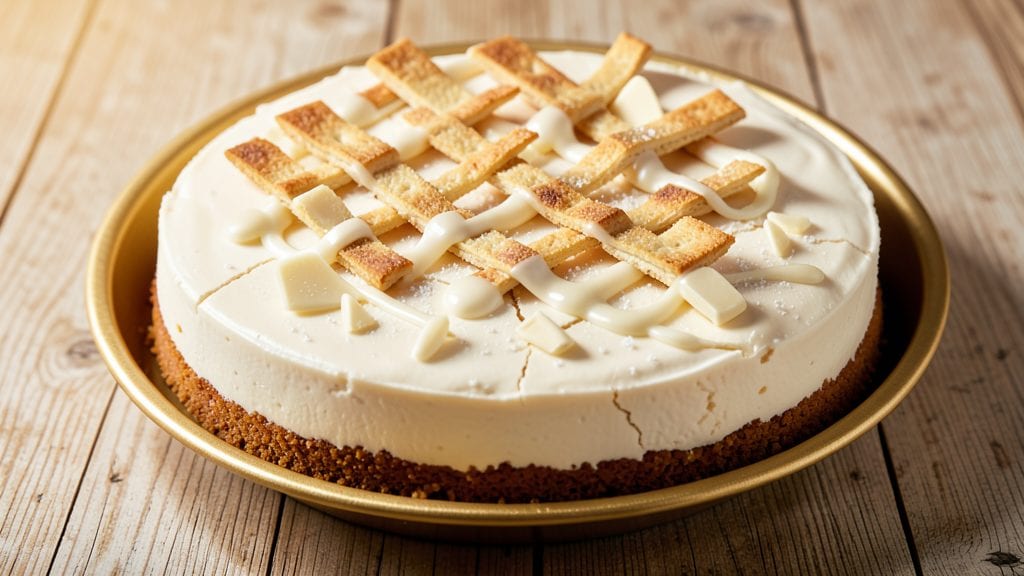
This Philadelphia white chocolate cheesecake recipe delivers the perfect balance of crispy graham cracker crust and ultra-smooth white chocolate filling that melts in your mouth. The secret lies in precise layering and baking techniques that create a texture so rich and velvety, it becomes the centerpiece of any dessert table.
I developed this recipe after years of refining the perfect ratio of cream cheese to white chocolate for that signature Philadelphia-style richness.
The foundation starts with a buttery graham cracker crust baked until golden and firm, providing the necessary structure for the dense filling. What sets this recipe apart is the careful balance of Philadelphia cream cheese and white chocolate, blended until completely smooth to eliminate any graininess.
The baking process ensures a perfectly set center without cracking, while the chilling time develops the signature creamy texture.
By the time you slice into this cheesecake, you'll experience layers of flavor and texture: the crispy graham base gives way to a velvety white chocolate filling that's rich yet light.
The white chocolate adds depth without overpowering the classic cheesecake taste, creating a dessert that's both indulgent and satisfying. This recipe is designed to impress with professional results every time.
Whether you're serving it at a holiday gathering or treating yourself to a special dessert, this cheesecake delivers restaurant-quality satisfaction with minimal effort. The key is patience during the baking and chilling process, which ensures the perfect texture and flavor in every bite.
Let's get started on creating this showstopping dessert.
Ingredients for philadelphia white chocolate cheesecake
Here's what you'll need for that ultra-smooth white chocolate filling and buttery graham crust—game-changer ingredients!
| Ingredient | Amount | Notes |
|---|---|---|
| Graham Crackers 🍪 | 2 cups | Crushed into fine crumbs |
| Unsalted Butter 🧈 | ½ cup | Melted, full-fat preferred |
| Granulated Sugar 🍚 | ¼ cup | For crust sweetness |
| Philadelphia Cream Cheese 🧀 | 32 oz | Room temperature, full-fat |
| White Chocolate Chips 🍫 | 12 oz | High-quality, 30% cacao |
| Large Eggs 🥚 | 4 whole | Room temperature, separated |
| Egg Yolks 🥚 | 4 whole | Room temperature, separated |
| Powdered Sugar 🍚 | 1 cup | Sifted for smooth filling |
| Vanilla Extract 🌿 | 2 tsp | Pure Madagascar preferred |
| Salt 🧂 | ½ tsp | Fine sea salt |
| Heavy Whipping Cream 🥛 | 1 cup | Cold, full-fat preferred |
| Sour Cream 🥛 | ½ cup | Full-fat for creaminess |
| Lemon Juice 🍋 | 1 tbsp | Freshly squeezed |
The graham cracker crust is where it all begins. Honey Maid or Keebler graham crackers crush best—avoid the pre-crushed kind (it gets gummy). For the butter, Land O'Lakes or Plugrá full-fat sticks melt perfectly, but nothing beats European-style butter like President or Échiré if you're splurging. The sugar should be Domino or C&H granulated—no brown sugar here. Pro tip: Toast the graham crumbs with the melted butter for 2 minutes before pressing into the pan—this seals the crust and prevents sogginess. The Philadelphia cream cheese is non-negotiable; Neufchâtel can substitute, but it won't be as rich.
No white chocolate chips? High-quality white chocolate bars (like Callebaut or Guittard) chopped into chunks work just as well—just make sure they're at least 30% cacao for that proper balance. Running short on eggs? Egg whites only can work if you add 1 extra yolk to compensate, but the yolks are key for that silky texture. The vanilla extract should be Madagascar bourbon if you can find it—it's worth the splurge for that deep, floral note. For a tangier profile, add an extra ½ tsp lemon zest (though we're already calling for juice). And if you're worried about cracking, pre-baking the crust for 10 minutes before adding the filling is a must—trust me on this.
This cheesecake needs patience—8 hours minimum in the fridge before serving, or it won't set properly. Store leftovers in an airtight container with parchment between layers to prevent drying. It keeps for 5 days in the fridge, but honestly? It disappears faster than that. For make-ahead prep, bake the crust a day ahead and store it wrapped at room temp. The filling can be mixed and refrigerated for 24 hours before baking. And if you're serving it at room temperature, let it sit for 1 hour—the texture transforms completely.
Why You'll Love This Recipe
- No Crust Struggles: I’ve made cheesecakes where the crust cracks or falls apart—this one’s foolproof. The graham cracker crumbs and melted butter get pressed in just enough to hold, no fancy techniques needed. Honestly, I’ve even done it with my hands while watching TV.
- Melty Magic Combo: That white chocolate folded right into the cream cheese? It’s not just sweet—it’s rich. The heat from the oven turns the chips into little pockets of gooey bliss, and the graham cracker crust adds this perfect crunch. (Yes, even on a Tuesday night.)
- Pantry Staple Power: You’re already using things you have: butter, sugar, cream cheese. No specialty ingredients, no last-minute grocery runs. Between us, I’ve made this with store-brand graham crackers and it still tasted like a dessert-worthy win.
- Leftovers? Better Than New: The best part? It actually improves the second day. The filling firms up just enough to slice cleanly, and the white chocolate flavor deepens. I’ve packed it for lunches—trust me, coworkers don’t even notice it’s dessert.
Step-by-step instructions for Philadelphia white chocolate cheesecake
Here's how to create a showstopping dessert with a perfectly crispy graham crust and velvety white chocolate filling.
Prepare the Crispy Graham Crust
Preheat your oven to 350°F and butter a 9-inch springform pan generously, including the bottom and sides. This ensures the crust won't stick and creates that golden, crispy edge we're after. In a food processor, pulse the 2 cups graham crackers until you achieve fine, sand-like crumbs—no floury bits should remain. This texture is crucial for that perfect crunch.
In a medium bowl, combine the graham crumbs with the 0.5 cup melted unsalted butter and 0.25 cup granulated sugar. Mix until evenly moistened—every crumb should be coated. Press the mixture firmly into the bottom of your prepared pan, using the back of a measuring cup to create an even layer. Bake for 10 minutes until the edges begin to turn golden. Let it cool slightly while you prepare the filling, but keep it warm in the oven.
Create the Ultra-Smooth White Chocolate Filling
Reduce your oven temperature to 325°F and position a rack in the lower third. This gentle heat is perfect for our delicate filling. In a large mixing bowl, beat the 32 oz Philadelphia cream cheese and 12 oz white chocolate chips together using an electric mixer until completely smooth and creamy. This process can take 3-5 minutes—be patient, as any lumps will translate to graininess in your final cheesecake.
In a separate bowl, whisk together the 4 whole large eggs, 4 whole egg yolks, 1 cup powdered sugar, 2 tsp vanilla extract, and 0.5 tsp salt until well combined. Slowly pour this egg mixture into the cream cheese mixture while mixing on low speed. This gradual incorporation prevents curdling and ensures a silky texture. Gently fold in the 1 cup heavy whipping cream and 0.5 cup sour cream until just combined.
Assemble and Bake the Cheesecake
Pour the filling over the cooled crust, spreading it evenly to the edges. Tap the pan gently on the counter a few times to release any air bubbles that may have formed. This step is crucial for preventing cracks during baking. Place the pan in your preheated oven and bake for 50-60 minutes until the edges are set but the center still has a slight wobble. The top should be smooth, not cracked, and the center should be just slightly underdone—it will continue setting as it cools.
Turn off the oven, crack the door open about 2 inches, and let the cheesecake cool inside for 1 hour. This gradual cooling prevents sudden temperature shifts that can cause cracking. Remove the cheesecake from the oven and let it cool completely at room temperature. Once fully cooled, refrigerate for at least 4 hours, or preferably overnight, to allow the flavors to meld and the texture to become truly velvety.
Finish with the Signature White Chocolate Topping
Before serving, prepare the white chocolate topping by melting the remaining white chocolate chips in a double boiler or microwave in 30-second intervals, stirring between each interval until completely smooth. Stir in the 1 tbsp lemon juice to brighten the flavor and add a subtle tang that balances the richness.
Spread the white chocolate mixture evenly over the top of the chilled cheesecake, allowing it to drip slightly over the edges for that restaurant-quality presentation. Return the cheesecake to the refrigerator for 30 minutes to allow the topping to set. Serve slices at room temperature for the perfect balance of crispy crust, creamy filling, and glossy white chocolate finish.
Pro Tips For Making Philadelphia White Chocolate Cheesecake
- Preheat Crust Pan: DESCRIPTION: Stick the graham cracker crust pan in the oven right as you preheat—no waiting. The butter in the crust melts faster when the pan’s already warm, and that’s how you get the buttery, crisp base you’re after. (I used to skip this, and the crust always came out soft instead of golden.)
- Soften Cream Cheese Right: DESCRIPTION: Take the Philadelphia cream cheese out of the fridge 2 hours before mixing—no microwave, no ice bath, just let it sit. Room temp cheese blends smoother, and you won’t end up with lumps that scream “amateur.” (Yes, even if you’re impatient like me.)
- Melt White Chocolate Slow: DESCRIPTION: Heat white chocolate chips in a bowl over simmering water (double boiler) until just melted—about 2 minutes. Overcooking turns them grainy, and that kills the creamy texture. Stir occasionally, and don’t walk away.
- Bake Until Jiggly: DESCRIPTION: Your cheesecake’s done when the edges are set but the center still wobbles like Jell-O. Pull it at 30 minutes, let it rest 10 minutes, then check again—overbaking cracks it. (I learned this after one very sad, dry cheesecake.)
Common mistakes when making this recipe
Overmixing the Filling
I’ve ruined more cheesecakes than I’d admit by overmixing the filling after adding the eggs. Once the egg mixture is incorporated into the cream cheese base, mix just until combined—no need to beat it to ribbons.
Overmixing introduces too much air, which causes the cheesecake to sink or develop cracks as it bakes. Use a spatula to gently fold in the heavy cream and sour cream instead of mixing vigorously. 💫
Skipping the Water Bath
This is a non-negotiable step for me. Without a water bath, the heat transfer is uneven, leading to cracks or a dense center. Wrap your springform pan tightly in heavy-duty aluminum foil, then place it in a large roasting pan.
Add hot water to the roasting pan until it reaches halfway up the sides of your cheesecake pan. The steam creates a humid environment that prevents surface drying and cracking. Trust the process—it’s worth the extra effort.
Room-Temperature Ingredients
Cold cream cheese or eggs are the silent saboteurs of a perfect cheesecake. Take the Philadelphia cream cheese out of the fridge 24 hours ahead to soften completely—it should be 65°F when you start mixing. Eggs should also be at room temperature, separated carefully to avoid any yolk contamination.
Cold ingredients won’t blend smoothly, leading to lumps or a grainy texture. Pro tip: Run eggs under warm water for 5 minutes if you’re short on time.
Underbaking or Overbaking
The filling should be just set at the edges but still slightly jiggly in the center when you remove it from the oven. If you bake it until fully set, it’ll be dense and dry. Conversely, if it’s underbaked, it won’t hold its shape when chilled.
I aim for a 50-60 minute bake at 325°F, then use the toothpick test: Insert a toothpick near the center—it should come out with a few moist crumbs but no liquid. Overbaking is far worse than underbaking, so err on the side of caution. 🌡️
Ignoring the Cooling Process
Rushing the cooling step is how cracks form. After baking, turn off the oven, crack the door open 2 inches, and let the cheesecake cool inside for 1 hour. This gradual temperature drop prevents thermal shock. Then, let it cool completely at room temperature before refrigerating.
Skipping this step causes the outer layers to set too quickly while the center is still hot, leading to unsightly cracks that ruin the presentation. Patience here makes all the difference.
Using Low-Quality White Chocolate
Not all white chocolate is created equal. Cheap, waxy white chocolate (often labeled as "white cocoa" or "white baking chips") will make your filling taste artificial and grainy. Invest in high-quality white chocolate chips like Guittard or Callebaut, which are 30% cacao and melt smoothly.
If you’re using bars, chop them into even-sized chunks for consistent melting. The difference in flavor and texture is night and day—your taste buds will notice immediately. 🍫
Nutrition facts
Frequently asked questions
What makes this white chocolate cheesecake different from regular cheesecake?
This recipe uses Philadelphia cream cheese blended with high-quality white chocolate for a velvety, ultra-smooth texture that's richer than traditional cheesecake. The white chocolate adds depth without overpowering, while the graham crust provides that signature crispy contrast. The secret is the precise ratio of cream cheese to white chocolate for that signature Philadelphia-style richness.
Can I make this cheesecake without a water bath?
While possible, I strongly recommend using a water bath to prevent cracking and ensure even baking. Wrap your springform pan in heavy-duty foil and place it in a roasting pan with hot water halfway up the sides. This creates a humid environment that keeps the surface moist and prevents surface drying during baking.
How do I know when the cheesecake is fully baked?
The edges should be set but the center should still have a slight wobble when gently shaken. Insert a toothpick near the center—it should come out with a few moist crumbs but no liquid. Baking until fully set will make the cheesecake dense and dry, while underbaking can cause it to collapse when chilled. Aim for 50-60 minutes at 325°F.
Why does my cheesecake have cracks?
Cracks usually form from sudden temperature changes or overmixing. After baking, turn off the oven, crack the door open 2 inches, and let it cool inside for 1 hour before cooling completely at room temperature. Also, mix just until combined after adding eggs—overmixing introduces too much air. A water bath helps prevent this too.
Can I substitute Neufchâtel for Philadelphia cream cheese?
Neufchâtel can work, but it's less rich and has a slightly different texture. For the best results, stick with Philadelphia cream cheese—it's higher in fat and provides that signature dense, creamy filling. If you must substitute, use 16 oz Neufchâtel plus 8 oz regular cream cheese to compensate for the lower fat content.