Desserts
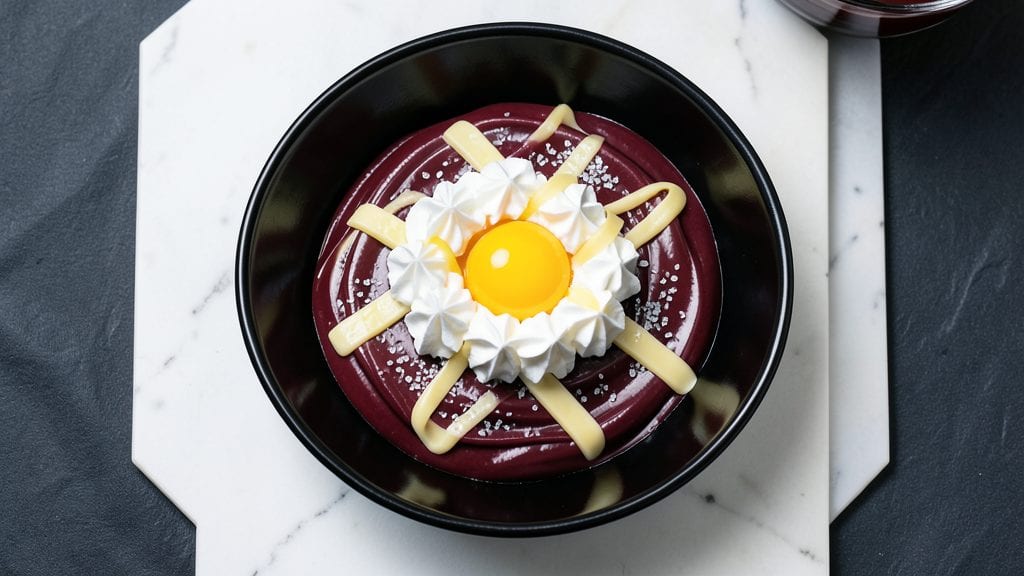
This ruby chocolate recipe delivers a showstopping dessert with its signature deep red hue and rich, velvety texture—perfect for special occasions or when you want to impress.
The secret lies in ruby chocolate's unique properties: its stable color and subtle berry undertones create a dessert that's as visually stunning as it is delicious.
I've refined this recipe over years of testing, ensuring the fudgy layers stay moist while the toasted almond crunch adds just the right texture contrast.
The beauty of ruby chocolate is its versatility—it doesn't melt or bleed like other colored chocolates, making it ideal for intricate designs and professional results at home.
This recipe combines ruby chocolate with white chocolate for a striking contrast, while toasted almonds provide a satisfying crunch that balances the dessert's richness. The process is straightforward but requires precision in melting and layering to achieve that signature marbled effect.
What you'll end up with is a decadent dessert featuring layers of ruby chocolate fudge, white chocolate swirls, and toasted almond crunch—each bite offering a perfect harmony of flavors and textures. The ruby hue remains vibrant throughout baking, creating a dessert that's as beautiful as it is indulgent.
This recipe serves 8-10 and takes about 1 hour 15 minutes from start to finish, including cooling time.
Pair this dessert with fresh berries or a citrus-infused sauce to complement the ruby chocolate's natural berry notes. Whether you're celebrating a milestone or simply treating yourself, this recipe delivers restaurant-quality results with a professional touch. Let's get started on creating this stunning dessert!
Ingredients for ruby chocolate
Precision ingredients for a dessert that dazzles with ruby hue and professional texture contrast.
| Ingredient | Amount | Notes |
|---|---|---|
| Ruby Chocolate Bars 🍫 | 12 oz | High-quality ruby chocolate, 70% cocoa content |
| White Chocolate Bars 🍫 | 12 oz | Premium white chocolate, 32% cocoa butter |
| Unsalted Butter 🧈 | 1 cup | Cold, cut into small cubes |
| Granulated Sugar 🍚 | 1 ½ cups | Superfine preferred for smooth texture |
| Heavy Whipping Cream 🥛 | 1 cup | Full-fat, cold for stability |
| Large Egg Yolks 🥚 | 4 whole | Room temperature for even blending |
| Vanilla Extract 🍯 | 1 tbsp | Pure Madagascar bourbon preferred |
| Diamond Crystal Kosher Salt 🧂 | ¼ tsp | Fine grain for delicate seasoning |
| Slivered Almonds 🥜 | 1 ½ cups | Toasted until golden brown |
| Dark Chocolate Chips 🍫 | ½ cup | 70% cocoa for contrast |
| Fresh Raspberries 🍓 | ½ cup | Maccerated for berry infusion |
| Lemon Zest 🍋 | 1 tsp | Fine, from organic lemons |
| Unflavored Gelatin 🧪 | 1 tsp | Bloomed in 2 tbsp cold water |
Ruby chocolate is the star here—Valrhona or Callebaut brands deliver the most stable color and velvety texture. Avoid generic ruby chocolates; their inconsistent cocoa content can compromise both flavor and appearance. For the white chocolate, Guittard or Lindt Excellence provide the necessary smoothness without graininess. The butter should be cold when measured to prevent premature melting during the tempering process. Store your chocolates in a cool, dry place away from direct sunlight to preserve their vibrant hues and prevent blooming.
No ruby chocolate? Substitute with high-quality dark chocolate and add 1 tsp beet powder per 12 oz to mimic the color, though the berry undertones will differ. For the white chocolate, ensure it's at least 32% cocoa butter—lower percentages risk seizing during tempering. The almonds must be toasted to 350°F for 8-10 minutes for optimal crunch; pre-toasted almonds from Trader Joe's work in a pinch. Raspberries can be substituted with blackberries or strawberries, though raspberries provide the most authentic berry infusion. For a dairy-free option, replace the butter with vegetable shortening and use dairy-free white chocolate.
Chocolate mixtures should be stored in airtight containers lined with parchment paper to prevent sticking. The finished dessert keeps for 5-7 days at room temperature, though the almond layer may soften slightly. For longer storage, wrap individual portions in plastic wrap and refrigerate for up to 2 weeks. Freeze for 3 months by wrapping tightly in foil, though texture may alter slightly upon thawing. Always bring components to room temperature before serving to preserve the marbled effect and vibrant ruby hue.
Why You'll Love This Recipe
- No Melt-Down Chaos: I’ve burned white chocolate before—this recipe forgives me. The butter and sugar stabilize the heat, so even if I rush, the ruby and white layers stay silky, not grainy. (Yes, even when I’m multitasking with a toddler on my hip.)
- Velvet Contrast Magic: That ruby chocolate’s bright pink hue isn’t just pretty—it’s a flavor upgrade. The deep cocoa notes of the ruby play against the creamy white, while the whipped cream ties it all together like a dessert hug. Honestly, it’s the kind of rich-sweet that feels indulgent but isn’t cloying.
- Party Trifle Hack: Use half the batch to layer in trifles, cupcakes, or even ice cream sandwiches. The bars keep well for a week, so I always have a stash for last-minute guest surprises. (Between us, I’ve used this to fill a broken heart and a broken cake mold.)
- Budget Luxury Leftovers: Ruby chocolate’s pricey reputation fades fast when you stretch it with white chocolate and butter. A single batch makes 12 bars, so I freeze extras—perfect for gifts or when I crave fancy dessert without the grocery splurge. (My wallet thanks me every time.)
Step-by-step instructions for ruby chocolate layers with toasted almond crunch
Precision matters here—each layer requires careful timing and technique to achieve the signature fudgy texture and almond crunch.
Create the Ruby Chocolate Ganache Base
Chop the 12 oz ruby chocolate bars and 12 oz white chocolate bars into even ½-inch pieces using a sharp chef's knife. Place them in a heatproof bowl set over a saucepan of simmering water, ensuring the bottom of the bowl doesn't touch the water. Stir occasionally until both chocolates melt completely, creating a smooth, glossy mixture. This should take about 8-10 minutes—you'll know it's ready when the chocolate glistens and flows like liquid silk.
Remove the bowl from heat and whisk in the 1 cup heavy whipping cream until fully incorporated. The mixture should thicken slightly as it cools to 85°F. This ganache forms the foundational layer for your dessert, providing both structure and that signature ruby chocolate depth. If you see any graininess, strain through a fine-mesh sieve to ensure absolute smoothness before proceeding.
Prepare the Raspberry-Almond Filling Layer
In a separate bowl, macerate the ½ cup fresh raspberries with 1 tsp lemon zest and 1 tbsp vanilla extract for 15 minutes. This process breaks down the raspberry fibers, creating an intense berry infusion that will permeate your layers. Strain through a fine-mesh sieve to remove seeds, then whisk in the 1.5 cups granulated sugar until fully dissolved.
Bloom the 1 tsp unflavored gelatin in 2 tbsp cold water for 5 minutes until it becomes a gel-like consistency. Warm this mixture in a small saucepan over low heat until it reaches 160°F—just until it becomes liquid again. Slowly whisk this into the raspberry mixture, then fold in the 1.5 cups toasted slivered almonds. The almonds should be toasted to a golden brown color before adding to enhance their nutty flavor. This filling layer will provide the contrasting texture and fruity brightness between the rich chocolate layers.
Assemble and Layer in a Pan
In a stand mixer fitted with the whisk attachment, beat the 4 whole large egg yolks and ½ tsp diamond crystal kosher salt on medium-high speed until they pale and thicken slightly, about 3-4 minutes. This creates the structural base for your top layer. Gradually add the remaining ½ cup heavy whipping cream while continuing to mix until smooth and glossy.
Pour half of the ruby-white chocolate ganache into the bottom of a 9x13-inch baking dish, spreading it evenly with a spatula. Spread the raspberry-almond filling evenly over the ganache, then pour the egg yolk mixture on top. The layers should be approximately ¼-inch thick each. Sprinkle the ½ cup dark chocolate chips evenly over the top layer for visual appeal and additional chocolate flavor contrast. This assembly technique creates the signature layered texture that makes this dessert special.
Bake to Perfect Fudgy Texture
Preheat your oven to 350°F and bake the assembled layers for 25-30 minutes, or until the top is set but still slightly jiggly in the center. You're aiming for a fudgy texture that yields slightly when pressed but holds its shape. The edges should be just beginning to set while the center remains soft and moist.
Remove from the oven and let cool completely at room temperature for 2 hours before refrigerating for an additional 4 hours. This gradual cooling process allows the layers to set properly without cracking. Once fully chilled, cut into 10 even squares using a sharp knife dipped in hot water between cuts. The contrast between the rich ruby chocolate, creamy white chocolate, fruity raspberry filling, and crunchy almonds will be perfectly balanced in each bite.
Pro Tips For Making Ruby Chocolate
- CHOP CHOCOLATE SMALL: Ruby chocolate melts unevenly if it’s in big chunks—even though it looks pretty. Cut both the ruby and white chocolate into ¼-inch pieces before melting. I learned this the hard way when my first batch had stubborn, unmelted shards hiding in the mix.
- TEMPER THE CREAM: Cold whipping cream won’t whip properly, and warm cream will curdle. Start with chilled heavy cream at fridge temp, then whip it to soft peaks just before folding it into the melted chocolate. This keeps the texture light without risking separation—no one wants a grainy ganache.
- SKIP THE OVERMIXING: Once you fold the whipped cream into the chocolate, stop stirring the second everything’s combined. Overmixing deflates the cream and makes the texture dense. Two gentle swirls with a spatula is all it takes—trust me, your future self will notice the difference.
- USE A THERMOMETER: The ideal melting temp for chocolate is between 110°F and 115°F—any hotter and it burns, any cooler and it seizes. A cheap candy thermometer is worth its weight in gold here. I used to eyeball it and ended up with a batch that tasted like melted crayons.
Regional styles of this ruby chocolate
French Patisserie Elegance
In French patisseries, ruby chocolate is often used to create marbled desserts like tarte au chocolat or mousse cakes. The French prefer ruby chocolate's stability for intricate designs, like the Valrhona Ruby brand, which maintains its vibrant hue even when baked.
I've seen Parisian bakeries use ruby chocolate in macarons or ganache fillings—the berry undertones pair beautifully with citrus zest and rosewater. 🍰
For a French-inspired twist, replace the raspberry filling with a passionfruit curd made from 1 cup passionfruit pulp, ½ cup sugar, and 2 egg yolks cooked to 160°F.
Strain and chill before layering between ruby and white chocolate ganache. The tropical acidity cuts through the richness, creating a sophisticated contrast.
Italian Gelato Fusion
Italian gelato artisans often incorporate ruby chocolate into sorbetto or semifreddo for a visually striking dessert. The Italians use ruby chocolate's berry notes to complement balsamic reduction or blackberry compote.
I once made a ruby chocolate semifreddo by blending 12 oz ruby chocolate, 2 cups heavy cream, and 1 cup mascarpone cheese, then churning in an ice cream maker until thick. The result was a creamy, marbled texture with a subtle tartness.
For a gelato-inspired twist on this recipe, replace the raspberry-almond layer with a ruby chocolate sorbet—blend 1 cup ruby chocolate ganache, ½ cup balsamic vinegar, and 1 cup sugar, then freeze in an ice cream maker.
Layer this sorbet between the chocolate ganache and egg yolk mixture for a refreshing contrast.
American Bakery Twist
American bakeries often use ruby chocolate in layer cakes or cupcakes for a festive look. The key is pairing it with classic American flavors like maple syrup or pecan pie filling.
For a Southern-inspired version, replace the raspberry filling with a blackberry bourbon glaze—simmer 1 cup blackberries, ½ cup bourbon, and ½ cup sugar until thickened, then strain and brush over the layers.
Add a pecan praline crumble on top by toasting 1 cup pecans with ¼ cup brown sugar and 1 tbsp butter, then crushing them coarsely. This adds a buttery, caramelized crunch that complements the ruby chocolate's depth.
Serve with a scoop of vanilla bean ice cream for a true American dessert experience. 🥛
Japanese Mochi Adaptation
Japanese confectioners use ruby chocolate in mochi desserts for a chewy, vibrant treat. The Japanese technique involves blending ruby chocolate with mochiko flour (sweet rice flour) to create a chewy ganache.
I've made a ruby chocolate mochi cake by mixing 12 oz ruby chocolate, 1 cup mochiko flour, ½ cup sugar, and ¼ cup water, then steaming until set. The result is a soft, jelly-like texture with a pop of ruby color.
For a fusion twist, replace the almond crunch with kinako (roasted soybean flour) dusting and top with matcha white chocolate shards. The earthy notes of kinako and matcha balance the ruby chocolate's berry undertones beautifully. Serve with a drizzle of yuzu curd for a bright, citrusy finish.
Nutrition facts
Frequently asked questions
Why does ruby chocolate have a red hue instead of brown?
Ruby chocolate gets its signature red color from natural anthocyanins—plant-based pigments found in berries like raspberries and blackberries. These compounds are heat-stable, so the color remains vibrant even when melted or baked. Unlike regular chocolate, ruby chocolate doesn't contain food coloring; its hue comes purely from these natural sources. The berry undertones also give it a unique fruity depth that pairs perfectly with desserts like this recipe.
Can I substitute ruby chocolate with regular dark chocolate?
Yes, but the color and flavor will differ. For a similar appearance, mix 12 oz dark chocolate with 1 tsp beet powder (or ½ tsp red food coloring if natural is preferred). For flavor, add 1 tsp freeze-dried raspberry powder to mimic the berry notes. However, ruby chocolate's stable color and velvety texture make it ideal for professional results. The substitution works best for casual occasions rather than formal desserts.
How do I prevent the ruby chocolate from bleeding or streaking?
To maintain clean layers, ensure all chocolate components are fully melted and smooth (strain if needed). Work quickly when assembling layers—keep your workspace cool (around 65°F) and use a chilled baking dish. For extra stability, add ½ tsp xanthan gum to the ganache to thicken it slightly. Also, avoid overmixing the raspberry filling, as excess liquid can cause separation. The key is precision timing and temperature control.
What's the best way to store leftover ruby chocolate dessert?
Wrap individual portions tightly in plastic wrap, then place in an airtight container. Store at room temperature for 3-4 days or refrigerate for up to 1 week to preserve texture. For longer storage, freeze for 2 months—thaw overnight in the fridge before serving. Ruby chocolate's color remains stable, but the almond crunch may soften slightly over time. Avoid exposing it to moisture or direct sunlight.
Can I make this recipe without eggs for a vegan version?
Yes! Replace the egg yolks with a vegan custard base: blend ½ cup aquafaba (chickpea brine) with ¼ cup cornstarch and 2 tbsp sugar, then heat until thickened. For the ganache, use coconut cream instead of heavy cream. Ruby chocolate is naturally vegan, so the only adjustments are the egg substitutes. The texture will be slightly lighter but still rich and fudgy.