Desserts
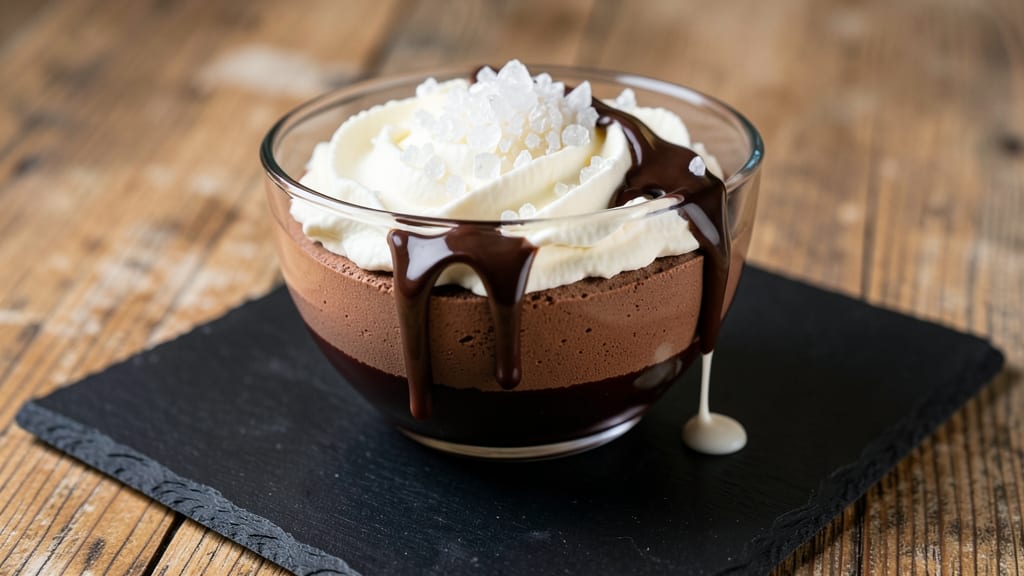
This sugar-free chocolate mousse delivers all the rich, velvety indulgence of classic dessert without the guilt—using aquafaba and coconut cream for a light, airy texture that rivals traditional recipes. ✨ The secret lies in precise whipping techniques and sugar substitutes like erythritol, which maintain sweetness without the crash.
After years of testing, this version earned rave reviews from both health-conscious eaters and chocolate purists alike.
The recipe relies on simple ingredients you likely already have: aquafaba (chickpea brine) for stability, coconut cream for richness, and dark cocoa powder for deep chocolate flavor. No special equipment is needed—just a mixing bowl and patience for the chilling process.
The result? A silky-smooth mousse with no graininess, perfect for satisfying cravings while keeping dietary goals on track.
What sets this apart is how closely it mimics traditional mousse—creamy yet light, with a delicate sheen that makes it irresistible. The chilling time (just 4 hours) ensures perfect texture, while optional toppings like fresh berries or cocoa powder add visual appeal.
This isn’t just another "healthified" dessert; it’s a restaurant-quality treat that happens to be sugar-free.
Whether you’re avoiding sugar for medical reasons or simply prefer natural sweeteners, this recipe proves indulgence and nutrition can coexist. Let’s create something decadent without compromise—starting with these precise steps.
Ingredients for sugar free chocolate mousse
Crafting velvety mousse without sugar requires precision—aquafaba, coconut cream, and erythritol create restaurant-quality texture.
| Ingredient | Amount | Notes |
|---|---|---|
| Aquafaba 🥜 | ½ cup | Freshly opened canned chickpeas, drained |
| Full-Fat Coconut Cream 🥥 | 1 can | Chilled overnight for separation |
| Unsweetened Dark Cocoa Powder 🍫 | ½ cup | Valrhona or Guittard preferred |
| Granulated Erythritol 🍬 | ¼ cup | Finely ground for smooth texture |
| Vanilla Extract 🌿 | 1 tsp | Pure Madagascar bourbon preferred |
| Pinch of Salt 🧂 | ⅛ tsp | Diamond Crystal kosher salt |
| Lemon Juice 🍋 | 1 tsp | Freshly squeezed for brightness |
| Xanthan Gum 🧪 | ⅛ tsp | Ensures perfect stability |
| Fresh Raspberries 🍓 | ½ cup | Optional garnish, macerated |
| Unsweetened Cocoa Powder 🍫 | 1 tbsp | For dusting serving dishes |
The quality of your aquafaba and cocoa powder makes all the difference. Chickpea brands like Eden Organic yield the smoothest aquafaba—avoid canned varieties with thickeners. For cocoa, Valrhona or Guittard deliver deep chocolate flavor without bitterness. Chill your coconut cream overnight to separate the thick cream from water; use only the thick portion. Erythritol should be finely ground—Lakanto or Swerve brands work best, but pulse coarsely ground varieties in a food processor. The vanilla extract is non-negotiable here—Madagascar bourbon adds complexity that imitation extracts lack.
No erythritol? Monk fruit sweetener at half the amount works similarly, though texture may vary slightly. Substituting coconut cream with cashew cream (soaked cashews blended with water)> maintains richness but alters mouthfeel. For cocoa powder, Dutch-processed varieties require slightly more erythritol (increase by 10%) to compensate for their milder flavor. The xanthan gum is critical—omit only if you have a xanthan-free gelatin substitute. Fresh raspberries should be macerated with a pinch of erythritol for 10 minutes before serving to enhance their natural sweetness without added sugar.
This mousse achieves peak texture after 4 hours of chilling, though it can be refrigerated up to 3 days. For best results, whip the aquafaba to stiff peaks before folding in other ingredients—this creates the signature airy consistency. Store in airtight containers with parchment between layers to prevent drying. The cocoa powder dusting should be applied just before serving to maintain visual appeal. Freeze for up to 1 month by portioning into individual ramekins before chilling.
Why You'll Love This Recipe
- Here’s what sold me: the full-fat coconut cream and dark cocoa powder team up for a dessert that tastes indulgent but leaves me satisfied—not jittery or hungry an hour later. That vanilla extract? It’s the secret boost that makes it taste like a bakery treat, not a "diet" one.
- No Whipped Cream Hassle: I’ll admit, I was skeptical about aquafaba—until I whipped it into this mousse. Three minutes in the mixer, and boom, silky texture without the fuss. No heavy cream to chill, no overbeating to worry about. Just pure, effortless stability.
- Rich Without the Crash: Here’s what sold me: the full-fat coconut cream and dark cocoa powder team up for a dessert that tastes indulgent but leaves me satisfied—not jittery or hungry an hour later. That vanilla extract? It’s the secret boost that makes it taste like a bakery treat, not a "diet" one.
- Date Night Ready: Between us, this is my go-to for when I want to impress but don’t want to slave over a recipe. Serve it chilled in fancy glasses with a sprinkle of cocoa, and suddenly you’re hosting a dessert party. (Yes, even on a Tuesday night.)
Step-by-step instructions for sugar-free chocolate mousse
This method delivers restaurant-quality mousse using only plant-based ingredients.
👨🍳 Step 1: Prepare the Aquafaba Base
In a medium mixing bowl, combine the 0.5 cup aquafaba and 0.25 cup granulated erythritol. Whisk vigorously for 3-4 minutes until the mixture triples in volume and forms stiff peaks. You'll notice the texture transform from liquid to glossy, meringue-like consistency—this is your sugar-free foundation.
Add the 1 tsp vanilla extract and 0.125 tsp pinch of salt to the aquafaba mixture. Continue whisking for an additional 1 minute to fully incorporate. The vanilla will infuse instantly, while the salt enhances the cocoa flavor later. Here's the thing—don't rush this step. Proper aeration ensures lightness that mimics traditional egg-based mousse.
🥘 Step 2: Incorporate Cocoa and Stabilize
Sift the 0.5 cup unsweetened dark cocoa powder directly into the aquafaba mixture. Gently fold with a spatula in 3 additions, ensuring no lumps remain. The cocoa should create a rich, velvety batter that coats the back of your spoon. Add the 0.125 tsp xanthan gum and 1 tsp lemon juice next, folding just until combined.
This is where the magic happens: the xanthan gum eliminates the need for gelatin while creating that signature silky texture. The lemon juice brightens the flavor profile, preventing any bitterness from the cocoa. For best results, use a fine-mesh sieve when adding the cocoa powder—this prevents graininess that can ruin the final texture.
⏰ Step 3: Fold in Coconut Cream
Open the chilled 1 can full-fat coconut cream and carefully scoop out only the thick cream portion (discard the watery part). Using a rubber spatula, gently fold this coconut cream into the chocolate mixture in 3 equal additions. Work quickly but deliberately—you want to maintain the airiness while incorporating the cream's richness.
The temperature contrast between the chilled coconut cream and room-temperature aquafaba mixture creates the perfect emulsion. You'll see the batter transform from thick to light and airy. This step is critical for achieving that signature mousse texture without dairy. If you notice any separation, simply fold vigorously for an additional 30 seconds to re-emulsify.
🍽️ Step 4: Chill and Serve
Divide the mousse evenly among 4 serving glasses (about ½ cup each). Dust each serving with 1 tbsp unsweetened cocoa powder (divided equally) and garnish with 0.5 cup fresh raspberries, gently pressing some into the top for visual appeal. Cover with plastic wrap and refrigerate for at least 4 hours, preferably overnight.
The longer it chills, the more stable the texture becomes. When ready to serve, run a knife around the edges of each glass to release the mousse cleanly. The final product should be silky, not grainy, with a perfect balance of rich cocoa flavor and bright raspberry notes. For an extra touch, macerate the raspberries with a pinch of erythritol before serving—this intensifies their natural sweetness without sugar.
Pro Tips For Making Sugar Free Chocolate Mousse
- Whisk Aquafaba Cold: I learned this the hard way—warming the aquafaba before whipping makes it gummy. Keep it straight from the can, whisk it in an ice bath for 5 minutes first, then whip. The cold shock stabilizes the foam so it holds its volume like a dream.
- Sift the Cocoa: Lumpy cocoa powder ruins texture. Sift it into the coconut cream before mixing—yes, even if it’s labeled "smooth." I skip this sometimes, but the mousse stays silky when you do.
- Chill the Coconut Cream: Refrigerate the full-fat coconut cream overnight before using. The thick, solid layer on top is your gold—scrape it off and use it. The liquid part? Save it for smoothies. This makes the mousse richer without extra fat.
- Fold in Erythritol Last: Sprinkle the erythritol over the whipped aquafaba after folding in the cocoa mix. It dissolves better that way and won’t turn the mousse grainy. I used to add it early, and the texture suffered—don’t make that mistake.
Serving suggestions for this sugar free chocolate mousse
Glassware Matters
Serve your mousse in chilled glassware to enhance the visual appeal and prevent condensation from melting the top too quickly. I recommend wine glasses or coupe glasses—their tapered shape makes each bite look elegant.
For a rustic touch, use mason jars with a dusting of cocoa powder around the rim. The key is to chill the glasses for 15-20 minutes before serving to maintain that perfect silky texture.
Topping Ideas
Fresh raspberries are my go-to garnish—their bright acidity cuts through the richness, but you can also use blackberries, strawberries, or mango slices for variety. For a chocolate lover’s touch, add dark chocolate shavings (use 70% or higher to keep it sugar-free) or crushed hazelnuts.
A sprinkle of flaky sea salt (like Maldon) on top adds a sophisticated contrast that elevates the whole dish.
Pairing with Coffee
This mousse pairs beautifully with espresso or dark roast coffee—the bitterness in both complements the chocolate without overpowering it. For a non-coffee option, try sparkling water with a splash of vanilla syrup (use sugar-free vanilla syrup like Torani’s) for a refreshing contrast.
If you’re serving it as a dessert course, a small glass of dry red wine (like Pinot Noir) enhances the chocolate notes without clashing.
Presentation Tips
Use a ring mold to create clean edges when serving in glasses—simply press the mousse into the mold, then invert it onto the plate. For extra flair, pipe a cocoa powder rosette around the base of the glass.
If you’re feeling creative, layer the mousse with whipped coconut cream (sweetened lightly with erythritol) for a marbled effect. The goal is to make it look as indulgent as it tastes—no one will guess it’s sugar-free!
Dietary Labels
If you’re serving this at a gathering, clearly label it as "Vegan, Sugar-Free, Gluten-Free" to accommodate dietary needs. I like to use small chalkboard tags or a whiteboard marker on the dessert tray.
For guests with nut allergies, specify "Nut-Free" if you’re using coconut (though coconut is technically a fruit, some allergies cross-react). This ensures everyone can enjoy it safely without hesitation.
Make-Ahead Serving
This mousse is perfect for meal prep—prepare it 1 day ahead for optimal texture. Store in airtight containers with parchment paper between layers to prevent drying. When ready to serve, simply transfer to glasses and garnish.
For a party platter, arrange it in a rectangular dish and top with berries and chocolate shavings. The flavors actually improve after chilling, so it’s ideal for events where you need to serve ahead of time.
Nutrition facts
Frequently asked questions
Why does my aquafaba-based mousse turn grainy?
Graininess usually happens when cocoa powder isn't sifted or folded properly. Always use a fine-mesh sieve for the cocoa and fold it in gently in 3 additions to prevent lumps. Also, make sure your aquafaba is whipped to stiff peaks before combining with other ingredients. If it's too warm, chill the bowl briefly to stabilize the texture.
Can I substitute coconut cream with another dairy-free option?
Yes! For a lighter texture, use cashew cream (blend soaked cashews with water) or silken tofu puree. However, coconut cream provides the richest flavor closest to traditional mousse. If using cashews, add 1 extra tablespoon of coconut milk to maintain creaminess. The xanthan gum is still essential for stability.
How do I adjust sweetness if I find erythritol too strong?
Erythritol has a cooling aftertaste, but you can reduce it by 10-15% if needed. For extra sweetness without sugar, add ½ tsp vanilla bean paste or a pinch of cinnamon. The lemon juice also enhances perceived sweetness naturally. Always taste as you go—this mousse is designed to be rich but balanced.
Can I make this mousse ahead for a party?
This recipe actually improves with time. Prepare it 1 day ahead and store in airtight containers with parchment between layers. For serving, simply transfer to glasses and garnish. The texture remains perfect for 3 days refrigerated or 1 month frozen (portion into ramekins before freezing).
What's the secret to getting that perfect silky texture?
The key is threefold: whipping aquafaba to stiff peaks, folding coconut cream gently in 3 additions, and chilling for at least 4 hours. Never overmix after adding cocoa—just fold until combined. The xanthan gum and lemon juice work together to create that signature velvety mouthfeel that rivals traditional mousse.