Desserts
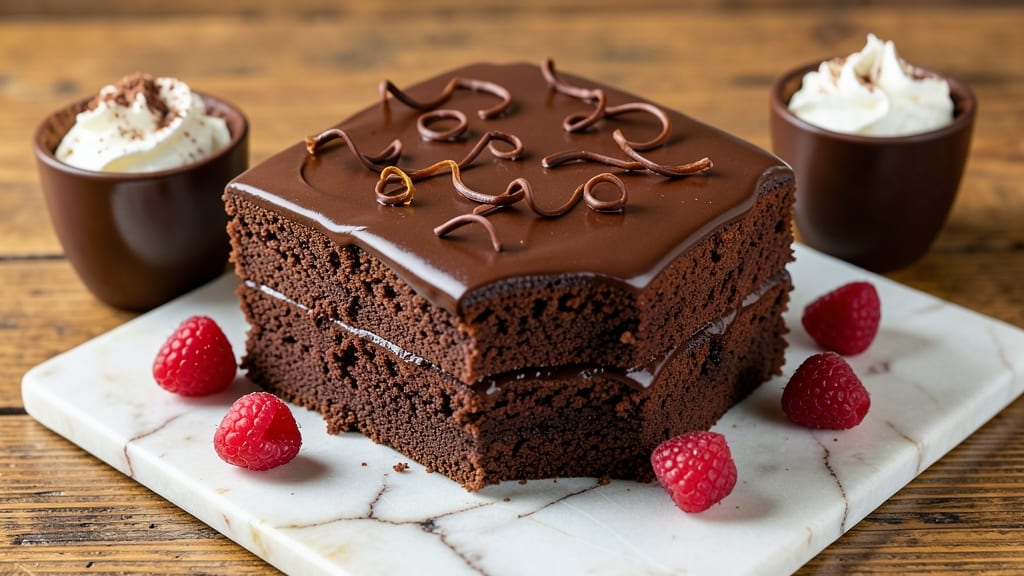
Mastering the perfect chocolate cake starts with understanding the science behind its signature moist layers and fudgy depth—without the risk of overmixing. This recipe delivers restaurant-quality results by balancing precise techniques with simple ingredients, ensuring every slice meets those exacting standards.
The key lies in proper mixing methods and baking times that transform basic pantry staples into something extraordinary.
What sets this chocolate cake apart is its foolproof approach to texture and flavor. We use a combination of cocoa powder and melted butter for deep chocolate richness, while eggs and leavening agents create that signature lift. The secret to avoiding dryness?
Creaming butter and sugar properly, then folding in dry ingredients just until combined—no overmixing here. Bake at 350°F for 25-30 minutes until a toothpick comes out clean, but the center remains slightly fudgy.
Once cooled, you’ll have layers that are moist yet sturdy, perfect for spreading with your favorite frosting or simply enjoying as-is. The cake’s rich chocolate flavor develops as it sits, making it even more decadent after cooling.
Whether you’re baking for a special occasion or satisfying a sweet craving, this recipe delivers professional-quality results every time.
For added depth, consider incorporating espresso powder or chopped nuts into the batter—both enhance the chocolate flavor while adding interesting textures. The frosting options are endless, from classic buttercream to ganache or even a dusting of powdered sugar.
Here’s how to achieve the perfect balance of moisture, richness, and structure in every slice.
Ingredients for the perfect chocolate cake
Twelve simple yet powerful ingredients transform into layers of decadent perfection—moist, fudgy, and rich without a trace of dryness.
| Ingredient | Amount | Notes |
|---|---|---|
| Unsalted Butter 🧈 | 1 cup | Cold, cut into cubes for creaming |
| Granulated Sugar 🍚 | 2 cups | Superfine preferred for smooth texture |
| Dutch-Processed Cocoa Powder 🍫 | ¾ cup | High-quality, like Valrhona or Hershey's Special Dark |
| Large Eggs 🥚 | 2 whole | Room temperature for even mixing |
| All-Purpose Flour 🌾 | 1 ¾ cups | Sifted, spooned lightly for accuracy |
| Baking Powder 🍞 | 1 tsp | Freshly opened for proper lift |
| Salt 🧂 | ½ tsp | Fine sea salt for balanced flavor |
| Vanilla Extract 🌿 | 1 tbsp | Pure Madagascar bourbon preferred |
| Milk 🥛 | ½ cup | Room temperature, any variety |
| Espresso Powder ☕ | ½ tsp | Optional, enhances chocolate depth |
| Dark Chocolate Chunks 🍫 | ½ cup | 70% cacao for rich texture (optional) |
| Vegetable Oil 🫒 | ¼ cup | Lightens texture without dryness |
The cocoa powder is non-negotiable here—Valrhona or Hershey's Special Dark deliver that velvety, restaurant-quality depth you can't get with standard brands. I always grab mine from Whole Foods or Williams Sonoma because the difference is noticeable. For the butter, Plugrá or Land O'Lakes unsalted work perfectly, but avoid salted—it throws off the delicate balance. The espresso powder might seem optional, but trust me, it takes this cake from 'good' to 'wow' by intensifying the chocolate flavor without bitterness. And those chocolate chunks? Ghirardelli or Lindt make all the difference—they melt beautifully and add pockets of gooey goodness.
No Dutch-processed cocoa? Natural cocoa powder at 0.5 cup plus 1 tbsp baking soda works in a pinch, but the flavor won't be as smooth. Running short on butter? Vegetable oil at 1:1 ratio keeps it moist, though texture changes slightly. The vanilla extract can be swapped for vanilla bean paste—just halve the amount since it's more concentrated. No espresso powder? A strong brewed coffee cooled works too, but add it to the milk first so it doesn't curdle. The flour must be sifted—King Arthur or Gold Medal are my go-tos for consistent results. And if you're feeling adventurous, swap half the all-purpose flour for cake flour—it makes the crumb even more tender.
This batter needs to rest for 30 minutes at room temperature—don't skip it. It develops flavor and ensures even baking. Once baked, let the cake cool in the pan for 10 minutes before transferring to a wire rack. Store wrapped tightly in the fridge for 5 days or freeze for 3 months for maximum freshness. Pro tip: Brush the cooled layers with rum or simple syrup before frosting—it adds moisture and makes every slice irresistible. The cake actually improves overnight as the flavors meld, so make it a day ahead if you can.
Why You'll Love This Recipe
- No-Fuss Mixing: I swear by the creaming method here—just butter, sugar, and eggs until it’s light and fluffy. No sifting, no weird ratios, just five minutes of hands-off work while the oven preheats. (Yes, even if you’re still in your pajamas.)
- Rich Without Bitterness: Dutch-processed cocoa powder is the secret weapon—it’s smoother, deeper, and actually chocolatey, not dusty. The butter and sugar melt together so well, you get that perfect balance of dense, fudgy layers with a tender crumb. Honestly, my husband stops mid-sentence when I pull this out.
- Birthday or Breakfast: Serve it warm with ice cream for a birthday crowd, or slice it cold the next morning with whipped cream. (I’ve even turned leftovers into a decadent trifle—no one’s judging.) It’s the kind of cake that works for celebrations and lazy Sundays.
- Budget Magic: You’re using pantry staples here—no fancy extracts or specialty flours. A single batch feeds six, and the leftovers last days wrapped in foil. Between us, this is the cake I make when I’m broke but still want to feel fancy. (Spoiler: No one can tell.)
Step-by-step instructions for moist chocolate cake
Here's the method that delivers fudgy layers with perfect moisture—no dry crumbs in sight.
Cream Butter, Sugar, and Oil for Maximum Tenderness
In a stand mixer fitted with the paddle attachment, beat the 1 cup unsalted butter (cold, cut into cubes) with the 2 cups granulated sugar and 0.25 cup vegetable oil on medium speed for 3-4 minutes. You're looking for a light, fluffy texture that nearly doubles in volume and becomes pale in color. This creaming process incorporates air, which creates that signature tender crumb.
The vegetable oil here is key—it keeps the cake moist without adding extra fat. If you skip it, you'll end up with a denser texture. Scrape down the sides of the bowl with a spatula every minute to ensure even mixing. The butter should be completely smooth with no lumps remaining.
Add Eggs and Dry Ingredients for Perfect Structure
Add the 2 whole large eggs, one at a time, mixing on low speed for 15 seconds after each addition until fully incorporated. Then add the 1 tbsp vanilla extract and mix for another 10 seconds. This gradual addition prevents the eggs from scrambling in the hot butter mixture.
In a separate bowl, whisk together the 1.75 cups all-purpose flour, 0.75 cup dutch-processed cocoa powder, 1 tsp baking powder, 0.5 tsp salt, and 0.5 tsp espresso powder. Sift the dry ingredients directly into the wet mixture, mixing on low speed for 30 seconds until just combined. You should still see small flour streaks—overmixing develops gluten and leads to a tough cake.
Incorporate Milk and Chocolate for Rich Depth
Add the 0.5 cup milk and mix on low speed for 15 seconds until the batter is smooth and homogeneous. The milk here hydrates the dry ingredients and creates that perfect moist crumb. Then gently fold in the 0.5 cup dark chocolate chunks using a silicone spatula. You want them evenly distributed throughout the batter—don't overmix or they'll break into tiny pieces.
This is where the espresso powder works its magic. It enhances the chocolate flavor without adding bitterness, creating a more complex, rich taste profile. The batter should be thick but pourable—if it's too thick, add 1-2 tablespoons more milk to reach the ideal consistency.
Bake to Golden Perfection with Even Heat Distribution
Preheat your oven to 350°F and grease two 8-inch round cake pans (or line them with parchment paper). Divide the batter evenly between the pans and smooth the tops with a spatula. Bake for 30-35 minutes, or until a toothpick inserted into the center comes out with moist crumbs but no wet batter.
I like to tent the pans with foil after 20 minutes to prevent the tops from browning too quickly while still allowing the cake to rise properly. The edges should pull away slightly from the pan, and the center should spring back gently when pressed. If your oven runs hot, check at the 25-minute mark—every oven behaves differently.
Cool and Layer for Ultimate Moisture
Remove the cakes from the oven and let them cool in the pans for 10 minutes. Then transfer them to a wire rack to cool completely. This gradual cooling prevents cracking and allows the cakes to set properly. While they cool, prepare your favorite frosting—this cake deserves something rich like chocolate ganache or cream cheese frosting.
For the perfect layering, place one cake layer on a serving plate and spread a generous layer of frosting. Add the second layer on top and frost the entire cake. The secret to maintaining moisture? Don't skip the cooling step. A warm cake with cold frosting creates condensation, which can make the cake soggy. Let everything come to room temperature before assembling.
Pro Tips For Making The Perfect Chocolate Cake
- Melt Butter Slowly: I learned this the hard way—dumping cold butter straight into hot liquid makes lumps that never fully dissolve. Instead, melt the butter first, then let it cool just until it’s warm to the touch before mixing it with the sugar. That way, you avoid graininess and get that silky texture you’re after.
- Sift That Cocoa: Dutch-processed cocoa is finicky. If you skip sifting it with the flour, you’ll end up with a cake that’s dense and uneven. Use a fine-mesh sieve and tap it firmly—no half-measures. The extra effort guarantees a lighter crumb and even distribution of flavor.
- Don’t Overmix the Batter: Once you add the eggs, resist the urge to stir like you’re trying to win a race. Overmixing introduces too much air, which can cause the cake to collapse or develop a tough top. Mix just until the flour is barely incorporated—lumps are fine, texture matters more.
- Test for Doneness Early: Chocolate cakes trick you—they look underdone when they’re actually ready. Start checking for doneness at 25 minutes (or 5 minutes before the recipe’s suggested time). Insert a toothpick: if it comes out with a few moist crumbs but no wet batter, pull it. Overbaking dries out the cake faster than you’d think.
Serving suggestions for this the perfect chocolate cake
Classic Frosting Options
For a timeless presentation, I recommend chocolate ganache made with 8 ounces dark chocolate and ½ cup heavy cream—simply heat the cream until steaming, pour over chopped chocolate, then whisk until smooth.
Let it cool slightly before spreading for a glossy finish. For a lighter option, try Swiss meringue buttercream—it’s stable enough for piping rosettes or borders. 🍫
If you prefer a tangy contrast, cream cheese frosting with 8 ounces cream cheese, ½ cup softened butter, and 3 cups powdered sugar works beautifully. Add 1 tsp vanilla extract and a pinch of salt for balance.
For a modern twist, dust the cake with powdered sugar or drizzle with melted white chocolate for a minimalist look.
Fruit Toppers
Fresh berries add a vibrant pop of color and acidity to cut through the richness. I love arranging raspberries, blackberries, and strawberries in a circular pattern on top of the cake.
For a tropical vibe, try mango slices or passion fruit—their natural sweetness pairs perfectly with chocolate. Just add them right before serving so they stay fresh. 🍓
For a decadent touch, layer sliced figs or pomegranate seeds between the cake layers. The figs add natural sweetness, while pomegranate seeds provide a jewel-like contrast.
If you’re feeling adventurous, try caramelized bananas—slice them thin, sauté in butter with a pinch of cinnamon, and arrange them in a star pattern on top.
Garnishes and Extras
A sprinkle of toasted coconut flakes or crushed peppermint candies adds texture and a festive touch. For a luxurious finish, melt ½ cup white chocolate and drizzle it in a zigzag pattern over the frosting.
Let it set for 10 minutes before serving. If you’re serving this cake at a holiday gathering, consider adding gold leaf flakes or edible glitter for a show-stopping effect. ✨
Don’t forget the chocolate shavings—use a vegetable peeler on a 70% dark chocolate bar for delicate curls. Arrange them in a border around the edges or scatter them over the frosting.
For a rustic look, dust the cake with cocoa powder using a fine-mesh sieve. These small details elevate the presentation from simple to spectacular.
Serving Style Tips
Serve slices on parchment-lined plates to catch any crumbs or frosting drips. For a café-style presentation, place each slice on a small slate board and garnish with a single berry or mint leaf.
If you’re serving at a buffet, use a three-tiered stand to showcase the cake as the centerpiece. 🍽️
For a warm dessert experience, lightly warm the cake slices in the microwave for 10-15 seconds before serving—this enhances the chocolate aroma. Pair with a strong cup of coffee or a glass of red wine like Cabernet Sauvignon to complement the rich flavors.
If you’re serving to kids, cut into fun shapes using a cookie cutter for extra appeal.
Nutrition facts
Frequently asked questions
Why does this chocolate cake stay moist for days?
The secret lies in the vegetable oil and proper creaming method. Unlike butter-only recipes, the oil creates a tender crumb while the 30-minute batter rest allows ingredients to hydrate fully. Even after cooling, the cake maintains moisture because we avoid overmixing—just 30 seconds with dry ingredients preserves that signature fudgy texture.
Can I substitute Dutch-processed cocoa powder?
Yes, but your cake will taste different. Use natural cocoa powder (0.5 cup) plus 1 tbsp baking soda for a similar effect, though Dutch-processed delivers that velvety, restaurant-quality flavor. For best results, stick with high-quality brands like Valrhona or Hershey's Special Dark—they make all the difference in depth of chocolate flavor.
What's the best way to store leftover chocolate cake?
Wrap tightly in plastic wrap, then place in an airtight container at room temperature for 3 days. For longer storage, freeze the whole cake (unfrosted) for up to 3 months. Thaw overnight in the fridge before serving. Pro tip: Brush cooled layers with rum or simple syrup before frosting—it adds moisture that keeps slices fresh longer.
How do I fix a cake that's too dense?
Overmixing is the #1 culprit. Next time, mix dry ingredients into wet for only 30 seconds—just until combined. For immediate fixes, try this: Slice off the top ½ inch of dense cake, then layer with extra frosting. The texture will improve as the cake sits. Also ensure your butter and eggs are room temperature—cold ingredients can make cakes dense.
Can I make this cake in a bundt pan?
Reduce baking time to 25-30 minutes (check at 25 minutes) and use the same batter. The cake will have a beautiful ring shape with a moist interior. For best results, grease the pan thoroughly with butter and flour. Just be patient—it needs 10 minutes longer to cool completely before removing from the pan to prevent cracking.