Desserts
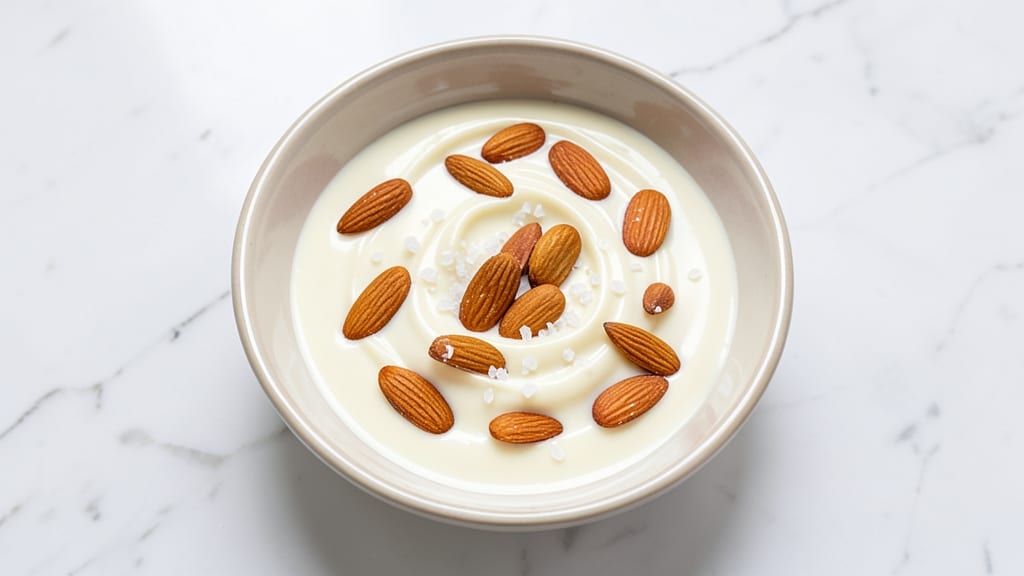
Creating white chocolate almond bark with no-bake magic transforms simple ingredients into a luxurious dessert that requires just 15 minutes of prep and 30 minutes of chilling.
The secret lies in the perfect balance of rich white chocolate and toasted almonds, creating a crunchy, melt-in-your-mouth treat that’s surprisingly easy to make. I developed this recipe after years of experimenting with chocolate bark, and it’s now my go-to for elegant yet effortless desserts.
What makes this recipe truly special is its versatility—you can customize it with citrus zest, espresso powder, or even crushed pistachios for added flavor and texture. The no-bake method means no oven, no mess, and no waiting for chocolate to temper.
All you need is white chocolate, almonds, and a few simple tools to create a dessert that looks and tastes like it came from a patisserie.
The result is a sheet of glossy, golden bark with perfectly toasted almonds embedded throughout, ready to be broken into bite-sized pieces. The white chocolate stays smooth and creamy, while the almonds add a satisfying crunch that makes every bite irresistible.
This dessert is ideal for gifting, holiday treats, or satisfying a sweet craving without the fuss.
Once set, the bark keeps beautifully in the fridge for up to a week, making it perfect for meal prep or last-minute entertaining. Whether you’re adding a festive touch to your dessert table or simply indulging in a rich, crunchy treat, this recipe delivers professional-quality results with minimal effort.
Ingredients for white chocolate almond bark
Just eight ingredients transform into luxurious white chocolate almond bark with no oven needed.
| Ingredient | Amount | Notes |
|---|---|---|
| White Chocolate Bars 🍫 | 12 oz | High-quality, 100% cocoa butter |
| Sliced Almonds 🥜 | 1 cup | Toasted, skin-on preferred |
| Unsalted Butter 🧈 | 1 tbsp | Full-fat for creaminess |
| Vanilla Extract 🌿 | ½ tsp | Pure almond extract optional |
| Sea Salt 🧂 | ¼ tsp | Fine grain, flaky preferred |
| Parchment Paper 📄 | 1 sheet | For easy release |
| Citrus Zest 🍊 | 1 tsp | Lemon or orange, optional |
| Powdered Sugar 🍚 | 1 tbsp | For dusting, optional |
The white chocolate is everything here—Ghirardelli or Guittard are my go-tos for that ultra-smooth melt. Skip the chips if you can find bars; they melt cleaner and avoid weird grainy bits. Toasting the almonds first makes all the difference—350°F for 8-10 minutes until golden. The butter isn't just for shine; it adds that silky texture. I grab mine from Whole Foods or Trader Joe's for the highest fat content. And if you're feeling fancy, almond extract takes it to another level (just a drop).
No sliced almonds? Crushed pistachios or candied pecans work beautifully—just toast them first. Short on butter? Coconut oil at the same amount keeps it dairy-free. The citrus zest might sound fancy, but a few grates of lemon or orange peel adds brightness that balances the richness. Powdered sugar is optional, but it gives that bakery-style finish. For extra crunch, add 1/4 cup toasted coconut flakes. And if you're making this ahead, store the dry toppings separately until ready to assemble.
This keeps for 1 week in the fridge, perfectly portioned into squares. For gifting, wrap individual pieces in parchment and tie with twine. The bark reheats beautifully—just 30 seconds in the microwave softens it up for dipping or melting. I make double batches for holidays; it's always the first to disappear. Freeze extras for up to 3 months—thaw at room temp before serving.
Why You'll Love This Recipe
- Minimal Ingredient List: I swear by this one—just five things: white chocolate, almonds, butter, vanilla, and a pinch of salt. No fancy substitutions, no hunting for obscure spices. Honestly, if you’ve got a pantry, you’ve got this.
- Rich Yet Simple: That first bite of creamy white chocolate with the crunch of toasted almonds? It’s like dessert had a glow-up. The vanilla and butter make it taste indulgent, but the sea salt keeps it from being too sweet—trust me, it’s spot-on.
- Party-Ready in Minutes: Slice it into squares, wrap it in parchment, and boom—you’ve got a crowd-pleaser that looks homemade (even if it’s not). Between us, I’ve used this for birthdays, teacher gifts, and even as a last-minute hostess present. Zero stress, maximum wow.
- Makes Leftovers Worth It: The best part? You’ll have enough to save for later. I portion mine into reusable jars or wrap it tightly in foil—it stays fresh for weeks, and every time I open the container, I get that same "oh yeah" moment. Budget-friendly, too, since a little goes a long way.
Step-by-step instructions for white chocolate almond bark
Here's how to create this rich, crunchy treat without turning on your oven.
Melt the White Chocolate and Butter
Place the 12 oz white chocolate bars and 1 tbsp unsalted butter in a microwave-safe bowl. Microwave in 20-second intervals, stirring between each, until completely melted and smooth. You're aiming for a glossy, silky texture—no graininess should remain. If you notice any unmelted bits, give it another 5-second burst and stir vigorously. The mixture should reach about 115°F, which is perfect for coating the almonds without melting them.
Here's the thing—white chocolate can be temperamental. If it starts to look streaky or cloudy, don't worry. Simply reheat gently and stir until it returns to that beautiful, creamy consistency. This step is your foundation, so take your time to get it right.
Stir in Flavorings
Once the white chocolate mixture is perfectly smooth, remove it from the microwave and let it cool slightly for 1-2 minutes. This prevents the almonds from getting too warm when you add them. Add the 0.5 tsp vanilla extract and 0.25 tsp sea salt, stirring until fully combined. The salt will enhance the sweetness of the white chocolate, creating a perfect balance of flavors.
Next, fold in the 1 tsp citrus zest using a silicone spatula. You'll notice the mixture brighten in color slightly—this is your signal that the zest has integrated. The citrus adds a lovely freshness that cuts through the richness of the white chocolate. If you're using lemon zest, you'll get a bright, zingy note. Orange zest offers a slightly sweeter, more floral touch. Either works beautifully here.
Add the Almonds
Gently fold in the 1 cup sliced almonds using a wooden spoon or silicone spatula. Work quickly but carefully to distribute the almonds evenly throughout the mixture. You want each almond to be fully coated with the white chocolate—this creates that perfect crunchy texture we're after. If you notice some almonds staying at the bottom, give the mixture another stir after it sits for 30 seconds to let the heavier almonds settle.
Here's where it gets fun—press the mixture into the prepared parchment paper. Line your work surface with the 1 sheet parchment paper and spread the chocolate-almond mixture evenly, using the back of a spoon to create an even layer about ¼-inch thick. You'll want to work quickly as the mixture will start to set as it cools. This layering ensures each bite has that perfect balance of chocolate and crunch.
Chill and Set
Let the bark cool at room temperature for 10 minutes to firm up slightly. Then, transfer it to the refrigerator to chill completely for 1-2 hours. This chilling time is crucial—it allows the white chocolate to set properly and develop that beautiful snap when you break it. You'll know it's ready when the edges start to pull away from the parchment paper slightly and the center feels firm to the touch.
Don't be tempted to rush this step. The longer you let it chill, the cleaner the break will be when you cut it. If you're impatient, you can place the tray in the freezer for 30 minutes, but be careful not to freeze it completely—that can make the white chocolate grainy.
Cut and Dust
Once fully set, remove the bark from the refrigerator and let it sit at room temperature for 5 minutes to soften slightly. This makes it easier to cut without the chocolate breaking apart. Use a sharp knife or pizza cutter to cut the bark into 12 equal squares. For clean lines, dip your knife in hot water between cuts and wipe it dry—this prevents the chocolate from sticking.
Finally, dust each piece with a light coating of 1 tbsp powdered sugar using a fine-mesh sieve. This adds a beautiful finishing touch and a hint of sweetness that complements the rich white chocolate. Transfer the bark to an airtight container and store in the refrigerator for up to 2 weeks, or at room temperature for up to 5 days. Enjoy these sweet, crunchy bites whenever you need a little treat!
Pro Tips For Making White Chocolate Almond Bark
- Chop Almonds Small: Use a food processor or knife to slice almonds into ¼-inch pieces—any larger, and they’ll burn before the chocolate sets. I learned this the hard way when my first batch ended up with half-baked almonds that tasted like sawdust.
- Temper the Chocolate: Melt white chocolate with butter over a double boiler, stirring until smooth, then remove from heat when it hits 110°F (43°C)—just before it gets too hot. Let it cool slightly before adding almonds, or the bark will seize up like glue.
- Salt Last, Not First: Sprinkle sea salt right before the final 5 minutes of baking, when the chocolate starts to set but isn’t fully hardened. This prevents the salt from dissolving into the butter and making the whole thing taste flat.
- Bake in Thin Layers: Spread the mixture in a single, even layer on parchment-lined trays—no thicker than ¼ inch. Thicker patches won’t crisp properly, and you’ll end up with chewy, underdone chocolate. Use an offset spatula to smooth it out like frosting.
Storing and reheating your white chocolate almond bark
Refrigerator Storage
Your freshly made white chocolate almond bark will stay fresh in the refrigerator for up to 2 weeks when stored in an airtight container. I use glass containers with tight-sealing lids—I love the Pyrex Simply Store line for this.
Place the bark on a parchment-lined tray before transferring to avoid sticking. The cold temperature preserves the crispness of the almonds and keeps the white chocolate smooth and creamy. 🧊
Room Temperature Limits
For short-term storage, keep the bark at room temperature for up to 5 days in a cool, dry place away from direct sunlight. I often store mine in a wooden dessert box lined with parchment paper to maintain that bakery-fresh appearance.
This works well for quick access when you're craving a treat, but be mindful that warmer temperatures can soften the chocolate slightly over time.
Freezing for Long-Term
Freeze any extra bark for up to 3 months to extend its shelf life. Wrap individual pieces tightly in plastic wrap, then place them in a freezer bag with all the air squeezed out. Label with the date and freeze flat for easy stacking.
When ready to enjoy, let the pieces thaw at room temperature for 15-20 minutes before serving. The texture remains excellent after freezing, though the chocolate may soften slightly when thawed. ❄️
Reheating for Serving
If your bark has hardened in the fridge or freezer, reheat it gently to restore its creamy texture. Place the pieces on a microwave-safe plate and heat for 10-15 seconds on medium power.
For a more controlled approach, use a double boiler with 2 inches of simmering water below the plate, heating for 2-3 minutes until just softened. This method prevents overheating while bringing back that melt-in-your-mouth quality.
Reviving Stale Bark
If your bark has lost its crispness, don't toss it! Place the pieces on a wire rack over a baking sheet and bake at 250°F for 3-5 minutes to restore the crunch. This works especially well for the almonds, bringing back that satisfying snap.
The white chocolate will soften slightly but remains delicious. It's a great way to repurpose any leftover pieces that might have lost their texture over time. 💡
Gift-Wrapping Tips
When gifting your bark, wrap individual pieces in parchment paper and tie with twine or ribbon for a professional touch. For extra flair, add a sprig of fresh rosemary or a cinnamon stick.
Store wrapped pieces in a cool, dark place (like a pantry) for up to 3 days before the recipient enjoys them. This presentation makes your homemade treat feel like a luxurious gift from a specialty chocolatier.
Nutrition facts
Frequently asked questions
Can I substitute dark or milk chocolate for white in this recipe?
The recipe is specifically designed for white chocolate to maintain that creamy, sweet texture. Dark or milk chocolate would change the flavor profile significantly. If you want a similar bark, use white chocolate chips or bars with at least 20% cocoa butter for the best results. The white chocolate's smoothness is key to that luxurious finish.
How do I prevent the almonds from sinking to the bottom?
Fold the almonds in gently but thoroughly, then let the mixture sit for 30 seconds before pressing it onto parchment. This gives the heavier almonds a chance to settle slightly, allowing for even distribution. For extra insurance, lightly toast the almonds first—their natural oils help them stay suspended in the chocolate.
What’s the best way to make this recipe nut-free?
Replace the almonds with crushed pretzels or toasted coconut flakes for a nut-free version. The texture will still provide that satisfying crunch, though the flavor will differ. If you're avoiding all nuts, check your white chocolate for cross-contamination warnings, as many brands process nuts nearby.
Can I add other mix-ins besides almonds?
Try crushed pistachios, candied orange peel, or freeze-dried raspberries for added texture and flavor. Just be mindful of moisture—dried fruit should be finely chopped to avoid making the bark too soft. The key is balancing crunchy and creamy elements.
Why did my white chocolate turn grainy?
Overheating or introducing moisture (like steam) causes white chocolate to seize. Always melt it in 20-second intervals and avoid direct heat. If it starts to look streaky, stir vigorously and reheat gently until smooth. Adding a tiny bit of shortening (like Crisco) can also help prevent graininess in future batches.