Desserts
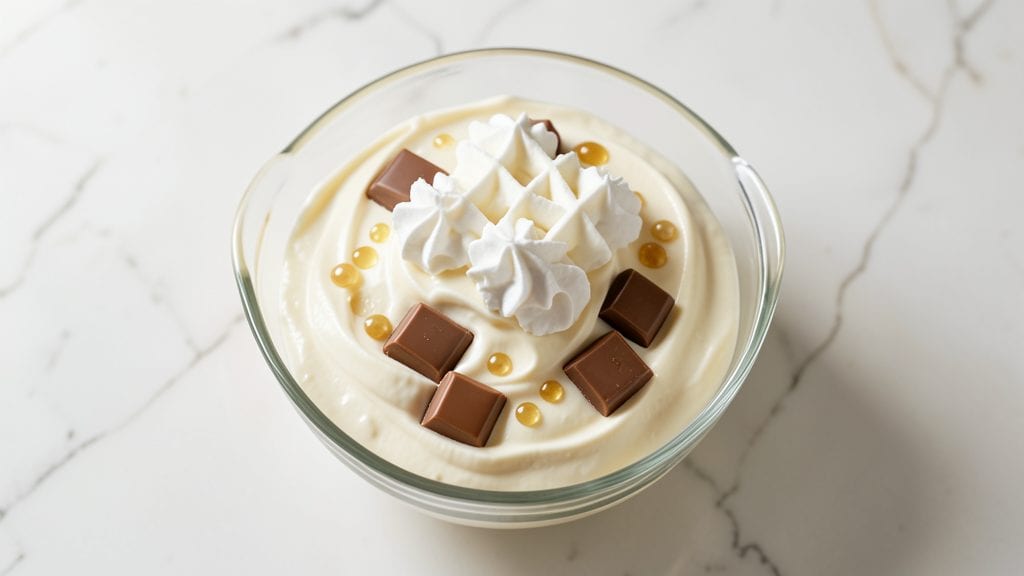
This white chocolate buttercream recipe delivers the velvety, pipeable perfection you’ve been searching for—no grainy texture or separation in sight. The secret lies in tempering the white chocolate properly and whipping the butter to the right consistency, which I’ve perfected after years of testing.
What makes this version stand out is its light, airy finish that still holds its shape for decorating, whether you’re filling layers or swirling roses on cupcakes.
The process is simpler than you’d expect, requiring just five core ingredients—unsalted butter, powdered sugar, white chocolate, heavy cream, and vanilla—plus optional flavorings like espresso powder or citrus zest.
The key technique is melting the chocolate with the cream first, then gradually incorporating it into the butter-sugar mixture while whipping continuously. This ensures a smooth, glossy finish that’s far superior to store-bought versions.
By the time you’re done, you’ll have a buttercream so rich and creamy it’ll make every dessert feel like a bakery masterpiece. It pairs beautifully with vanilla or red velvet cakes, chocolate cookies, or even as a filling for macarons.
The best part? It stays fresh for up to five days in the fridge, so you can make it ahead without stress.
For extra flair, fold in crushed pistachios or orange zest for a sophisticated twist. Let’s get started—this buttercream is about to become your go-to for every celebration and midnight craving.
Ingredients for white chocolate buttercream
Five core ingredients transform into velvety swirls—no separation, just pure bakery-style perfection.
| Ingredient | Amount | Notes |
|---|---|---|
| Unsalted Butter 🧈 | 1 lb | Cold, cut into 1-inch cubes |
| Powdered Sugar 🍚 | 3 cups | Sifted for smooth texture |
| White Chocolate Bars 🍫 | 8 oz | High-quality, 100% cocoa butter |
| Heavy Cream 🥛 | ½ cup | Cold, full-fat preferred |
| Pure Vanilla Extract 🌿 | 1 tbsp | Bottled for potency |
| Espresso Powder ☕ | 1 tsp | Optional, for depth of flavor |
| Orange Zest 🍊 | 1 tsp | Optional, for citrus brightness |
| Crushed Pistachios 🌰 | ¼ cup | Optional, for nutty crunch |
The butter and white chocolate are your stars here. Ghirardelli or Callebaut white chocolate bars melt beautifully—avoid anything with additives or vegetable oils, which can make the buttercream grainy. For the butter, Plugrá or Land O’Lakes are reliable choices, but any unsalted brand works as long as it’s cold when you start. The powdered sugar should be sifted to prevent lumps, and I always grab the Domino brand from the bulk section at Whole Foods—it’s finer and dissolves better. Heavy cream is non-negotiable; Store-brand works fine, but if you’re splurging, Organic Valley adds a touch of richness. Pro tip: chill your mixing bowl and beaters for 10 minutes before whipping—this helps stabilize the buttercream.
No white chocolate? High-quality dark chocolate with at least 60% cocoa can work in a pinch, but reduce the amount to 6 oz and add an extra 1 oz of butter to compensate. Short on heavy cream? Whole milk whipped with a pinch of xanthan gum mimics the texture, though it won’t be as stable. The vanilla extract should be bottled (not imitation), and if you’re using the optional espresso powder, Starbucks or Lavazza brands are my go-to for consistent flavor. For the orange zest, use a microplane—it’s the only way to get fine, even strips without the bitter pith. If you’re adding pistachios, toast them first in a dry pan for 2-3 minutes to deepen their flavor.
This buttercream keeps beautifully—5 days in the fridge, covered tightly with plastic wrap pressed directly onto the surface. For longer storage, freeze in 1-cup portions for up to 3 months. To thaw, let it sit at room temperature for 1-2 hours, then re-whip briefly to restore its airiness. I always make a double batch when I’m decorating cakes; the extra gets used for filling cupcakes or swirling onto cookies. If it starts to look too soft after refrigeration, pop it back in the fridge for 20 minutes before piping—it’ll firm up just enough to hold its shape.
Why You'll Love This Recipe
- No-Fuss Whip: I swear by this—just melt the white chocolate with heavy cream, beat the butter until light, then fold everything together. No piping bags, no stress, just smooth perfection in 15 minutes. (Yes, even on a Tuesday night.)
- Velvet Smooth Magic: That first bite? Pure indulgence. The white chocolate melts into the buttercream like silk, while the vanilla extract adds this subtle warmth that makes it taste fancy—not overly sweet, just rich and velvety. Honestly, it’s the kind of frosting that makes me feel like a baking pro.
- Party in a Bowl: This stuff isn’t just for cakes. Slather it on store-bought cookies, fill cupcakes, or even drizzle it over fresh berries for a dessert that feels special without the effort. I’ve used it for birthdays, potlucks, and even as a last-minute ice cream topping—always a hit.
- Budget Luxury: A single white chocolate bar and a stick of butter stretch farther than you’d think. I’ve made enough to frost three cakes with leftovers that still taste fresh days later—no weird graininess, just pure, creamy goodness. Plus, powdered sugar is cheap, so this is my go-to for feeding a crowd without breaking the bank.
Step-by-step instructions for white chocolate buttercream
Here's how to craft silky, separation-free buttercream that stays luscious for days.
Temper the Butter for Maximum Stability
Place the 1 lb unsalted butter in a large mixing bowl and let it sit at room temperature for 10-15 minutes until it's soft but still holds its shape when pressed gently. This is critical—cold butter won't emulsify properly, while butter that's too soft will separate later. You want it to yield slightly when pressed with your finger but not melt completely.
Cut the softened butter into 1-inch cubes using a sharp chef's knife. This increases surface area for even melting later. Keep the bowl nearby as we'll use it for the entire process to avoid transferring sticky mixtures.
Melt and Cool the White Chocolate
Place the 8 oz white chocolate bars in a heatproof bowl set over a pot of simmering water (double boiler method). Keep the heat at a gentle simmer—you're melting, not cooking. Stir occasionally until the white chocolate reaches 110°F and becomes completely smooth. Remove from heat immediately and let it cool to 90°F while you prepare the butter base.
This temperature control prevents graininess in the finished buttercream. If you rush this step, the chocolate will seize or develop an unpleasant texture. Test the temperature with a candy thermometer for precision, or touch the back of your hand—it should feel warm but not hot.
Create the Butter Base
Using a stand mixer fitted with the paddle attachment, beat the cubed butter on medium speed for 2-3 minutes until it's completely smooth and pale. This process incorporates air and breaks down the butter's fat molecules, creating a stable foundation for the buttercream. You'll see the butter transform from lumpy to creamy—this is where the magic happens.
Scrape down the sides of the bowl with a rubber spatula to ensure all the butter is incorporated. The mixture should be completely homogeneous with no visible butter chunks. If you see any remaining solid pieces, continue beating for another 30 seconds—this ensures your buttercream will have that signature velvety texture.
Gradually Add Powdered Sugar and Liquids
With the mixer running on low speed, gradually add the 3 cups powdered sugar through a fine-mesh sieve. This prevents clumping and ensures even distribution. Mix for 1 minute until the sugar is fully incorporated and the mixture is smooth. The powdered sugar will initially look like it's not dissolving, but keep mixing—it will come together.
Next, add the 0.5 cup cold heavy cream, 1 tbsp pure vanilla extract, 1 tsp espresso powder, and 1 tsp orange zest. Mix on medium speed for 2 minutes until the buttercream is completely smooth and light in color. The espresso powder and orange zest add subtle depth that elevates this classic flavor profile. Taste at this stage—you should detect all the individual components without any bitterness.
Incorporate Melted Chocolate and Finish
With the mixer running on low speed, slowly pour in the cooled melted white chocolate. This gradual addition prevents the buttercream from breaking. Mix for 3-4 minutes until the chocolate is completely incorporated and the mixture is smooth and glossy. The buttercream should be thick but still pipeable—if it's too stiff, add 1 teaspoon of heavy cream at a time until you reach the desired consistency.
For the final touch, fold in the 0.25 cup crushed pistachios using a spatula. This adds a delightful crunch that contrasts beautifully with the smooth buttercream. Transfer to an airtight container and refrigerate for at least 1 hour before using. This resting period allows the flavors to meld completely and ensures perfect piping consistency when you're ready to decorate.
Pro Tips For Making White Chocolate Buttercream
- MELT WHITE CHOCOLATE LOW: DESCRIPTION: I learned this the hard way—blasting white chocolate in the microwave or over direct heat turns it grainy. Instead, use a double boiler (or a heatproof bowl over barely simmering water) and stir every 15 seconds. Once it’s smooth, remove it from heat immediately—white chocolate burns faster than dark.
- CHILL BUTTER FIRST: DESCRIPTION: Cold butter incorporates better into powdered sugar, saving you from fighting lumps. Take the butter out of the fridge 10 minutes before mixing, but don’t let it soften completely—it should still hold its shape when pressed. Trust me, your mixer will thank you.
- WHISK IN CREAM LAST: DESCRIPTION: Heavy cream makes buttercream lighter, but add it after the butter and sugar are fully combined. Start with 2 tablespoons, then whip in another if it’s still too thick—you can always adjust, but you can’t un-whip. And no, don’t skip this step just to save time.
- SIFT POWDERED SUGAR: DESCRIPTION: Clumps in powdered sugar = grainy buttercream. Sift it through a fine-mesh sieve before mixing, especially if it’s old or lumpy. I was skeptical until I tried it—now I never skip it. Your piping will be silky smooth.
Serving suggestions for white chocolate buttercream
Cake Decorating
This buttercream shines on vanilla or red velvet cakes—its smooth texture holds intricate piping beautifully. For a classic look, pipe roses using a Wilton 1M tip with a pastry bag. Chill the cake layers for 30 minutes before frosting to prevent sinking. 💫
For a tiered cake, use a bench scraper to create clean layers. Add edible gold leaf or sprinkles for extra flair. I always dust the top with powdered sugar using a fine-mesh sieve for a snowy finish.
Cupcake Topping
Pipe swirls directly onto cooled cupcakes with a star tip for a bakery-style look. Add crushed pistachios or orange zest on top for texture. For extra height, pipe a small rosette in the center before adding sprinkles.
Store unfrosted cupcakes in an airtight container with parchment paper between layers. Frost just before serving to keep the buttercream fresh and pipeable.
Cookie Filling
Spread between sugar cookies or gingerbread for a decadent sandwich. Use a piping bag with a small round tip to create neat lines. Press gently to avoid spills—this buttercream is thick enough to hold but still tender.
For macarons, pipe a small dollop into the center of each shell before pairing. The white chocolate pairs perfectly with raspberry jam or coconut macarons for a tropical twist.
Dessert Assembly
Fill éclairs or cream puffs with a pastry bag for elegant pastries. Chill for 15 minutes before serving to set the buttercream. Drizzle with melted white chocolate for a glossy finish.
Use as a dipping sauce for strawberries or chocolate-dipped pretzels—its creamy texture balances crunchy or fruity elements perfectly.
Nutrition facts
Frequently asked questions
Why does my buttercream sometimes separate or get grainy?
The most common causes are either butter that's too warm or chocolate that wasn't cooled properly. Always use cold butter (soft but not melted) and let melted chocolate cool to 90°F before mixing. Also, sift the powdered sugar and add it gradually while mixing on low speed to prevent lumps. If it separates, try whipping it again with a splash of heavy cream to re-emulsify.
Can I make this buttercream without a stand mixer?
Yes! Use a hand mixer with the paddle attachment and mix in 1-minute intervals with a spatula to scrape down the sides. The key is patience—whip the butter until completely smooth before adding other ingredients. For the chocolate incorporation, mix by hand with a rubber spatula for 5-7 minutes until fully combined. The texture will be slightly less airy but still delicious.
How do I adjust the consistency for piping vs. spreading?
For piping decorations, your buttercream should hold its shape when squeezed from a piping bag. If too stiff, add 1 teaspoon of heavy cream at a time. For spreading on cakes, it should be slightly softer—add cream until it's smooth but still holds peaks when spooned. The ideal temperature is room temp (68-72°F) for best results. Chill for 30 minutes if too soft.
What's the best way to store leftover buttercream?
Transfer to an airtight container and refrigerate for up to 5 days. For longer storage, freeze in 1-cup portions for up to 3 months. Thaw overnight in the fridge, then re-whip briefly to restore texture. Press plastic wrap directly onto the surface to prevent drying. Avoid storing in metal containers as it can react with the buttercream's fats.
Can I substitute white chocolate with other chocolates?
For best results, stick with white chocolate, but you can use high-quality dark chocolate (60%+ cocoa) in a pinch. Reduce the amount to 6 oz and add 1 extra oz of butter to compensate for the lower fat content. Milk chocolate works but may make the buttercream too rich—reduce sugar by 0.25 cups to balance. Avoid chocolate with vegetable oils as they can cause separation.